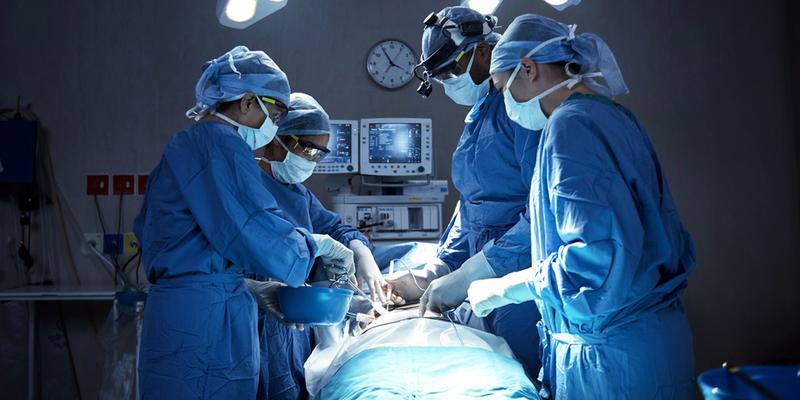

Infection control is a critical component of healthcare and public health, focused on preventing the spread of infectious agents. It encompasses a range of practices and procedures designed to protect patients, healthcare workers, and the community from acquiring infections. Understanding the principles of infection control is essential for anyone working in a healthcare setting or involved in public health initiatives.
(a) Core Principles of Infection Control
The foundation of effective infection control lies in understanding and implementing several core principles:
1. Understanding the Chain of Infection:
The chain of infection describes the sequence of events necessary for an infection to occur. Breaking any link in this chain can prevent the infection from spreading. The chain consists of:
- Infectious Agent: The pathogen responsible for causing the infection (e.g., bacteria, virus, fungi, parasite).
- Reservoir: The place where the infectious agent lives and multiplies (e.g., humans, animals, water, surfaces).
- Portal of Exit: The way the infectious agent leaves the reservoir (e.g., respiratory tract, skin, blood).
- Mode of Transmission: How the infectious agent is spread (e.g., contact, droplet, airborne, vector).
- Portal of Entry: The way the infectious agent enters a new host (e.g., respiratory tract, skin, mucous membranes).
- Susceptible Host: An individual who is vulnerable to infection (e.g., immunocompromised, elderly, young children).
By identifying and targeting each link in the chain, infection control measures can effectively interrupt the transmission process.
2. Standard Precautions:
Standard precautions are a set of infection control practices that should be used with all patients, regardless of their known or suspected infection status. They are the cornerstone of infection control and are based on the principle that all blood, body fluids, secretions, excretions (except sweat), non-intact skin, and mucous membranes may contain transmissible infectious agents. Standard precautions include:
- Hand Hygiene: Performing hand hygiene with soap and water or an alcohol-based hand sanitizer is the most important way to prevent the spread of infection. Hand hygiene should be performed:
- Before and after patient contact.
- Before donning and after removing gloves.
- After contact with body fluids or contaminated surfaces.
- Before performing aseptic procedures.
- Personal Protective Equipment (PPE): Wearing appropriate PPE, such as gloves, gowns, masks, and eye protection, when there is a risk of exposure to infectious materials.
- Respiratory Hygiene/Cough Etiquette: Covering the mouth and nose with a tissue when coughing or sneezing, disposing of used tissues properly, and performing hand hygiene.
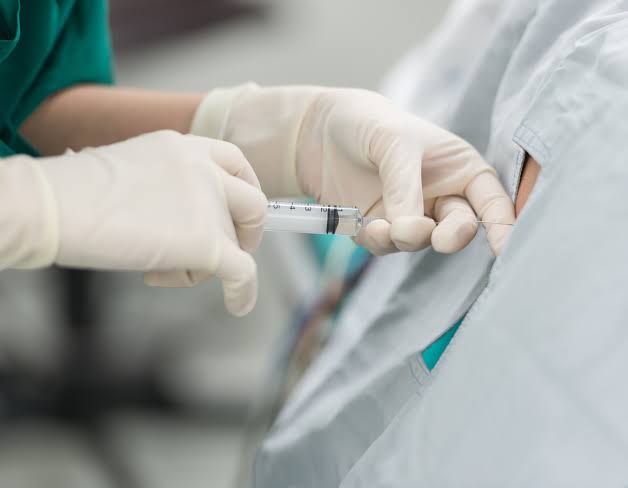
- Safe Injection Practices: Using sterile needles and syringes for each injection and avoiding reuse of needles or syringes.
- Safe Handling of Sharps: Disposing of sharps (needles, scalpels, etc.) in designated sharps containers to prevent needlestick injuries.
- Cleaning and Disinfection: Regularly cleaning and disinfecting environmental surfaces and equipment.
- Waste Management: Properly disposing of infectious waste according to established protocols.
3. Transmission-Based Precautions:
Transmission-based precautions are used in addition to standard precautions when a patient is known or suspected to be infected with a specific transmissible agent. These precautions are tailored to the specific mode of transmission of the infectious agent:
- Contact Precautions: Used for infections spread by direct or indirect contact. Require the use of gloves and gowns upon entry into the patient’s room. Example: Methicillin-resistant Staphylococcus aureus (MRSA), Clostridium difficile (C. diff).
- Droplet Precautions: Used for infections spread by large respiratory droplets produced during coughing, sneezing, or talking. Require the use of a mask when within close proximity to the patient. Example: Influenza, Pertussis.
- Airborne Precautions: Used for infections spread by small airborne particles that can remain suspended in the air for prolonged periods. Require the use of a N95 respirator mask and placement of the patient in a negative-pressure isolation room. Example: Tuberculosis (TB), Measles, Varicella (Chickenpox).
4. Surveillance and Monitoring:
Continuous surveillance of healthcare-associated infections (HAIs) is crucial for identifying trends, evaluating the effectiveness of infection control measures, and implementing targeted interventions. This includes tracking infection rates, identifying risk factors, and monitoring compliance with infection control practices.
5. Education and Training:
Providing ongoing education and training to healthcare workers on infection control principles and practices is essential for ensuring adherence to protocols and promoting a culture of safety.
(b) Asepsis and Antisepsis
Asepsis and antisepsis are techniques used to reduce the risk of infection by eliminating or inhibiting the growth of microorganisms.
- Asepsis: Asepsis refers to the absence of pathogenic microorganisms. Aseptic techniques are procedures designed to prevent contamination of sterile objects or areas. Examples of aseptic techniques include:
- Sterile Technique: Using sterile equipment and supplies during invasive procedures (e.g., surgery, catheter insertion).
- Maintaining a Sterile Field: Creating and maintaining a sterile field around the operative site to prevent contamination.
- Antisepsis: Antisepsis is the use of chemical agents (antiseptics) to kill or inhibit the growth of microorganisms on living tissue. Antiseptics are used to reduce the number of microbes on skin, mucous membranes, and wounds. Examples include:
- Hand Sanitizers: Alcohol-based hand rubs are commonly used for hand antisepsis.
- Skin Preparations: Antiseptic solutions such as chlorhexidine gluconate or povidone-iodine are used to prepare the skin before surgery or other invasive procedures.
- Wound Cleaning: Antiseptic solutions can be used to cleanse wounds and prevent infection.
When are Asepsis and Antisepsis Necessary?
Aseptic and antiseptic techniques are necessary in situations where there is a risk of introducing microorganisms into sterile tissues or body cavities. This includes:
- Surgical Procedures: To prevent surgical site infections.
- Invasive Procedures: To prevent infections associated with catheters, intravenous lines, and other medical devices.
- Wound Care: To prevent wound infections.
- Patient Care Activities: Any activity where there is a risk of introducing microorganisms into a patient’s body.
(c) Antibiotic Prophylaxis
Antibiotic prophylaxis is the administration of antibiotics before a potential infection to prevent its development. It is used in specific situations where the risk of infection is high, and the potential consequences of infection are severe.
When Antibiotic Prophylaxis is Desirable:
- Surgical Procedures: Certain surgical procedures, such as cardiac surgery, orthopedic surgery, and some gastrointestinal surgeries, carry a high risk of infection. Prophylactic antibiotics are often administered to reduce the risk of surgical site infections.
- Dental Procedures: Patients with certain heart conditions (e.g., prosthetic heart valves, history of endocarditis) may require antibiotic prophylaxis before dental procedures to prevent infective endocarditis.
- Exposure to Specific Infections: Prophylactic antibiotics may be used after exposure to certain infections, such as meningococcal meningitis or anthrax.
- Immunocompromised Patients: Individuals with weakened immune systems may benefit from prophylactic antibiotics to prevent opportunistic infections.
When Antibiotic Prophylaxis is Not Desirable:
- Routine Procedures: Antibiotic prophylaxis is generally not recommended for routine procedures where the risk of infection is low.
- Overuse and Resistance: The overuse of antibiotics contributes to the development of antibiotic-resistant bacteria. Prophylactic antibiotics should only be used when there is a clear benefit and the risk of resistance is outweighed by the potential benefits.
- Adverse Effects: Antibiotics can cause adverse effects, such as allergic reactions, gastrointestinal upset, and C. difficile infection. The risks of antibiotic prophylaxis should be carefully considered before administration.
(d) The Role of Infection Control in Preventing Infections
Infection control plays a vital role in preventing infections in healthcare settings and the community. By implementing effective infection control practices, we can:
- Reduce the incidence of healthcare-associated infections.
- Protect patients from acquiring infections during medical care.
- Protect healthcare workers from occupational exposure to infectious agents.
- Prevent the spread of infectious diseases in the community.
- Reduce the burden of antibiotic resistance.
In conclusion, a thorough understanding and consistent application of infection control principles are paramount in safeguarding public health and ensuring patient safety. By focusing on breaking the chain of infection, adhering to standard and transmission-based precautions, practicing asepsis and antisepsis, and utilizing antibiotic prophylaxis judiciously, we can significantly reduce the incidence and spread of infections. Continued education, surveillance, and innovation in infection control practices are essential for maintaining a safe and healthy environment for all.