The spleen, often overlooked and sometimes described as a “forgotten organ,” plays a pivotal role in the human body’s immune surveillance and hematological regulation. Despite its critical functions, it is also the most frequently injured abdominal organ and can be surgically removed (splenectomy) under various clinical circumstances.
Review of Spleen Anatomy and Physiology
Understanding the spleen’s structure and functions is fundamental to appreciating its clinical significance.
1. Spleen Anatomy
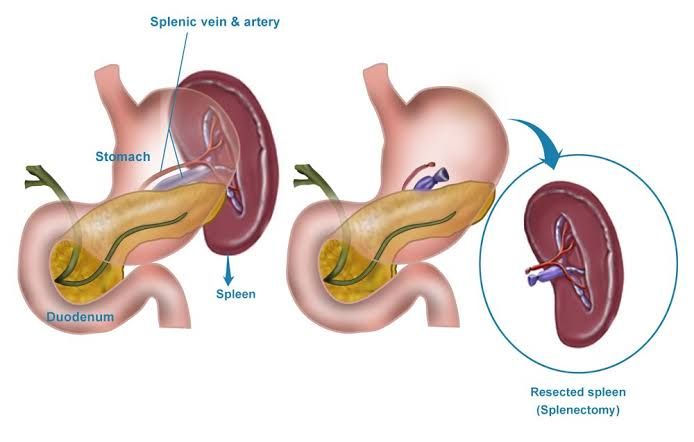
The spleen is a reddish-purple, ovoid, and highly vascular organ located in the left upper quadrant of the abdomen, nestled beneath the diaphragm and posterior to the stomach. Typically weighing between 75-200 grams in adults, its size and weight can vary significantly with age and various pathological conditions.
- Capsule and Trabeculae: The spleen is encapsulated by a dense fibroelastic connective tissue layer that protects its delicate internal structures. From this capsule, fibrous septa known as trabeculae extend inward, forming a supportive framework that divides the splenic parenchyma into smaller compartments.
- Hilum: On its medial surface, the spleen features a hilum, a concave indentation through which the splenic artery enters and the splenic vein and lymphatic vessels exit.
- Parenchyma (Pulp): The internal tissue of the spleen is broadly divided into two main components:
- Red Pulp: Comprising approximately 75-80% of the spleen’s volume, the red pulp is rich in blood-filled sinusoids and splenic cords (cords of Billroth). It is the primary site for the filtration of blood and the removal of old or damaged red blood cells (erythrocytes). Macrophages, particularly abundant here, are central to these processes.
- White Pulp: Dispersed throughout the red pulp, the white pulp consists of lymphoid tissue, primarily organized around central arterioles. It is structurally similar to lymph nodes and is crucial for immune function. Key components include:
- Periarteriolar Lymphoid Sheaths (PALS): Predominantly populated by T lymphocytes.
- Lymphoid Follicles (Nodules): Containing B lymphocytes, often with germinal centers where B cells proliferate and differentiate into plasma cells that produce antibodies.
- Marginal Zone: A unique area separating the red and white pulp, rich in specialized B cells, macrophages, and dendritic cells, acting as a critical interface for antigen presentation and immune activation.
2. Spleen Physiology
The spleen performs a diverse array of vital functions, primarily centered around blood filtration and immune responses.
- Hematological Functions:
- Filtration and Quality Control: The red pulp acts as a sophisticated filter, removing senescent (aged), damaged, or abnormal red blood cells from circulation. This process, often termed “culling,” involves the selective retention and phagocytosis of these cells by splenic macrophages.
- Pitting: The spleen can also remove intracellular inclusions (e.g., Howell-Jolly bodies, Pappenheimer bodies) from red blood cells without destroying the entire cell, a process known as “pitting.”
- Platelet Reservoir: The spleen stores approximately one-third of the body’s platelet mass, releasing them into circulation as needed. In conditions like hypersplenism, this storage can be excessive, leading to thrombocytopenia.
- Erythropoiesis (Fetal Life): During fetal development, the spleen is an important site of hematopoiesis (blood cell formation). This function typically ceases after birth but can be reactivated in adults under conditions of severe bone marrow stress, known as extramedullary hematopoiesis.
- Immunological Functions:
- Antigen Presentation and Immune Activation: The white pulp is a crucial site for initiating adaptive immune responses. Antigens, particularly from blood-borne pathogens, are presented to T and B lymphocytes.
- Antibody Production: B cells within the white pulp, upon activation, differentiate into plasma cells, which produce antibodies against invading pathogens.
- Filtration of Encapsulated Bacteria: The spleen is uniquely adept at trapping and removing encapsulated bacteria (e.g., Streptococcus pneumoniae, Haemophilus influenzae type b, Neisseria meningitidis) from the bloodstream. Its specialized macrophages and the high concentration of opsonizing antibodies it produces are critical for this defense mechanism.
- Opsonin Production: The spleen is a significant producer of opsonins, such as tuftsin and properdin, which facilitate the phagocytosis of bacteria by immune cells.
Indications of Splenectomy
Splenectomy, the surgical removal of the spleen, is performed for a variety of indications, often as a life-saving measure or to manage severe symptoms of underlying diseases.
- Traumatic Rupture: This is the most common indication for emergency splenectomy. Severe blunt abdominal trauma (e.g., motor vehicle accidents, falls) can cause splenic laceration or rupture, leading to life-threatening hemorrhage.
- Hematologic Disorders:
- Immune Thrombocytopenic Purpura (ITP): In chronic ITP refractory to medical therapy, splenectomy removes the primary site of platelet destruction and antibody production.
- Hereditary Spherocytosis and Other Hemolytic Anemias: For conditions like hereditary spherocytosis, thalassemia major, and autoimmune hemolytic anemia (AIHA), splenectomy can significantly reduce red blood cell destruction, improve anemia, and decrease transfusion dependence.
- Hypersplenism: Characterized by splenomegaly (enlarged spleen) and pancytopenia (reduction in all blood cell lines), often due to excessive sequestration/destruction of blood cells within the spleen. Splenectomy can alleviate these cytopenias.
- Splenic Tumors/Cysts/Abscesses: Malignant tumors (e.g., lymphoma, angiosarcoma) or large benign cysts/abscesses may necessitate splenectomy.
- Vascular Conditions: Splenic vein thrombosis, causing severe splenomegaly and portal hypertension, may occasionally require splenectomy.
- Diagnostic Purposes: Rarely, for definitive diagnosis of certain splenic pathologies when less invasive methods are inconclusive.
Splenectomy in Bone Marrow Disorders
In specific bone marrow disorders, splenectomy can play a crucial, albeit often palliative, role in managing symptoms and improving quality of life.
- Myelofibrosis (MF): This chronic myeloproliferative neoplasm is characterized by bone marrow fibrosis, extramedullary hematopoiesis (often in the spleen and liver), and progressive splenomegaly. Splenectomy in MF is typically considered for:
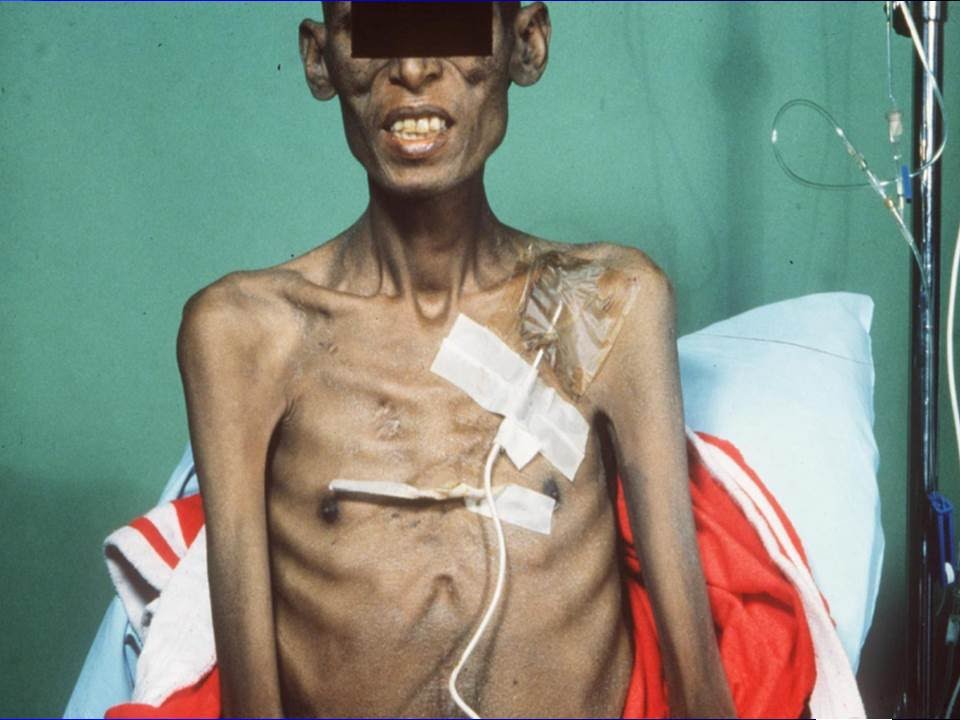
- Massive, Symptomatic Splenomegaly: Leading to severe abdominal pain, early satiety, and cachexia.
- Intractable Transfusion-Dependent Anemia: When severe anemia is primarily due to splenic sequestration or destruction, and other therapies have failed.
- Portal Hypertension: Caused by increased splenic blood flow.
- It is important to note that splenectomy for MF does not cure the underlying bone marrow disease and may lead to compensatory extramedullary hematopoiesis in other sites (e.g., liver), which can present new challenges.
- Certain Leukemias and Lymphomas: In some cases of chronic lymphocytic leukemia (CLL) or hairy cell leukemia, where massive splenomegaly causes significant discomfort, cytopenias, or autoimmune phenomena (e.g., AIHA, ITP), splenectomy may be performed following or alongside chemotherapy. It can help reduce tumor burden and improve blood counts.
- Gaucher’s Disease: While enzyme replacement therapy is the primary treatment, severe splenomegaly causing pain or cytopenias may sometimes warrant splenectomy.
The decision for splenectomy in bone marrow disorders is complex, balancing potential benefits against the risks, particularly the long-term immune compromise. It is usually reserved for patients with significant symptoms refractory to medical management.
Complications of Splenectomy
Despite its therapeutic benefits, splenectomy is a major surgical procedure associated with several potential complications, both immediate and long-term.
1. Immediate and Early Complications
- Hemorrhage: The spleen is highly vascular, making bleeding a primary concern during and after surgery.
- Infection: Risk of wound infection, intra-abdominal abscess, or pancreatitis due to the spleen’s proximity to the pancreas.
- Pancreatic Injury: Accidental injury to the tail of the pancreas during dissection can lead to pancreatitis, pancreatic fistula, or pseudocyst formation.
- Left Lower Lobe Atelectasis/Pleural Effusion: Post-operative pain can lead to shallow breathing, increasing the risk of lung collapse or fluid accumulation in the chest cavity.
- Thrombocytosis: A common post-splenectomy complication is a persistent elevation in platelet count (thrombocytosis), as the spleen no longer sequesters platelets. This can increase the risk of thrombotic events (e.g., deep vein thrombosis, pulmonary embolism, portal vein thrombosis), especially in the early post-operative period.
2. Long-term Complications
- Increased Risk of Infection (OPSI): This is the most serious long-term complication and is discussed in detail in the next step.
- Increased Risk of Thrombosis: While initially elevated, the risk of thrombosis generally persists long-term, particularly for portal vein thrombosis.
- Pulmonary Hypertension: Some studies suggest a long-term increased risk of pulmonary hypertension, though the mechanism is not fully understood.
Overwhelming Post-Splenectomy Infection (OPSI)
OPSI is a rare but life-threatening complication that can occur at any time after splenectomy, ranging from weeks to decades later. Its severity underscores the spleen’s crucial role in immunity.
- Definition: OPSI is characterized by a rapidly progressive, fulminant infection, often leading to septic shock, disseminated intravascular coagulation (DIC), and multi-organ failure. The mortality rate can be as high as 50-70%.
- Causative Organisms: The spleen’s primary role in filtering encapsulated bacteria means that individuals without a spleen are highly susceptible to infections by these pathogens. The most common culprits include:
- Streptococcus pneumoniae (pneumococcus)
- Haemophilus influenzae type b (Hib)
- Neisseria meningitidis (meningococcus) Less commonly, Capnocytophaga canimorsus (from dog bites) and Babesia species (parasite transmitted by ticks) can also cause severe infections.
- Risk Factors: All asplenic or hyposplenic individuals are at risk. Children, especially those under 5 years old, and those with underlying hematologic disorders (e.g., thalassemia, sickle cell disease, lymphoma) are at highest risk. The risk persists for life.
- Prevention and Management: Proactive measures are paramount:
- Vaccination: This is the cornerstone of OPSI prevention. Patients should receive:
- Polyvalent pneumococcal conjugate vaccine (PCV13) followed by pneumococcal polysaccharide vaccine (PPSV23).
- Meningococcal conjugate vaccine (MCV4) and serogroup B meningococcal vaccine (MenB).
- Haemophilus influenzae type b (Hib) vaccine.
- Annual influenza vaccine.
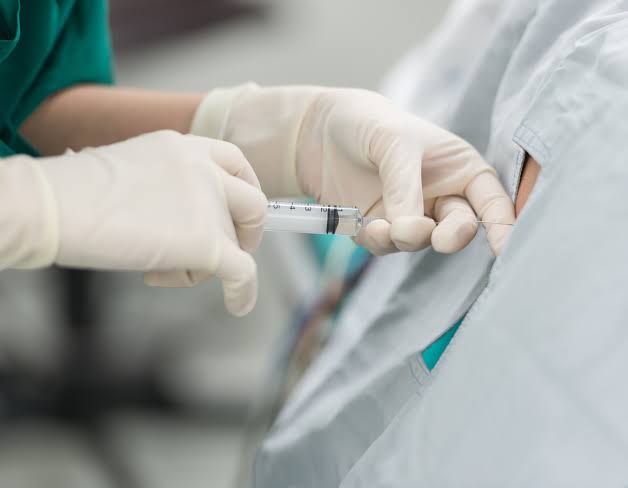
- Vaccinations should ideally be administered 2-4 weeks prior to elective splenectomy or as soon as possible after emergency splenectomy.
- Antibiotic Prophylaxis: While controversial in adults due to concerns about resistance, long-term prophylactic antibiotics (e.g., penicillin or amoxicillin) are often recommended for children until at least age 5 or for 1-2 years post-splenectomy, and for high-risk adults.
- Patient Education: Crucial for all splenectomized individuals. They must be counseled on:
- The lifelong risk of OPSI.
- Wearing a medical alert bracelet or carrying a card indicating asplenia.
- Seeking immediate medical attention for any fever, chills, or signs of infection, emphasizing that rapid progression can occur.
- Avoiding travel to areas with endemic malaria or seeking appropriate prophylaxis.
- Avoiding contact with sick individuals and ensuring good hygiene.
- Vaccination: This is the cornerstone of OPSI prevention. Patients should receive:
Spleen Trauma
Spleen trauma represents a significant portion of abdominal injuries, with management strategies evolving towards non-operative approaches where feasible.
- Mechanism of Injury:
- Blunt Trauma: The most common cause, typically resulting from motor vehicle accidents, falls, or sports injuries. The spleen’s location and friable nature make it vulnerable to direct impact or rapid deceleration forces.
- Penetrating Trauma: Less common, but includes stab wounds or gunshot wounds to the left upper abdomen or lower chest.
- Clinical Presentation: Patients may present with left upper quadrant pain, tenderness, guarding, referred pain to the left shoulder (Kehr’s sign due to diaphragmatic irritation), hypovolemic shock (tachycardia, hypotension, pallor) if significant hemorrhage occurs, or simply mild discomfort depending on the severity of injury.
- Diagnosis:
- Focused Assessment with Sonography for Trauma (FAST) exam: A rapid ultrasound performed at the bedside to detect free fluid (blood) in the abdomen.
- Computed Tomography (CT) Scan with Contrast: The gold standard for evaluating solid organ injuries, providing detailed information on the extent of splenic lacerations, hematomas, and active bleeding, allowing for injury grading (e.g., AAST Spleen Injury Scale).
- Management:
- Non-Operative Management (NOM): Increasingly the preferred approach for hemodynamically stable patients with splenic injuries. It involves close monitoring in an intensive care setting, serial hemoglobin checks, and repeat imaging. The goal is to allow the spleen to heal naturally, preserving its vital functions. This is particularly favored in children.
- Operative Management: Indicated for hemodynamically unstable patients, those with persistent bleeding despite NOM, or severe splenic injuries. Operative options include:
- Splenorrhaphy (Splenic Repair): Attempting to repair the spleen through suturing, topical hemostatic agents, or partial splenectomy. This is preferred over total splenectomy if feasible, especially in children, to preserve splenic function.
- Total Splenectomy: Complete removal of the spleen. This is undertaken if the injury is too severe for repair or if the patient remains unstable.
The choice of management strategy involves careful consideration of the patient’s hemodynamic status, the grade of splenic injury, and the potential long-term implications of splenectomy.
Conclusion
The spleen, an organ of remarkable anatomical complexity and physiological versatility, stands as a critical component of the body’s immune and hematological systems. While its removal (splenectomy) can be a life-saving or symptom-alleviating intervention for various traumatic, hematologic, or oncologic conditions, it is not without significant consequences. The lifelong increased risk of overwhelming post-splenectomy infection (OPSI) by encapsulated bacteria mandates a rigorous approach to vaccination, patient education, and prompt medical attention for febrile illness. Through a thorough understanding of its functions and the implications of its absence, healthcare professionals can optimize patient care, minimize complications, and ensure comprehensive risk mitigation strategies for individuals living without this vital organ.