Definition of Shoulder Presentation
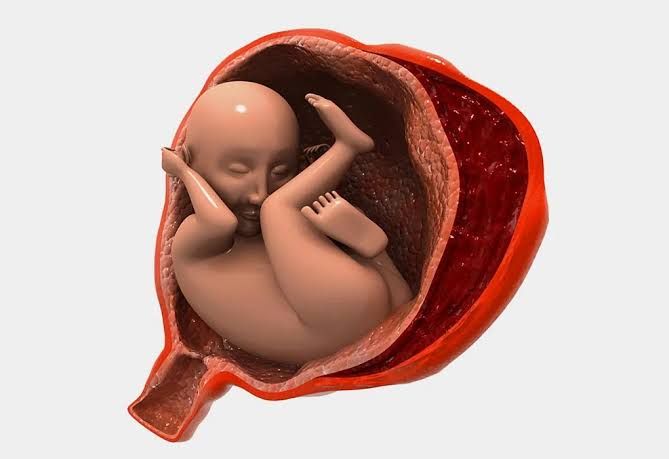
Shoulder presentation is a type of malpresentation during childbirth where the fetus is positioned in a transverse lie, meaning its vertebral column is perpendicular to that of the mother. In this scenario, the leading part that first enters the birth canal is not the head or buttocks but rather an arm, shoulder, or trunk. This position complicates vaginal delivery and typically necessitates a cesarean section for safe delivery.
Incidence of Shoulder Presentation
Shoulder presentations are relatively uncommon, occurring in approximately 0.5% of all births. This low incidence is primarily due to the natural positioning of the fetus as it develops toward the end of gestation, where either the head or buttocks usually engage in the upper part of the pelvis, resulting in a longitudinal lie. Various factors can contribute to shoulder presentation, including anatomical abnormalities, uterine conditions, and other complications during pregnancy.
Causes of Shoulder Presentation
The causes of shoulder presentation can be categorized into maternal and fetal factors.
Maternal Factors:
- Lax Abdominal and Uterine Muscles:
- This condition is often seen in women who have had multiple pregnancies. The muscles may become stretched and weakened, making it difficult for the uterus to maintain a proper position for the fetus.
- Uterine Abnormality:
- Structural abnormalities of the uterus, such as fibroids or congenital malformations, can interfere with normal fetal positioning. These abnormalities may prevent the fetus from rotating into a longitudinal lie.
- Contracted Pelvis:
- A pelvis that is abnormally narrow can restrict the space available for the fetus to maneuver into an optimal position for delivery. This can lead to malpresentation, including shoulder presentation.
Fetal Factors:
- Preterm Labor:
- In cases of preterm labor, there may not be enough time for the fetus to turn into a more favorable position before delivery occurs. This increases the likelihood of shoulder presentation.
- Multiple Pregnancy:
- In twin or higher-order multiple pregnancies, there is less space in the uterus for each fetus to move freely. This can lead to abnormal presentations such as shoulder presentation due to limited room for positional changes.
- Polyhydramnios:
- This condition refers to an excess of amniotic fluid surrounding the fetus, which can allow for more movement but may also contribute to abnormal positioning if it leads to overdistension of the uterus.
- Placenta Previa:
- When the placenta partially or completely covers the cervical opening (placenta previa), it can obstruct normal fetal positioning and lead to malpresentation during labor.
These factors contribute individually or in combination to increase the risk of shoulder presentation during childbirth, making it essential for healthcare providers to monitor pregnancies closely for any signs that could indicate potential complications related to fetal positioning.
Diagnosis of Shoulder Presentation
To diagnose shoulder presentation, several clinical assessments and examinations are utilized:
- Abdominal Palpation: During abdominal palpation, the uterus may appear broader than expected, and the height of the fundus is typically less than what would be anticipated for the gestational age. This occurs because the fundus is not occupied by either the baby’s head or buttocks. Instead, the head can usually be felt on one side of the mother’s abdomen.
- Vaginal Examination: In early labor, it may be difficult to feel the presenting part; however, as labor progresses, healthcare providers may palpate the baby’s ribs during a vaginal examination. If the shoulder enters the pelvic brim, there is a possibility that the baby’s arm may prolapse and become visible outside of the vagina.
- Leopold’s Maneuvers: These maneuvers are performed to assess fetal position and lie. They can help demonstrate whether the fetus is in a transverse lie, which is indicative of a shoulder presentation.
- Ultrasound Examination: An ultrasound can confirm shoulder presentation and may also reveal possible underlying causes such as multiple gestation or tumors that could affect fetal positioning.
- Clinical Observation: The absence of a head or feet/breech presentation during vaginal examination further supports the diagnosis of shoulder presentation.
In summary, diagnosing shoulder presentation involves a combination of abdominal palpation, vaginal examination, Leopold’s maneuvers, ultrasound imaging, and clinical observation to identify characteristic signs associated with this malpresentation.
Prognosis and Complications of Neglected Shoulder Presentation
Prognosis
The prognosis for neglected shoulder presentation largely depends on several factors, including the timing of diagnosis, the gestational age of the fetus, and the overall health of the mother. In cases where there is a delay in recognizing and managing this condition, outcomes can be dire. The most severe consequence is stillbirth, which occurs due to prolonged compression of fetal structures or lack of oxygen supply.
When managed promptly through surgical intervention such as cesarean section, outcomes can improve significantly. However, even with timely intervention, there may be complications that arise from prolonged labor or fetal distress prior to delivery. The prognosis for future pregnancies may also be affected if there are underlying anatomical issues contributing to this presentation.
Complications
- Fetal Complications:
- Stillbirth: As noted earlier, one of the most serious outcomes associated with neglected shoulder presentation is stillbirth due to prolonged labor and fetal distress.
- Birth Injuries: If delivery occurs under emergency conditions without proper management techniques, there can be physical injuries to the fetus such as brachial plexus injury or fractures.
- Hypoxia: Prolonged compression can lead to hypoxic-ischemic encephalopathy (HIE), which can have long-term neurological implications for the infant.
- Maternal Complications:
- Uterine Rupture: In cases where aggressive maneuvers are attempted without proper technique or experience, there is a risk of uterine rupture.
- Infection: Following delivery—especially if it was complicated—there is an increased risk of postpartum infections such as endometritis.
- Psychological Impact: The traumatic nature of experiencing a stillbirth or severe complications during delivery can lead to long-term psychological effects on mothers.
- Long-term Outcomes:
- Women who experience neglected shoulder presentations may face challenges in subsequent pregnancies due to potential anatomical changes or psychological trauma from their previous experiences.
Conclusion
In summary, neglected shoulder presentation poses significant risks that can lead to severe complications for both mother and child if not managed appropriately. Early recognition and timely surgical intervention are crucial in improving outcomes and minimizing risks associated with this obstetric emergency.
Management of Shoulder and Neglected Shoulder Presentation
Shoulder presentation occurs when the fetus is positioned transversely in the uterus, with the shoulder presenting first during labor instead of the head. This can lead to complications such as obstructed labor and fetal distress. Neglected shoulder presentation refers to a situation where this condition is not addressed promptly, resulting in increased risks for both the mother and fetus.
Immediate Management Options
The management of shoulder presentation, particularly when it becomes neglected, requires prompt intervention to minimize risks:
- Assessment: The first step involves a thorough assessment of the maternal and fetal condition. This includes evaluating fetal heart rate patterns, maternal vital signs, and physical examination to confirm the position of the fetus.
- Internal Podalic Version: If the fetus is still alive and there are no contraindications, an attempt may be made to perform an internal podalic version followed by breech extraction. This technique involves turning the fetus into a breech position to facilitate delivery.
- Cesarean Section: In cases where internal podalic version fails or if there are signs of fetal distress or death, an emergency cesarean section is often indicated. This is especially true in neglected cases where prolonged labor has occurred without intervention.
Postoperative Care
After delivery via cesarean section or other methods, postoperative care is crucial:
- Monitoring for Complications: The mother should be monitored for any signs of infection or complications related to surgery.
- Antibiotic Prophylaxis: Broad-spectrum antibiotics may be administered prophylactically to prevent uterine septicemia, especially if there was a prolonged rupture of membranes or evidence of infection.
- Psychological Support: Given the emotional impact of stillbirth or severe complications during delivery, psychological support should be offered to help parents cope with their loss.
Long-term Considerations
For future pregnancies, healthcare providers may consider assessing risk factors that contributed to shoulder presentation or neglect during previous deliveries. These factors include anatomical abnormalities in the pelvis or uterus, multiple gestations, and conditions like polyhydramnios.
In summary, effective management of shoulder and neglected shoulder presentations involves timely assessment and intervention strategies such as internal podalic version or cesarean section while ensuring comprehensive postoperative care for both mother and child.