Circulatory Disorders of the Liver
The liver is a vital organ that plays a crucial role in various metabolic processes, and its health is closely linked to the circulatory system. Circulatory disorders of the liver can lead to significant morbidity and mortality due to their impact on hepatic function. These disorders can be categorized based on the type of vascular obstruction they cause: obstruction to hepatic vascular inflow, obstruction to blood flow through the liver, and obstruction to hepatic vascular outflow.
1. Obstruction to Hepatic Vascular Inflow
This category includes conditions that impede blood flow into the liver, primarily affecting the portal vein and hepatic artery.
- Portal Vein Thrombosis (PVT): This condition occurs when a thrombus forms in the portal vein, obstructing blood flow from the intestines to the liver. PVT can be acute or chronic and is often associated with cirrhosis or malignancies. The clinical presentation may vary from asymptomatic cases found incidentally during imaging studies to severe complications like portal hypertension, which can lead to variceal bleeding.
- Hepatic Artery Thrombosis: This rare condition involves thrombosis of the hepatic artery, which supplies oxygenated blood to the liver. It can occur post-liver transplantation or in patients with underlying vascular diseases. Symptoms may include abdominal pain and signs of liver dysfunction.
- Presinusoidal Causes: Conditions such as schistosomiasis or certain infections can lead to presinusoidal obstruction, affecting blood flow before it reaches the sinusoids within the liver.
2. Obstruction to Blood Flow Through the Liver
This category encompasses disorders that affect blood flow within the liver itself.
- Sickle Cell Disease: Patients with sickle cell disease may experience vaso-occlusive crises that affect hepatic circulation, leading to ischemia and potential infarction of liver tissue.
- Disseminated Intravascular Coagulation (DIC): DIC is a serious condition characterized by systemic activation of coagulation leading to microvascular thrombosis throughout various organs, including the liver. This can result in multiple organ dysfunction syndrome if not promptly managed.
- Intrasinusoidal Malignancy: Tumors that invade or compress sinusoidal structures can obstruct normal blood flow within the liver, leading to increased pressure and potential hepatic dysfunction.
3. Obstruction to Hepatic Vascular Outflow
This category includes conditions that block blood flow exiting the liver.
- Budd-Chiari Syndrome (BCS): BCS results from occlusion of hepatic venous outflow due to thrombosis of major hepatic veins or inferior vena cava. Symptoms may include abdominal pain, ascites, and hepatomegaly. Chronic BCS can lead to significant fibrosis and cirrhosis over time.
- Macroscopic Hepatic Venous Thrombosis: Similar to BCS but may involve larger vessels; this condition also leads to impaired outflow from the liver.
- Venoocclusive Disease (VOD): Often seen after chemotherapy or bone marrow transplantation, VOD occurs when small veins in the liver become obstructed due to endothelial damage and subsequent thrombosis. This leads to hepatomegaly, jaundice, and ascites.
Conclusion
Understanding these circulatory disorders is essential for timely diagnosis and management since they can significantly impact overall health outcomes in affected individuals. Each disorder has distinct etiologies, risk factors, clinical presentations, and management strategies that must be considered by healthcare providers when evaluating patients with suspected hepatic compromise.
Disorders of the Liver
Liver disorders encompass a wide range of diseases that can affect the liver’s structure and function. The liver is a vital organ responsible for numerous functions, including detoxification, protein synthesis, and the production of biochemicals necessary for digestion. When liver function is compromised, it can lead to serious health issues. Below are some of the most common types of liver disorders:
Viral hepatitis is an inflammation of the liver caused by viral infections. The most common types include:
- Hepatitis A: Transmitted through contaminated food and water, it usually causes acute illness but does not lead to chronic disease.
- Hepatitis B: Spread through contact with infectious body fluids, this virus can cause both acute and chronic infections, potentially leading to cirrhosis or liver cancer.
- Hepatitis C: Primarily transmitted through blood-to-blood contact, it often leads to chronic infection and can result in severe liver damage over time.
2. Alcoholic Liver Disease
This condition arises from excessive alcohol consumption, leading to:
- Fatty Liver Disease: Accumulation of fat in liver cells, which may be reversible with abstinence from alcohol.
- Alcoholic Hepatitis: Inflammation of the liver due to alcohol toxicity; symptoms may include jaundice and abdominal pain.
- Cirrhosis: Advanced scarring of the liver tissue that occurs after years of alcohol abuse.
3. Non-Alcoholic Fatty Liver Disease (NAFLD)
NAFLD is characterized by fat accumulation in the liver without significant alcohol consumption. It includes:
- Simple Fatty Liver (Steatosis): Generally benign but can progress if not managed.
- Non-Alcoholic Steatohepatitis (NASH): A more severe form that involves inflammation and can lead to fibrosis or cirrhosis.
4. Cirrhosis
Cirrhosis is the late stage of scarring (fibrosis) of the liver caused by many forms of liver diseases and conditions, such as hepatitis and chronic alcoholism. Symptoms may not appear until significant damage has occurred, leading to complications like portal hypertension and hepatic encephalopathy.
5. Liver Cancer
Primary liver cancer often develops in individuals with chronic liver diseases such as hepatitis or cirrhosis. The most common type is hepatocellular carcinoma (HCC). Risk factors include viral hepatitis infections and heavy alcohol use.
6. Genetic Disorders
Certain inherited conditions can affect liver function:
- Hemochromatosis: Excessive iron accumulation in the body can damage organs including the liver.
- Wilson’s Disease: Copper builds up in the body due to improper metabolism, affecting various organs including the liver.
7. Autoimmune Liver Diseases
These occur when the immune system mistakenly attacks healthy liver cells:
- Autoimmune Hepatitis: Chronic inflammation leads to damage; treatment typically involves immunosuppressive medications.
- Primary Biliary Cholangitis (PBC): Affects bile ducts leading to cholestasis; often treated with medications that slow disease progression.
8. Cholestatic Disorders
Conditions that impair bile flow can lead to cholestasis:
- Primary Sclerosing Cholangitis (PSC): Involves inflammation and scarring of bile ducts; associated with inflammatory bowel disease.
Each type of disorder has distinct causes, symptoms, diagnostic methods, and treatment options ranging from lifestyle changes to medical interventions or surgery.
Common Diseases of the Intra and Extrahepatic Biliary System
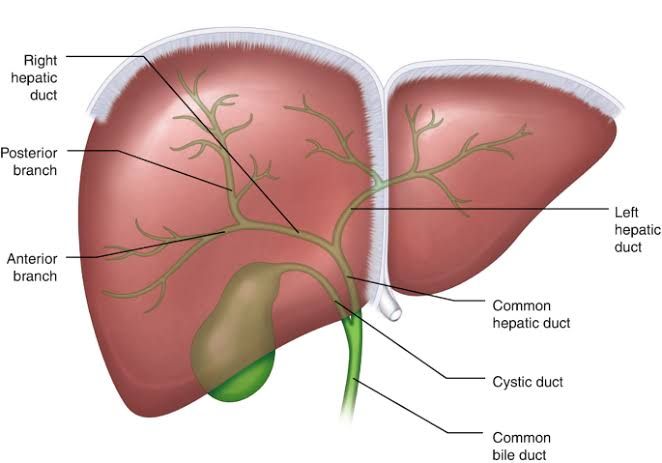
The biliary system, which includes both intrahepatic and extrahepatic components, is responsible for the production, storage, and transportation of bile. Disorders in this system can lead to significant clinical complications. Below are some common diseases associated with both intrahepatic and extrahepatic biliary systems.
Intrahepatic Biliary Diseases
- Cholestasis: This condition occurs when there is a reduction or stoppage of bile flow within the liver. It can be caused by various factors including liver diseases (such as hepatitis or cirrhosis), drug-induced injury, or genetic disorders. Symptoms may include jaundice, pruritus (itching), and dark urine.
- Primary Biliary Cholangitis (PBC): PBC is an autoimmune disease that primarily affects women and leads to progressive destruction of the small bile ducts within the liver. This results in cholestasis and can eventually lead to cirrhosis. Patients often present with fatigue, pruritus, and jaundice.
- Primary Sclerosing Cholangitis (PSC): This chronic disease involves inflammation and scarring of the bile ducts both inside and outside the liver. It is often associated with inflammatory bowel disease (IBD). PSC can lead to biliary strictures, cholangitis (infection of the bile duct), and an increased risk of cholangiocarcinoma (bile duct cancer).
- Biliary Atresia: A congenital condition where the bile ducts are absent or damaged, leading to obstruction of bile flow from the liver to the intestine. This condition typically presents in infants with jaundice that persists beyond two weeks of age and requires surgical intervention.
Extrahepatic Biliary Diseases
- Gallstones: The formation of stones in the gallbladder or bile ducts is one of the most common disorders affecting the biliary system. Gallstones can cause obstruction leading to cholecystitis (inflammation of the gallbladder) or pancreatitis if they obstruct the pancreatic duct.
- Cholecystitis: This refers specifically to inflammation of the gallbladder often due to gallstones blocking the cystic duct. Symptoms include severe right upper quadrant pain, fever, nausea, and vomiting.
- Choledocholithiasis: This condition involves stones that form in or migrate to the common bile duct, causing obstruction that can lead to jaundice, cholangitis (infection), or pancreatitis.
- Cholangitis: An infection of the bile duct system usually caused by bacterial infection secondary to obstruction from gallstones or strictures. Symptoms include fever, chills, abdominal pain, jaundice (the classic triad known as Charcot’s triad).
- Bile Duct Strictures: These are narrowings in the bile duct that can occur due to previous surgeries, trauma, chronic inflammation from conditions like PSC or after radiation therapy for cancer treatment.
- Bile Duct Cancer (Cholangiocarcinoma): A rare but aggressive cancer that arises from cells lining the bile ducts; it may present with symptoms similar to those seen in other biliary diseases such as jaundice and weight loss.
In summary, diseases affecting both intrahepatic and extrahepatic biliary systems encompass a range of conditions from congenital anomalies like biliary atresia to acquired diseases such as cholestasis and infections like cholangitis due to obstructions caused by gallstones.
Pathology of Major Tumors of the Biliary Tree
1. Cholangiocarcinoma (CCA)
Cholangiocarcinomas are malignant tumors that arise from the epithelial cells of the biliary tract. They can be classified based on their anatomical location into intrahepatic (iCCA), perihilar (pCCA), and distal cholangiocarcinomas (dCCA).
- Intrahepatic Cholangiocarcinoma (iCCA): This type develops from the intrahepatic bile ducts beyond the second segmentation. It is further divided into small duct type and large duct type iCCAs, which exhibit distinct histopathological features and risk factors. The small duct type is often associated with primary sclerosing cholangitis, while the large duct type may be linked to hepatolithiasis or other chronic inflammatory conditions.
- Perihilar Cholangiocarcinoma (pCCA): Located at the junction of the right and left hepatic ducts, pCCA is characterized by its aggressive nature and tendency to invade surrounding structures. It often presents with obstructive jaundice due to bile duct obstruction.
- Distal Cholangiocarcinoma (dCCA): This subtype arises in the common bile duct and can lead to similar symptoms as pCCA, including jaundice and abdominal pain. Histologically, CCA typically shows a desmoplastic stroma with varying degrees of differentiation.
The prognosis for patients with CCA is generally poor due to late-stage diagnosis, with most cases presenting at an advanced stage where surgical resection is not feasible.
2. Gallbladder Carcinoma
Gallbladder carcinoma is another significant malignancy within the biliary tree, being the fifth most common gastrointestinal cancer. It often arises in the context of chronic gallbladder inflammation or gallstones.
- Pathological Features: Gallbladder carcinoma can present as adenocarcinoma, which accounts for most cases. The tumor may exhibit various growth patterns including infiltrative or exophytic types. Risk factors include chronic cholecystitis, porcelain gallbladder, and gallbladder polyps larger than 1 cm.
- Clinical Presentation: Patients typically present with nonspecific symptoms such as right upper quadrant pain, jaundice, weight loss, and anorexia. Due to its aggressive nature and late presentation, many patients are diagnosed at an unresectable stage.
3. Ampullary Carcinoma
Carcinomas arising from the ampulla of Vater are less common but significant due to their anatomical location where bile and pancreatic ducts converge.
- Histopathology: These tumors are usually adenocarcinomas that can cause obstructive jaundice by compressing adjacent structures. They may also show a mixture of intestinal-type epithelium and pancreaticobiliary differentiation.
- Clinical Implications: Symptoms often include jaundice, weight loss, and gastrointestinal disturbances due to obstruction or invasion into surrounding tissues.
4. Other Tumors of the Biliary Tree
While cholangiocarcinomas and gallbladder carcinomas are predominant, other neoplasms such as neuroendocrine tumors or sarcomas can occur but are rare.
- Neuroendocrine Tumors: These tumors can arise in any part of the biliary tree but are infrequent compared to adenocarcinomas.
- Sarcomas: Rarely found in this region; they may originate from mesenchymal tissues associated with the biliary system.
In summary, tumors of the biliary tree primarily consist of cholangiocarcinomas and gallbladder carcinomas which exhibit distinct pathological features based on their origin within the biliary system. Their aggressive nature often leads to late diagnosis and poor prognoses for affected patients.