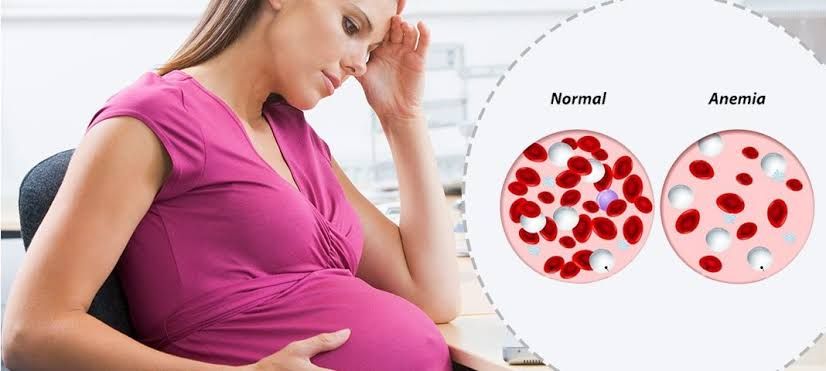
Anemia is a condition characterized by a decrease in the number of healthy red blood cells or the amount of hemoglobin in the blood. During pregnancy, anemia can occur due to increased blood volume and the body’s heightened demand for iron and other nutrients necessary for producing red blood cells. This condition can lead to insufficient oxygen delivery to both the mother and the developing fetus, potentially resulting in various complications.
Types of Anemia During Pregnancy
There are several types of anemia that can develop during pregnancy, each with specific causes and implications:
- Iron-Deficiency Anemia
- This is the most common type of anemia during pregnancy. It occurs when there is insufficient iron available to produce adequate amounts of hemoglobin, which is essential for transporting oxygen throughout the body. The increased blood volume required during pregnancy heightens the need for iron, making pregnant individuals particularly susceptible to this deficiency.
- Folate-Deficiency Anemia
- Folate (vitamin B9) is crucial for cell division and the production of red blood cells. Pregnant individuals require higher amounts of folate to support fetal development. A deficiency can result from inadequate dietary intake or absorption issues, leading to reduced production of normal red blood cells and increasing the risk of neural tube defects in the fetus.
- Vitamin B12 Deficiency Anemia
- Vitamin B12 is vital for forming healthy red blood cells and DNA synthesis. Pregnant individuals who do not consume enough animal products (meat, dairy, eggs) may be at risk for vitamin B12 deficiency. This type of anemia can also contribute to serious birth defects and complications such as preterm labor.
- Pernicious Anemia
- This is an autoimmune condition that affects vitamin B12 absorption due to damage to the stomach lining. It can lead to severe vitamin B12 deficiency even if dietary intake is adequate, making it a significant concern during pregnancy.
- Hemolytic Anemia
- Although less common during pregnancy, hemolytic anemia occurs when red blood cells are destroyed faster than they can be produced. This can be caused by various factors including autoimmune disorders or certain infections.
- Aplastic Anemia
- A rare but serious condition where the bone marrow fails to produce sufficient new blood cells, leading to fatigue and increased risk of infections and bleeding.
Conclusion
Understanding these types of anemia is crucial for managing health during pregnancy effectively. Regular screening and appropriate nutritional support are essential components in preventing and treating anemia in pregnant individuals.
Fetal and Maternal Complications of Anemia During Pregnancy, Labor, and Puerperium
The World Health Organization (WHO) defines anemia in pregnant women as a hemoglobin level below 11 g/dL. It can arise from various causes, including iron deficiency, folate deficiency, vitamin B12 deficiency, or chronic diseases.
Maternal Complications of Anemia
- Increased Fatigue and Weakness
- Anemia can lead to significant fatigue and weakness in pregnant women due to reduced oxygen-carrying capacity. This can affect daily activities and overall quality of life.
- Increased Risk of Infection
- Anemia may compromise the immune system, making pregnant women more susceptible to infections. This is particularly concerning during labor when the risk of infection is already elevated.
- Cardiovascular Strain
- The heart has to work harder to compensate for the reduced oxygen levels in the blood. This can lead to complications such as tachycardia (increased heart rate) or even heart failure in severe cases.
- Postpartum Hemorrhage
- Women with anemia are at a higher risk for postpartum hemorrhage due to impaired hemostatic function and potential underlying coagulopathy associated with severe anemia.
- Preterm Labor
- There is evidence suggesting that maternal anemia may be associated with an increased risk of preterm labor, potentially leading to premature birth.
- Preeclampsia
- Some studies indicate a correlation between maternal anemia and an increased risk of developing preeclampsia, a serious condition characterized by high blood pressure and damage to other organ systems.
Fetal Complications of Anemia
- Low Birth Weight
- Infants born to anemic mothers are at higher risk for low birth weight (LBW), which can result from inadequate nutrient supply during pregnancy.
- Preterm Birth
- Similar to maternal risks, fetal risks include an increased likelihood of preterm birth associated with maternal anemia.
- Neonatal Anemia
- Infants may also be born with anemia if the mother had significant deficiencies during pregnancy, impacting their immediate health after birth.
- Developmental Delays
- Chronic maternal anemia may affect fetal brain development due to insufficient oxygenation during critical periods of growth, potentially leading to cognitive impairments later in life.
- Increased Perinatal Mortality
- Severe maternal anemia has been linked with higher rates of perinatal mortality due to complications arising from inadequate fetal oxygenation and growth restrictions.
Complications During Labor
- Prolonged Labor
- Anemic mothers may experience prolonged labor due to uterine fatigue or ineffective contractions stemming from inadequate energy levels.
- Increased Need for Interventions
- There may be a higher likelihood of requiring interventions such as cesarean delivery or assisted vaginal delivery due to complications arising from maternal fatigue or fetal distress.
- Higher Risk of Blood Transfusion
- In cases where significant blood loss occurs during labor, anemic mothers are more likely to require blood transfusions for stabilization post-delivery.
Complications During Puerperium
- Delayed Recovery
- Postpartum recovery may be prolonged for anemic women due to ongoing fatigue and weakness, affecting their ability to care for themselves and their newborns effectively.
- Breastfeeding Challenges
- Maternal anemia can impact milk production and breastfeeding success due to decreased energy levels and overall health status.
- Psychological Effects
- The combination of physical exhaustion from anemia and the demands of new motherhood can contribute to postpartum depression or anxiety disorders in affected women.
Conclusion
Anemia during pregnancy poses significant risks not only for the mother but also for the fetus throughout pregnancy, labor, and puerperium stages. Early identification and management are crucial in mitigating these risks through appropriate nutritional supplementation (such as iron), monitoring hemoglobin levels regularly, and providing supportive care tailored specifically for pregnant women experiencing anemia.
Minimum Allowable Hemoglobin Levels During Pregnancy
During pregnancy, hemoglobin levels are critical for both maternal and fetal health. The World Health Organization (WHO) has established specific thresholds to classify anemia in pregnant women based on their hemoglobin levels at different stages of gestation.
- First Trimester: Pregnant women are considered anemic if their hemoglobin level is less than 11.0 g/dl.
- Second Trimester: The threshold for anemia is slightly lower, with a cutoff of 10.5 g/dl.
- Third Trimester: Similar to the first trimester, a hemoglobin level below 11.0 g/dl indicates anemia.
These thresholds are important because they help identify women who may be at risk for complications associated with anemia during pregnancy, such as low birth weight, preterm delivery, and increased maternal morbidity and mortality.
The physiological changes that occur during pregnancy typically lead to a decrease in hemoglobin concentration due to increased plasma volume; however, maintaining hemoglobin levels above these thresholds is essential for optimal health outcomes for both the mother and the baby.
In summary, the minimum allowable hemoglobin levels during pregnancy are:
- First Trimester: < 11.0 g/dl
- Second Trimester: < 10.5 g/dl
- Third Trimester: < 11.0 g/dl
Management of Iron Deficiency Anemia and the Role of Routine Iron Supplementation
Introduction to Iron Deficiency Anemia (IDA)
Iron deficiency anemia is a common type of anemia that occurs when the body lacks sufficient iron to produce hemoglobin, the protein in red blood cells responsible for transporting oxygen. This condition can lead to symptoms such as fatigue, weakness, pale skin, and shortness of breath. The management of IDA typically involves identifying the underlying cause, replenishing iron stores, and monitoring treatment efficacy.
Step 1: Diagnosis of Iron Deficiency Anemia
The diagnosis of IDA is confirmed through laboratory tests that measure hemoglobin levels, serum ferritin (which indicates iron stores), transferrin saturation, and total iron-binding capacity. A low serum ferritin level (<30 ng/mL) is often indicative of iron deficiency. Additional tests may be necessary to determine the underlying cause of the deficiency, which could include dietary insufficiency, gastrointestinal bleeding, or increased physiological demands (e.g., during pregnancy).
Step 2: Identifying Underlying Causes
Before initiating treatment, it is crucial to identify any underlying causes contributing to iron deficiency. This may involve a thorough medical history review, physical examination, and possibly endoscopic procedures if gastrointestinal bleeding is suspected. Addressing these causes is essential for effective long-term management.
Step 3: Dietary Modifications
In conjunction with supplementation, dietary changes can help improve iron intake. Foods rich in heme iron (found in animal products like red meat) are more readily absorbed than non-heme iron (found in plant sources). Including vitamin C-rich foods can enhance non-heme iron absorption when consumed together.
Step 4: Iron Supplementation
Routine iron supplementation is a cornerstone in managing IDA. The most commonly used oral supplements include ferrous sulfate, ferrous gluconate, and ferrous fumarate. The typical dosage for adults ranges from 100 to 200 mg of elemental iron per day, divided into two or three doses to maximize absorption and minimize gastrointestinal side effects.
- Oral Iron Supplements: These are usually the first line of treatment due to their effectiveness and ease of administration. Patients are advised to take them on an empty stomach for better absorption but may need to adjust based on tolerance.
- Intravenous Iron Therapy: In cases where oral supplementation is ineffective (due to malabsorption or severe anemia), intravenous iron formulations such as ferric carboxymaltose or iron sucrose may be administered under medical supervision.
Step 5: Monitoring Treatment Response
After initiating treatment with iron supplements, follow-up blood tests should be conducted within 4-6 weeks to assess hemoglobin levels and reticulocyte counts (young red blood cells). A rise in hemoglobin by at least 1 g/dL after one month indicates an adequate response to therapy. If there is no improvement or if side effects occur, further evaluation may be necessary.
Step 6: Long-Term Management and Prevention
Once normal hemoglobin levels are achieved, continuing low-dose maintenance therapy may be recommended for several months to replenish body stores fully. Additionally, educating patients about dietary sources of iron and potential risk factors for recurrence can help prevent future episodes of IDA.
In certain populations—such as pregnant women or individuals with chronic diseases—routine screening for IDA and preventive supplementation may be warranted even before symptoms arise. For example, the World Health Organization recommends routine iron supplementation during pregnancy due to increased requirements.
Conclusion
The management of iron deficiency anemia involves a comprehensive approach that includes diagnosis through laboratory testing, addressing underlying causes, dietary modifications alongside routine oral or intravenous iron supplementation as needed, monitoring treatment response effectively over time, and implementing preventive strategies in at-risk populations.
Management of Anemia During Pregnancy, Labor, and Puerperium
Anemia during pregnancy is a significant public health concern affecting a substantial number of women worldwide. The World Health Organization (WHO) estimates that approximately 42% of pregnant women experience anemia, primarily due to iron deficiency (ID). This condition can lead to adverse outcomes for both the mother and the fetus, including increased morbidity and mortality. Effective management strategies are essential to mitigate these risks.
Causes of Anemia in Pregnancy
The primary causes of anemia during pregnancy include:
- Increased Iron Demand: Pregnant women require additional iron due to increased blood volume and fetal development.
- Blood Loss: Blood loss during labor and delivery can exacerbate pre-existing anemia or lead to new cases.
- Nutritional Deficiencies: Inadequate dietary intake of iron and other essential nutrients can contribute to anemia.
- Underlying Medical Conditions: Conditions such as chronic diseases or infections may also play a role.
Diagnosis of Anemia
Diagnosis typically involves measuring hemoglobin levels, with the WHO defining anemia as hemoglobin concentrations below 11 g/dL at any point during pregnancy. Regular screening is recommended throughout pregnancy, particularly in the first and third trimesters.
Management Strategies
- Iron Supplementation:
- Oral Iron Supplements: These are commonly prescribed for mild to moderate anemia. Ferrous sulfate is often the preferred form due to its efficacy and cost-effectiveness.
- Intravenous Iron Therapy: For women who cannot tolerate oral supplements or have severe anemia, intravenous iron may be necessary. This method allows for rapid replenishment of iron stores.
- Dietary Modifications:
- Encouraging a diet rich in iron (e.g., red meat, poultry, fish) along with vitamin C-rich foods (which enhance iron absorption) is vital.
- Foods high in folate (such as leafy greens) should also be included since folate deficiency can contribute to anemia.
- Erythropoietin Therapy:
- Erythropoietin-stimulating agents may be considered in specific cases where traditional treatments are ineffective or when rapid improvement is needed.
- Blood Transfusion:
- In cases of severe anemia or significant blood loss during labor, blood transfusions may be necessary to stabilize the mother’s condition.
- Monitoring and Follow-Up:
- Continuous monitoring of hemoglobin levels and overall maternal health is crucial throughout pregnancy and after delivery (puerperium). Adjustments in treatment should be made based on response to therapy.
- Postpartum Management:
- After childbirth, it’s important to continue monitoring for postpartum anemia, which affects many women due to blood loss during delivery and nutritional deficits that may persist.
- Education and Awareness:
- Educating healthcare providers about the importance of early detection and management of anemia can improve outcomes significantly.
- Research Needs:
- There is a need for further research into effective management strategies tailored specifically for different populations, especially in resource-limited settings where access to care may be restricted.
In conclusion, managing anemia effectively during pregnancy, labor, and puerperium requires a multifaceted approach that includes diagnosis through regular screening, appropriate supplementation with iron or erythropoietin when necessary, dietary interventions, monitoring throughout the perinatal period, and education for both healthcare providers and patients about the importance of addressing this common yet serious condition.