Distribution of Drugs Across Body Compartments
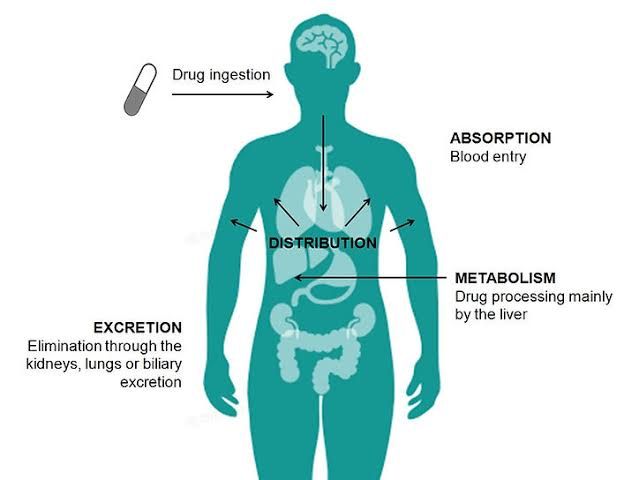
The distribution of drugs within the body is a complex process that involves several compartments, primarily categorized into three main areas: the vascular compartment (blood), the interstitial compartment (the space between cells), and the intracellular compartment (inside the cells). Understanding how drugs distribute across these compartments is crucial for predicting their pharmacokinetics, efficacy, and safety.
- Vascular Compartment: This includes all the blood vessels in the body. When a drug is administered, it first enters this compartment. The concentration of the drug in this area is influenced by factors such as blood flow, protein binding, and permeability of blood vessel walls. Highly perfused organs like the liver and kidneys receive drugs more quickly than less perfused tissues.
- Interstitial Compartment: After entering the bloodstream, drugs can diffuse out into the interstitial fluid surrounding cells. This movement depends on factors such as molecular size, lipid solubility, and ionization state of the drug. Drugs that are lipophilic tend to pass through cell membranes more easily than hydrophilic ones.
- Intracellular Compartment: Finally, some drugs may enter cells themselves. This process can be facilitated by active transport mechanisms or passive diffusion depending on the drug’s properties. Once inside cells, drugs can exert their therapeutic effects or be metabolized.
The distribution of a drug across these compartments is influenced by several factors including:
- Physicochemical Properties: The chemical structure of a drug affects its solubility and permeability.
- Blood Flow: Organs with higher blood flow receive drugs more rapidly.
- Protein Binding: Many drugs bind to plasma proteins; only unbound (free) drug can exert pharmacological effects.
- Tissue Affinity: Some drugs have a higher affinity for certain tissues which can lead to accumulation in those areas.
Understanding these dynamics helps in determining dosing regimens and predicting potential side effects based on where a drug may accumulate.
Apparent Volume of Distribution
The apparent volume of distribution (Vd) is a pharmacokinetic parameter that quantifies how extensively a drug disperses throughout body compartments relative to the concentration of the drug in plasma. It provides insight into how well a drug penetrates tissues compared to remaining in circulation.
Mathematically, Vd is defined as:
Vd = D ÷ Cp
Where:
- D = total amount of drug in the body
- Cp = concentration of drug in plasma
The units for Vd are typically expressed in liters (L) or liters per kilogram (L/kg). A high Vd indicates extensive distribution into tissues outside the vascular compartment, suggesting that a significant portion of the drug resides within tissues rather than circulating in plasma. Conversely, a low Vd suggests that most of the drug remains within the bloodstream.
Factors influencing Vd include:
- Molecular Size and Lipophilicity: Larger or more lipophilic molecules tend to have higher Vd values because they can penetrate cell membranes more easily.
- Tissue Binding: Drugs that bind strongly to tissue components will have an increased Vd.
- Physiological Conditions: Conditions such as obesity or edema can alter body composition and affect how drugs distribute.
In clinical practice, understanding Vd helps healthcare professionals make informed decisions regarding dosing strategies and anticipate potential therapeutic outcomes based on how widely a medication distributes throughout different body compartments.
Clinical Significance of Drug Distribution
Drug distribution is a critical aspect of pharmacokinetics, influencing the efficacy and safety of medications. Understanding how drugs distribute throughout the body helps clinicians predict therapeutic outcomes, manage dosing regimens, and minimize adverse effects. Here are several key points highlighting the clinical significance of drug distribution:
- Therapeutic Efficacy: The effectiveness of a drug is largely determined by its concentration at the site of action. Drugs must reach specific tissues or organs to exert their intended effects. For instance, antibiotics must penetrate infected tissues to eliminate pathogens effectively. If a drug does not distribute adequately to its target site, it may fail to achieve the desired therapeutic effect.
- Dosing Considerations: Knowledge of drug distribution informs dosing strategies. Drugs with a high volume of distribution (Vd) may require higher doses to achieve effective plasma concentrations, while those with low Vd may be effective at lower doses. For example, lipophilic drugs often have larger Vd values because they accumulate in fatty tissues, necessitating careful dose adjustments based on body composition.
- Adverse Effects and Toxicity: Some drugs can accumulate in certain tissues, leading to toxicity if not monitored properly. For example, digoxin accumulates in heart and skeletal muscle tissues; excessive accumulation can lead to serious cardiac side effects. Understanding distribution patterns helps clinicians anticipate potential toxicities and adjust treatment plans accordingly.
- Patient Variability: Individual patient factors such as age, sex, body composition (e.g., obesity), and genetic differences can significantly affect drug distribution. For instance, older adults may have altered fat-to-water ratios that influence how drugs are distributed in their bodies. Clinicians must consider these factors when prescribing medications to ensure safe and effective therapy.
- Blood-Brain Barrier Penetration: The ability of drugs to cross the blood-brain barrier (BBB) is crucial for treating central nervous system disorders. Many medications do not penetrate the BBB effectively due to its selective permeability characteristics, limiting treatment options for conditions like epilepsy or depression. Understanding which drugs can cross this barrier allows for better-targeted therapies.
- Impact on Pharmacodynamics: The relationship between drug concentration and its pharmacological effect (pharmacodynamics) is influenced by distribution characteristics. Only unbound (free) drug can exert pharmacological effects; thus, understanding binding dynamics is essential for predicting how changes in distribution will affect efficacy.
In summary, drug distribution plays a vital role in determining therapeutic outcomes and safety profiles of medications. Clinicians must consider various factors affecting distribution when prescribing treatments to optimize patient care.
Clinical Significance of Plasma Protein Binding of Drugs
Introduction to Plasma Protein Binding
Plasma protein binding refers to the extent to which drugs attach to proteins in the blood plasma, primarily human serum albumin and alpha-1 acid glycoprotein. This binding is crucial because it influences the pharmacokinetics and pharmacodynamics of medications. The degree of binding can significantly affect a drug’s efficacy, safety, and overall therapeutic outcomes.
Mechanism of Drug Binding
Drugs exist in two forms within the bloodstream: bound and unbound (free). The bound form is attached to plasma proteins, while the unbound form is free to exert pharmacological effects. The equilibrium between these two states can be described by the following reaction:
Protein + Drug ⇌ Protein-Drug Complex
The unbound fraction is responsible for therapeutic activity, as it can cross cell membranes, interact with receptors, and undergo metabolism or excretion. For example, warfarin has a high protein binding rate of approximately 97%, meaning only 3% is active at any given time.
Impact on Drug Efficacy and Safety
- Efficacy: The unbound drug concentration directly correlates with therapeutic effects. If a drug is highly protein-bound, changes in protein levels (due to disease states or other factors) can lead to variations in free drug concentrations. For instance, in critically ill patients where albumin levels may be low, there could be an increase in free drug levels leading to enhanced effects or toxicity.
- Toxicity: Conversely, if another medication displaces a highly bound drug from its protein binding sites (a displacement interaction), this can result in increased levels of free drug that may lead to adverse effects or toxicity. This scenario highlights the importance of monitoring potential drug-drug interactions that could alter protein binding dynamics.
- Dosing Considerations: Understanding plasma protein binding is essential for determining appropriate dosing regimens. In cases where patients have altered protein levels (such as those with liver disease or malnutrition), clinicians may need to adjust doses based on the expected increase in free drug concentration.
Clinical Relevance in Special Populations
Certain populations exhibit unique challenges regarding plasma protein binding:
- Critically Ill Patients: Changes in plasma proteins due to illness can significantly alter drug distribution and clearance.
- Elderly Patients: Age-related changes in body composition and organ function can affect both protein levels and drug metabolism.
- Pediatric Patients: Children often have different plasma protein levels compared to adults, necessitating careful consideration when prescribing medications.
In these populations, clinicians must be vigilant about how alterations in plasma protein binding might impact therapy.
Conclusion
The clinical significance of plasma protein binding cannot be overstated; it plays a critical role in determining a drug’s efficacy and safety profile. Variations in binding due to physiological changes or interactions with other drugs necessitate careful monitoring and potential adjustments in dosing strategies.
Redistribution of Drugs with Clinical Application
Introduction to Redistribution
Redistribution refers to the process by which a drug, after initially entering the systemic circulation and exerting its pharmacological effects, moves from its site of action to other tissues in the body. This phenomenon is particularly significant for drugs that are highly lipophilic or have a high volume of distribution. Understanding redistribution is crucial in clinical settings as it can influence both the duration and intensity of a drug’s therapeutic effects.
Mechanisms of Redistribution
- Initial Distribution Phase: After administration, drugs rapidly distribute to well-perfused organs such as the heart, liver, and kidneys. This initial phase is characterized by a quick rise in plasma concentration and onset of action.
- Tissue Affinity: Drugs with high lipid solubility tend to accumulate in fatty tissues due to their affinity for lipid environments. For example, anesthetics like thiopental quickly enter the brain but later redistribute to adipose tissue where they can be stored.
- Equilibrium Dynamics: Redistribution occurs when there is a change in the concentration gradient between blood and tissues. As plasma concentrations decrease (due to metabolism or excretion), drugs stored in tissues may re-enter circulation, potentially prolonging their effects.
Clinical Examples of Redistribution
- Thiopental Sodium: Thiopental is an ultra-short-acting barbiturate used for induction of anesthesia. It rapidly crosses the blood-brain barrier and produces anesthesia within seconds. However, after initial administration, it redistributes from the brain to other tissues like fat and muscle, leading to a rapid decline in its anesthetic effect within minutes despite ongoing infusion.
- Diazepam: Diazepam is another drug that exhibits significant redistribution characteristics. Initially distributed into highly perfused organs (e.g., brain), it then redistributes into less perfused tissues (e.g., muscle and fat). This redistribution contributes to its prolonged sedative effects even after plasma levels drop.
- Opioids: Opioids such as fentanyl also demonstrate redistribution properties. After administration, fentanyl quickly binds to receptors in the brain and spinal cord, providing analgesia; however, it subsequently redistributes into peripheral tissues, which can lead to delayed respiratory depression as plasma concentrations fall but tissue concentrations remain elevated.
Factors Influencing Redistribution
Several factors can affect how drugs redistribute within the body:
- Lipophilicity: Highly lipophilic drugs tend to accumulate in fatty tissues more than hydrophilic drugs.
- Protein Binding: Drugs that are extensively bound to plasma proteins may have altered distribution patterns when competing drugs displace them.
- Blood Flow Variability: Tissues with higher blood flow will receive drugs more rapidly compared to poorly perfused areas.
- Physiological Changes: Conditions such as obesity or changes in body composition can significantly alter drug distribution dynamics.
Clinical Implications of Redistribution
Understanding drug redistribution has important implications for clinical practice:
- Dosing Considerations: Clinicians must consider how redistribution affects drug levels over time when determining dosing regimens.
- Monitoring Effects: The timing of monitoring therapeutic effects should account for potential delays caused by redistribution.
- Managing Side Effects: Awareness of redistribution can help anticipate side effects that may occur after initial therapeutic effects diminish due to movement into storage sites.
In summary, drug redistribution plays a critical role in pharmacokinetics and influences both therapeutic outcomes and safety profiles across various clinical scenarios.