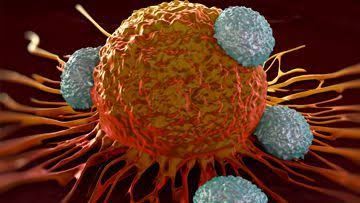
Categories of Solid Tumors in Children
Solid tumors in children can be categorized based on their origin, histological characteristics, and the tissues or organs they affect. Here are the main categories:
1. Neuroblastoma
Neuroblastoma is one of the most common solid tumors in childhood, primarily affecting infants and young children. It originates from neural crest cells and typically arises in the adrenal glands or along the sympathetic nervous system pathway. The tumor can vary significantly in behavior, ranging from spontaneous regression to aggressive metastatic disease.
2. Wilms Tumor
Wilms tumor, also known as nephroblastoma, is a kidney cancer that primarily affects children aged 3 to 4 years. It usually presents as an abdominal mass and is often diagnosed through imaging studies. Treatment typically involves surgery followed by chemotherapy and sometimes radiation therapy.
3. Rhabdomyosarcoma
Rhabdomyosarcoma is a soft tissue sarcoma that arises from mesenchymal cells and can occur in various locations throughout the body, including the head and neck, genitourinary tract, and extremities. It is most commonly diagnosed in children under 5 years of age.
4. Osteosarcoma
Osteosarcoma is a malignant bone tumor that predominantly affects adolescents and young adults. It typically occurs around the knee or upper arm bones and requires aggressive treatment involving surgery and chemotherapy.
5. Ewing Sarcoma
Ewing sarcoma is another type of bone cancer that primarily affects older children and adolescents. It can arise in bone or soft tissue and often presents with localized pain or swelling.
6. Hepatoblastoma
Hepatoblastoma is a rare liver cancer that usually occurs in very young children, particularly those under 3 years old. Symptoms may include abdominal swelling or pain, jaundice, or weight loss.
7. Germ Cell Tumors
Germ cell tumors can develop in various locations but are most commonly found in the gonads (testes or ovaries). They can also occur extragonadally (outside the gonads), such as in the mediastinum or brain.
8. Retinoblastoma
Retinoblastoma is a rare eye cancer that typically develops in early childhood, affecting the retina of one or both eyes. Early detection is crucial for preserving vision and preventing metastasis.
These categories encompass a range of solid tumors seen in pediatric patients, each requiring specific diagnostic approaches and treatment strategies tailored to their unique characteristics.
Recognizing the Manifestations of Different Solid Tumors in Children
Solid tumors in children can manifest through a variety of symptoms, which often depend on the tumor’s location, size, and type. Here’s a detailed overview of the manifestations associated with different types of solid tumors commonly found in pediatric patients.
1. Adrenocortical Carcinoma Symptoms
Adrenocortical carcinoma primarily affects children between the ages of 1 and 4. Symptoms may include:
- Pain in the back or abdomen: This can be persistent and may worsen over time.
- A lump or feeling of fullness in the belly: This is often due to the tumor’s size.
- High blood pressure: Elevated blood pressure can occur due to hormonal changes.
- Hormonal changes: These may lead to symptoms such as acne, excessive body hair growth (hirsutism), accelerated growth rates, deepening of the voice, and enlarged genitalia.
2. Digestive System Cancer Symptoms
Cancers affecting the digestive system can present with:
- Belly pain: This is often a primary symptom that prompts further investigation.
- Changes in bowel habits: Such as constipation or diarrhea.
- Unexplained weight loss and loss of appetite: These are common indicators of underlying illness.
- Blood in stool: This could indicate bleeding within the gastrointestinal tract.
- Digestive neuroendocrine tumors specifically may cause:
- Pain resembling appendicitis
- Fever
- Nausea and vomiting
- Diarrhea
- Symptoms related to carcinoid syndrome if hormones like serotonin are overproduced.
3. Nasopharyngeal Carcinoma Symptoms
This type typically occurs in older children and presents with:
- Nasal congestion or stuffiness: Persistent nasal issues that do not resolve.
- Nosebleeds: Frequent or unexplained nosebleeds can be a sign.
- Pain in various areas: Including head, ear, mouth, throat, neck, or jaw.
- Vision or speech problems: These may arise if the tumor affects surrounding structures.
4. Melanoma and Other Skin Cancer Symptoms
Melanoma manifests as changes in moles or skin lesions:
- Changes in size, shape, color, or border appearance of existing moles.
- The mole may become itchy or bleed.
5. Thyroid Carcinoma Symptoms
Thyroid cancer often presents with:
- A lump in the neck: This is usually one of the first noticeable signs.
- Changes affecting breathing or speaking: Due to pressure on surrounding structures.
- Altered energy levels: Fatigue may be more pronounced than usual.
6. Pleuropulmonary Blastoma Symptoms
This rare tumor primarily affects lung tissue and can cause:
- Coughing and trouble breathing: Persistent respiratory issues are common.
- Increased susceptibility to lung infections: Due to compromised lung function.
In summary, recognizing these symptoms early is crucial for timely diagnosis and treatment. If any concerning signs persist without improvement, it is essential for caregivers to consult healthcare providers for further evaluation.
Basic Investigations, Complications, and General Management for Children with Solid Tumors
Basic Investigations
The initial evaluation of children with suspected solid tumors involves a comprehensive approach that includes:
- History and Physical Examination: A thorough medical history and physical examination are crucial. This includes assessing symptoms such as pain, weight loss, fever, or any palpable masses.
- Imaging Studies:
- Ultrasound: Often the first imaging modality used to evaluate abdominal masses.
- Computed Tomography (CT) Scan: Provides detailed cross-sectional images of the body and is essential for staging and determining the extent of disease.
- Magnetic Resonance Imaging (MRI): Particularly useful for brain tumors or soft tissue lesions due to its superior soft tissue contrast.
- Positron Emission Tomography (PET) Scan: Sometimes used in conjunction with CT to assess metabolic activity of tumors.
- Laboratory Tests:
- Complete Blood Count (CBC): To check for anemia or signs of infection.
- Biochemical Markers: Specific tumor markers may be assessed depending on the type of suspected tumor (e.g., alpha-fetoprotein for hepatoblastoma, beta-hCG for germ cell tumors).
- Tissue Biopsy: Definitive diagnosis usually requires histological confirmation through a biopsy, which can be performed via needle aspiration or surgical excision.
- Genetic Testing: In certain cases, genetic testing may be warranted to identify hereditary syndromes associated with specific tumors.
Complications
Children with solid tumors can experience various complications related to both the tumor itself and its treatment:
- Local Complications:
- Compression of adjacent structures leading to pain or dysfunction (e.g., urinary obstruction from abdominal masses).
- Metastasis to regional lymph nodes or distant organs.
- Systemic Complications:
- Fever and neutropenia due to bone marrow infiltration or chemotherapy-induced myelosuppression.
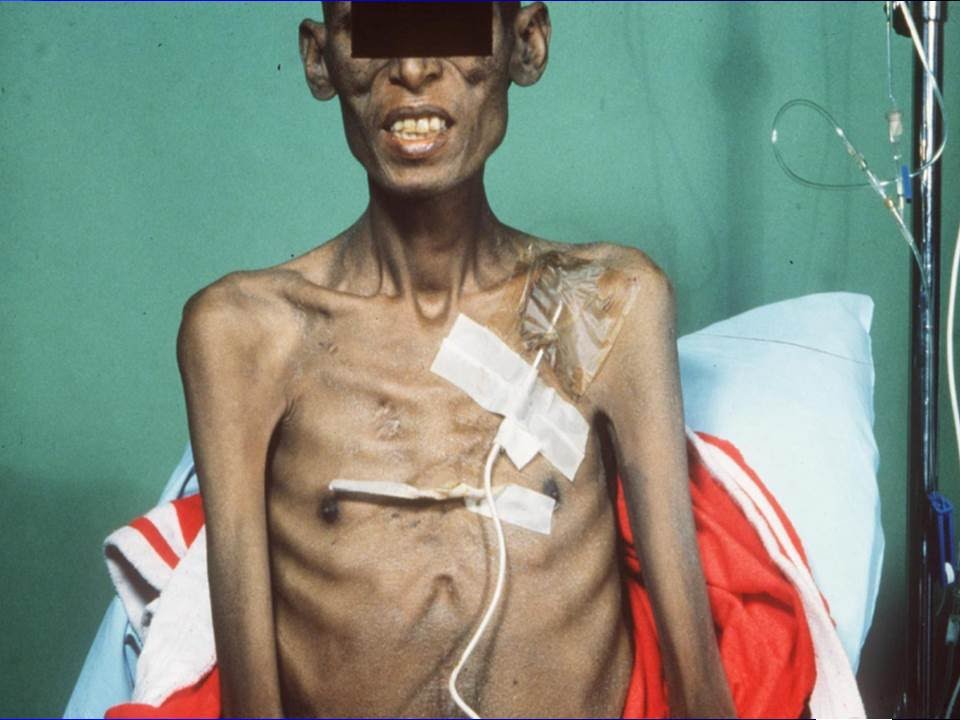
- Malnutrition resulting from increased metabolic demands or treatment side effects.
- Treatment-Related Complications:
- Chemotherapy can lead to nausea, vomiting, hair loss, mucositis, and increased risk of infections.
- Radiation therapy may cause skin reactions, fatigue, and long-term effects like growth abnormalities or secondary malignancies.
- Psychosocial Impact:
- Emotional distress related to diagnosis and treatment can affect both the child and family dynamics.
- Long-Term Effects:
- Survivors may face late effects such as endocrine dysfunctions, cardiovascular issues, or secondary cancers due to previous treatments.
General Management
Management strategies for children with solid tumors typically involve a multidisciplinary approach:
- Surgical Intervention:
- Surgery is often the primary treatment modality aimed at complete resection of the tumor when feasible.
- Chemotherapy:
- Systemic chemotherapy is frequently employed either as neoadjuvant therapy (before surgery) to shrink tumors or adjuvant therapy (after surgery) to eliminate residual disease.
- Radiation Therapy:
- Used selectively based on tumor type and location; it may be part of curative intent treatment or palliative care.
- Supportive Care:
- Management of side effects from treatments including antiemetics for nausea, growth factors for neutropenia, and nutritional support.
- Follow-Up Care:
- Regular follow-up is essential for monitoring recurrence and managing late effects of treatment through survivorship programs that address physical health as well as psychosocial needs.
- Palliative Care Services:
- For advanced cases where curative treatment is not possible, palliative care focuses on improving quality of life through symptom management and psychological support.
In summary, managing pediatric solid tumors requires an integrated approach involving accurate diagnosis through investigations, addressing potential complications proactively, and employing a combination of surgical, chemotherapeutic, radiotherapeutic interventions along with supportive care tailored to each child’s needs.