Food Sources, Requirement, Absorption, Distribution, and Excretion of Iron, Vitamin B12, and Folic Acid
(a) Iron
- Food Sources:
- Iron is found in two forms in food: heme iron and non-heme iron. Heme iron is primarily found in animal products such as red meat, poultry, and fish. Non-heme iron is found in plant-based foods like lentils, beans, tofu, spinach, and fortified cereals.
- Requirement:
- The recommended dietary allowance (RDA) for iron varies by age, sex, and life stage. For adult men, the RDA is about 8 mg per day; for adult women aged 19-50 years, it is 18 mg per day due to menstrual losses; after menopause, it drops to 8 mg per day. Pregnant women require about 27 mg per day.
- Absorption:
- Iron absorption occurs mainly in the duodenum of the small intestine. Heme iron is absorbed more efficiently than non-heme iron. Factors that enhance absorption include vitamin C and certain acids (like citric acid), while calcium and polyphenols can inhibit absorption.
- Distribution:
- Once absorbed into the bloodstream, iron binds to transferrin for transport to various tissues. It is stored in the liver as ferritin or hemosiderin when not immediately needed.
- Excretion:
- The body has no active mechanism for excreting excess iron; instead, regulation occurs through absorption control in the intestines. Small amounts are lost through feces, urine, sweat, and skin cells.
(b) Vitamin B12
- Food Sources:
- Vitamin B12 (cobalamin) is primarily found in animal products such as meat (especially liver), fish, eggs, dairy products (milk and cheese), and fortified foods like cereals.
- Requirement:
- The RDA for adults is approximately 2.4 micrograms per day. Pregnant women require about 2.6 micrograms daily while lactating women need around 2.8 micrograms.
- Absorption:
- Vitamin B12 absorption requires intrinsic factor (IF), a glycoprotein produced by gastric parietal cells. Ingested B12 binds to IF in the stomach and forms a complex that facilitates absorption in the ileum of the small intestine.
- Distribution:
- After absorption, vitamin B12 enters circulation bound to transcobalamin II for transport to tissues where it is utilized or stored primarily in the liver.
- Excretion:
- Excess vitamin B12 is excreted through urine; however, significant quantities are rarely lost since the body stores large amounts of this vitamin.
(c) Folic Acid
- Food Sources:
- Folic acid (vitamin B9) is found naturally in leafy green vegetables (spinach), legumes (beans), nuts, seeds, citrus fruits (oranges), and fortified grains such as bread and cereals.
- Requirement:
- The RDA for adults is about 400 micrograms of dietary folate equivalents (DFE) per day; pregnant women require about 600 micrograms DFE daily due to increased needs during fetal development.
- Absorption:
- Folic acid is absorbed mainly in the jejunum of the small intestine through a process that involves both passive diffusion and active transport mechanisms.
- Distribution:
- Once absorbed into circulation via portal blood flow to the liver and other tissues where it can be converted into its active form—tetrahydrofolate—for use in DNA synthesis and repair.
- Excretion:
- Excess folic acid can be excreted through urine; however, because it has a relatively low toxicity level compared to other vitamins when consumed from food sources or supplements within recommended limits.
The Role of Iron, Vitamin B12, and Folic Acid in Hematopoiesis
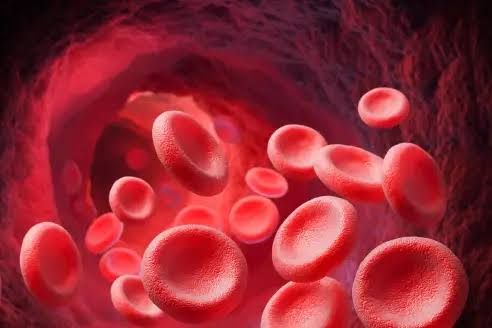
Hematopoiesis is the process by which blood cells are formed, including erythrocytes (red blood cells), leukocytes (white blood cells), and thrombocytes (platelets). This complex process occurs primarily in the bone marrow and requires a variety of nutrients to ensure proper cell production and function. Among these nutrients, iron, vitamin B12, and folic acid play critical roles.
1. Iron in Hematopoiesis
Iron is an essential mineral that is crucial for the synthesis of hemoglobin, the protein in red blood cells responsible for transporting oxygen throughout the body. During hematopoiesis, erythroblasts (precursors to red blood cells) require large amounts of iron to produce hemoglobin efficiently. The availability of iron directly influences the production rate of erythrocytes; insufficient iron can lead to anemia characterized by microcytic (small) and hypochromic (pale) red blood cells.
Iron is recycled from old or damaged red blood cells through a process called erythrophagocytosis, where macrophages engulf these cells and release iron back into circulation for reuse. Additionally, dietary intake of iron is vital; it can be found in heme form (from animal sources) or non-heme form (from plant sources). The body regulates iron absorption based on its needs, with increased absorption occurring during periods of heightened demand such as pregnancy or growth.
2. Vitamin B12 in Hematopoiesis
Vitamin B12 is another critical nutrient required for proper hematopoiesis. It plays a vital role in DNA synthesis and cell division. Specifically, vitamin B12 is necessary for the conversion of homocysteine to methionine, which is crucial for DNA methylation processes that regulate gene expression during cell division.
A deficiency in vitamin B12 can lead to megaloblastic anemia, where the bone marrow produces large immature red blood cells (megaloblasts) that cannot mature properly into functional erythrocytes. This results in fewer effective red blood cells being produced and leads to symptoms such as fatigue and weakness due to inadequate oxygen transport.
Vitamin B12 is primarily obtained from animal products such as meat, eggs, and dairy; thus, individuals following strict vegetarian or vegan diets may be at risk for deficiency unless they consume fortified foods or supplements.
3. Folic Acid in Hematopoiesis
Folic acid (or folate when referring to its natural form) is essential for nucleotide synthesis and thus plays a significant role in DNA replication and repair during cell division. Like vitamin B12, folic acid is critical during periods of rapid cell division such as fetal development and hematopoiesis.
A deficiency in folic acid can also result in megaloblastic anemia similar to that caused by vitamin B12 deficiency because both vitamins are involved in producing healthy red blood cells. Insufficient folate levels can impair DNA synthesis leading to abnormal cell division and maturation processes within the bone marrow.
Folic acid can be found abundantly in leafy green vegetables, legumes, nuts, and fortified grains. Pregnant women have increased folate requirements due to fetal development needs; hence adequate intake before conception and during pregnancy is crucial for preventing neural tube defects and other developmental issues.
Conclusion
In summary, iron, vitamin B12, and folic acid are indispensable components of hematopoiesis:
- Iron supports hemoglobin synthesis essential for oxygen transport.
- Vitamin B12 facilitates DNA synthesis necessary for proper cell division.
- Folic Acid aids nucleotide synthesis crucial for DNA replication.
Deficiencies in any of these nutrients can lead to significant hematological disorders such as anemia.
Clinical Consequences of Iron, Vitamin B12, and Folic Acid Deficiency
1. Iron Deficiency
Iron deficiency is one of the most common nutritional deficiencies worldwide and can lead to a range of clinical consequences primarily related to anemia. The body requires iron to produce hemoglobin, the protein in red blood cells that carries oxygen.
- Anemia: The most significant consequence of iron deficiency is iron-deficiency anemia (IDA). Symptoms include fatigue, weakness, pallor, shortness of breath, and dizziness. In severe cases, it can lead to heart problems due to increased cardiac output as the heart works harder to supply oxygen.
- Cognitive Impairment: In children, iron deficiency can affect cognitive development and function. Studies have shown that it may lead to learning difficulties and behavioral issues.
- Immune Dysfunction: Iron plays a crucial role in maintaining a healthy immune system. Deficiency can impair immune responses, making individuals more susceptible to infections.
- Restless Legs Syndrome (RLS): Some studies suggest a link between low iron levels and RLS, characterized by uncomfortable sensations in the legs and an irresistible urge to move them.
2. Vitamin B12 Deficiency
Vitamin B12 is essential for red blood cell formation, neurological function, and DNA synthesis. Its deficiency can lead to several serious health issues:
- Megaloblastic Anemia: Similar to iron deficiency anemia but caused by impaired DNA synthesis leading to the production of large immature red blood cells (megaloblasts). Symptoms include fatigue, weakness, pale skin, and neurological symptoms such as numbness or tingling in the hands and feet.
- Neurological Issues: Vitamin B12 deficiency can cause irreversible nerve damage if not treated promptly. Symptoms may include memory loss, confusion, difficulty walking (ataxia), and mood disturbances such as depression or irritability.
- Glossitis and Mouth Ulcers: A swollen tongue (glossitis) and mouth ulcers are common oral manifestations of vitamin B12 deficiency.
- Increased Homocysteine Levels: Low levels of vitamin B12 can lead to elevated homocysteine levels in the blood, which is associated with an increased risk of cardiovascular diseases.
3. Folic Acid Deficiency
Folic acid (vitamin B9) is crucial for DNA synthesis and repair as well as cell division. Its deficiency has several clinical implications:
- Megaloblastic Anemia: Like vitamin B12 deficiency, folic acid deficiency also leads to megaloblastic anemia with similar symptoms including fatigue and weakness.
- Neural Tube Defects in Pregnancy: Folic acid is vital during pregnancy for fetal development. Insufficient folate levels increase the risk of neural tube defects such as spina bifida or anencephaly in newborns.
- Cardiovascular Risks: Similar to vitamin B12 deficiency, low folate levels can result in elevated homocysteine levels which are linked with cardiovascular disease risk.
- Cognitive Decline: There is evidence suggesting that folate deficiency may contribute to cognitive decline in older adults.
In summary, deficiencies in iron, vitamin B12, and folic acid have significant clinical consequences that affect hematological health (anemia), neurological function (cognitive impairment), immune response (increased susceptibility to infections), oral health (glossitis), pregnancy outcomes (neural tube defects), and cardiovascular health (elevated homocysteine).