
Genetic Bases for Sex Determination
Sex determination in humans is fundamentally governed by genetic mechanisms that involve the sex chromosomes, specifically the X and Y chromosomes. The process begins at fertilization when the genetic material from both parents combines to form a zygote, which will develop into an embryo. The combination of sex chromosomes inherited from each parent plays a crucial role in determining the biological sex of the offspring.
1. Chromosomal Composition
Humans typically have 23 pairs of chromosomes, including one pair of sex chromosomes. Females usually have two X chromosomes (XX), while males have one X and one Y chromosome (XY). This chromosomal difference is pivotal because it influences not only the development of sexual characteristics but also various physiological traits.
2. Role of the SRY Gene
The key player in male sex determination is the SRY (Sex-determining Region Y) gene located on the Y chromosome. Discovered in 1990, this gene initiates a cascade of genetic events that lead to the differentiation of bipotential gonads into testes. When present, SRY triggers the development of male reproductive structures; its absence leads to the formation of ovaries and female reproductive structures.
The SRY gene encodes a protein that acts as a transcription factor, activating other genes necessary for testis formation and subsequent male development. For instance, it promotes the expression of genes involved in testosterone production and inhibits pathways that would lead to female development.
3. Meiosis and Gamete Formation
Meiosis is essential for producing gametes (sperm and egg cells) that carry half the genetic information required for fertilization. In males, meiosis occurs in the testes and results in sperm cells that can carry either an X or a Y chromosome. In contrast, females produce egg cells that always carry an X chromosome since they possess two X chromosomes.
During fertilization, if a sperm carrying a Y chromosome fertilizes an egg (X), the resulting zygote will be XY, developing into a male. Conversely, if an X-carrying sperm fertilizes an egg, the zygote will be XX, leading to female development.
4. Additional Genetic Factors
Beyond SRY, several other genes contribute to sexual differentiation and development:
- SOX9: This gene is activated by SRY and plays a critical role in testis formation.
- DAX1: Located on the X chromosome, DAX1 can inhibit male development when expressed.
- WNT4: This gene is crucial for ovarian development and functions antagonistically to SRY during early embryonic stages.
These genes interact within complex regulatory networks that ensure proper sexual differentiation occurs based on chromosomal composition.
5. Implications for Disorders of Sexual Development
Understanding these genetic bases has significant implications for diagnosing and treating disorders related to sexual development (DSDs). Abnormalities in any part of this intricate system can lead to conditions where individuals may develop with atypical chromosomal configurations or ambiguous genitalia due to disruptions in normal hormonal signaling or gene expression patterns.
In summary, human sex determination is primarily dictated by genetic factors involving sex chromosomes and specific genes like SRY that orchestrate developmental pathways leading to male or female phenotypes.
Autosomal Dominant Inheritance
Autosomal dominant inheritance is a pattern of genetic transmission where only one copy of a mutated gene from an affected parent can cause the disease or trait to manifest in offspring. This means that if one parent carries the dominant allele for a particular trait or disorder, there is a 50% chance with each pregnancy that the child will inherit that allele and express the associated phenotype.
Key Characteristics of Autosomal Dominant Inheritance
- Single Gene Mutation: The condition is typically caused by mutations in a single gene located on one of the autosomes (non-sex chromosomes).
- Vertical Transmission: The trait tends to appear in every generation, as it can be passed from an affected parent to their child.
- Equal Gender Distribution: Both males and females are equally likely to be affected and can transmit the disorder to their offspring.
- Reduced Penetrance and Variable Expressivity: Not all individuals who inherit the mutated gene may exhibit symptoms (reduced penetrance), and those who do may show varying degrees of severity (variable expressivity).
Examples of Diseases with Autosomal Dominant Inheritance
- Huntington’s Disease
- Huntington’s disease is a neurodegenerative disorder caused by a mutation in the HTT gene located on chromosome 4. It is characterized by progressive motor dysfunction, cognitive decline, and psychiatric symptoms. Symptoms typically begin in mid-adulthood, leading to severe disability and ultimately death.
- The inheritance pattern shows that an affected individual has a 50% chance of passing the mutated gene to each child.
- Marfan Syndrome
- Marfan syndrome results from mutations in the FBN1 gene on chromosome 15, which encodes fibrillin-1, a protein essential for connective tissue integrity. Individuals with Marfan syndrome often exhibit tall stature, long limbs, cardiovascular issues (such as aortic dilation), and ocular problems (like lens dislocation).
- Like Huntington’s disease, Marfan syndrome follows an autosomal dominant pattern where an affected person has a 50% chance of transmitting the condition to their offspring.
- Neurofibromatosis Type 1 (NF1)
- NF1 is caused by mutations in the NF1 gene located on chromosome 17. It leads to skin changes such as café-au-lait spots, neurofibromas (benign tumors), and potential complications like learning disabilities or increased risk for certain cancers.
- The condition exhibits variable expressivity; some individuals may have mild symptoms while others experience significant health challenges.
- Achondroplasia
- Achondroplasia is a common form of skeletal dysplasia caused by mutations in the FGFR3 gene on chromosome 4. It results in disproportionate short stature due to abnormal bone growth.
- Affected individuals have a 50% chance of passing this condition on to their children; however, it also has implications for reproductive choices since homozygous individuals (inheriting two copies) often do not survive infancy.
- Familial Hypercholesterolemia
- This genetic disorder affects cholesterol metabolism due to mutations in genes responsible for LDL receptor function (most commonly LDLR). Individuals with familial hypercholesterolemia have elevated levels of low-density lipoprotein cholesterol from birth, leading to early cardiovascular disease.
- The inheritance follows an autosomal dominant pattern; thus, each child has a 50% risk of inheriting the condition if one parent is affected.
Conclusion
In summary, autosomal dominant inheritance plays a crucial role in various genetic disorders characterized by specific phenotypic expressions passed through generations with significant implications for family planning and medical management. Understanding these patterns aids healthcare professionals in providing accurate genetic counseling and support for affected families.
Autosomal Recessive Inheritance
Autosomal recessive inheritance is a genetic pattern where two copies of a mutated gene must be present for an individual to express a particular trait or disorder. This means that both parents must carry at least one copy of the mutated gene, although they themselves may not show any symptoms of the disorder. The genes involved are located on one of the 22 pairs of autosomes (non-sex chromosomes).
Mechanism of Inheritance
In autosomal recessive disorders, each parent contributes one allele (gene variant) to their child. If both alleles are mutated, the child will manifest the disease. If only one allele is mutated, the child will be a carrier but typically will not exhibit symptoms. The probabilities associated with this inheritance pattern can be summarized as follows:
- There is a 25% chance (1 in 4) that the child will inherit two normal alleles and be unaffected.
- There is a 50% chance (1 in 2) that the child will inherit one normal allele and one mutated allele, becoming a carrier.
- There is a 25% chance (1 in 4) that the child will inherit two mutated alleles and thus express the disorder.
This pattern highlights how carriers can pass on genetic conditions without being affected themselves.
Examples of Autosomal Recessive Disorders
Several well-known diseases follow this inheritance pattern:
- Sickle Cell Disease
- Sickle cell disease is caused by a mutation in the HBB gene on chromosome 11, which leads to abnormal hemoglobin production. Individuals with sickle cell disease have red blood cells that assume a rigid, sickle-like shape, causing blockages in blood vessels and leading to pain crises, increased risk of infections, and other serious complications. It is particularly prevalent among individuals of African descent.
- Cystic Fibrosis
- Cystic fibrosis results from mutations in the CFTR gene located on chromosome 7. This disorder causes thick mucus production that clogs airways and obstructs pancreatic function, leading to respiratory issues and difficulties in digesting food. It predominantly affects individuals of European ancestry.
- Tay-Sachs Disease
- Tay-Sachs disease is caused by mutations in the HEXA gene on chromosome 15, leading to harmful accumulation of GM2 gangliosides in nerve cells. This condition primarily affects individuals with Ashkenazi Jewish heritage and results in severe neurological impairment and early death.
- Gaucher Disease
- Phenylketonuria (PKU)
- PKU is caused by mutations in the PAH gene on chromosome 12 that lead to an inability to metabolize phenylalanine properly. If untreated, it can result in intellectual disability and other serious health problems.
Conclusion
Understanding autosomal recessive inheritance is crucial for genetic counseling and risk assessment for families who may carry these genetic disorders. Screening programs are available for many autosomal recessive diseases to identify carriers before they have children.
Sex-Linked Inheritance
Sex-linked inheritance refers to the transmission of traits or disorders that are associated with genes located on the sex chromosomes, primarily the X chromosome in humans. This type of inheritance is particularly significant because it affects males and females differently due to their differing chromosomal compositions. Males have one X and one Y chromosome (XY), while females have two X chromosomes (XX). Consequently, many genetic disorders linked to the X chromosome manifest more frequently in males.
Types of Sex-Linked Inheritance
- X-Linked Recessive Inheritance: This is the most common form of sex-linked inheritance. In this scenario, a single recessive allele on the X chromosome can cause a disorder in males, who possess only one X chromosome. Females, having two X chromosomes, would need two copies of the recessive allele to express the disorder.
- Example: Hemophilia A: Hemophilia A is a bleeding disorder caused by a mutation in the gene encoding clotting factor VIII. Since this gene is located on the X chromosome, males who inherit this mutated gene will exhibit symptoms of hemophilia because they do not have a second X chromosome that could potentially carry a normal copy of the gene. Females can be carriers if they have one normal and one mutated copy; they typically do not show symptoms unless both X chromosomes carry the mutation.
- Example: Duchenne Muscular Dystrophy (DMD): DMD is another severe condition linked to an X-linked recessive gene. It results from mutations in the dystrophin gene, which is crucial for muscle function. Affected boys usually show symptoms early in childhood, such as difficulty walking and muscle weakness. Female carriers may experience mild symptoms due to random X-inactivation but generally do not suffer from severe manifestations of the disease.
- X-Linked Dominant Inheritance: This occurs when a single copy of a dominant allele on one of the X chromosomes causes a disorder. Both males and females can be affected, but males often exhibit more severe symptoms due to having only one X chromosome.
- Example: Fragile X Syndrome: Fragile X syndrome is caused by an expansion of CGG repeats in the FMR1 gene on the X chromosome. It leads to intellectual disability and developmental delays primarily affecting males more severely than females due to their single copy of the affected gene.
- Y-Linked Inheritance: While less common than X-linked disorders, some traits are passed down through Y-linked inheritance, which affects only males since only they possess a Y chromosome.
- Example: Y Chromosome Infertility: Certain genetic conditions related to male infertility are linked to deletions or mutations on specific regions of the Y chromosome. These conditions can lead to issues with sperm production and overall fertility.
Inheritance Patterns
The patterns of inheritance for sex-linked traits differ significantly between genders:
- For an X-linked recessive trait, if a mother is a carrier (one affected allele) and has children with an unaffected father:
- There is a 25% chance for each child to be healthy boys.
- There is a 25% chance for each child to be boys with hemophilia or DMD.
- There is a 25% chance for each child to be healthy girls.
- There is a 25% chance for each child to be carrier girls without showing disease symptoms.
- If an affected father has children with an unaffected mother:
- All daughters will be carriers (50% chance).
- All sons will be healthy (0% chance).
This pattern illustrates how male offspring are at greater risk for expressing these disorders due to their single copy of the X chromosome.
Conclusion
Understanding sex-linked inheritance provides critical insights into genetic counseling and risk assessment for families affected by these conditions. The unique characteristics associated with sex chromosomes underscore why certain diseases predominantly affect males while allowing females often to act as carriers without displaying symptoms themselves.
Mitochondrial Inheritance and Related Diseases
Mitochondrial inheritance refers to the transmission of genetic material found in mitochondria, which are the energy-producing organelles within cells. Unlike nuclear DNA, which is inherited from both parents, mitochondrial DNA (mtDNA) is exclusively inherited from the mother. This unique pattern of inheritance has significant implications for understanding various mitochondrial diseases.
Understanding Mitochondrial DNA
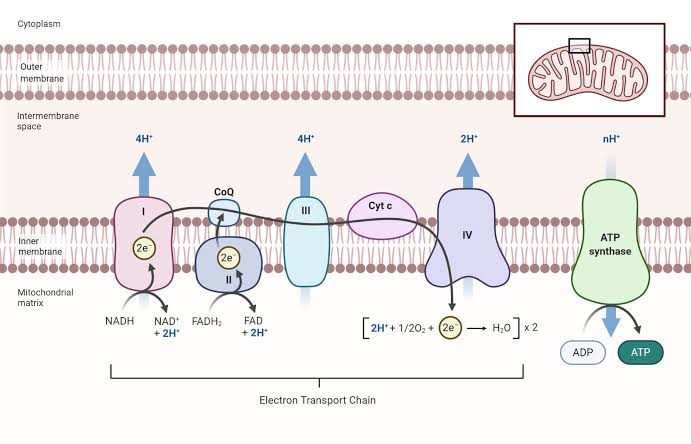
Mitochondria contain their own circular DNA, which encodes essential proteins involved in the electron transport chain and ATP production. Mutations in mtDNA can lead to a variety of mitochondrial disorders that affect energy metabolism. Since mitochondria are present in nearly every cell type, these disorders can manifest in multiple organ systems, particularly those with high energy demands such as the brain, heart, and muscles.
Examples of Mitochondrial Inheritance Disorders
- Leber Hereditary Optic Neuropathy (LHON):
- LHON is one of the most well-known mitochondrial diseases caused by mutations in mtDNA. It primarily affects young adults and leads to sudden vision loss due to optic nerve degeneration. The condition is inherited matrilineally; if a mother carries a mutation associated with LHON, all her children may inherit it, but only males typically express symptoms due to additional factors influencing penetrance.
- Mitochondrial Encephalomyopathy, Lactic Acidosis, and Stroke-like episodes (MELAS):
- MELAS is characterized by a combination of neurological symptoms (such as seizures and stroke-like episodes), lactic acidosis, and myopathy. It results from mutations in mtDNA that impair oxidative phosphorylation. Like LHON, MELAS follows maternal inheritance patterns; affected mothers can pass on the disorder to all their offspring.
- Myoclonic Epilepsy with Ragged Red Fibers (MERRF):
- MERRF presents with myoclonus (muscle twitching), epilepsy, ataxia (loss of coordination), and ragged red fibers observed in muscle biopsy samples. This condition is also caused by mutations in mtDNA and follows maternal inheritance patterns. Symptoms can vary widely among individuals even within the same family due to heteroplasmy—the presence of both normal and mutated mtDNA within cells.
- Neuropathy, Ataxia, and Retinitis Pigmentosa (NARP):
- NARP syndrome involves neurological symptoms such as peripheral neuropathy and ataxia along with visual impairment due to retinitis pigmentosa. This disorder arises from specific mtDNA mutations that affect ATP synthesis and exhibits maternal inheritance.
- Kearns-Sayre Syndrome (KSS):
- KSS is characterized by progressive external ophthalmoplegia (weakness of eye muscles), cardiac conduction defects, and pigmentary retinopathy. It results from large deletions in mtDNA and follows maternal inheritance patterns as well.
Conclusion
The study of mitochondrial inheritance provides crucial insights into how certain genetic conditions are passed down through generations exclusively via maternal lines. Understanding these patterns helps inform diagnosis, management strategies for affected individuals, and genetic counseling for families at risk.
Multifactorial Inheritance: An Overview
Multifactorial inheritance refers to the genetic mechanism where multiple factors, both genetic and environmental, contribute to the development of a trait or health condition. This type of inheritance is particularly significant in understanding complex diseases and traits that do not follow simple Mendelian patterns. Unlike single-gene disorders, multifactorial traits arise from the interplay of several genes and various environmental influences.
Key Characteristics of Multifactorial Inheritance
- Combination of Factors: Multifactorial traits are influenced by a combination of multiple genes (polygenic) and non-genetic factors such as lifestyle, nutrition, exposure to toxins, and other environmental elements.
- Family History: These conditions often run in families due to shared genetic components. The risk of developing a multifactorial condition increases with the closeness of the relationship to an affected family member. For example, if a sibling has a certain condition, the risk for another sibling is higher compared to that for a cousin.
- Sex Differences: Certain multifactorial conditions may affect one sex more than the other. For instance, some disorders may be more prevalent in males than females or vice versa.
- Variable Expression: The expression of multifactorial traits can vary widely among individuals even within the same family due to different combinations of genetic and environmental factors.
Examples of Multifactorial Diseases
- Neural Tube Defects (NTDs):
- NTDs such as spina bifida and anencephaly are significant examples of multifactorial inheritance. These defects occur when the neural tube does not close properly during early fetal development.
- Genetic predisposition plays a role; however, environmental factors like maternal diabetes and folic acid deficiency also significantly influence their occurrence.
- The CDC recommends that women take 4 mg (4,000 mcg) of folic acid before conception and during early pregnancy to reduce the risk of NTDs.
- Diabetes Mellitus:
- Both Type 1 and Type 2 diabetes exhibit multifactorial inheritance patterns.
- Type 1 diabetes has strong genetic links but is also influenced by autoimmune responses triggered by environmental factors such as viral infections.
- Type 2 diabetes is primarily associated with lifestyle factors (obesity, physical inactivity) alongside genetic susceptibility.
- Cancers:
- Various cancers such as breast cancer, prostate cancer, and colorectal cancer are influenced by multiple genes along with lifestyle choices (diet, smoking) and environmental exposures (radiation).
- For example, mutations in BRCA1 and BRCA2 genes increase breast cancer risk significantly; however, lifestyle factors also play a crucial role in overall risk assessment.
- Cardiovascular Diseases:
- Conditions like hypertension (high blood pressure) and high cholesterol levels are influenced by both genetic predispositions and lifestyle choices such as diet and exercise.
- Family history can indicate increased risks for these conditions due to shared genetics combined with similar lifestyles among family members.
- Mental Health Disorders:
- Disorders such as schizophrenia and bipolar disorder have been shown to have multifactorial origins involving both hereditary factors and environmental triggers (stressful life events).
- Genetic studies suggest that multiple genes contribute to these disorders’ risks while psychosocial factors can exacerbate symptoms or onset.
- Asthma:
- Asthma is another condition characterized by multifactorial inheritance where genetic predisposition interacts with environmental triggers like allergens, pollution, or respiratory infections.
- Family history can increase susceptibility; however, exposure to certain environments can either mitigate or exacerbate symptoms.
- Height:
- Height is determined by numerous genes along with nutritional status during childhood.
- While genetics sets potential height ranges based on parental heights, nutrition plays a critical role in achieving that potential.
In summary, multifactorial inheritance encompasses a wide range of diseases where both genetic makeup and environmental influences converge to determine health outcomes. Understanding this complexity aids in better management strategies for prevention and treatment across various medical fields.