Development and Functions of Fetal Membranes
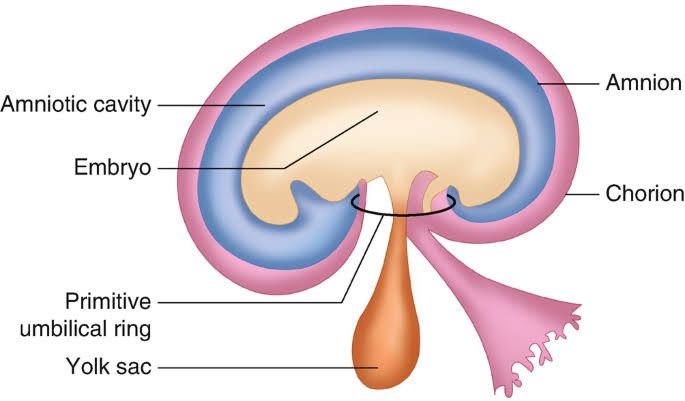
Fetal membranes are critical structures that develop during pregnancy, providing essential support and protection to the developing embryo and fetus. The main fetal membranes include the chorion, amnion, yolk sac, umbilical cord, and allantois. Each of these structures has distinct developmental pathways and functions.
1. Chorion
The chorion is the outermost membrane surrounding the embryo. It develops from trophoblast cells of the blastocyst shortly after implantation into the uterine wall. The chorion plays several key roles:
- Protection: It acts as a protective barrier for the developing embryo.
- Nutrient Exchange: The chorion contributes to forming the placenta, which facilitates nutrient and gas exchange between maternal blood and fetal blood.
- Hormonal Production: It produces hormones such as human chorionic gonadotropin (hCG), which helps maintain pregnancy by signaling the corpus luteum to continue producing progesterone.
2. Amnion
The amnion is a thin membrane that forms around the embryo, creating a fluid-filled cavity known as the amniotic cavity. This structure develops from mesodermal layers and is crucial for several reasons:
- Cushioning: The amniotic fluid provides cushioning against mechanical shocks, protecting the fetus from injury.
- Temperature Regulation: It helps maintain a stable temperature within the womb.
- Facilitating Movement: The fluid allows for fetal movement, which is important for musculoskeletal development.
3. Yolk Sac
The yolk sac is one of the first structures to form during embryonic development. It arises from extraembryonic mesoderm and endoderm layers. Its functions include:
- Early Nutrient Supply: In early stages before placental circulation is established, it provides nutrients to the developing embryo.
- Hematopoiesis: The yolk sac is involved in early blood cell formation (hematopoiesis) before this function shifts to other organs like the liver.
- Germ Cell Development: It plays a role in forming primordial germ cells that will eventually migrate to the gonads.
4. Umbilical Cord
The umbilical cord connects the fetus to the placenta and consists of two arteries and one vein encased in Wharton’s jelly. Its development occurs from mesodermal tissue during early gestation. Key functions include:
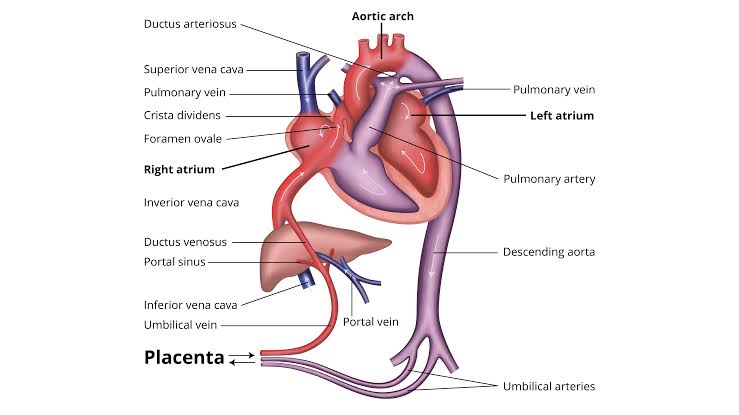
- Nutrient Transport: The umbilical vein carries oxygenated blood rich in nutrients from the placenta to the fetus.
- Waste Removal: The umbilical arteries transport deoxygenated blood with metabolic waste products back to the placenta for disposal.
- Structural Support: It provides structural support while allowing movement of the fetus within the amniotic cavity.
5. Allantois
The allantois is an embryonic structure that forms as an outpouching of the hindgut during early development. Its significance includes:
- Waste Storage: Initially serves as a storage site for nitrogenous waste products produced by the developing embryo.
- Vascularization Contribution: Contributes to forming blood vessels in conjunction with other membranes, particularly aiding in establishing connections between fetal circulation and placental circulation.
- Formation of Umbilical Cord Structures: Partly contributes to forming parts of the umbilical cord.
In summary, these fetal membranes—chorion, amnion, yolk sac, umbilical cord, and allantois—are integral components of embryonic development that provide protection, facilitate nutrient exchange, support growth, and ensure proper waste management throughout gestation.
Birth Injuries Related to Amniotic Fluid
Amniotic fluid plays a crucial role in fetal development during pregnancy, providing cushioning and protection for the fetus. However, complications related to amniotic fluid levels can lead to serious birth injuries. The two primary conditions associated with amniotic fluid that can result in birth injuries are oligohydramnios (low amniotic fluid) and amniotic fluid embolism (AFE).
Oligohydramnios
Oligohydramnios is characterized by an insufficient amount of amniotic fluid surrounding the fetus. This condition can arise from several factors, including:
- Inadequate Production: If the fetus’s kidneys or lungs do not produce enough urine or fluid, it can lead to low levels of amniotic fluid.
- Rupture of Membranes: Premature rupture of membranes (PROM) can cause a significant loss of amniotic fluid before labor begins.
- Placental Issues: Conditions such as placental abruption, where the placenta detaches from the uterine wall prematurely, can also reduce amniotic fluid levels.
The consequences of oligohydramnios can be severe and may include:
- Compression Injuries: Low levels of amniotic fluid increase the risk of compression on the umbilical cord, which can lead to reduced blood flow and oxygen supply to the fetus. This situation may result in brain damage or other neurological impairments due to hypoxia (lack of oxygen).
- Pulmonary Hypoplasia: Insufficient amniotic fluid can hinder lung development in the fetus, leading to underdeveloped lungs (pulmonary hypoplasia), which is a serious condition that affects breathing after birth.
- Deformities: Oligohydramnios is associated with limb deformities and facial deformities due to compression against the uterine wall, known as “compression syndromes” or “potter’s sequence.”
Amniotic Fluid Embolism (AFE)
Amniotic fluid embolism is a rare but life-threatening complication that occurs when amniotic fluid enters the maternal bloodstream during labor or shortly after delivery. Although AFE primarily poses risks to the mother, it can also affect the newborn in various ways:
- Hypoxia: If AFE leads to maternal cardiovascular collapse or respiratory failure, it may necessitate an emergency delivery. In such cases, if the baby is delivered without adequate oxygenation during this critical period, it could suffer from brain injury due to lack of oxygen.
- Neurological Impairments: Babies born after an AFE event may experience neurological impairments if they were deprived of oxygen for any length of time during delivery.
Both oligohydramnios and AFE highlight how critical proper management and monitoring of amniotic fluid levels are during pregnancy and childbirth. Regular prenatal checkups are essential for identifying potential issues early on.
In summary, birth injuries related to abnormal amniotic fluid levels primarily stem from oligohydramnios leading to compression injuries and pulmonary issues, as well as complications arising from AFE that affect both maternal health and neonatal outcomes.
Overview of Amnion and Chorion
1. Structure and Function of the Amnion
The amnion is the innermost layer of the fetal membranes, which surrounds the developing embryo and fetus. It is a thin, avascular membrane that contains no blood vessels of its own. Instead, it relies on the chorionic and amniotic fluid for nutrients and oxygen. The amnion is characterized by two types of epithelial cells: cuboidal cells located at the periphery and columnar cells near the placenta. During early pregnancy, its surface is sparsely covered with microvilli, which increase in number as pregnancy progresses. These microvilli are associated with a glycocalyx that plays a role in lipid synthesis within the amniotic cavity.
The primary function of the amnion is to provide a protective environment for the fetus. It contains amniotic fluid, which cushions the fetus from mechanical shocks, maintains a constant temperature, and allows for fetal movement, which is crucial for musculoskeletal development. Additionally, it helps prevent adhesions between fetal tissues.
2. Structure and Function of the Chorion
The chorion is the outer layer of the fetal membranes and plays a critical role in establishing a connection between the mother and fetus. It consists of fibrous tissue that houses fetal blood vessels and forms chorionic villi on its surface to maximize contact area with maternal blood. This structure facilitates nutrient and gas exchange between maternal blood and fetal circulation.
The chorion also serves as a barrier separating maternal tissues from fetal tissues at a mechanical level. It interacts with maternal decidua (the uterine lining during pregnancy) to modulate local immune responses, allowing for tolerance of the semi-allogeneic fetus while protecting against potential infections.
As pregnancy progresses, particularly towards term, both membranes undergo changes that prepare them for labor. The chorion expresses various chemicals that regulate prostaglandin synthesis—hormones essential for initiating labor—while also ensuring proper balance in their metabolism.
Developmental Aspects
Both membranes originate from trophoblast cells during early embryonic development. Initially separated by chorionic fluid, they fuse around the 12th week of gestation to form a continuous protective layer around the fetus.
In summary, the amnion provides direct protection to the fetus through cushioning provided by amniotic fluid, while the chorion facilitates vital exchanges between mother and fetus, supporting overall fetal health throughout gestation.
Formation and Function of Amniotic Fluid
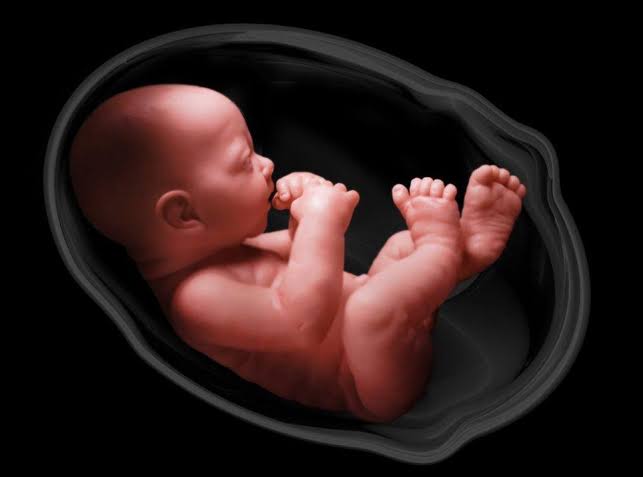
Amniotic fluid is a vital component of the amniotic sac, which surrounds and protects the developing fetus during pregnancy. The formation of amniotic fluid begins early in gestation and continues throughout the pregnancy, playing several crucial roles in fetal development.
Formation of Amniotic Fluid
- Early Development: Amniotic fluid is first produced by the amniotic membrane, which is formed from the inner cell mass of the blastocyst. Initially, this fluid is derived from maternal plasma through transudation (the process by which fluids pass through a membrane). This occurs around the second week of gestation.
- Fetal Contribution: As the fetus develops, particularly after approximately 20 weeks of gestation, it begins to contribute to the volume of amniotic fluid through urine production. The kidneys start functioning around this time, and fetal urine becomes a significant source of amniotic fluid. Additionally, fetal lung secretions also contribute to the composition and volume of amniotic fluid.
- Composition Changes: The composition of amniotic fluid changes throughout pregnancy. Early on, it primarily consists of water and electrolytes; however, as gestation progresses, it contains proteins, carbohydrates, lipids, hormones, and various cells shed from the fetus.
- Volume Regulation: The volume of amniotic fluid is regulated by a balance between production and absorption. Fetal swallowing plays a role in this regulation; fetuses swallow amniotic fluid which is then absorbed into their gastrointestinal tract.
Functions of Amniotic Fluid
Amniotic fluid serves several critical functions essential for healthy fetal development:
- Protection: The primary role of amniotic fluid is to act as a cushion for the fetus. It absorbs shocks from external forces and protects against injury from bumps or movements.
- Temperature Regulation: Amniotic fluid helps maintain a stable temperature around the fetus, insulating it from heat loss and providing a controlled environment conducive to development.
- Infection Control: The fluid contains antibodies that help protect against infections that could harm both mother and baby.
- Developmental Support:
- Lung Development: The fetus practices breathing by inhaling and exhaling amniotic fluid, which aids in lung maturation.
- Digestive System Development: Swallowing amniotic fluid stimulates digestive system growth.
- Muscle and Bone Development: The buoyancy provided by amniotic fluid allows for free movement within the womb, promoting proper muscle tone and bone growth.
- Lubrication: Amniotic fluid prevents adhesion between fetal body parts (such as fingers and toes), reducing risks like webbing that can occur with low levels of fluid.
- Umbilical Cord Support: Adequate levels of amniotic fluid prevent compression of the umbilical cord, ensuring continuous nutrient and oxygen supply from the placenta to the fetus.
Yolk Sac and Umbilical Cord explained
The yolk sac and umbilical cord are two critical structures in early embryonic development, each serving distinct yet interconnected roles in supporting the embryo during its initial stages of growth.
(a) Yolk Sac: Structure and Function
The yolk sac is a membranous structure that forms early in pregnancy, typically around the second week of gestation. It is one of the first structures visible via ultrasound, appearing as a round or pear-shaped pouch located within the gestational sac. The yolk sac plays several essential roles:
- Nutritional Support: Before the placenta is fully developed, the yolk sac provides nourishment to the embryo. It contains cells that facilitate nutrient transfer from the mother to the developing embryo.
- Gas Exchange: The yolk sac also aids in gas exchange, allowing oxygen and carbon dioxide to circulate between the mother and embryo.
- Hematopoiesis: The yolk sac is involved in early blood cell formation (hematopoiesis), producing blood cells that will later be incorporated into the developing circulatory system.
- Developmental Role: As pregnancy progresses, much of the yolk sac is absorbed by the developing embryo, contributing to structures such as parts of the gastrointestinal tract.
The size and shape of the yolk sac can provide important diagnostic information about pregnancy health. A normal yolk sac measures approximately 3 to 5 millimeters in diameter; deviations from this range can indicate potential complications such as miscarriage or miscalculated gestational age.
(b) Umbilical Cord: Structure and Function
The umbilical cord develops later in pregnancy but is crucial for sustaining fetal life once it forms. It typically begins to develop around week five of gestation and serves several vital functions:
- Connection Between Mother and Fetus: The umbilical cord connects the fetus to the placenta, which is attached to the uterine wall. This connection allows for nutrient uptake, waste elimination, and gas exchange between maternal blood and fetal blood.
- Vascular Structure: The umbilical cord contains two arteries and one vein:
- Umbilical Vein: Carries oxygen-rich blood from the placenta to the fetus.
- Umbilical Arteries: Carry deoxygenated blood from the fetus back to the placenta for reoxygenation.
- Protection and Support: The cord is surrounded by a gelatinous substance called Wharton’s jelly, which protects blood vessels from compression during pregnancy.
- Growth Indicator: The length of the umbilical cord can vary significantly among pregnancies but typically measures about 50-60 centimeters at term. Abnormal lengths may be associated with certain complications during delivery or fetal development.
As pregnancy progresses towards term (around weeks 14-20), both structures undergo significant changes; while the yolk sac diminishes as its functions are taken over by other systems (primarily by placental circulation), the umbilical cord continues to grow and develop until birth.
In summary, both the yolk sac and umbilical cord are integral components of early embryonic development, facilitating nutrition, gas exchange, and overall growth before transitioning their roles primarily through placental support as gestation advances.