Restrictive lung disease is a condition characterized by a decrease in the total volume of air that the lungs can hold, often due to reduced elasticity of the lung tissue or issues with the expansion of the chest wall during inhalation.
Acute Restrictive Lung Disease and Acute Respiratory Distress Syndrome (ARDS)
Principles of Acute Restrictive Lung Disease
Acute restrictive lung disease is characterized by a decrease in lung compliance, leading to reduced lung volumes and impaired gas exchange. This condition can arise from various causes, including pulmonary edema, pneumonia, atelectasis, and interstitial lung diseases. The hallmark of restrictive lung disease is the inability to fully expand the lungs during inhalation, which results in decreased total lung capacity (TLC) and vital capacity (VC).
The mechanisms underlying acute restrictive lung disease involve inflammation and injury to the alveolar-capillary membrane. This injury can lead to increased permeability of the membrane, resulting in fluid accumulation in the alveoli (pulmonary edema), impaired surfactant function, and subsequent atelectasis. The inflammatory response also contributes to fibrosis and scarring of lung tissue over time.
Identifying Acute Respiratory Distress Syndrome (ARDS)
ARDS is a specific type of acute restrictive lung disease that occurs due to various insults such as sepsis, trauma, pneumonia, or aspiration. It is defined by the following criteria:
- Timing: ARDS typically develops within one week of an insult.
- Chest Imaging: Bilateral opacities on chest X-ray or CT scan that are not fully explained by pleural effusion or lobar pneumonia.
- Respiratory Failure: Severe respiratory distress requiring mechanical ventilation or supplemental oxygen.
- Hypoxemia: A PaO2/FiO2 ratio less than 300 mmHg indicates varying degrees of ARDS severity:
- Mild ARDS: 200 mmHg < PaO2/FiO2 ≤ 300 mmHg
- Moderate ARDS: 100 mmHg < PaO2/FiO2 ≤ 200 mmHg
- Severe ARDS: PaO2/FiO2 ≤ 100 mmHg
In adults, ARDS can be triggered by direct lung injury (e.g., pneumonia) or indirect lung injury (e.g., sepsis). In newborns, a similar condition known as Neonatal Respiratory Distress Syndrome (NRDS) often arises due to surfactant deficiency but can also result from infections or meconium aspiration.
Pathophysiology of ARDS
The pathophysiological process begins with an initial injury that leads to an inflammatory response characterized by the release of cytokines and recruitment of neutrophils to the lungs. This results in:
- Increased Permeability: The alveolar-capillary barrier becomes more permeable due to endothelial and epithelial cell damage.
- Pulmonary Edema: Fluid leaks into the alveoli, impairing gas exchange.
- Atelectasis: Collapse of alveoli occurs due to loss of surfactant function and increased surface tension.
- Fibrosis: Prolonged inflammation may lead to fibrosis and remodeling of lung tissue.
Clinically, patients with ARDS present with rapid onset dyspnea, hypoxemia resistant to oxygen therapy, tachypnea, and often require mechanical ventilation for support.
In newborns presenting with NRDS, symptoms include grunting respirations, nasal flaring, retractions, and cyanosis shortly after birth. Diagnosis is typically confirmed through clinical assessment and imaging studies.
Management strategies for both adult ARDS and NRDS focus on supportive care including mechanical ventilation strategies aimed at minimizing ventilator-induced lung injury (VILI), optimizing oxygenation while avoiding hyperoxia.
In summary, acute restrictive lung disease encompasses conditions like ARDS that result from diverse etiologies leading to significant impairment in respiratory function characterized by reduced compliance and gas exchange abnormalities.
Pathology of Idiopathic Pulmonary Fibrosis
Idiopathic pulmonary fibrosis (IPF) is characterized by a complex interplay of pathological changes primarily affecting the lung parenchyma. The disease is defined histologically by the pattern known as usual interstitial pneumonia (UIP), which exhibits distinct features that can be observed both grossly and microscopically.
Gross Pathology
The gross examination of lungs affected by IPF reveals a characteristic pattern of fibrosis, predominantly located in the lower lobes with subpleural accentuation. This results in a distinctive appearance often described as “honeycombing.” Honeycombing refers to cystic spaces formed due to the destruction of normal lung architecture, leading to areas of airspace enlargement and fibrotic retraction. The pleural surface may appear bosselated or cobblestone-like, indicating significant underlying structural changes.
Microscopic Pathology
Microscopically, UIP is characterized by several key features:
- Temporal and Spatial Heterogeneity: UIP shows variability in the degree of fibrosis across different lung regions and at various stages within the same biopsy sample. This means that some areas may exhibit advanced fibrosis while others show only mild changes.
- Fibroblast Foci: These are clusters of activated fibroblasts that are central to the fibrotic process. They represent sites where there is active collagen deposition and contribute significantly to the scarring seen in IPF.
- Alveolar Damage: There is often evidence of damage to alveolar epithelial cells, particularly type II pneumocytes. This damage can lead to an abnormal repair process where epithelial cells undergo an epithelial-to-mesenchymal transition (EMT), contributing further to fibrosis.
- Inflammatory Infiltrate: While IPF is not primarily an inflammatory disease, there may be a mild inflammatory infiltrate consisting mainly of lymphocytes and plasma cells in some cases. However, this inflammation is typically less pronounced than in other interstitial lung diseases.
- Extracellular Matrix Changes: The extracellular matrix (ECM) becomes altered with increased deposition of collagen and other matrix components, which leads to stiffening and loss of elasticity in lung tissue.
- Vascular Changes: There may also be associated vascular remodeling, including changes in pulmonary vasculature that can contribute to pulmonary hypertension over time.
Pathophysiological Mechanisms
The pathogenesis of IPF involves multiple pathways that lead to aberrant wound healing processes following injury to the alveolar epithelium:
- Genetic Factors: Certain genetic predispositions have been identified that increase susceptibility to IPF, particularly mutations affecting surfactant proteins and telomere maintenance.
- Environmental Exposures: Factors such as smoking, occupational exposures (e.g., asbestos or silica), and viral infections have been implicated as potential triggers for initiating the fibrotic process.
- Profibrotic Pathways Activation: Various signaling pathways become activated during IPF progression, including those involving transforming growth factor-beta (TGF-β), which plays a crucial role in promoting fibroblast activation and ECM production.
In summary, idiopathic pulmonary fibrosis represents a complex interplay between genetic predisposition, environmental factors, and dysregulated cellular responses leading to progressive lung scarring characterized by specific histopathological features such as honeycombing and fibroblast foci within a backdrop of temporal and spatial heterogeneity.
Common Causes of Pulmonary Fibrosis with Emphasis on the Pathology of Sarcoidosis
Introduction to Pulmonary Fibrosis
Pulmonary fibrosis is a progressive lung disease characterized by the thickening and stiffening of lung tissue, which leads to a decline in lung function. The condition can result from various causes, including environmental exposures, autoimmune diseases, and certain medications. Understanding these causes is crucial for diagnosis and management.
Common Causes of Pulmonary Fibrosis
- Idiopathic Pulmonary Fibrosis (IPF): This is the most common form of pulmonary fibrosis, where the cause remains unknown despite extensive investigation. It typically affects older adults and is characterized by a gradual onset of symptoms such as shortness of breath and a persistent dry cough.
- Environmental Exposures: Long-term exposure to certain environmental factors can lead to pulmonary fibrosis. These include:
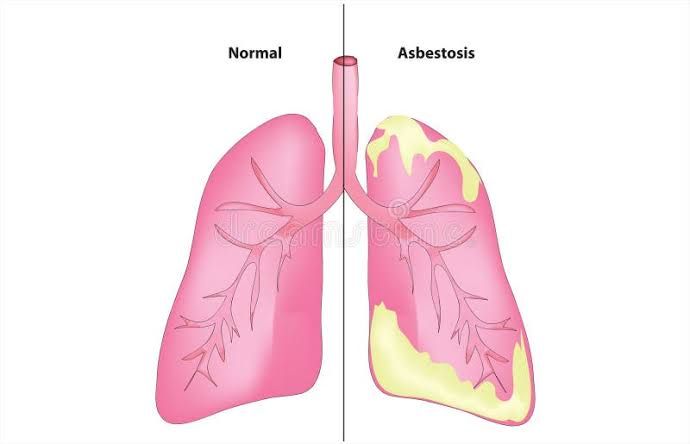
- Asbestos: Exposure to asbestos fibers can cause asbestosis, a type of pneumoconiosis that leads to pulmonary fibrosis.
- Silica Dust: Inhalation of silica dust in occupations such as mining or construction can result in silicosis, which is associated with fibrotic changes in the lungs.
- Coal Dust: Coal workers are at risk for coal worker’s pneumoconiosis (CWP), which can also lead to pulmonary fibrosis.
- Autoimmune Diseases: Several autoimmune conditions are linked to pulmonary fibrosis:
- Rheumatoid Arthritis (RA): Patients with RA may develop interstitial lung disease leading to fibrosis.
- Systemic Sclerosis (Scleroderma): This condition often involves lung involvement resulting in significant fibrotic changes.
- Lupus Erythematosus: Systemic lupus erythematosus can also affect lung tissue and contribute to fibrotic changes.
- Medications: Certain drugs have been implicated in causing pulmonary toxicity leading to fibrosis. Examples include:
- Chemotherapeutic agents like bleomycin.
- Antibiotics such as nitrofurantoin.
- Anti-inflammatory medications like methotrexate.
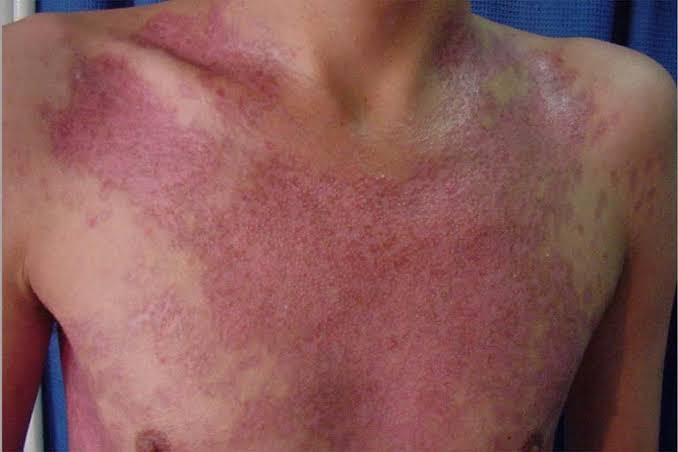
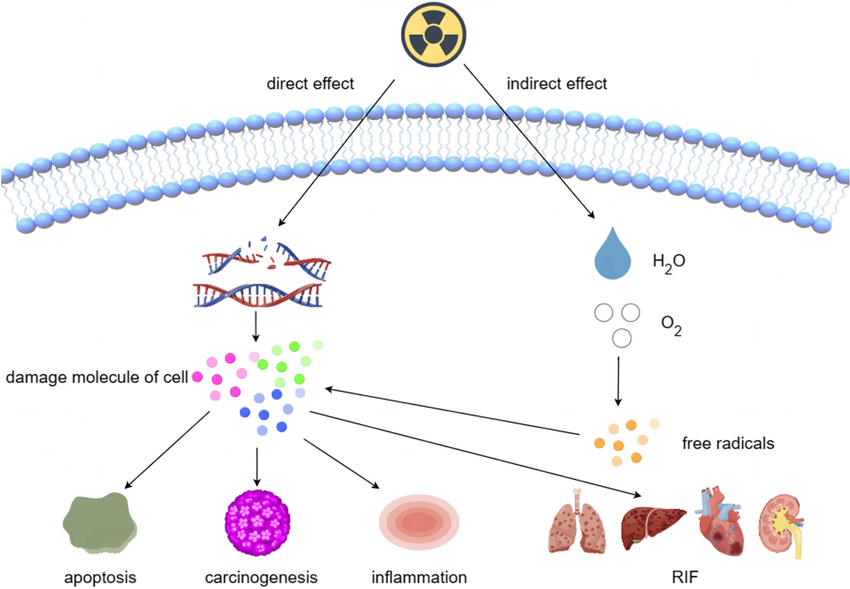
- Radiation Therapy: Patients who have undergone radiation therapy for cancers involving the chest may develop radiation-induced lung injury, which can progress to pulmonary fibrosis.
- Sarcoidosis: This is an important cause of pulmonary fibrosis that warrants detailed discussion due to its unique pathology.
Pathology of Sarcoidosis
Sarcoidosis is an inflammatory disease characterized by the formation of non-caseating granulomas—clusters of immune cells—in various organs, predominantly affecting the lungs. The exact etiology remains unclear but is thought to involve an exaggerated immune response possibly triggered by infectious agents or environmental factors.
- Granuloma Formation: In sarcoidosis, activated macrophages accumulate at sites of inflammation, leading to granuloma formation. These granulomas consist primarily of epithelioid cells (activated macrophages), multinucleated giant cells, lymphocytes, and fibroblasts.
- Immune Response: The immune response in sarcoidosis involves T-helper 1 (Th1) cells that secrete cytokines such as interferon-gamma (IFN-γ) and tumor necrosis factor-alpha (TNF-α). These cytokines promote further recruitment and activation of macrophages, perpetuating inflammation and granuloma formation.
- Fibrosis Development: Over time, persistent inflammation leads to fibroblast proliferation and excessive deposition of extracellular matrix components such as collagen within the lungs. This process results in scarring or fibrosis, which impairs gas exchange and reduces lung compliance.
- Clinical Manifestations: Patients with sarcoidosis may present with respiratory symptoms like cough and dyspnea due to interstitial involvement or may be asymptomatic with incidental findings on imaging studies showing bilateral hilar lymphadenopathy or reticular opacities indicative of fibrotic changes.
- Diagnosis and Management: Diagnosis often involves imaging studies (like chest X-rays or CT scans), bronchoscopy with biopsy for histological confirmation, and exclusion of other causes of granulomatous disease (e.g., tuberculosis). Treatment may include corticosteroids aimed at reducing inflammation; however, not all patients require treatment if they are asymptomatic or have mild disease.
In summary, while there are several common causes of pulmonary fibrosis—including idiopathic origins—sarcoidosis represents a significant contributor due to its unique pathological features involving granuloma formation leading ultimately to fibrotic changes in lung tissue.
Causes and Pathology of Pneumoconiosis
Pneumoconiosis is a type of interstitial lung disease that arises from the inhalation of various types of dust particles, primarily in occupational settings. The condition is characterized by lung inflammation and the formation of scar tissue due to the accumulation of these particles, which the lungs cannot effectively clear. Over time, this leads to progressive respiratory impairment.
Causes of Pneumoconiosis
The primary causes of pneumoconiosis are related to specific types of dust exposure in the workplace. The most common forms include:
- Coal Dust: Exposure to coal dust can lead to coal worker’s pneumoconiosis (CWP), commonly known as black lung disease. This occurs primarily among coal miners who inhale fine coal particles over extended periods.
- Silica Dust: Inhalation of crystalline silica, often found in industries such as mining, construction, and sandblasting, can result in silicosis, a form of pneumoconiosis that significantly increases the risk for other respiratory diseases.
- Asbestos Fibers: Asbestos exposure is linked to several serious health conditions, including asbestosis, which is a type of pneumoconiosis caused by inhaling asbestos fibers. This exposure is particularly dangerous due to its association with lung cancer and mesothelioma.
- Cotton Dust: Working in textile industries where cotton fibers are processed can lead to brown lung disease (byssinosis), another form of pneumoconiosis.
- Other Dusts: Additional substances such as diacetyl (associated with popcorn production) can also contribute to pneumoconiosis, leading to conditions like “popcorn lung.”
- Mixed Dusts: Workers exposed to a combination of different dust types may develop mixed-dust pneumoconiosis, which can complicate diagnosis and treatment.
Pathology of Pneumoconiosis
The pathology associated with pneumoconiosis involves several key processes:
- Dust Deposition and Inflammation: When inhaled dust particles reach the lungs, they trigger an inflammatory response. The body attempts to clear these foreign particles through immune mechanisms involving macrophages and other immune cells.
- Fibrosis Development: If the exposure continues or if the dust particles are not cleared effectively, chronic inflammation ensues, leading to fibrosis—scarring within the lung tissue. This scarring thickens the walls surrounding air sacs (alveoli) and blood vessels, impairing gas exchange.
- Nodule Formation: In simple forms of pneumoconiosis (like CWP), small nodules may form in the lungs that can be detected via chest X-rays or CT scans. These nodules represent localized areas where scarring has occurred due to persistent dust exposure.
- Progression to Complicated Disease: In more severe cases (progressive massive fibrosis or PMF), extensive scarring occurs throughout the lungs, leading to significant respiratory impairment and complications such as respiratory failure or heart issues due to increased pressure in pulmonary circulation.
- Symptoms Manifestation: The pathological changes lead to symptoms that vary based on severity but typically include cough, shortness of breath, and production of phlegm.
- Long-term Consequences: Chronic exposure can also predispose individuals to other serious conditions such as lung cancer or tuberculosis due to compromised lung function and structural integrity.
In summary, pneumoconiosis results from prolonged inhalation of harmful dusts leading to chronic inflammation and irreversible lung damage characterized by fibrosis and impaired respiratory function.
Causes and Pathology of Asbestosis and Mesothelioma
Causes of Asbestosis
Asbestosis is primarily caused by the inhalation of asbestos fibers, which are microscopic and can remain airborne for extended periods. The main causes include:
- Occupational Exposure: Individuals who work in industries such as construction, shipbuilding, manufacturing, mining, and automotive repair are at a higher risk due to prolonged exposure to asbestos dust. This risk was particularly significant before the 1970s when regulations on asbestos use were less stringent.
- Environmental Exposure: People living near asbestos mines or factories may also be exposed to airborne asbestos fibers.
- Secondary Exposure: Family members of workers who handle asbestos may be exposed through contaminated clothing or equipment brought home.
- Duration and Intensity of Exposure: The likelihood of developing asbestosis increases with the duration and intensity of exposure to asbestos fibers.
Pathology of Asbestosis
The pathology of asbestosis involves several key processes:
- Fiber Inhalation: When asbestos fibers are inhaled, they penetrate deep into the lungs, reaching the alveoli (the tiny air sacs where gas exchange occurs).
- Inflammation and Fibrosis: The presence of these foreign fibers triggers an inflammatory response in lung tissue. Macrophages (a type of immune cell) attempt to engulf the fibers but often fail due to their durability. This leads to chronic inflammation and subsequent fibrosis—scarring of lung tissue.
- Lung Function Impairment: Over time, the accumulation of scar tissue stiffens the lungs, reducing their ability to expand and contract properly. This results in symptoms such as shortness of breath, persistent cough, chest tightness, and reduced exercise tolerance.
- Long Latency Period: Symptoms typically do not appear until 10-40 years after initial exposure due to the slow progression of lung scarring.
Causes of Mesothelioma
Mesothelioma is a rare but aggressive cancer primarily associated with asbestos exposure. Its causes include:
- Asbestos Exposure: Similar to asbestosis, mesothelioma is predominantly caused by inhaling or ingesting asbestos fibers. The risk is highest among those who have worked directly with asbestos-containing materials.
- Types of Asbestos: All types of asbestos can cause mesothelioma; however, amphibole forms (such as amosite and crocidolite) are more strongly linked to this cancer than chrysotile (white asbestos).
- Environmental Factors: Non-occupational exposure can occur through living near industrial sites that use or dispose of asbestos improperly.
- Genetic Factors: Some studies suggest that genetic predisposition may play a role in an individual’s susceptibility to developing mesothelioma after exposure to asbestos.
- Latency Period: Like asbestosis, mesothelioma has a long latency period; symptoms may take 20-50 years post-exposure to manifest.
Pathology of Mesothelioma
The pathology involved in mesothelioma includes:
- Tumor Development: After inhalation or ingestion, asbestos fibers can become lodged in the pleura (the lining surrounding the lungs). These fibers induce cellular damage leading to mutations over time.
- Cellular Changes: The irritation caused by these fibers leads to abnormal cell growth within the pleura or peritoneum (the lining around abdominal organs), resulting in malignant tumors.
- Types of Mesothelioma:
- Pleural Mesothelioma: Affects the pleura surrounding the lungs.
- Peritoneal Mesothelioma: Affects the lining around abdominal organs.
- Pericardial Mesothelioma: Affects the lining around the heart (very rare).
- Symptoms and Progression: Symptoms often include chest pain, persistent cough, difficulty breathing, weight loss, and abdominal swelling (in peritoneal cases). The disease tends to progress rapidly once diagnosed due to its aggressive nature.
- Diagnosis Challenges: Due to its long latency period and nonspecific symptoms initially resembling other conditions, mesothelioma is often diagnosed at an advanced stage when treatment options are limited.
In summary, both asbestosis and mesothelioma are primarily caused by exposure to asbestos; however, they differ significantly in their pathology—whereas asbestosis leads primarily to lung scarring and respiratory issues over time, mesothelioma results in malignant tumor formation affecting various body linings with a more aggressive clinical course.
Pulmonary Hemorrhage Syndromes Leading to Pulmonary Fibrosis
Pulmonary hemorrhage syndromes are a group of conditions characterized by bleeding into the lung parenchyma, which can lead to significant respiratory complications, including pulmonary fibrosis. Understanding these syndromes involves recognizing their causes, pathophysiology, clinical manifestations, and potential outcomes.
1. Goodpasture’s Syndrome
Goodpasture’s syndrome is an autoimmune disorder that primarily affects the lungs and kidneys. It is characterized by the presence of anti-glomerular basement membrane (anti-GBM) antibodies that target type IV collagen found in the basement membranes of both renal glomeruli and alveoli.
- Pathophysiology: The binding of these antibodies leads to inflammation and damage to the alveolar-capillary membrane, resulting in pulmonary hemorrhage. The inflammatory process can also stimulate fibroblast proliferation and collagen deposition, contributing to pulmonary fibrosis over time.
- Clinical Manifestations: Patients typically present with hemoptysis (coughing up blood), dyspnea (shortness of breath), and renal failure. Diagnosis is confirmed through serological tests for anti-GBM antibodies and lung biopsy showing linear IgG deposits along the alveolar walls.
2. Wegener’s Granulomatosis (Granulomatosis with Polyangiitis)
Wegener’s granulomatosis is a small-vessel vasculitis that affects multiple organ systems, including the lungs, kidneys, and upper respiratory tract.
- Pathophysiology: This condition is associated with anti-neutrophil cytoplasmic antibodies (ANCA), particularly perinuclear ANCA (p-ANCA) or cytoplasmic ANCA (c-ANCA). The immune-mediated inflammation leads to necrotizing granulomas in the lungs, which can cause pulmonary hemorrhage. Chronic inflammation may result in scarring and fibrosis as a consequence of ongoing tissue injury.
- Clinical Manifestations: Symptoms include cough, hemoptysis, fever, weight loss, and sinusitis. Diagnosis often involves imaging studies revealing nodules or infiltrates in the lungs and confirmation through biopsy showing granulomatous inflammation.
3. Idiopathic Pulmonary Hemosiderosis
Idiopathic pulmonary hemosiderosis is a rare condition characterized by recurrent episodes of alveolar hemorrhage without an identifiable cause.
- Pathophysiology: The exact mechanism remains unclear; however, repeated bleeding into the alveoli leads to accumulation of hemosiderin-laden macrophages in lung tissue. Over time, this chronic injury can lead to fibrosis due to persistent inflammation and repair processes.
- Clinical Manifestations: Patients typically present with chronic cough, hemoptysis, dyspnea, and anemia due to iron deficiency from repeated blood loss. Diagnosis is made through bronchoalveolar lavage showing hemosiderin-laden macrophages and imaging studies revealing ground-glass opacities or reticular patterns suggestive of fibrosis.
4. Systemic Lupus Erythematosus (SLE)
SLE is an autoimmune disease that can involve multiple organ systems including the lungs.
- Pathophysiology: In SLE patients, pulmonary hemorrhage may occur due to vasculitis affecting pulmonary vessels or secondary effects from anticoagulant therapy used for thromboembolic events associated with antiphospholipid syndrome. Chronic inflammation can lead to fibrotic changes in lung tissue.
- Clinical Manifestations: Symptoms may include pleuritic chest pain, dyspnea, hemoptysis, and systemic symptoms like fatigue or joint pain. Diagnosis involves serological markers for SLE along with imaging studies showing interstitial lung disease patterns.
5. Antiphospholipid Syndrome
Antiphospholipid syndrome (APS) is characterized by thrombosis due to antiphospholipid antibodies but can also lead to pulmonary complications such as hemorrhage.
- Pathophysiology: In APS patients who develop pulmonary emboli or infarcts due to thrombosis in small vessels within the lungs may experience subsequent bleeding episodes leading to pulmonary hemorrhage. Repeated episodes can contribute to fibrotic changes as part of healing processes.
- Clinical Manifestations: Patients may present with sudden onset dyspnea or chest pain related to embolism alongside signs of systemic thrombotic events. Diagnosis includes detection of antiphospholipid antibodies along with clinical criteria for APS.
In summary, various pulmonary hemorrhage syndromes such as Goodpasture’s syndrome, Wegener’s granulomatosis, idiopathic pulmonary hemosiderosis, systemic lupus erythematosus, and antiphospholipid syndrome can lead to significant lung damage over time resulting in pulmonary fibrosis due to chronic inflammation and repair mechanisms following repeated injury.