Overview of Acute Sinusitis and Antibiotic Treatment
Acute sinusitis, also known as acute rhinosinusitis, is an inflammation of the sinuses that can occur due to viral infections, bacterial infections, or other factors. It is characterized by symptoms such as nasal congestion, facial pain or pressure, purulent nasal discharge, and sometimes fever. While most cases of acute sinusitis are viral and resolve without antibiotics, bacterial sinusitis can occur and may require antibiotic treatment.
First-Line Antibiotics for Moderate to Severe Acute Sinusitis
When bacterial sinusitis is suspected or confirmed in patients with moderate to severe symptoms, certain antibiotics are recommended as first-line treatments. The three commonly prescribed oral antibiotics for this condition include amoxicillin, trimethoprim-sulfamethoxazole (TMP-SMX), and doxycycline. Each of these antibiotics has specific characteristics that make them suitable for treating acute bacterial sinusitis.
- Amoxicillin
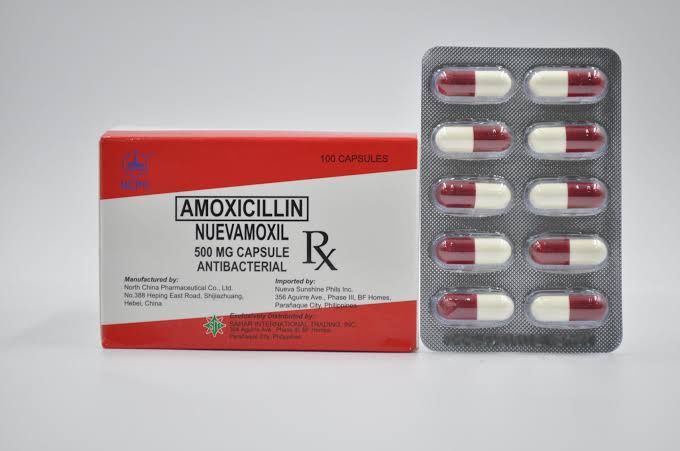
- Amoxicillin is a penicillin-type antibiotic that works by inhibiting the synthesis of bacterial cell walls. This action leads to the death of susceptible bacteria.
- It is often the first choice due to its effectiveness against common pathogens associated with sinusitis, including Streptococcus pneumoniae and Haemophilus influenzae.
- The typical duration of treatment ranges from 5 to 10 days depending on the severity of the infection and patient response.
- Trimethoprim-Sulfamethoxazole (TMP-SMX)
- TMP-SMX is a combination antibiotic that works synergistically to inhibit bacterial folic acid synthesis. Trimethoprim inhibits dihydrofolate reductase while sulfamethoxazole inhibits dihydropteroate synthase.
- This combination broadens the spectrum of activity against various bacteria that may cause sinus infections.
- TMP-SMX is particularly useful in patients who have a history of penicillin allergy; however, it should be noted that resistance patterns may vary geographically.
- Doxycycline
- Doxycycline is a tetracycline antibiotic that inhibits protein synthesis in bacteria by binding to the 30S ribosomal subunit.
- It has good coverage against many strains of bacteria responsible for sinusitis and is often used when there are concerns about resistance or in cases where patients cannot tolerate beta-lactam antibiotics like amoxicillin.
- Doxycycline can be given for a duration similar to other antibiotics (3 to 10 days), depending on clinical judgment.
Clinical Guidelines and Recommendations
The choice among these antibiotics depends on several factors including patient allergies, local resistance patterns, previous antibiotic use, and individual patient characteristics such as age and comorbidities. Clinical guidelines recommend initiating treatment with one of these first-line agents when symptoms persist beyond 10 days or worsen after initial improvement.
In summary, oral amoxicillin, trimethoprim-sulfamethoxazole, or doxycycline are effective first-line treatments for moderate to severe acute sinusitis when bacterial infection is suspected or confirmed. The duration typically ranges from 3 to 10 days based on clinical evaluation.
Conclusion
In conclusion, understanding the appropriate use of these antibiotics in treating acute sinusitis can help improve patient outcomes while minimizing unnecessary antibiotic use.
Interpretation of the Incidence of Penicillin-Resistant S. pneumoniae and Beta-Lactamase–Producing Organisms Causing Acute Sinusitis
Introduction
Acute sinusitis is a common condition that can be caused by various pathogens, including Streptococcus pneumoniae (S. pneumoniae) and other bacteria that produce beta-lactamase enzymes. The emergence of antibiotic resistance among these organisms poses significant challenges for treatment and public health.
Penicillin-Resistant S. pneumoniae
Penicillin-resistant S. pneumoniae (PRSP) refers to strains of this bacterium that have developed resistance to penicillin, a commonly used antibiotic for treating infections caused by S. pneumoniae. The incidence of PRSP has been increasing over the years, which can be attributed to several factors:
- Increased Antibiotic Use: Over-prescription and misuse of antibiotics in both human medicine and agriculture have contributed to the selection pressure that favors resistant strains.
- Genetic Adaptation: S. pneumoniae can acquire resistance genes through horizontal gene transfer, allowing them to adapt quickly to antibiotic pressure.
- Epidemiological Trends: Studies have shown a geographical variation in the prevalence of PRSP, with some communities experiencing higher rates due to local prescribing practices and population health dynamics.
- Clinical Implications: The rise in PRSP complicates treatment options for acute sinusitis, as standard therapies may be ineffective against these resistant strains.
Beta-Lactamase-Producing Organisms
Beta-lactamase enzymes are produced by certain bacteria, rendering them resistant to beta-lactam antibiotics, including penicillins and cephalosporins. The increase in beta-lactamase-producing organisms causing acute sinusitis can be explained by:
- Resistance Mechanisms: These organisms possess genetic determinants that enable them to produce enzymes capable of breaking down beta-lactam antibiotics before they can exert their antibacterial effects.
- Community Acquired Infections: Unlike hospital-acquired infections, community-acquired infections often involve different strains of bacteria that may have adapted to resist commonly prescribed antibiotics.
- Impact on Treatment Protocols: The presence of beta-lactamase-producing organisms necessitates the use of alternative or broader-spectrum antibiotics, which may not always be effective or could lead to further resistance development.
- Public Health Concerns: The increasing incidence of these resistant organisms raises concerns about the effectiveness of current treatment guidelines and highlights the need for ongoing surveillance and research into new therapeutic options.
Conclusion
The steady increase in penicillin-resistant S. pneumoniae and beta-lactamase–producing organisms causing acute sinusitis reflects broader trends in antibiotic resistance within the community setting. This situation underscores the importance of responsible antibiotic use, continuous monitoring of resistance patterns, and adaptation of clinical guidelines to ensure effective management of acute sinusitis.
Alternative Agents: Cefpodoxime, Cefuroxime, Cefdinir
1. Cefpodoxime
Cefpodoxime is a third-generation cephalosporin antibiotic that is primarily used to treat a variety of bacterial infections. It works by inhibiting the synthesis of the bacterial cell wall, leading to cell lysis and death. Cefpodoxime is effective against both gram-positive and gram-negative bacteria, making it a broad-spectrum antibiotic.
- Indications: It is commonly prescribed for respiratory tract infections, urinary tract infections (UTIs), skin infections, and certain types of pneumonia.
- Dosage and Administration: The typical dosage for adults ranges from 100 mg to 400 mg every 12 hours depending on the severity of the infection. It can be taken with or without food.
- Side Effects: Common side effects include diarrhea, nausea, vomiting, and allergic reactions such as rash or itching. Serious side effects may include Clostridium difficile-associated diarrhea.
2. Cefuroxime
Cefuroxime is a second-generation cephalosporin antibiotic that also targets a wide range of bacteria. Like other cephalosporins, it disrupts bacterial cell wall synthesis but has a slightly different spectrum of activity compared to cefpodoxime.
- Indications: It is often used to treat infections such as sinusitis, bronchitis, ear infections (otitis media), skin infections, and Lyme disease.
- Dosage and Administration: The usual adult dosage ranges from 250 mg to 500 mg taken twice daily. It can be administered orally or via injection.
- Side Effects: Side effects may include gastrointestinal disturbances like diarrhea and nausea, as well as potential allergic reactions. Rarely, it may cause more severe reactions like anaphylaxis.
3. Cefdinir
Cefdinir is another third-generation cephalosporin antibiotic known for its effectiveness against various bacterial pathogens. It shares similarities with cefpodoxime in terms of its mechanism of action but has distinct pharmacokinetic properties.
- Indications: Cefdinir is indicated for treating conditions such as community-acquired pneumonia, acute exacerbations of chronic bronchitis, sinusitis, pharyngitis/tonsillitis, and uncomplicated skin and skin structure infections.
- Dosage and Administration: The recommended dose for adults typically ranges from 300 mg taken twice daily or 600 mg once daily.
- Side Effects: Common side effects include diarrhea (which can be significant), nausea, headache, and rash. As with other antibiotics, there is a risk of Clostridium difficile infection.
In summary, while all three agents—Cefpodoxime, Cefuroxime, and Cefdinir—are cephalosporin antibiotics used to treat various bacterial infections through similar mechanisms targeting bacterial cell walls, they differ in their specific indications, dosing regimens, and side effect profiles.