Understanding the Technique of V/Q Scan
A V/Q scan, or ventilation/perfusion scan, is a nuclear imaging test used primarily to assess airflow (ventilation) and blood flow (perfusion) in the lungs. This two-part test is essential for diagnosing conditions such as pulmonary embolism (PE), which is a blockage in a lung artery caused by blood clots that can be life-threatening if not treated promptly.
Components of the V/Q Scan
- Ventilation Scan (V):
- In this part of the test, the patient inhales a small amount of radioactive gas or aerosol containing a tracer. This tracer helps visualize how air moves in and out of the lungs.
- A special camera captures images while the patient breathes in this tracer. The images produced show areas where air is flowing properly and areas where there may be blockages or reduced airflow.
- Perfusion Scan (Q):
- Following the ventilation scan, a radioactive tracer is injected into the patient’s bloodstream through an intravenous (IV) line.
- This tracer travels through the blood vessels in the lungs, allowing for imaging of blood flow patterns. The same type of camera used in the ventilation scan takes pictures to illustrate how well blood circulates through different regions of the lungs.
Procedure Steps
- Preparation: Generally, no special preparation is needed before undergoing a V/Q scan. However, patients may need to have a chest X-ray performed beforehand to provide additional context for interpreting results.
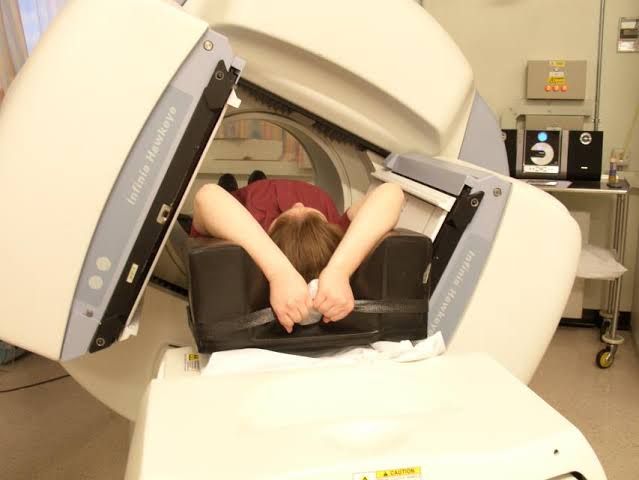
- Execution: The entire procedure typically lasts between 30 to 60 minutes. Patients will lie still on an examination table while images are captured during both scans.
- Post-Scan Process: After completing both parts of the scan, patients can return to their normal activities. The radioactive tracers used are eliminated from the body naturally over time through breathing and bodily waste.
Interpreting Results
The results from a V/Q scan can indicate whether there are abnormalities in airflow or blood flow within the lungs:
- Normal Results: Indicate that both air and blood flow are functioning correctly throughout both lungs.
- Abnormal Results: If there is a mismatch between ventilation and perfusion images, it may suggest conditions like pulmonary embolism or other lung diseases such as pneumonia or chronic obstructive pulmonary disease (COPD).
In summary, a V/Q scan is an effective diagnostic tool that provides critical information about lung function by assessing both airflow and blood circulation within the lungs.
Diagnosis of Pulmonary Embolism
The primary role of a V/Q scan is to help diagnose pulmonary embolism. When a patient presents with symptoms such as shortness of breath, chest pain, or coughing up blood, a V/Q scan can be ordered to assess whether there are any obstructions in the lung’s blood vessels. The test consists of two parts:
- Ventilation Scan: This part measures how well air moves into and out of the lungs by having the patient inhale a radioactive gas or aerosol.
- Perfusion Scan: In this part, a radioactive tracer is injected into a vein, allowing for imaging of blood flow within the lungs.
If there is an area where ventilation is normal but perfusion is reduced or absent, it suggests that there may be a blockage due to a PE.
Assessment of Lung Function
In addition to diagnosing PE, V/Q scans can also be used to assess lung function before surgical procedures or in patients with chronic lung diseases such as COPD. By evaluating both ventilation and perfusion, healthcare providers can gain insights into how well the lungs are functioning overall.
Comparison with Other Imaging Techniques
While CT pulmonary angiography (CTPA) has become more common for diagnosing PE due to its speed and accuracy, V/Q scans remain valuable particularly in specific populations. For instance:
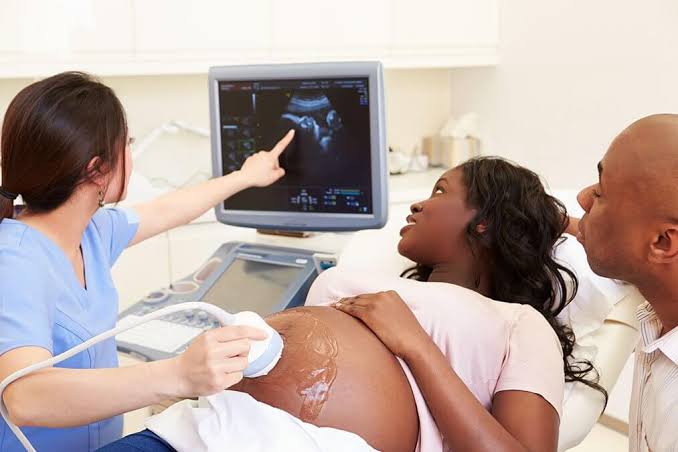
- Patients who are pregnant may be at higher risk from radiation exposure associated with CT scans; thus, V/Q scans may be preferred.
- In cases where CTPA cannot be performed due to allergies to contrast material or renal insufficiency, V/Q scans provide an alternative diagnostic tool.
Interpreting Results
The results from a V/Q scan can indicate various conditions:
- A normal result suggests that there are no significant issues with airflow or blood flow.
- An abnormal result could indicate potential PE if there’s mismatched ventilation and perfusion patterns.
- If results are inconclusive, further testing may be required.
Conclusion
In summary, the roles of V/Q scans in pulmonary embolism include diagnosing PE through assessment of ventilation and perfusion imbalances in the lungs, evaluating lung function prior to surgery or treatment for chronic lung diseases, and serving as an alternative imaging modality when other tests are contraindicated. The ability to visualize both airflow and blood flow makes it an essential tool in managing patients suspected of having pulmonary embolism.
Indications for V/Q Scan
A V/Q scan, or ventilation/perfusion scan, is primarily utilized in clinical settings to assess various lung conditions. The following are the key indications for performing a V/Q scan:
1. Diagnosis of Suspected Pulmonary Embolism (PE)
The most common indication for a V/Q scan is to diagnose pulmonary embolism, which is a blockage in one of the pulmonary arteries in the lungs usually caused by blood clots that travel from the legs (deep vein thrombosis). The V/Q scan helps visualize areas of the lung that are receiving air but not blood flow, indicating a potential PE.
2. Contraindications to CT Pulmonary Angiography (CTPA)
In patients who cannot undergo CT pulmonary angiography due to contraindications such as iodine allergy or renal insufficiency, a V/Q scan serves as an alternative diagnostic tool. It provides valuable information about blood flow and ventilation without exposing the patient to iodinated contrast material.
3. Monitoring Pulmonary Function Following Lung Transplant
V/Q scans can be used post-lung transplant to monitor lung function and detect any complications such as rejection or infection. By assessing both ventilation and perfusion, healthcare providers can evaluate how well the transplanted lungs are functioning.
4. Preoperative Assessment in Lung Cancer Patients
Before surgical procedures like pneumonectomy (removal of a lung), a V/Q scan may be performed to estimate lung function and ensure that sufficient lung capacity remains after surgery. This assessment helps in planning safe surgical interventions.
5. Evaluation of Chronic Thromboembolic Pulmonary Hypertension (CTEPH)
V/Q scans can also assist in diagnosing chronic thromboembolic pulmonary hypertension, which occurs when blood clots cause persistent high blood pressure in the lungs’ arteries. The scan helps identify areas of reduced blood flow due to previous emboli.
6. Assessment of Lung Function in Chronic Lung Diseases
In patients with chronic obstructive pulmonary disease (COPD) or other chronic lung diseases, V/Q scans can help evaluate how well air and blood are moving through the lungs, providing insight into disease severity and progression.
Comparison between V/Q Scan and CT Pulmonary Angiography
Introduction
Ventilation-perfusion (V/Q) scanning and computed tomographic pulmonary angiography (CTPA) are two primary imaging modalities used for diagnosing pulmonary embolism (PE). Each method has its own advantages and limitations, which can influence clinical decision-making.
Diagnostic Accuracy
CTPA has become the preferred method in many centers due to its ability to provide detailed images of blood vessels in the lungs. Studies have shown that CTPA has a sensitivity of approximately 83% to 97%, depending on the study design and population. However, it is important to note that CTPA may miss smaller emboli, particularly at the segmental and subsegmental levels. In contrast, V/Q scanning, especially when using single photon emission computed tomography (SPECT), has demonstrated improved sensitivity over traditional planar V/Q scans. SPECT V/Q can achieve sensitivities as high as 97%, making it a strong competitor to CTPA.
Safety and Risks
CTPA involves exposure to ionizing radiation and the use of contrast media, which carries risks such as allergic reactions and renal impairment. The radiation dose from CTPA is significantly higher than that from V/Q scans, raising concerns particularly for younger patients or those requiring multiple imaging studies. Conversely, V/Q scans generally have a lower radiation exposure profile, making them safer for certain populations.
Clinical Utility
CTPA provides not only information about PE but also allows for the assessment of other lung conditions such as aortic dissection or pneumonia. This multi-diagnostic capability can be advantageous in emergency settings where differential diagnoses are necessary. On the other hand, V/Q scanning is specifically tailored for evaluating ventilation and perfusion imbalances in the lungs related to PE.
Follow-Up Outcomes
In terms of follow-up outcomes after negative tests, studies indicate that both modalities have similar safety profiles regarding missed diagnoses of PE within three months post-evaluation. However, CTPA tends to diagnose more cases of PE compared to V/Q scanning; this raises concerns about potential overdiagnosis leading to unnecessary anticoagulation therapy.
Conclusion
In summary, CTPA is not inferior to V/Q scanning in ruling out pulmonary embolism, but it does come with higher risks associated with radiation exposure and contrast use. While CTPA may detect more cases of PE initially diagnosed, this could lead to overdiagnosis issues. Therefore, clinicians must weigh these factors when choosing between these imaging modalities based on individual patient circumstances.