Action Potential and Its Importance in Neuronal Signalling
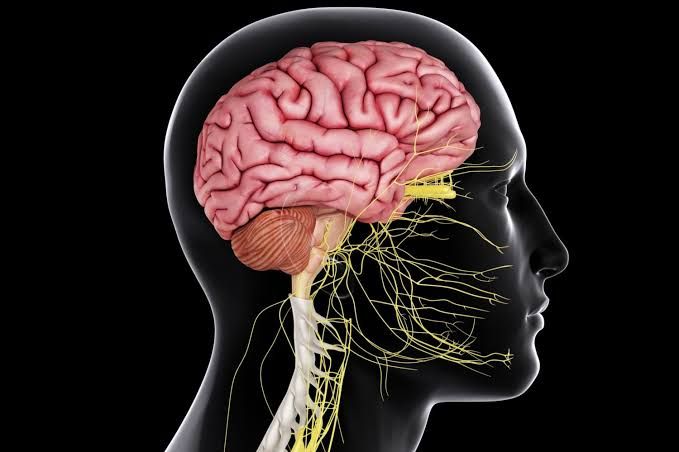
An action potential is a rapid, temporary change in the electrical membrane potential of a neuron. It is a fundamental process that allows neurons to communicate with each other and with other types of cells. The generation and propagation of action potentials are essential for various physiological functions, including muscle contraction, reflexes, and sensory perception.
Phases of Action Potential
The action potential can be divided into several distinct phases:
- Resting Membrane Potential: At rest, neurons maintain a resting membrane potential of approximately -70 mV. This state is primarily due to the distribution of ions across the neuronal membrane, particularly sodium (Na+), potassium (K+), chloride (Cl-), and organic anions (A-). The sodium-potassium pump actively transports Na+ out of the cell and K+ into the cell, contributing to this negative charge.
- Depolarization: When a neuron receives a stimulus strong enough to reach a threshold level (typically around -55 mV), voltage-gated sodium channels open. This allows Na+ ions to rush into the cell, causing the membrane potential to become more positive (depolarization). This phase is characterized by a rapid increase in voltage.
- Repolarization: After reaching its peak (around +30 mV), the sodium channels close, and voltage-gated potassium channels open. K+ ions exit the neuron, leading to repolarization as the membrane potential returns toward its resting state.
- Hyperpolarization: Often, the membrane potential temporarily becomes more negative than the resting potential due to prolonged opening of potassium channels before they close completely.
- Return to Resting State: Eventually, all ion channels return to their closed states, and the resting membrane potential is restored by the activity of ion pumps.
Propagation of Action Potentials
Once initiated at one segment of an axon, action potentials propagate along the axon without decrement due to local depolarization triggering adjacent segments of the membrane. This process occurs through two primary mechanisms:
- Continuous Conduction: In unmyelinated axons, action potentials propagate continuously along every segment of the membrane.
- Saltatory Conduction: In myelinated axons, action potentials jump from one node of Ranvier (gaps in myelin sheath) to another. This significantly increases conduction velocity and conserves energy for the neuron.
Importance in Neuronal Signalling
The action potential is crucial for neuronal signalling for several reasons:
- Communication Between Neurons: Action potentials allow neurons to transmit signals over long distances quickly and efficiently. When an action potential reaches the axon terminal, it triggers neurotransmitter release into synaptic clefts where they bind to receptors on adjacent neurons or target cells.
- Integration of Signals: Neurons receive multiple inputs from other neurons; whether an action potential will be generated depends on whether these inputs collectively reach threshold levels at the axon hillock.
- Information Encoding: The frequency and pattern of action potentials encode information about stimuli intensity or duration; stronger stimuli lead to higher firing rates.
- Role in Reflexes and Motor Control: Action potentials are integral in reflex arcs where sensory input leads directly to motor output without involving higher brain centers for immediate responses.
- Plasticity and Learning: Changes in how easily neurons fire action potentials can underlie learning processes through mechanisms such as long-term potentiation (LTP) or long-term depression (LTD).
In summary, action potentials are vital for neuronal communication as they enable rapid signal transmission across networks of neurons while also playing critical roles in processing information within those networks.
Different Neurotransmitters and Their Functions in the Brain
Neurotransmitters are essential chemical messengers that facilitate communication between neurons in the brain. Each neurotransmitter has specific functions and roles that contribute to various physiological and psychological processes. Below is a detailed discussion of some key neurotransmitters and their functions.
1. Acetylcholine (ACh)
Acetylcholine is one of the most well-known neurotransmitters, playing a crucial role in both the central nervous system (CNS) and peripheral nervous system (PNS). In the brain, acetylcholine is involved in several functions including:
- Muscle Movement: It triggers muscle contractions by transmitting signals from motor neurons to skeletal muscles.
- Memory and Learning: ACh is vital for cognitive functions such as attention, memory formation, and learning. Low levels of acetylcholine are associated with Alzheimer’s disease.
2. Dopamine
Dopamine is a monoamine neurotransmitter that plays multiple roles in the brain:
- Reward and Pleasure: Often referred to as the “feel-good” neurotransmitter, dopamine is released during pleasurable activities, reinforcing behaviors that lead to rewards.
- Motor Control: Dopamine is critical for coordinating smooth movements. Deficiencies can lead to Parkinson’s disease, characterized by tremors and rigidity.
- Regulation of Mood: Abnormal dopamine levels are linked to mood disorders such as depression and schizophrenia.
3. Serotonin
Serotonin is another important monoamine neurotransmitter with widespread effects on mood and behavior:
- Mood Regulation: It helps regulate mood, anxiety, and happiness. Low serotonin levels are often associated with depression.
- Sleep Patterns: Serotonin influences sleep cycles by regulating melatonin production.
- Appetite Control: It plays a role in appetite regulation, affecting feelings of hunger and satiety.
4. Norepinephrine (Noradrenaline)
Norepinephrine acts both as a hormone and a neurotransmitter:
- Fight-or-Flight Response: It prepares the body for action during stressful situations by increasing heart rate, blood pressure, and blood flow to muscles.
- Attention and Focus: Norepinephrine enhances alertness and focus; it plays a significant role in attention-deficit hyperactivity disorder (ADHD).
5. Gamma-Aminobutyric Acid (GABA)
GABA is the primary inhibitory neurotransmitter in the brain:
- Inhibition of Neural Activity: GABA reduces neuronal excitability throughout the nervous system, helping to prevent overstimulation which can lead to anxiety or seizures.
- Calming Effect: It promotes relaxation and reduces stress by inhibiting excessive neural activity.
6. Glutamate
Glutamate is the most abundant excitatory neurotransmitter in the CNS:
- Cognitive Functions: It plays a critical role in synaptic plasticity, which underlies learning and memory.
- Excitotoxicity Risk: Excessive glutamate can lead to excitotoxicity, potentially causing neuronal damage associated with conditions like stroke or neurodegenerative diseases.
7. Endorphins
Endorphins are neuropeptides that function as natural pain relievers:
- Pain Modulation: They inhibit pain signals within the nervous system.
- Euphoria Induction: Endorphins promote feelings of pleasure or euphoria often referred to as “runner’s high,” which occurs after prolonged physical activity.
8. Histamine
Histamine acts as a neurotransmitter primarily involved in immune responses but also has roles in the brain:
- Regulation of Sleep-Wake Cycle: Histamine promotes wakefulness; it affects arousal levels during sleep.
- Appetite Control: It also influences feeding behavior.
Each of these neurotransmitters contributes uniquely to brain function, influencing everything from basic survival mechanisms like heart rate regulation to complex behaviors such as learning, memory formation, mood regulation, and response to stressors.
Life Cycle of Acetylcholine and Norepinephrine
(a) Life Cycle of Acetylcholine
- Synthesis: Acetylcholine (ACh) is synthesized in the presynaptic neuron from acetyl-CoA and choline. The enzyme choline acetyltransferase (ChAT) catalyzes this reaction. Acetyl-CoA is derived from glucose metabolism, while choline can be obtained from dietary sources or synthesized in the liver.
- Storage: Once synthesized, ACh is stored in vesicles within the presynaptic terminal. These vesicles protect ACh from degradation and ensure its availability for release during neurotransmission.
- Release: When an action potential reaches the presynaptic terminal, voltage-gated calcium channels open, allowing calcium ions to enter the neuron. The influx of calcium triggers the fusion of ACh-containing vesicles with the presynaptic membrane, leading to exocytosis and the release of ACh into the synaptic cleft.
- Receptor Binding: ACh diffuses across the synaptic cleft and binds to nicotinic or muscarinic receptors on the postsynaptic membrane, depending on the type of synapse. This binding initiates a response in the postsynaptic cell, which may involve depolarization or other cellular effects.
- Termination: The action of ACh is terminated primarily by enzymatic degradation through acetylcholinesterase (AChE), which hydrolyzes ACh into acetate and choline. Choline is then taken back up into the presynaptic neuron via a high-affinity choline transporter for reuse in ACh synthesis.
(b) Life Cycle of Norepinephrine
- Synthesis: Norepinephrine (NE) is synthesized from tyrosine, an amino acid that can be obtained from dietary proteins or synthesized from phenylalanine. Tyrosine undergoes several enzymatic conversions: first to L-DOPA by tyrosine hydroxylase, then to dopamine by aromatic L-amino acid decarboxylase, and finally to norepinephrine by dopamine β-hydroxylase.
- Storage: NE is stored in vesicles within the presynaptic neuron’s terminal until it is needed for neurotransmission. These vesicles also contain proteins that help maintain an acidic environment necessary for NE storage.
- Release: Similar to ACh, when an action potential arrives at the presynaptic terminal, calcium channels open due to depolarization caused by sodium influx. Calcium entry prompts vesicle fusion with the membrane and subsequent release of NE into the synaptic cleft through exocytosis.
- Receptor Binding: Norepinephrine binds primarily to adrenergic receptors (alpha and beta types) located on postsynaptic neurons or target tissues such as smooth muscle or cardiac muscle cells, leading to various physiological responses like increased heart rate or vasoconstriction.
- Termination: The action of norepinephrine is terminated mainly through reuptake into the presynaptic neuron via norepinephrine transporters (NET). Once inside, NE can be repackaged into vesicles or metabolized by monoamine oxidase (MAO) or catechol-O-methyltransferase (COMT).
The life cycles of both acetylcholine and norepinephrine illustrate their complex roles as neurotransmitters in neuronal communication and physiological regulation.
Types of Drugs and Their Mechanisms of Action on the CNS
The central nervous system (CNS) is a complex network that regulates numerous bodily functions, and various drugs can affect this system in different ways. Understanding the mechanisms of action of these drugs is crucial for their therapeutic use and for predicting potential side effects. Below are the primary types of drugs affecting the CNS, categorized by their mechanisms of action, along with examples from each class.
1. Neurotransmitter Modulation
Neurotransmitters are chemical messengers that transmit signals across synapses in the brain. Many drugs act by modulating these neurotransmitters.
- Selective Serotonin Reuptake Inhibitors (SSRIs): These drugs increase serotonin levels in the synaptic cleft by inhibiting its reuptake into presynaptic neurons. This mechanism is commonly used to treat depression and anxiety disorders.
- Examples: Fluoxetine (Prozac), Sertraline (Zoloft).
- Dopamine Agonists: These drugs stimulate dopamine receptors directly, mimicking the action of dopamine. They are often used in treating Parkinson’s disease.
- Examples: Pramipexole, Ropinirole.
- GABAergic Drugs: These enhance the effect of gamma-aminobutyric acid (GABA), an inhibitory neurotransmitter, leading to sedation and anxiolytic effects.
- Examples: Benzodiazepines like Diazepam (Valium) and Lorazepam (Ativan).
2. Ion Channel Modulation
Certain drugs exert their effects by influencing ion channels that control neuronal excitability.
- Calcium Channel Blockers: These inhibit calcium influx through voltage-gated calcium channels, reducing neurotransmitter release and neuronal excitability.
- Examples: Gabapentin, Pregabalin.
- Sodium Channel Blockers: These prevent sodium ions from entering neurons during depolarization, which can stabilize neuronal membranes and reduce excitability.
- Examples: Phenytoin (Dilantin), Carbamazepine.
3. Receptor Antagonism
Some drugs work by blocking specific receptors in the CNS, preventing natural ligands from exerting their effects.
- Antipsychotics: Many antipsychotic medications act as antagonists at dopamine D2 receptors, which helps alleviate symptoms of schizophrenia.
- Examples: Risperidone, Olanzapine.
- Opioid Antagonists: These block opioid receptors to counteract the effects of opioid overdose or addiction.
- Examples: Naloxone (Narcan), Naltrexone.
4. Enzyme Inhibition
Certain drugs inhibit enzymes that break down neurotransmitters or other signaling molecules, thereby increasing their availability in the synaptic cleft.
- Acetylcholinesterase Inhibitors: By inhibiting acetylcholinesterase, these drugs increase levels of acetylcholine at synapses and are primarily used in treating Alzheimer’s disease.
- Examples: Donepezil (Aricept), Rivastigmine.
- Monoamine Oxidase Inhibitors (MAOIs): These inhibit monoamine oxidase enzymes responsible for breaking down neurotransmitters like serotonin and norepinephrine.
- Examples: Phenelzine, Tranylcypromine.
5. Modulation of Second Messenger Systems
Some CNS-active drugs influence intracellular signaling pathways that mediate cellular responses to neurotransmitters.
- Lithium Salts: Used primarily for bipolar disorder, lithium affects second messenger systems involving phosphoinositide metabolism and may stabilize mood by modulating neurotransmitter release.
- Antidepressants Affecting cAMP Pathways: Certain antidepressants may alter cyclic adenosine monophosphate (cAMP) signaling pathways involved in mood regulation.
In conclusion, various classes of drugs interact with the CNS through distinct mechanisms such as neurotransmitter modulation, ion channel modulation, receptor antagonism, enzyme inhibition, and modulation of second messenger systems. Each class has specific examples that illustrate how they function therapeutically within this complex system.
Differentiation of Agonists, Antagonists, Biased Agonists and Inverse Agonists
1. Agonists
Agonists are substances that bind to a receptor and activate it to produce a biological response. They mimic the action of a naturally occurring substance (ligand) in the body. For example, morphine is an agonist for opioid receptors, leading to pain relief. Agonists can be classified into full agonists and partial agonists. Full agonists activate receptors fully, producing maximum biological response, while partial agonists activate receptors but produce a lesser response compared to full agonists.
2. Antagonists
Antagonists are substances that bind to receptors but do not activate them; instead, they block or dampen the biological response that would normally occur upon activation by an agonist. They prevent the action of agonists by competing for binding sites on the receptor or by inducing conformational changes that inhibit receptor function. An example is naloxone, which acts as an antagonist at opioid receptors and is used to reverse opioid overdoses.
3. Biased Agonists
Biased agonists are a specific type of agonist that preferentially activates certain signaling pathways over others when binding to a receptor. This means they can produce distinct physiological effects compared to non-biased (or traditional) agonists. The concept of biased signaling allows for more targeted therapeutic effects with potentially fewer side effects. For instance, some biased agonists at beta-adrenergic receptors may promote cardiac function without causing unwanted side effects associated with other pathways activated by non-biased agonism.
4. Inverse Agonists
Inverse agonists are compounds that bind to the same receptor as an agonist but induce the opposite effect of what an agonist would cause. They stabilize the receptor in its inactive form and reduce its activity below baseline levels (the level observed in the absence of any ligand). A well-known example is certain benzodiazepines acting on GABA_A receptors where inverse agonism leads to anxiogenic effects rather than anxiolytic ones.
5. Summary of Differences
- Agonist: Activates receptor; produces biological response.
- Antagonist: Binds but does not activate; blocks biological response.
- Biased Agonist: Activates specific pathways preferentially; produces selective responses.
- Inverse Agonist: Binds and reduces activity below baseline; induces opposite effect of an agonist.
In conclusion, understanding these distinctions is crucial for pharmacology and drug development as they inform how different drugs interact with their targets and influence physiological processes.