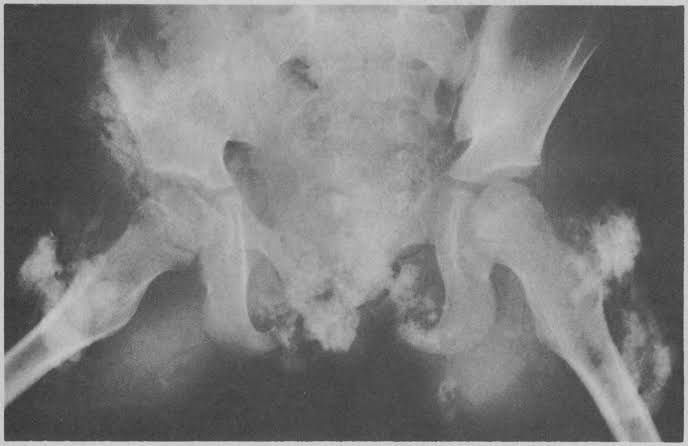
Pathologic calcification refers to the abnormal deposition of calcium salts in tissues, which can occur in various forms and under different circumstances. This process is typically categorized into two main types: dystrophic calcification and metastatic calcification. Pathologic calcification is often associated with tissue damage or necrosis, leading to the accumulation of calcium phosphate crystals within cells or extracellular matrix.
The mechanisms underlying pathologic calcification involve a complex interplay of cellular processes, including altered metabolism, inflammation, and changes in local pH. Calcium ions may precipitate in areas where there is tissue injury or necrosis, often as a result of increased local concentrations of calcium due to cell death or disruption of normal homeostasis.
Dystrophic Calcification vs. Metastatic Calcification
- Dystrophic Calcification:
- Definition: Dystrophic calcification occurs in damaged or necrotic tissues despite normal serum calcium levels. It is characterized by the deposition of calcium salts in areas of tissue injury.
- Causes: Common causes include chronic inflammation, trauma, and ischemia. Conditions such as atherosclerosis (calcific deposits in arterial walls), tuberculosis (caseous necrosis), and certain tumors can lead to dystrophic calcification.
- Mechanism: The process involves the release of intracellular calcium from damaged cells and subsequent precipitation of calcium salts in the extracellular space. The presence of phosphates from cellular breakdown products also facilitates this process.
- Metastatic Calcification:
- Definition: Metastatic calcification refers to the deposition of calcium salts in otherwise healthy tissues due to elevated serum calcium levels (hypercalcemia).
- Causes: This condition is often associated with systemic disorders such as hyperparathyroidism, malignancies (especially those that cause bone resorption), vitamin D intoxication, and renal failure.
- Mechanism: In metastatic calcification, excess calcium enters the bloodstream due to increased mobilization from bones or excessive intake/absorption from dietary sources. The elevated serum calcium levels lead to widespread deposition in various organs such as kidneys, lungs, heart, and stomach.
Events in Cellular Aging
Cellular aging is a complex biological process characterized by gradual deterioration of cellular functions over time. Several key events contribute to cellular aging:
- Telomere Shortening: Telomeres are protective caps at the ends of chromosomes that shorten with each cell division. Once telomeres reach a critical length, cells enter senescence (a state where they no longer divide) or undergo apoptosis (programmed cell death).
- Accumulation of DNA Damage: Over time, cells accumulate genetic mutations due to exposure to environmental stressors like UV radiation and oxidative stress. The inability to repair this damage effectively contributes to aging.
- Mitochondrial Dysfunction: Mitochondria are crucial for energy production; however, their function declines with age leading to reduced ATP production and increased generation of reactive oxygen species (ROS), which can further damage cellular components.
- Altered Cell Signaling Pathways: Aging affects various signaling pathways that regulate growth and metabolism (e.g., insulin/IGF-1 signaling). Dysregulation can lead to metabolic disorders commonly seen in older adults.
- Senescence-Associated Secretory Phenotype (SASP): Senescent cells secrete pro-inflammatory cytokines and other factors that can affect neighboring cells’ behavior and contribute to chronic inflammation associated with aging.
- Stem Cell Exhaustion: With age, stem cells lose their regenerative capacity due to intrinsic factors like telomere shortening and extrinsic factors such as changes in the microenvironment.
These events collectively contribute not only to the aging process but also increase susceptibility to age-related diseases such as cancer, cardiovascular diseases, neurodegenerative disorders, and metabolic syndromes.