Hepatic Portal Circulation
1. Formation of the Hepatic Portal Vein
The hepatic portal vein is formed by the convergence of several major veins:
- Superior Mesenteric Vein (SMV): Drains blood from the small intestine and parts of the large intestine.
- Splenic Vein: Collects blood from the spleen, pancreas, and parts of the stomach.
- Inferior Mesenteric Vein (IMV): Drains blood from the lower part of the large intestine; it typically joins with the splenic vein before reaching the hepatic portal vein.
These veins converge at a point behind the neck of the pancreas, forming the hepatic portal vein, which is approximately 8 centimeters long.
2. Pathway to the Liver
Once formed, the hepatic portal vein travels upward toward the liver through a structure known as the porta hepatis. This is where it bifurcates into two main branches:
- Left Portal Vein
- Right Portal Vein
These branches further divide into smaller portal venules that run alongside hepatic arterioles within liver lobules.
3. Blood Processing in Sinusoids
The blood enters specialized capillaries in the liver called sinusoids, which have a fenestrated endothelium allowing for efficient exchange between blood and hepatocytes (liver cells). The sinusoids receive both nutrient-rich blood from the hepatic portal vein and oxygenated blood from hepatic arteries.
4. Functions of Hepatic Portal Circulation
The primary functions include:
- Nutrient Processing: The liver metabolizes carbohydrates, proteins, and fats absorbed from food.
- Detoxification: Harmful substances such as toxins and pathogens are filtered out by specialized immune cells called Kupffer cells.
- Storage: The liver stores essential nutrients like glucose (as glycogen), vitamins, and minerals for later use.
5. Return to Systemic Circulation
After processing, blood collects in central veins located at each lobule’s core. These central veins converge into larger hepatic veins that exit through the superior surface of the liver and drain into the inferior vena cava, returning deoxygenated blood to be re-circulated through the heart.
Anatomy of Hepatic Vein
The hepatic veins are a group of blood vessels that play a crucial role in the circulatory system of the liver. They are responsible for draining deoxygenated blood from the liver and returning it to the heart. Understanding their anatomy is essential for comprehending liver function, pathology, and surgical procedures involving the liver.
Structure and Location
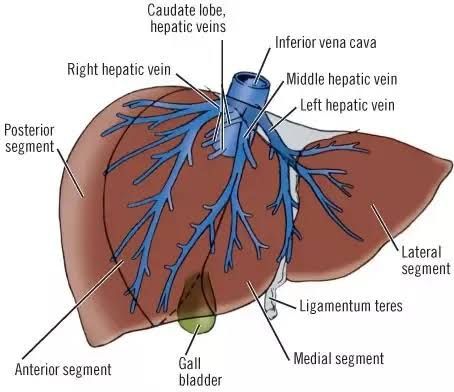
The hepatic veins typically consist of three major veins: the right hepatic vein, middle hepatic vein, and left hepatic vein. These veins originate from the liver’s central venous system, which collects blood from smaller venules that drain into larger veins. The hepatic veins are located in close proximity to the liver’s lobules, which are functional units of the liver composed of hepatocytes (liver cells) arranged around a central vein.
- Right Hepatic Vein: This vein drains blood from the right lobe of the liver. It is usually larger than the other two hepatic veins and runs parallel to the inferior vena cava (IVC), which is a large vein that carries deoxygenated blood from the lower body back to the heart.
- Middle Hepatic Vein: This vein drains blood from both sides of the liver but primarily serves as a conduit for blood from segments 4 through 8 (the quadrate lobe and parts of both lobes). It runs vertically along the midline of the liver and also empties into the IVC.
- Left Hepatic Vein: This vein drains blood from the left lobe of the liver. It is generally shorter than its counterparts and also empties into the IVC.
Function
The primary function of hepatic veins is to transport deoxygenated blood away from the liver after it has processed nutrients, toxins, and other substances absorbed from digestion. Blood enters these veins after passing through sinusoids—small capillary-like vessels within each lobule where exchange occurs between hepatocytes and blood.
After processing in these sinusoids, blood collects in central veins that converge into larger hepatic veins before draining into the inferior vena cava. The flow direction is crucial because it ensures that all metabolic processes performed by hepatocytes are efficiently managed before returning systemic circulation.
Portacaval Anastomosis
A portacaval anastomosis is a specific type of vascular connection that occurs between the veins of the portal circulation and the inferior vena cava (IVC). This connection forms one of the principal types of portasystemic or portosystemic anastomoses, which serve as alternative pathways for blood flow when there is a blockage in the portal system. The primary function of this anastomosis is to allow deoxygenated blood from the gastrointestinal tract and spleen to bypass the liver and enter systemic circulation directly, particularly during conditions such as portal hypertension.
Anatomical Sites of Portacaval Anastomosis
The portacaval anastomosis can occur at several key anatomical sites where portal veins connect with systemic veins:
- Lower Esophagus: The left gastric vein (a tributary of the portal vein) connects with esophageal veins that drain into the azygos vein (a systemic vein). This site is significant because it can lead to esophageal varices in cases of increased pressure.
- Umbilicus (Caput Medusae): Paraumbilical veins (portal tributaries) connect with small epigastric veins (systemic tributaries), allowing blood to flow around the liver through collateral channels, often visible as engorged veins on the abdominal wall.
- Upper Anal Canal: The superior rectal vein (a portal vein) connects with inferior and middle rectal veins (systemic veins), which can lead to hemorrhoids when pressure increases.
- Bare Area of Liver: There are connections between intraparenchymal branches of the portal vein and retroperitoneal systemic veins, facilitating collateral circulation in cases where liver function is compromised.
- Retroperitoneal Region: Anastomoses occur between various abdominal organs’ venous drainage systems, providing additional routes for blood flow when normal pathways are obstructed.
Clinical Significance
The clinical significance of portacaval anastomoses becomes evident in conditions like portal hypertension, which often arises from liver cirrhosis or thrombosis in the portal vein. In these situations, increased pressure within the portal system leads to dilation of these anastomotic channels, resulting in complications such as:
- Esophageal Varices: Enlarged veins in the esophagus that can rupture and cause severe bleeding.
- Caput Medusae: Distended superficial epigastric veins radiating from the umbilicus.
- Hemorrhoids: Swollen rectal veins due to increased pressure.
- Ascites: Accumulation of fluid in the peritoneal cavity due to increased venous pressure.
While portacaval anastomoses provide a critical alternative route for blood flow under pathological conditions, they also pose risks by allowing toxins and other substances from intestinal absorption to bypass hepatic metabolism, potentially leading to systemic complications.
Clinical Correlation of Hepatic Portal System
The hepatic portal system plays a crucial role in maintaining metabolic homeostasis and detoxification in the body. Its clinical relevance is highlighted through various conditions that can arise when this system is compromised. Below are key aspects of its clinical correlation:
1. Portal Hypertension
Portal hypertension is a significant condition associated with the hepatic portal system, characterized by increased blood pressure within the portal vein. This condition often arises from liver diseases such as cirrhosis, which can be caused by chronic alcohol consumption, viral hepatitis, or fatty liver disease. The elevated pressure leads to several complications:
- Esophageal Varices: These are dilated veins in the esophagus that can rupture and cause life-threatening bleeding.
- Ascites: Accumulation of fluid in the abdominal cavity due to increased pressure in the portal vein, leading to discomfort and potential infection (spontaneous bacterial peritonitis).
- Caput Medusae: This refers to the appearance of engorged superficial epigastric veins on the abdomen, resembling the head of Medusa.
2. Liver Function Tests and Diagnosis
The hepatic portal system’s integrity is assessed through various liver function tests (LFTs). Abnormal results may indicate liver dysfunction or damage affecting blood flow through this system. Clinicians often monitor levels of enzymes such as alanine aminotransferase (ALT) and aspartate aminotransferase (AST), along with bilirubin levels, to evaluate liver health.
3. Surgical Considerations
In surgical procedures involving the liver or surrounding organs, understanding the anatomy and function of the hepatic portal system is essential. For instance, during liver resections or transplants, surgeons must carefully manage blood flow through this system to prevent complications like excessive bleeding or ischemia.
4. Pharmacokinetics and Drug Metabolism
The hepatic portal system significantly influences drug metabolism since substances absorbed from the gastrointestinal tract first pass through the liver before entering systemic circulation. This first-pass effect can alter drug efficacy and toxicity, necessitating careful consideration when prescribing medications.
5. Nutritional Implications
Given that nutrient-rich blood from the intestines flows directly into the liver via the hepatic portal vein, any dysfunction in this system can lead to malabsorption syndromes or nutritional deficiencies. Conditions like celiac disease or inflammatory bowel disease may affect nutrient absorption and subsequently impact overall health.
In cases where there is severe liver dysfunction, toxins such as ammonia accumulate due to impaired detoxification processes in hepatocytes. This can lead to hepatic encephalopathy—a serious condition characterized by confusion, altered consciousness, and even coma.
7. Interventional Procedures
Interventional radiology techniques such as transjugular intrahepatic portosystemic shunt (TIPS) are employed to manage complications arising from portal hypertension by creating a new pathway for blood flow between systemic circulation and the hepatic venous outflow.