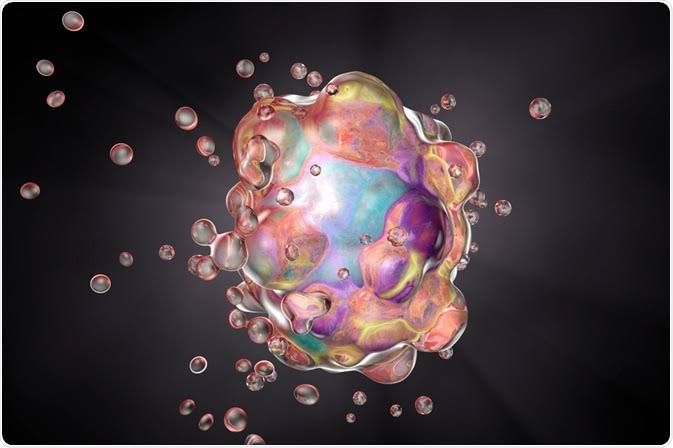
Apoptosis is a highly regulated and controlled process of programmed cell death that occurs in multicellular organisms. It is characterized by distinct morphological and biochemical features, including cell shrinkage, chromatin condensation, nuclear fragmentation, and the formation of apoptotic bodies. Unlike necrosis, which results from acute cellular injury leading to uncontrolled cell death and inflammation, apoptosis is a physiological mechanism that allows for the removal of unwanted or damaged cells without eliciting an inflammatory response.
Pathological and Physiological Causes of Apoptosis
- Physiological Causes:
- Developmental Processes: During embryogenesis, apoptosis helps shape organs and tissues by removing excess or improperly formed cells.
- Immune System Regulation: Apoptosis eliminates autoreactive lymphocytes during immune system maturation, preventing autoimmune diseases.
- Cellular Homeostasis: Regular turnover of cells in tissues such as the intestinal epithelium or skin involves apoptosis to maintain balance between cell proliferation and death.
- Hormonal Regulation: Certain hormones can induce apoptosis; for example, withdrawal of growth factors can trigger apoptotic pathways in dependent cells.
- Pathological Causes:
- Cancer: Tumor cells may evade apoptosis through mutations in apoptotic pathways, leading to uncontrolled proliferation.
- Infections: Viral infections can induce apoptosis in infected cells as a defense mechanism to limit viral replication.
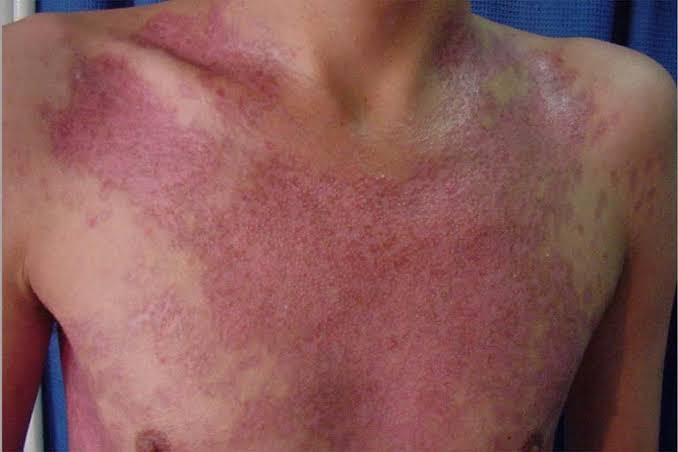
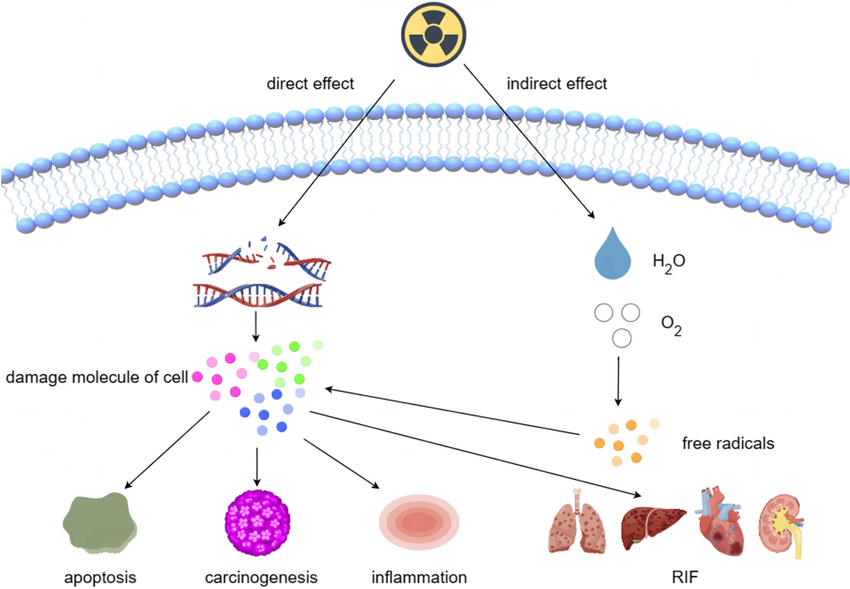
- Tissue Injury: Damage from toxins, radiation, or ischemia can trigger apoptotic pathways as part of the cellular response to stress.
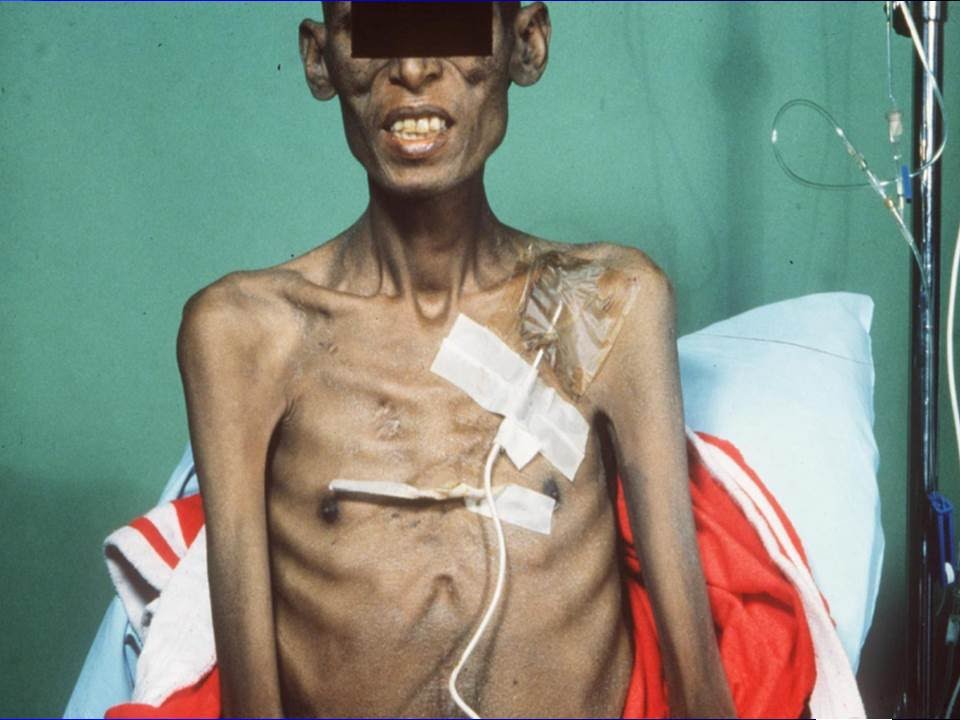
- Neurodegenerative Diseases: Conditions like Alzheimer’s disease involve increased apoptosis leading to neuronal loss.
Biochemical Features and Mechanism of Apoptosis
a. Biochemical Features
- Caspases Activation: Central to the apoptotic process are caspases, a family of cysteine proteases that exist as inactive proenzymes (procaspases). Upon receiving apoptotic signals, these procaspases undergo proteolytic cleavage to become active caspases. There are two main types of caspases involved in apoptosis: initiator caspases (e.g., caspase-8 and caspase-9) that respond to upstream signals, and effector or executioner caspases (e.g., caspase-3, -6, and -7) that carry out the death program by cleaving various substrates within the cell.
- Mitochondrial Pathway: The intrinsic pathway of apoptosis is closely linked to mitochondrial function. In response to stress signals such as DNA damage or oxidative stress, pro-apoptotic proteins like Bax and Bak promote mitochondrial outer membrane permeabilization (MOMP), leading to the release of cytochrome c into the cytosol. Cytochrome c then binds to Apaf-1 (apoptotic protease activating factor 1), forming a complex known as the apoptosome that activates initiator caspase-9.
- Death Receptor Pathway: The extrinsic pathway is initiated through death receptors on the cell surface (e.g., Fas/CD95 and TNF receptor). Ligand binding induces receptor clustering and recruitment of adaptor proteins such as FADD (Fas-associated protein with death domain), which facilitates the activation of initiator caspase-8. This can lead directly to effector caspase activation or trigger amplification through mitochondrial involvement.
- Cellular Morphological Changes: During apoptosis, cells undergo characteristic morphological changes including cell shrinkage, chromatin condensation, nuclear fragmentation, and membrane blebbing. These changes are mediated by both caspase activity and other signaling molecules such as phosphatidylserine exposure on the outer leaflet of the plasma membrane, which serves as an “eat me” signal for phagocytic cells.
- Role of Bcl-2 Family Proteins: The Bcl-2 family comprises both pro-apoptotic (e.g., Bax, Bak) and anti-apoptotic members (e.g., Bcl-2, Bcl-xL). The balance between these opposing forces determines whether a cell will undergo apoptosis in response to stress signals. Pro-apoptotic proteins promote MOMP while anti-apoptotic proteins inhibit this process.
- Involvement of Inhibitors of Apoptosis Proteins (IAPs): IAPs are a group of proteins that can bind to activated caspases and inhibit their activity, thus providing a regulatory mechanism for preventing unwanted apoptosis under certain conditions.
b. Mechanism:
Apoptosis can be initiated through two primary pathways: the extrinsic (death receptor) pathway and the intrinsic (mitochondrial) pathway.
1. Extrinsic Pathway
This pathway is triggered by external signals binding to death receptors on the cell surface. Key steps include:
- Death Receptor Activation: Ligands such as Fas ligand bind to their respective receptors (e.g., Fas/CD95), leading to receptor aggregation.
- Formation of the Death-Inducing Signaling Complex (DISC): This complex includes adaptor proteins like FADD (Fas-associated death domain) that recruit procaspase-8.
- Caspase Activation: Procaspase-8 is activated within DISC, which then cleaves and activates effector caspases such as caspase-3, committing the cell to apoptosis.
2. Intrinsic Pathway
The intrinsic pathway is activated by internal stress signals such as DNA damage or oxidative stress. It involves:
- Mitochondrial Outer Membrane Permeabilization (MOMP): Pro-apoptotic Bcl-2 family members (e.g., Bax, Bak) promote MOMP, leading to the release of cytochrome c into the cytosol.
- Apoptosome Formation: Cytochrome c binds to Apaf-1 in the presence of dATP, forming a large complex known as the apoptosome that recruits procaspase-9.
- Caspase Cascade Activation: Active caspase-9 cleaves and activates effector caspases like caspase-3.
Role of Caspases
Caspases are cysteine proteases that play essential roles in executing apoptosis:
- Initiator Caspases: Caspases such as caspase-8 and -9 initiate the apoptotic signaling cascade by activating downstream effector caspases.
- Effector Caspases: Caspase-3 is one of the main executioners that cleave various substrates leading to cellular dismantling.
Other Molecular Players
Several other molecules contribute to regulating apoptosis:
Bcl-2 Family Proteins
These proteins regulate mitochondrial integrity:
- Anti-apoptotic members (e.g., Bcl-2, Bcl-xL) inhibit apoptosis by sequestering pro-apoptotic factors.
- Pro-apoptotic members (e.g., Bax, Bad) promote apoptosis by facilitating cytochrome c release.
Inhibitors of Apoptosis Proteins (IAPs)
These proteins inhibit caspases and prevent apoptosis under certain conditions. Their overexpression in cancers can lead to resistance against apoptotic signals.
Role of Apoptosis in Health and Disease
Apoptosis plays a dual role in health and disease:
- In Health:
- It maintains tissue homeostasis by regulating cell numbers through balanced proliferation and death.
- It contributes to normal development processes such as digit separation during limb formation.
- It ensures proper immune function by eliminating potentially harmful cells while preserving necessary ones.
- In Disease:
- Dysregulation can lead to excessive apoptosis contributing to degenerative diseases like Alzheimer’s or Parkinson’s disease where neuronal loss occurs.
- Insufficient apoptosis can result in cancer progression due to failure to eliminate damaged or mutated cells that could proliferate uncontrollably.
- In autoimmune diseases, inappropriate activation may lead to excessive loss of healthy cells.
Overall, understanding apoptosis is critical for developing therapeutic strategies targeting various diseases where this process is disrupted.