Lesions of the Pleura
The pleura is a serous membrane that envelops the lungs and lines the thoracic cavity. It consists of two layers: the visceral pleura, which covers the lungs, and the parietal pleura, which lines the chest wall. Various lesions can affect the pleura, including:
- Pleural Effusion: Accumulation of fluid in the pleural space.
- Pleuritis (Pleurisy): Inflammation of the pleura, often associated with pain during breathing.
- Pleural Tumors: Can be benign (e.g., mesothelioma) or malignant (e.g., metastatic cancer).
- Fibrosis: Thickening and scarring of the pleura due to chronic inflammation or injury.
- Empyema: Collection of pus in the pleural space, typically due to infection.
- Hemothorax: Accumulation of blood in the pleural cavity, often resulting from trauma.
- Chylothorax: Accumulation of lymphatic fluid in the pleural space, usually due to obstruction or injury to lymphatic vessels.
Definition of Pleural Effusion and Its Causes
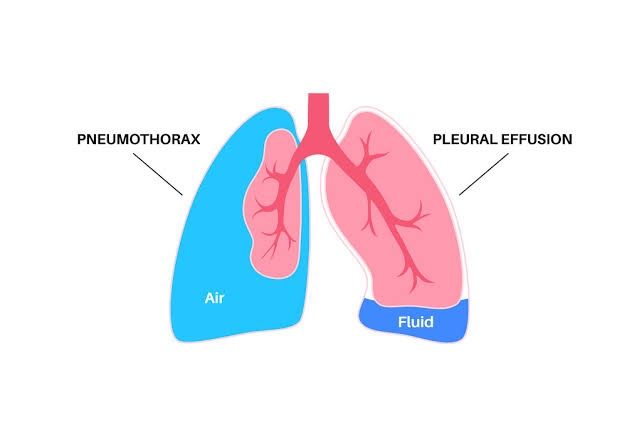
Pleural effusion is defined as an abnormal accumulation of fluid in the pleural space between the visceral and parietal layers of the pleura surrounding the lungs. This condition can lead to respiratory distress and decreased lung function.
The causes of pleural effusion are broadly categorized into two types:
- Transudative Effusions: These occur due to systemic factors that alter hydrostatic or oncotic pressure without direct inflammation of the pleura. Common causes include:
- Congestive heart failure
- Cirrhosis
- Nephrotic syndrome
- Hypoalbuminemia
- Exudative Effusions: These result from local factors such as inflammation, infection, or malignancy that increase permeability of pleural membranes. Common causes include:
- Pneumonia (parapneumonic effusion)
- Tuberculosis
- Malignancies (lung cancer, mesothelioma)
- Pulmonary embolism
- Autoimmune diseases (e.g., rheumatoid arthritis)
Classification and Explanation of Different Types of Pleural Effusions
Pleural effusions can be classified based on their composition and underlying etiology:
- Transudative Effusions
- Characterized by low protein content (< 3 g/dL) and low lactate dehydrogenase (LDH) levels.
- Typically clear or straw-colored fluid.
- Commonly associated with systemic conditions like congestive heart failure.
- Exudative Effusions
- Defined by high protein content (> 3 g/dL) and elevated LDH levels.
- Often cloudy or turbid fluid due to increased cellularity.
- Associated with infections, malignancies, inflammatory diseases.
- Further classified based on specific criteria such as Light’s criteria:
- If any one criterion is met (pleural fluid protein/serum protein > 0.5; pleural fluid LDH/serum LDH > 0.6; pleural fluid LDH > 2/3 upper limit normal serum LDH), it indicates an exudative process.
- Specific Types Based on Etiology
- Parapneumonic Effusion: Associated with pneumonia; may be simple or complicated depending on whether it becomes infected.
- Malignant Pleural Effusion: Caused by cancer metastasis; typically presents with a large volume of effusion and often requires drainage for symptom relief.
- Tuberculous Pleural Effusion: Associated with tuberculosis infection; characterized by lymphocytic predominance in fluid analysis.
- Chylothorax: Results from disruption of lymphatic flow; characterized by milky appearance due to chyle accumulation.
Each type has its own diagnostic approach, management strategies, and implications for patient care.
Diagnostic Approach to Pleural Effusions
Pleural effusion is the accumulation of excess fluid in the pleural space, which can lead to respiratory distress and other complications. The diagnostic approach involves several steps:
- Clinical Evaluation: The initial step includes a thorough history and physical examination. Symptoms such as dyspnea, cough, chest pain, and fever should be assessed. Physical examination may reveal decreased breath sounds, dullness to percussion, or signs of respiratory distress.
- Imaging Studies:
- Chest X-ray: This is often the first imaging study performed. It can show blunting of the costophrenic angles or a meniscus sign indicating fluid presence.
- Ultrasound: This modality is particularly useful for confirming the presence of pleural effusion and guiding thoracentesis (the procedure to remove fluid).
- CT Scan: A CT scan of the chest provides more detailed information about the pleura and underlying lung pathology.
- Thoracentesis: This procedure involves inserting a needle into the pleural space to obtain fluid for analysis. It serves both diagnostic and therapeutic purposes. The fluid can be analyzed for:
- Cell count and differential
- Biochemical analysis (e.g., protein, lactate dehydrogenase)
- Microbiological studies (e.g., cultures, cytology)
- Fluid Analysis: The results from thoracentesis help classify pleural effusions into transudative or exudative types based on Light’s criteria:
- Transudative effusions are typically due to systemic conditions like heart failure or cirrhosis.
- Exudative effusions are often associated with local factors such as infections (e.g., pneumonia), malignancies, or inflammatory diseases.
- Further Testing: If necessary, additional tests may include:
- Pleural biopsy if malignancy or tuberculosis is suspected.
- Additional imaging studies like PET scans if malignancy is confirmed.
Management Strategies for Pleural Effusions
The management of pleural effusions depends on their underlying cause, size, symptoms, and whether they are causing significant respiratory compromise:
- Observation: Small asymptomatic transudative effusions may not require immediate intervention and can be monitored over time.
- Thoracentesis: For symptomatic relief in larger effusions or when diagnosis is needed, thoracentesis can provide immediate symptom relief by removing excess fluid.
- Chest Tube Placement (Tube Thoracostomy): In cases where there is a large effusion that re-accumulates rapidly or if there is an empyema (infected pleural space), placing a chest tube may be necessary for continuous drainage.
- Sclerotherapy: For recurrent pleural effusions (especially malignant ones), sclerosing agents may be instilled into the pleural space after drainage to promote adhesion of the pleurae and prevent re-accumulation.
- Surgery: In some cases where conservative measures fail or in complicated scenarios like loculated effusions or empyema, surgical interventions such as video-assisted thoracoscopic surgery (VATS) may be indicated.
- Treating Underlying Causes: Management also includes addressing any underlying conditions contributing to the effusion—such as treating heart failure with diuretics or managing infections with antibiotics.
Implications for Patient Care
The implications for patient care regarding pleural effusions are multifaceted:
- Patient Education: Patients should be informed about their condition, treatment options available, potential complications from procedures like thoracentesis or chest tube placement, and signs of worsening symptoms that warrant immediate medical attention.
- Monitoring and Follow-Up: Regular follow-up appointments are crucial for monitoring patients with known causes of pleural effusion (like heart failure) to prevent recurrence and manage symptoms effectively.
- Multidisciplinary Approach: Effective management often requires collaboration among various specialties including pulmonology, oncology (for malignant causes), cardiology (for heart-related issues), and infectious disease specialists when infections are involved.
- Quality of Life Considerations: Addressing symptoms such as dyspnea through appropriate interventions significantly improves patients’ quality of life; thus timely diagnosis and management are essential components of care.
- Palliative Care Integration: For patients with malignant pleural effusions or those who have poor prognosis due to chronic illnesses, integrating palliative care early in management can help address symptom control and improve overall well-being.
In summary, a comprehensive approach involving accurate diagnosis through clinical evaluation and imaging studies followed by appropriate management strategies tailored to individual patient needs plays a critical role in improving outcomes for patients with pleural effusions.
Definition of Pneumothorax
Pneumothorax is a medical condition characterized by the presence of air in the pleural space, which is the cavity between the lungs and the chest wall. This accumulation of air can lead to a collapse of the lung on the affected side, resulting in respiratory distress and decreased oxygenation of blood. The pleural space is normally a vacuum that helps keep the lungs inflated; when air enters this space, it disrupts this pressure balance.
Causes of Pneumothorax
Pneumothorax can be classified into several types based on its causes:
- Spontaneous Pneumothorax:
- Primary Spontaneous Pneumothorax (PSP): Occurs without any underlying lung disease or apparent cause, often seen in tall, young males who smoke.
- Secondary Spontaneous Pneumothorax (SSP): Occurs in individuals with existing lung diseases such as chronic obstructive pulmonary disease (COPD), asthma, cystic fibrosis, or infections like tuberculosis.
- Iatrogenic Pneumothorax: Results from medical procedures that inadvertently damage the pleura or lung tissue. Common causes include:
- Transthoracic needle aspiration
- Thoracentesis
- Central venous catheter insertion
- Biopsies (transbronchial or pleural)
- Traumatic Pneumothorax: Caused by external trauma to the chest wall, which may be either blunt or penetrating. Examples include:
- Rib fractures
- Gunshot wounds
- Stab wounds
- Tension Pneumothorax: A life-threatening form where air enters the pleural space but cannot escape, leading to increased pressure that collapses the lung and displaces mediastinal structures.
- Other Causes: Conditions such as thoracic endometriosis (catamenial pneumothorax) and certain genetic disorders like Marfan syndrome can also lead to pneumothorax.
Pathogenesis of Pneumothorax
The pathogenesis of pneumothorax involves several mechanisms depending on its type:
- Spontaneous Pneumothorax:
- In primary spontaneous pneumothorax, it is often due to the rupture of subpleural blebs or bullae—small air-filled sacs that form on the surface of the lungs. These blebs are more common in individuals with tall stature and may be exacerbated by smoking.
- Secondary spontaneous pneumothorax occurs when underlying lung conditions compromise alveolar integrity, allowing air to escape into the pleural space through damaged alveoli.
- Iatrogenic Pneumothorax:
- This occurs when medical procedures inadvertently puncture the pleura or create a pathway for air entry into the pleural space during interventions such as biopsies or catheter placements.
- Traumatic Pneumothorax:
- Trauma leads to direct injury to either the visceral or parietal pleura, allowing atmospheric air to enter during inhalation while preventing its escape during exhalation—this can create a one-way valve effect.
- Tension Pneumothorax:
- This condition develops when air enters the pleural cavity but cannot exit due to a one-way valve mechanism created by tissue damage. With each breath, more air accumulates, increasing intrapleural pressure and causing significant respiratory distress and cardiovascular compromise due to mediastinal shift.
In summary, pneumothorax results from various mechanisms that disrupt normal pleural integrity and allow air accumulation within this space, leading to potential respiratory failure if not promptly addressed.
Diagnostic approach and management strategies for pneumothorax
The diagnostic approach and management strategies for pneumothorax are critical for ensuring patient safety and effective treatment.
Diagnostic Approach
- Clinical History and Symptoms:
- Patients typically present with sudden onset of chest pain and dyspnea (shortness of breath). A thorough clinical history should be taken, including any previous episodes, underlying lung diseases (such as COPD or asthma), trauma, or recent activities that may have contributed to the condition (e.g., scuba diving).
- Physical Examination:
- On examination, signs may include decreased breath sounds on the affected side, hyper-resonance on percussion, and possible tracheal deviation away from the affected side in tension pneumothorax.
- Imaging Studies:
- Chest X-ray: This is often the first imaging modality used. An upright chest X-ray can reveal visceral pleural line and absence of vascular markings beyond this line indicating pneumothorax.
- Ultrasound: Increasingly used in emergency settings due to its rapidity and lack of radiation exposure. It can show the absence of sliding motion of the pleura.
- CT Scan: Considered more sensitive than X-ray for detecting small pneumothoraces or when there is suspicion of other thoracic injuries.
- Classification:
- Pneumothoraces can be classified as primary spontaneous pneumothorax (PSP), secondary spontaneous pneumothorax (SSP), traumatic pneumothorax, or iatrogenic pneumothorax. Each type has different implications for management.
Management Strategies
- Observation:
- Small, asymptomatic primary spontaneous pneumothoraxes may be managed conservatively with observation alone. Follow-up imaging is often performed to ensure resolution.
- Needle Decompression:
- In cases of tension pneumothorax where there is significant respiratory distress or hemodynamic instability, immediate needle decompression is indicated. This involves inserting a large-bore cannula into the second intercostal space at the midclavicular line on the affected side.
- Chest Tube Placement (Thoracostomy):
- For larger pneumothoraces or those that are symptomatic, placement of a chest tube may be necessary to facilitate drainage of air from the pleural space and allow re-expansion of the lung.
- Surgical Intervention:
- Surgical options such as video-assisted thoracoscopic surgery (VATS) may be considered for recurrent cases or when conservative measures fail. Procedures like pleurodesis can also be performed to prevent recurrence by adhering the lung to the chest wall.
- Follow-Up Care:
- Patients should be monitored post-intervention for complications such as infection or re-accumulation of air in the pleural space. Education regarding activity restrictions and follow-up appointments is crucial for recovery.