Neoplastic conditions of the oral cavity refer to abnormal growths or tumors that can be either benign (non-cancerous) or malignant (cancerous). These conditions arise from the cells within the mouth and can vary significantly in their behavior, prognosis, and treatment requirements. Understanding these conditions is crucial for early detection and effective management.
Types of Neoplastic Conditions
- Benign Neoplasms
- Fibromas: These are non-cancerous tumors that typically result from irritation or trauma. They are usually firm, smooth, and painless.
- Pyogenic Granulomas: These lesions develop rapidly in response to local irritation or hormonal changes, especially during pregnancy. They are erythematous, non-painful masses that often bleed easily.
- Palatal and Mandibular Tori: These are bony protuberances that arise from the cortical plate. They are developmental anomalies and are generally asymptomatic unless they interfere with function or denture fabrication.
- Precancerous Conditions
- Leukoplakia: This is the most common premalignant lesion in the oral cavity. It appears as white patches on the mucous membranes and has a potential to transform into cancer if not monitored or treated.
- Erythroplakia: This condition presents as red patches and carries a higher risk of malignant transformation compared to leukoplakia.
- Malignant Neoplasms
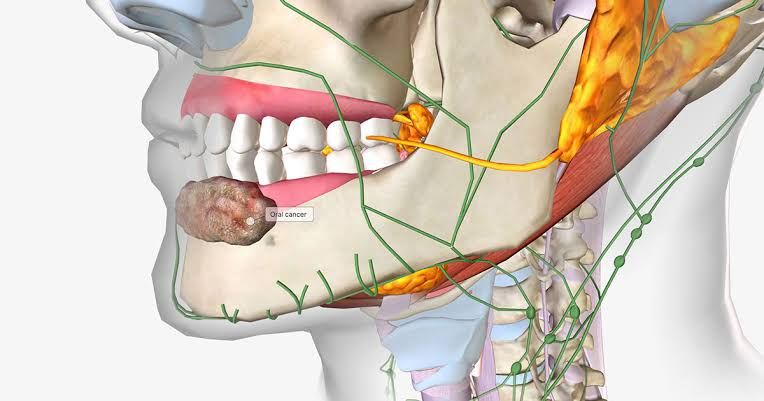
- Squamous Cell Carcinoma: The most common type of oral cancer, originating from the squamous cells lining the oral mucosa. It can appear as white or red patches, ulcerated lesions, or masses.
- Salivary Gland Cancer: A rare type of oral cancer that originates in the salivary glands.
- Melanoma: Another rare form of oral cancer that arises from melanocytes, the cells responsible for pigment production.
Risk Factors The primary risk factors for developing neoplastic conditions in the oral cavity include:
- Tobacco use (smoking and smokeless tobacco)
- Heavy alcohol consumption
- Human papillomavirus (HPV) infection
- Poor oral hygiene
- Chronic irritation from dental appliances
Diagnosis and Management Early diagnosis is crucial for effective treatment of neoplastic conditions in the oral cavity. Common diagnostic methods include:
- Clinical examination
- Biopsy of suspicious lesions
- Imaging studies such as X-rays, CT scans, or MRIs
Management strategies depend on whether the neoplasm is benign or malignant:
- Benign Neoplasms: Often managed with surgical excision if they cause symptoms or functional impairment.
- Precancerous Conditions: Regular monitoring and removal if there is evidence of dysplasia (abnormal cell growth).
- Malignant Neoplasms: Treatment may involve surgery, radiation therapy, chemotherapy, or a combination thereof depending on the stage and location of the cancer.
Conclusion Neoplastic conditions of the oral cavity encompass a range of benign and malignant tumors arising from various tissues within the mouth. Early recognition and appropriate management are essential to improve outcomes for individuals affected by these conditions.
Clinical Manifestations of Neoplastic Conditions of the Oral Cavity and Squamous Cell Carcinoma
Oral cancer, including squamous cell carcinoma, presents with various signs and symptoms that can be categorized into early and late manifestations. Recognizing these clinical manifestations is crucial for early detection and treatment.
Early Clinical Manifestations:
- Persistent sores or ulcers in the mouth that do not heal within two weeks.
- Red or white patches on the gums, tongue, tonsils, or lining of the mouth.
- Swelling or thickening of part of the mouth.
- Unexplained bleeding in the mouth.
- Pain or tenderness in any area of the face, mouth, or neck.
Late Clinical Manifestations:
- Difficulty chewing, swallowing, speaking, or moving the jaw or tongue.
- Numbness in the tongue or other areas of the mouth.
- Chronic sore throat or feeling that something is caught in the throat.
- Hoarseness or change in voice.
- Ear pain without hearing loss.
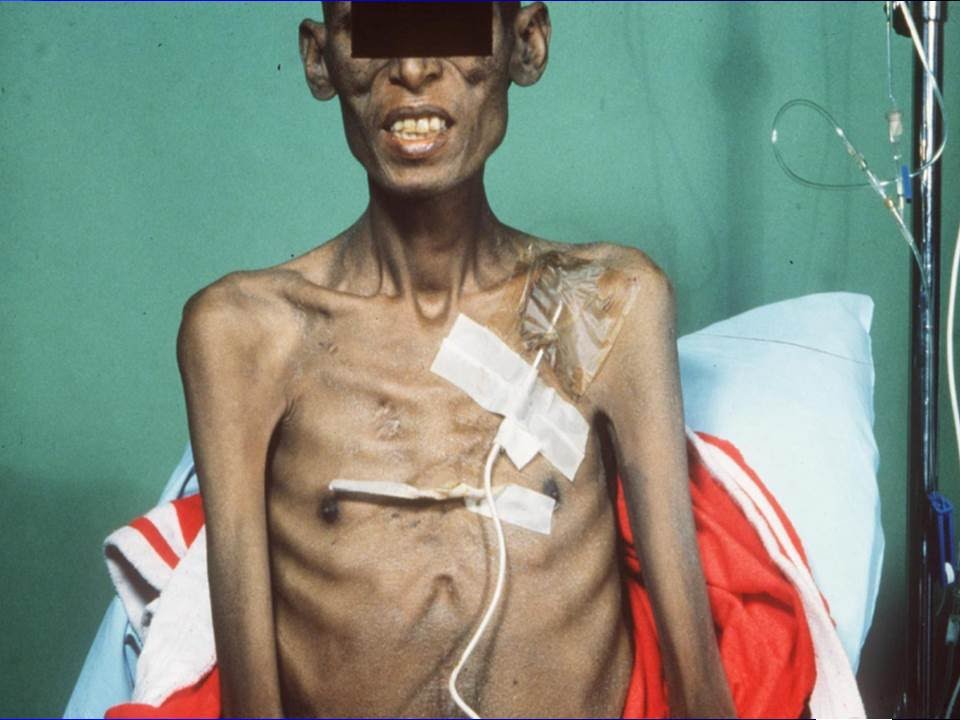
- Dramatic weight loss.
Appropriate Investigations
To diagnose oral cancer accurately and determine its stage, several investigations are necessary:
- Physical Examination:
- Visual inspection and palpation of head, neck, oral cavity, and pharyngeal regions using adequate light sources and tools like mouth mirrors.
- Digital palpation of neck node regions and bimanual palpation of the floor of the mouth and tongue.
- Biopsy:
- Essential for definitive diagnosis if a persistent lesion is detected. Types include incisional biopsy (removing part of a suspicious area) and excisional biopsy (removing an entire suspicious area).
- Imaging Studies:
- X-rays: To check for spread to jawbones.
- CT Scan (Computed Tomography): Provides detailed cross-sectional images to assess tumor size and spread to lymph nodes or other organs.
- MRI (Magnetic Resonance Imaging): Offers detailed images of soft tissues to evaluate tumor extent.
- PET Scan (Positron Emission Tomography): Helps detect metastasis by showing areas with high metabolic activity typical of cancer cells.
- Endoscopy:
- Allows direct visualization of internal structures such as nasal passages, sinuses, larynx, trachea, esophagus to check for additional tumors.
- Laboratory Tests:
- Blood tests may be conducted to assess overall health status but are not specific for diagnosing oral cancer.
- Toluidine Blue Staining:
- A diagnostic aid where toluidine blue dye is applied to highlight abnormal cells which may indicate malignancy.
Basic Management
Management strategies for oral cancer depend on several factors including cancer stage, location, patient’s overall health:
- Surgery:
- Primary treatment for most stages involving removal of tumors from lips/mouth/oropharynx. Types include:
- Tumor resection
- Mohs micrographic surgery
- Mandibulectomy/maxillectomy if bone involvement
- Neck dissection if lymph nodes are involved
- Primary treatment for most stages involving removal of tumors from lips/mouth/oropharynx. Types include:
- Radiation Therapy:
- Used alone in early stages or combined with surgery/chemotherapy in advanced stages to destroy remaining cancer cells post-surgery.
- Chemotherapy:
- Often combined with radiation therapy (chemoradiation) especially in advanced cases; involves drugs like cisplatin that kill rapidly dividing cells.
- Targeted Therapy:
- Uses drugs targeting specific molecules involved in cancer growth like cetuximab targeting EGFR (Epidermal Growth Factor Receptor).
- Reconstructive Surgery:
- Post-tumor removal surgeries may involve reconstructing parts affected by extensive surgery using grafts/flaps from other body parts.
- Palliative Care:
- For advanced cases focusing on symptom relief rather than cure; includes pain management/nutritional support/psychological support.
Indications for Surgery
Surgical intervention is indicated when:
- The tumor is localized without distant metastasis.
- There is a need to remove primary tumors along with affected lymph nodes.
- Reconstruction is required post-tumor removal for functional/aesthetic reasons.
When to Refer
Referral to specialists such as an oral surgeon/ENT specialist/head & neck oncologist should occur when:
- Persistent lesions/symptoms last longer than 2 weeks despite initial treatments.
- Complex cases requiring multidisciplinary approach involving surgery/radiation/chemotherapy/reconstruction arise.
- Advanced diagnostic procedures like biopsies/imaging/endoscopies are needed beyond primary care capabilities.
Common Factors and Causes of Oral Cancer
Oral cancer, also known as mouth cancer or oral cavity cancer, is a type of head and neck cancer that affects the inside of the mouth. Understanding the common factors and causes can help in prevention and early detection.
1. Tobacco Use
One of the most significant risk factors for oral cancer is tobacco use. This includes:
- Cigarette Smoking: The majority of oral cancers are linked to cigarette smoking.
- Cigar and Pipe Smoking: These forms of smoking also contribute significantly to the risk.
- Smokeless Tobacco: Products like chewing tobacco and snuff are equally harmful and increase the risk of developing oral cancer.
2. Alcohol Consumption
Heavy alcohol consumption is another major risk factor. When combined with tobacco use, the risk increases exponentially. Alcohol acts as an irritant in the mouth, making it easier for carcinogens from tobacco to penetrate tissues.
3. Human Papillomavirus (HPV)
HPV, particularly HPV type 16, has been increasingly associated with oropharyngeal cancers, which affect parts of the throat at the back of the mouth. HPV-related oral cancers are more common in younger individuals who do not have traditional risk factors like smoking or heavy drinking.
4. Age and Gender
- Age: Oral cancer typically affects people aged 60 and older.
- Gender: Men are more likely than women to develop oral cancer. This could be due to higher rates of tobacco and alcohol use among men.
5. Sun Exposure
Prolonged exposure to sunlight can increase the risk of lip cancer. People who work outdoors or spend a lot of time in the sun without adequate protection are at higher risk.
6. Dietary Factors
A diet low in fruits and vegetables may increase the risk of developing oral cancer. Nutrients found in these foods may help protect against cell damage that can lead to cancer.
7. Genetic Predisposition
While lifestyle factors play a significant role, genetic predisposition can also contribute to an individual’s likelihood of developing oral cancer. Family history may indicate a higher risk.
8. Poor Oral Hygiene
Poor dental hygiene and missing teeth have been linked to an increased risk of oral cancer. Chronic irritation from rough teeth or ill-fitting dentures can also contribute.
9. Immune System Suppression
Individuals with weakened immune systems, whether due to medical conditions like HIV/AIDS or medications that suppress immune function, are at higher risk for developing various types of cancers, including oral cancer.
10. Previous Cancer Diagnosis
People who have had other forms of head and neck cancers are at increased risk for developing secondary cancers in the oral cavity.
The Need for Neck Dissection
Neck dissection is a surgical procedure aimed at examining and removing lymph nodes in the neck. This surgery is typically performed to manage cancers that have either spread to or have a high likelihood of spreading to the cervical lymph nodes. The necessity for this procedure arises from several critical factors related to cancer diagnosis, treatment, and prevention.
1. Cancer Diagnosis and Staging
One of the primary reasons for performing a neck dissection is to check for cancer in the lymph nodes in the neck. The lymphatic system plays a crucial role in fighting infections and can also be a pathway for cancer cells to spread from their original site to other parts of the body. By removing and examining these lymph nodes, doctors can determine whether cancer has metastasized, which is essential for accurate staging of the disease. Accurate staging helps in planning appropriate treatment strategies and predicting patient outcomes.
2. Removal of Cancerous Lymph Nodes
Another significant reason for neck dissection is to remove lymph nodes that may contain cancer. When cancer cells are found in the cervical lymph nodes, it indicates that the disease has spread beyond its primary site. Removing these affected lymph nodes can help prevent further dissemination of cancer cells through the body, thereby improving the chances of successful treatment.
3. Preventing Cancer Spread
Neck dissection is also performed to remove lymph nodes when there is a high chance cancer will spread to them. Certain types of cancers, such as those originating in the mouth, tongue, thyroid gland, or other areas of the throat or neck, have a propensity to spread via the lymphatic system. Proactively removing these lymph nodes can reduce the risk of metastasis and recurrence.
4. Post-Treatment Management
In some cases, neck dissection may be necessary to remove cancer that is still in the lymph nodes after radiation therapy or chemotherapy. Despite aggressive treatments like radiation or chemotherapy, residual cancer cells may persist in the lymph nodes. Surgical removal of these remaining cancerous tissues can be crucial for achieving complete remission.
5. Planning Further Treatment
Neck dissection also aids doctors in planning further treatment by providing detailed information about the extent and nature of cancer spread. The pathological examination of removed lymph nodes can reveal vital insights into tumor biology and behavior, guiding subsequent therapeutic decisions such as additional surgery, radiation therapy, or systemic treatments like chemotherapy.
Types of Neck Dissections
There are three main types of neck dissections based on how extensively tissue and lymph nodes are removed:
- Radical Neck Dissection: This involves removing all tissue on one side of the neck from jawbone to collarbone, including muscle, nerve, salivary gland, and major blood vessels.
- Modified Radical Neck Dissection: This common type removes all lymph nodes but spares some structures like nerves or blood vessels.
- Selective Neck Dissection: This less extensive surgery removes fewer lymph nodes if cancer has not spread far.
Each type is chosen based on how far cancer has spread and aims to balance effective removal with preserving function as much as possible.
In summary, neck dissection is an essential surgical procedure for diagnosing, treating, and preventing the spread of head and neck cancers. It provides critical information for staging cancers accurately, removes potentially metastatic tissues to prevent further spread, manages residual disease post-treatment, and helps plan comprehensive treatment strategies tailored to individual patient needs.