
Anesthesia refers to the use of medications, known as anesthetics, to prevent pain during medical procedures or surgeries. These medications work by temporarily blocking sensory signals from nerves at the site of the procedure to the brain, thereby preventing the sensation of pain. Anesthetics can either numb a specific part of the body or induce unconsciousness, depending on the type and scope of the procedure.
In other words, Anesthesia is a medical practice that involves the administration of medications to induce a reversible loss of sensation, typically for the purpose of performing medical procedures or surgeries. The goal of anesthesia is to ensure that patients do not feel pain or discomfort during these procedures, as well as to provide muscle relaxation and sometimes induce unconsciousness. Anesthesia can be administered by various routes, including inhalation, injection, or topical application.
Types of Anesthesia
There are four main categories of anesthesia used during surgery and other medical procedures:
- General Anesthesia: General anesthesia is used for major operations such as knee replacements or open-heart surgery. It causes complete loss of consciousness and sensation, meaning you will be entirely unaware and feel no pain during the procedure. Various medications may be administered through inhalation (gases or vapors) or intravenously (IV) to induce sleep, relax muscles, and manage pain. The most common side effects include drowsiness, sore throat, and nausea post-surgery.
- Regional Anesthesia: Regional anesthesia numbs a larger area of the body by injecting local anesthetics near clusters of nerves that provide sensation to that region. Common types include spinal and epidural anesthesia, often used in childbirth and orthopedic surgeries like total knee or hip replacements. Nerve blocks are another form that targets smaller areas such as an arm or leg. Patients may remain awake but can receive sedation to relax during the procedure.
- Sedation (Monitored Anesthesia Care): Sedation involves administering medications usually through an IV to make patients feel drowsy and relaxed for minimally invasive procedures like colonoscopies or upper endoscopies. Levels of sedation vary from mild (awake but relaxed) to deep (nearly unconscious but able to breathe independently). Deep sedation with propofol is commonly used for more intensive procedures.
- Local Anesthesia: Local anesthesia involves injecting anesthetic agents like lidocaine directly into a small area to numb it for minor procedures such as stitching a wound or dental work. Patients remain fully awake and alert but feel no pain in the targeted area. Local anesthesia is often combined with sedation for minor outpatient surgeries.
Overview of General Anesthesia
General anesthesia is a medically induced state of unconsciousness with the loss of protective reflexes, resulting from the administration of one or more general anesthetic agents. It is used to facilitate surgical procedures by ensuring that the patient does not feel pain and remains immobile during the operation. General anesthesia can be classified based on several criteria:
1. Mode of Administration
Inhalational Anesthetics:
- These are volatile liquids or gases administered through inhalation.
- Commonly used agents include desflurane, isoflurane, sevoflurane, and nitrous oxide.
- Delivered using an anesthesia machine that mixes oxygen, anesthetics, and ambient air.
Injectable Anesthetics:
- Administered intravenously for rapid induction and maintenance of anesthesia.
- Common agents include propofol, etomidate, barbiturates (e.g., methohexital, thiopentone/thiopental), benzodiazepines (e.g., midazolam), and ketamine.
2. Mechanism of Action
General anesthetics work by targeting multiple biological pathways involved in neuronal control. The precise mechanisms are still under research but generally involve:
- Immobility
- Analgesia (pain relief)
- Amnesia (memory loss)
- Unconsciousness
- Reduced autonomic responsiveness to noxious stimuli
3. Combination with Other Types of Anesthesia
General anesthesia can be combined with regional or local anesthesia to enhance pain management post-surgery and reduce the need for opioid medications.
Role and Uses of General Anesthesia
The administration of general anesthesia is typically performed by an anesthesiologist or nurse anesthetist, who are specially trained medical professionals responsible for monitoring the patient’s vital signs and rate of breathing throughout the surgery.
General anesthesia is commonly used for major operations where it is crucial for the patient to be completely unconscious. This includes surgeries such as:
- Cardiac Surgery: Procedures like coronary artery bypass grafting (CABG) or heart valve replacement.
- Neurosurgery: Operations on the brain or spinal cord.
- Orthopedic Surgery: Major joint replacements or complex fracture repairs.
- Abdominal Surgery: Procedures involving organs in the abdominal cavity, such as appendectomies or bowel resections.
- Thoracic Surgery: Surgeries involving the lungs or esophagus.
The anesthetic agents can be administered intravenously (IV) or inhaled through a mask or tube. The exact mechanism by which these agents work is still not fully understood, but they are known to act at various sites within the central nervous system.
Side Effects and Complications Related to General Anesthesia
While general anesthesia is generally safe, it can cause a range of side effects and complications. These can vary from minor and temporary issues to more serious conditions.
Common Side Effects:
- Nausea and Vomiting: This is one of the most common side effects, occurring within hours to days after surgery. It can be triggered by factors such as medication, motion, and type of surgery.
- Sore Throat: Caused by the breathing tube inserted during surgery.
- Postoperative Delirium: Temporary confusion upon regaining consciousness, more common in older adults and those with pre-existing conditions.
- Muscle Aches: Resulting from medications used to relax muscles for intubation.
- Itching: Often due to narcotic pain medications used alongside anesthesia.
- Chills and Shivering (Hypothermia): Occurs in up to half of patients as they regain consciousness.
Serious Complications:
- Postoperative Cognitive Dysfunction (POCD): Long-term memory and learning problems, particularly in older adults or those with conditions like heart disease, Parkinson’s disease, Alzheimer’s disease, or a history of stroke.
- Malignant Hyperthermia: A rare but potentially deadly reaction causing rapid fever and muscle contractions; often hereditary.
Other Potential Risks:
- Dizziness
- Difficulty Passing Urine
- Bruising or Soreness from IV Drip
- Heart Attack
- Pneumonia
- Stroke
Certain pre-existing conditions can increase the risk associated with general anesthesia:
- Obstructive sleep apnea
- Seizures
- Heart, kidney, or lung conditions
- High blood pressure
- Alcohol use disorder
- Smoking
- History of reactions to anesthesia
- Medications that increase bleeding risk
- Drug allergies
- Diabetes
- Obesity
Overall, while general anesthesia carries some risks, it remains a critical component in modern surgical practices due to its ability to provide pain relief and unconsciousness during major operations.
Overview of Regional Anesthesia
Regional anesthesia involves injecting medication near a cluster of nerves to numb a specific area of the body. This type of anesthesia is often used when it is preferable for the patient to remain awake or when local anesthesia alone is insufficient. Here are the main types of regional anesthesia:
1. Spinal Anesthesia
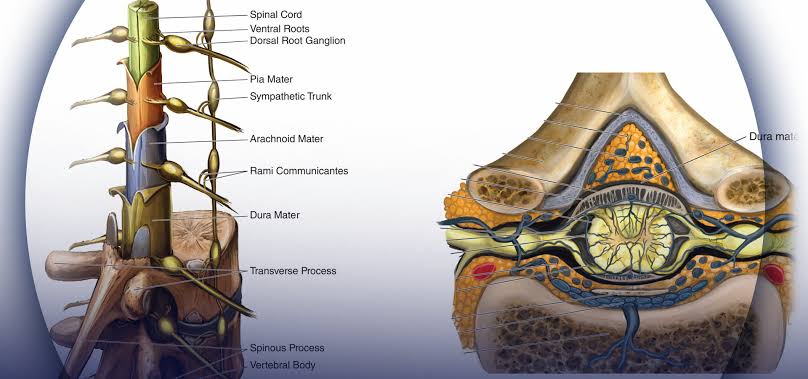
Spinal anesthesia involves injecting a local anesthetic into the cerebrospinal fluid in the subarachnoid space, which surrounds the spinal cord. This type of block is commonly used for lower abdominal, pelvic, rectal, and lower extremity surgeries. It provides profound numbness and muscle relaxation below the level of injection.
2. Epidural Anesthesia
Epidural anesthesia involves inserting a needle into the epidural space just outside the spinal sac and threading a catheter through this needle. The catheter allows for continuous infusion or repeated administration of anesthetic medication. Epidurals are frequently used during labor and delivery, as well as for surgeries involving the lower limbs, pelvis, and abdomen.
3. Peripheral Nerve Blocks
Peripheral nerve blocks involve injecting anesthetic near specific nerves or nerve clusters to block sensation in a particular limb or region of the body. Common types include:
- Femoral Nerve Block: Used for procedures on the thigh, knee, or leg.
- Brachial Plexus Block: Used for surgeries on the shoulder, arm, or hand.
4. Paravertebral Block
A paravertebral block involves injecting anesthetic near the spinal nerves as they emerge from the vertebral column. This type of block can be used for chest and abdominal surgeries.
5. Intercostal Nerve Block
Intercostal nerve blocks involve injecting anesthetic between two ribs to numb specific intercostal nerves. These blocks are often used for pain relief after thoracic surgery.
6. Caudal Anesthesia
Caudal anesthesia is a type of epidural block administered through the sacral hiatus at the base of the spine. It is commonly used in pediatric patients for surgeries below the umbilicus.
7. Intravenous Regional Anesthesia (Bier Block)
This technique involves administering an anesthetic agent intravenously while using a tourniquet to confine it to a limb, providing temporary numbness and pain relief in that limb.
Each type of regional anesthesia has its own indications, benefits, and risks which should be discussed with an anesthesiologist before proceeding with any surgical procedure.
Side Effects of Regional Anesthesia
While regional anesthesia is generally safe and effective, it does carry some risks and potential side effects:
- Hypotension (Low Blood Pressure): One common side effect is a drop in blood pressure due to vasodilation caused by blocking sympathetic nerves.
- Headache (Postdural Puncture Headache): This can occur if there’s leakage of cerebrospinal fluid following spinal or epidural anesthesia, leading to headaches that are worse when sitting or standing.
- Soreness at Injection Site: The area where the needle was inserted may be sore or tender for a few days post-procedure.
- Nausea and Vomiting: Although less common with regional anesthesia compared to general anesthesia, some patients may still experience nausea.
- Nerve Damage: Although rare, there’s a risk of temporary or permanent nerve damage resulting from needle insertion or catheter placement.
- Infection: Any time a needle penetrates the skin, there’s a risk of infection at the injection site.
- Bruising and Hematoma Formation: Bruising can occur around the injection site, and in rare cases, large hematomas may form, especially with techniques like axillary brachial plexus blocks.
- Respiratory Issues: Some nerve blocks can affect breathing muscles temporarily, making it feel harder to take deep breaths.
- Pneumothorax (Collapsed Lung): A rare but serious complication that can occur with certain types of nerve blocks near the chest area (e.g., cervical paravertebral block).
- Horner’s Syndrome: Characterized by drooping eyelids (ptosis), constricted pupils (miosis), and sometimes stuffy nose; usually resolves once the block wears off.
- Systemic Toxicity: If anesthetic medication accidentally enters a blood vessel, it can cause systemic effects like dizziness, rapid heartbeat, metallic taste in mouth, or numbness around lips.
- Allergic Reactions: Though uncommon, allergic reactions to anesthetics can occur and range from mild rashes to severe anaphylaxis.