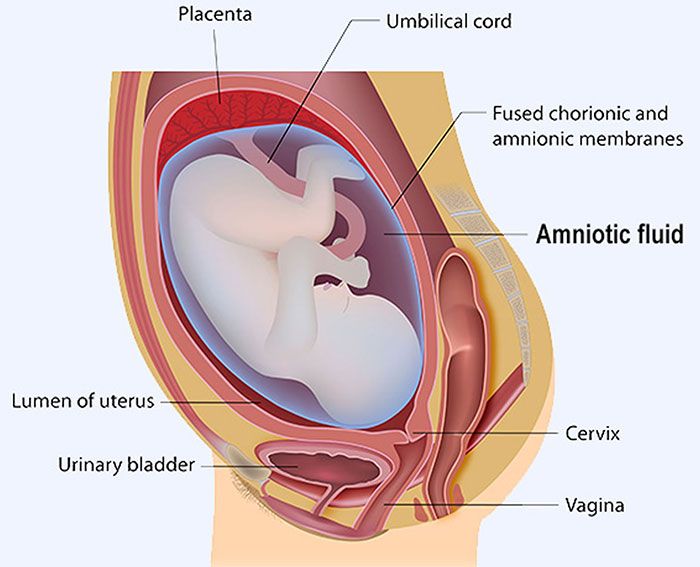
Amniotic fluid, the life-sustaining liquid surrounding a developing fetus, plays a critical role in normal pregnancy progression and fetal development. It provides a sterile environment, protects the fetus from physical trauma, allows for fetal movement and musculoskeletal development, and facilitates the exchange of water, nutrients, and waste. When the volume of this fluid is abnormally low, a condition known as oligohydramnios develops. Oligohydramnios, diagnosed in approximately 1-5% of pregnancies, is a significant clinical finding that requires careful evaluation and management due to its strong association with adverse perinatal outcomes.
Understanding Amniotic Fluid Dynamics
To comprehend oligohydramnios, one must first understand the physiology of amniotic fluid. Throughout pregnancy, the volume of amniotic fluid increases progressively, reaching a peak of approximately 800 mL by 36 weeks of gestation, after which it begins to decline slightly. The fluid is primarily composed of water from maternal plasma, but it also contains fetal urine, lung secretions, and cellular debris.
The regulation of amniotic fluid volume is a dynamic process involving a delicate balance between fluid production and fluid removal. Key components of this system include:
- Fetal Urine: The primary source of amniotic fluid after the first trimester is fetal urine production. The fetal kidneys begin producing urine around 12 weeks of gestation, and this urine is excreted into the amniotic sac, significantly contributing to fluid volume. Conditions that impair fetal kidney function or urinary tract obstruction can drastically reduce fluid production.
- Fetal Ingestion: The fetus swallows amniotic fluid, which is then processed through the gastrointestinal tract and reabsorbed into the fetal circulation. This process, known as in-utero hydration, is a primary mechanism for fluid removal.
- Intramembranous Pathway: A crucial mechanism for fluid balance involves the transfer of water and solutes across the fetal membranes (amnion and chorion) and the placenta. This allows for the rapid movement of fluid between the amniotic cavity and the fetal circulation, helping to maintain homeostasis.
Oligohydramnios can result from a disruption at any point in this delicate system, most commonly from reduced fetal urine output (decreased production) or an increase in fluid loss.
Identifying the Causes (Etiology) of Oligohydramnios
The etiology of oligohydramnios is diverse and can be broadly categorized into three main groups: fetal, placental, and maternal causes. In many cases, particularly near term, a specific cause may not be identified (idiopathic oligohydramnios).
1. Fetal Causes: Fetal-related issues are the most common cause of oligohydramnios, especially in the second trimester.
- Fetal Anomalies: Congenital abnormalities, particularly those affecting the genitourinary system, are a primary cause. Conditions like bilateral renal agenesis (Potter syndrome), polycystic kidney disease, or lower urinary tract obstruction (LUTO) prevent the fetus from producing urine, leading to severe and early-onset oligohydramnios.
- Fetal Growth Restriction (FGR) / Placental Insufficiency: In cases of poor placental function, reduced blood flow to the fetus leads to chronic hypoxia. The fetus compensates by shunting blood away from non-essential organs, including the kidneys. This results in decreased renal perfusion and reduced urine output, leading to oligohydramnios.
- Premature Rupture of Membranes (PROM): When membranes rupture before the onset of labor, amniotic fluid can leak out, causing or worsening oligohydramnios. This is a common cause of oligohydramnios in the late second and third trimesters.
- Post-Term Pregnancy: After 42 weeks of gestation, placental function naturally begins to decline, which can lead to reduced urine output and subsequently, oligohydramnios.
- Fetal Demise: Intrauterine fetal death results in the cessation of all fetal physiologic processes, including urine production, leading to profound oligohydramnios.
2. Placental Causes: Placental issues often overlap with fetal causes, particularly FGR.
- Placental Abruption: Premature separation of the placenta from the uterine wall can lead to fetal hypoxia and reduced urine production.
- Placental Insufficiency: Any condition that impairs placental function, such as extensive infarction or maternal vascular disease, can lead to FGR and subsequent oligohydramnios.
3. Maternal Causes: Maternal health conditions can indirectly impact amniotic fluid levels.
- Maternal Dehydration: Severe dehydration can lead to hypovolemia, reducing perfusion to the placenta and fetal circulation, which in turn may decrease fetal urine output. This is often a reversible cause.
- Medications: Certain medications, most notably Angiotensin-Converting Enzyme (ACE) inhibitors, can cause fetal renal dysfunction and lead to oligohydramnios.
- Hypertensive Disorders: Conditions like preeclampsia and chronic hypertension can cause placental insufficiency, leading to FGR and oligohydramnios.
- Diabetes: While polyhydramnios (excess fluid) is more common in poorly controlled maternal diabetes, oligohydramnios can occur in cases of diabetic vasculopathy leading to placental insufficiency.
Recognizing the Symptoms and Signs (Clinical Presentation)
The clinical presentation of oligohydramnios can vary significantly depending on the severity, gestational age, and underlying cause.
Maternal Symptoms: Many women with mild to moderate oligohydramnios are asymptomatic, and the condition is only discovered during a routine ultrasound. When symptoms are present, they may include:
- Reduced Fundal Height: The healthcare provider may notice that the height of the uterus (fundal height) is smaller than expected for the gestational age.
- Decreased Fetal Movement: Women may report a subjective feeling of decreased fetal activity. While this can be a non-specific symptom, a significant reduction in movement warrants immediate evaluation.
- Abdominal Discomfort: Some women may experience a sensation of less “active” movement or a feeling of “tightness” in the abdomen.
Fetal Signs: During an ultrasound, specific signs can indicate oligohydramnios. These findings reflect the lack of a normal fluid cushion:
- Poor Fetal Growth: Often associated with placental insufficiency.
- Fetal Malpresentations: The fetus may be in a breech or transverse position due to the lack of space to turn.
- Congenital Anomalies: The underlying cause may be visualized, such as abnormal kidney structure or bladder size.
- Compressed Appearance: The fetus may appear “stuck” or compressed against the uterine wall, with limbs and body parts pressed together. The fetal body may be positioned against the anterior and posterior uterine walls, a phenomenon sometimes called a “stuck fetus.”
Diagnosing Oligohydramnios
The diagnosis of oligohydramnios is confirmed through ultrasound assessment. Clinical suspicion based on physical examination may prompt further investigation.
1. Ultrasound Evaluation: Ultrasound is the gold standard for diagnosing and quantifying amniotic fluid volume.
- Amniotic Fluid Index (AFI): The most common method used is the measurement of the Amniotic Fluid Index. The uterine cavity is divided into four quadrants. The vertical depth of the largest single pocket of fluid is measured in centimeters in each quadrant. These four measurements are added together to calculate the AFI. An AFI of 5 cm or less is the standard definition of oligohydramnios.
- Single Deepest Pocket (SDP): Another method is to measure the single deepest vertical pocket of amniotic fluid anywhere in the uterine cavity. An SDP of 2 cm or less is indicative of oligohydramnios.
2. Determining the Cause: Once oligohydramnios is diagnosed, a thorough search for the underlying etiology is crucial for guiding management. This involves:
- Detailed Anatomical Survey: A comprehensive scan is performed to rule out fetal congenital anomalies, especially of the kidneys, bladder, and genitourinary tract.
- Fetal Biometry and Doppler Studies: Ultrasound is used to assess fetal growth (biometry) and placental function. Doppler velocimetry of the umbilical artery, middle cerebral artery, and ductus venosus can provide vital information about fetal well-being and the presence of placental insufficiency.
- Assessment for PROM: If premature rupture of membranes is suspected, tests such as a sterile speculum exam (to look for fluid pooling in the posterior fornix), or laboratory tests on vaginal fluid (e.g., AFP, IGFBP-1) may be performed.
- Maternal Evaluation: A review of the mother’s medical history, current medications, and hydration status is essential.
Managing and Treating Oligohydramnios
The management of oligohydramnios is highly individualized and depends on the gestational age, severity, underlying cause, and overall fetal condition. The primary goal is to achieve the best possible perinatal outcome while minimizing risks to both mother and fetus.
1. Conservative Management and Monitoring: For late preterm or term pregnancies with mild to moderate oligohydramnios and otherwise reassuring fetal status (normal growth and Doppler studies), a conservative approach may be taken. This includes:
- Increased Surveillance: Frequent follow-up ultrasounds (e.g., twice weekly) are used to monitor fluid levels, fetal growth, and well-being. Non-stress tests (NSTs) or biophysical profiles (BPPs) are often performed to assess fetal oxygenation and health.
- Maternal Hydration: In cases of suspected maternal dehydration, oral or intravenous fluid administration may be attempted. While evidence for its effectiveness in increasing AFI is limited, it is a low-risk intervention.
- Amnioinfusion: This procedure involves infusing a sterile saline solution into the amniotic cavity via a catheter placed through the cervix. It is primarily used to improve the ultrasound image in cases of oligohydramnios with poor visualization, often for detailed anatomical surveys or to relieve a stuck fetus. However, its use for improving perinatal outcomes in chronic oligohydramnios remains controversial.
2. Delivery Planning: The decision of when to deliver the fetus is a critical component of management.
- Term Gestations (≥39 weeks): For women with confirmed oligohydramnios at or near term, delivery is often recommended. Induction of labor is a common approach, although it is associated with a higher rate of cesarean delivery compared to pregnancies with normal fluid levels.
- Preterm Gestations: For preterm oligohydramnios, the decision is more complex and involves balancing the risks of prematurity with the risks of ongoing fetal compromise. If the fetus shows signs of distress (e.g., abnormal Doppler studies, lack of growth, non-reassuring BPP), delivery is indicated regardless of gestational age.
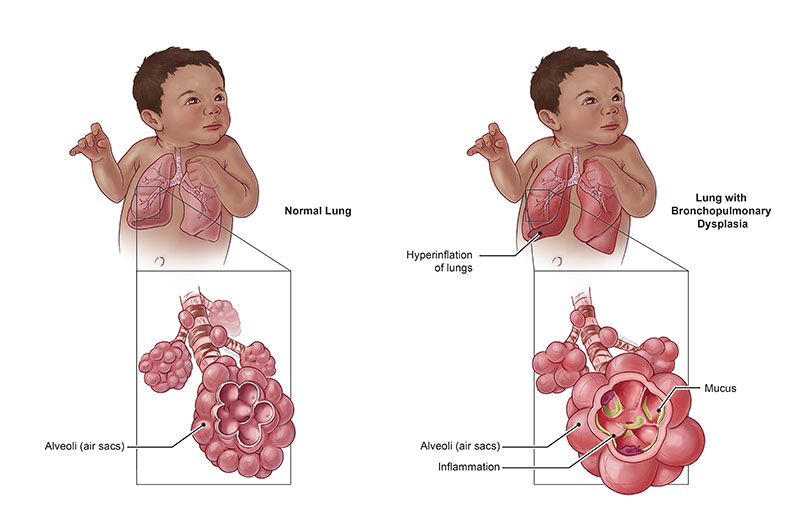
3. Management of Severe and Early-Onset Oligohydramnios: Severe oligohydramnios diagnosed in the second trimester carries a high risk of poor outcomes, including fetal pulmonary hypoplasia (underdevelopment of the lungs) and skeletal deformations (Potter sequence). In these cases, the management plan is guided by the underlying cause.
- Lethal Fetal Anomalies: If the oligohydramnios is due to a lethal condition such as bilateral renal agenesis, the prognosis is extremely poor. Counseling regarding the diagnosis and prognosis is paramount, and management focuses on compassionate care and support for the family, which may include expectant management or termination of pregnancy, depending on gestational age and maternal wishes.
- Treatable Conditions: For conditions like LUTO, fetal intervention may be considered. A vesicoamniotic shunt can be placed to bypass the obstruction, allowing urine to drain from the bladder into the amniotic cavity, thereby restoring amniotic fluid volume and improving the chances of normal lung and kidney development.
Conclusion
Oligohydramnios is a clinically significant condition that serves as an important indicator of potential fetal compromise. Its etiology is varied, ranging from maternal dehydration to severe fetal congenital anomalies. A systematic, step-by-step approach involving accurate diagnosis with ultrasound, a thorough search for the underlying cause, and careful, gestational age-dependent management is essential. The goal of care is to optimize perinatal outcomes by providing appropriate surveillance, intervening when necessary, and timing delivery to minimize risk. Management decisions require a multidisciplinary approach, involving obstetricians, perinatologists, sonographers, and the pregnant patient and her family, ensuring that care is both evidence-based and patient-centered.
References
American College of Obstetricians and Gynecologists. (2021). Ultrasonography in pregnancy (Practice Bulletin No. 204). Obstetrics & Gynecology, 137(6), e100-e115. https://doi.org/10.1097/AOG.0000000000004362
Chauhan, S. P., Magann, E. F., & Ross, M. G. (2014). Oligohydramnios: Diagnosis and management. Clinical Obstetrics and Gynecology, 57(4), 878–891. https://doi.org/10.1097/GRF.0000000000000055
Hofmeyr, G. J., & Lawrie, T. A. (2012). Amnioinfusion for potential or suspected umbilical cord compression in labour. Cochrane Database of Systematic Reviews, (10). https://doi.org/10.1002/14651858.CD000013.pub2
Mercer, J. S. (2007). Preterm premature rupture of membranes: Diagnosis and management. Journal of Midwifery & Women’s Health, 52(3), 250–257. https://doi.org/10.1016/j.jmwh.2007.01.005
Ross, M. G., & Nijland, M. J. (2015). Amniotic fluid and fetal swallowing. In R. A. Polin, S. H. Abman, D. H. Rowitch, W. W. Hay Jr. (Eds.), Fetal and Neonatal Physiology (5th ed., pp. 167-175). Elsevier.
Sullivan, E. A., & Moran, K. (2016). Oligohydramnios. In Clinical Obstetrics and Gynecology (2nd ed., pp. 1-18). McGraw-Hill Education.
Ting, Y. H., Lao, T. T., & Lau, T. K. (2018). Is the Amniotic Fluid Index (AFI) a better predictor of adverse pregnancy outcome than the Single Deepest Pocket (SDP) method in the third trimester? The Journal of Maternal-Fetal & Neonatal Medicine, 31(18), 2417–2422. https://doi.org/10.1080/14767058.2017.1359889
Wong, S. F., Chan, F. Y., & Cincotta, R. B. (2003). The use of amnioinfusion in the management of oligohydramnios: A 5-year experience. Australian and New Zealand Journal of Obstetrics and Gynaecology, 43(2), 129–133. https://doi.org/10.1046/j.1479-828x.2003.00040.x