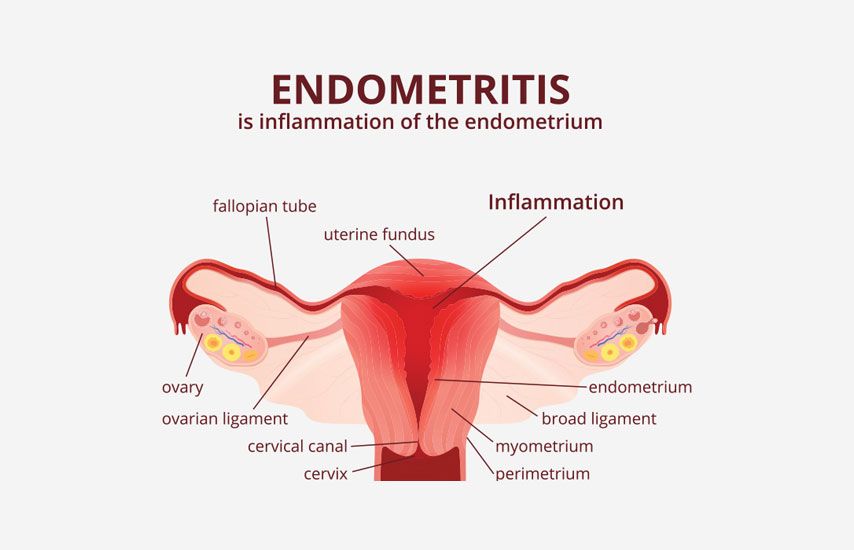
Postpartum endometritis is a significant and relatively common infectious complication following childbirth, contributing to maternal morbidity, prolonged hospital stays, and increased healthcare costs. It is an infection of the uterine lining (endometrium), decidua, and myometrium that typically manifests within the first 10 days after delivery. A thorough understanding of its risk factors, pathophysiology, clinical presentation, and management is crucial for healthcare providers involved in postpartum care.
Risk Factors for Postpartum Endometritis
The development of postpartum endometritis is a multifactorial process, with the primary prerequisite being the disruption of the natural barriers that protect the uterine cavity. While the postpartum uterus is inherently susceptible to infection due to the large surface area of the decidua basalis, specific clinical factors significantly increase this risk.
A. Colonization and Infection of the Genital Tract: The most significant risk factor is the presence of pathogenic bacteria in the lower genital tract before or during labor. Bacterial vaginosis, colonization with organisms like Group B Streptococcus (GBS), Chlamydia trachomatis, Neisseria gonorrhoeae, or an existing intra-amniotic infection (chorioamnionitis) all predispose a woman to postpartum endometritis. The bacteria can ascend from the vagina and cervix into the upper genital tract during labor or after delivery.
B. Factors Associated with Labor and Delivery: Certain interventions and events during labor and delivery create portals of entry and favorable conditions for bacterial proliferation:
- Cesarean Delivery: This is the single most important risk factor. The risk is substantially higher for a cesarean section performed after the onset of labor (especially after rupture of membranes) compared to a planned cesarean before labor. The surgical incision bypasses the cervical barrier, and the trauma to the uterus and surrounding tissues provides an ideal environment for infection.
- Prolonged Labor: A prolonged first or second stage of labor increases the number of vaginal examinations performed and the duration for which the protective barriers are compromised, allowing for greater bacterial ascension.
- Prolonged Rupture of Membranes (PROM): The integrity of the amniotic sac serves as a crucial barrier against infection. Once it ruptures, the path from the vagina to the uterus is open, and the risk of infection increases with the duration of time membranes are ruptured.
- Manual Exploration of the Uterus: Postpartum exploration of the uterine cavity, often performed to rule out retained placental fragments, introduces external bacteria and can cause further trauma to the already vulnerable endometrium.
- Invasive Procedures: The use of intrauterine pressure catheters or fetal scalp electrodes can also introduce bacteria into the uterus.
C. Patient-Specific Factors:
- Nulliparity: Women having their first baby (nulliparous) have a slightly higher risk, likely due to longer labors and a higher likelihood of requiring operative interventions.
- Anemia and Malnutrition: Compromised maternal immune response due to poor nutritional status or anemia can impair the body’s ability to fight off infection.
- Obesity: Obesity is associated with an increased risk of postpartum infection, possibly due to difficulties with wound healing, impaired immune function, and a higher likelihood of operative delivery.
Pathophysiology of Postpartum Endometritis
The pathophysiology of postpartum endometritis involves a sequence of events: disruption of protective barriers, bacterial colonization, and a subsequent inflammatory response.
Step 1: Disruption of Natural Barriers
During the postpartum period, the primary defense mechanisms are compromised. The cervix, which is tightly closed during pregnancy, is now dilated. The amniotic membranes, which sealed the uterine cavity, are ruptured. The large, denuded surface of the placental site (decidua basalis) provides a rich, vascular, and non-intact surface, which is highly susceptible to bacterial adherence and invasion.
Step 2: Bacterial Ascension and Colonization
Bacteria, which are normally present in the lower genital tract or introduced from external sources, ascend into the upper genital tract. This ascent is facilitated by the patulous cervix and the presence of lochia (postpartum vaginal discharge), which can act as a medium for bacterial growth. The myometrium (uterine muscle) is typically able to contract and limit this ascension, but if uterine atony occurs, the passage of lochia is impaired, increasing the risk.
Step 3: Polymicrobial Infection
Postpartum endometritis is characteristically a polymicrobial infection. This means it is not caused by a single organism but by a synergistic combination of bacteria. The typical flora involved includes:
- Aerobes: Staphylococcus aureus, Streptococcus species, and Escherichia coli.
- Anaerobes: Bacteroides species, Peptostreptococcus. The synergy between aerobes and anaerobes is crucial. Aerobes consume oxygen, creating a low-oxygen (anaerobic) environment that allows the anaerobes to thrive. Anaerobes, in turn, produce substances that damage tissues and inhibit the host’s immune response, allowing the infection to spread.
Step 4: Inflammatory Cascade and Tissue Invasion
Once established, the bacteria invade the decidua and, in more severe cases, the myometrium. The body mounts an intense inflammatory response. Bacterial endotoxins and exotoxins stimulate host cells to release inflammatory mediators, such as prostaglandins, interleukins (e.g., IL-1, IL-6), and tumor necrosis factor (TNF-α). This cascade leads to the classic signs of infection: fever, tachycardia, pain, and purulent discharge. If the infection is not contained, it can lead to abscess formation (endometrial abscess), myometritis (infection of the uterine muscle), parametritis (infection of the tissues surrounding the uterus), or even progress to sepsis and pelvic peritonitis.
Symptoms and Signs of Postpartum Endometritis
The clinical presentation of postpartum endometritis can range from mild to severe. The timing of onset is typically 2 to 10 days postpartum, though it can occur earlier.
Primary Signs (The Cardinal Triad):
- Fever: This is the hallmark sign. A fever is defined as a temperature of 38.0°C (100.4°F) or higher. In a patient who had a fever during labor (due to chorioamnionitis), a persistent or recurrent fever in the postpartum period is highly suggestive of endometritis.
- Abnormal Lochia: The discharge may become purulent, foul-smelling, or serosanguinous (pinkish) when it should normally be transitioning from lochia rubra to serosa. However, the character of the lochia can be normal in some cases.
- Uterine Tenderness: On palpation of the lower abdomen (bimanual examination), the uterus is typically tender, especially over the fundus.
Associated Signs and Symptoms:
- Maternal Tachycardia: A heart rate greater than 100 beats per minute is common.
- Malaise and Lethargy: A general feeling of being unwell.
- Lower Abdominal Pain or Cramping: Discomfort may be more localized than the generalized cramping typical of afterpains.
- Chills: Shaking chills may accompany the fever.
- In severe cases: Signs of sepsis or septic shock may develop, including hypotension, tachypnea, and altered mental status. A pelvic abscess may be felt as a palpable mass.
Diagnosis of Postpartum Endometritis
The diagnosis of postpartum endometritis is primarily clinical, based on the presence of the classic triad of fever, uterine tenderness, and abnormal lochia in a postpartum woman, after other potential sources of fever have been ruled out (e.g., urinary tract infection, mastitis, wound infection, pneumonia).
Key Diagnostic Steps:
- Thorough History and Physical Examination: A detailed history focusing on the mode of delivery, duration of labor, rupture of membranes, and any intrapartum complications is essential. The physical examination should include a full assessment of vital signs, inspection of the cesarean incision or perineum, and a careful abdominal and pelvic exam to assess uterine size, tenderness, and the character of the lochia.
- Laboratory Investigations:
- Complete Blood Count (CBC): This is a key supportive test. A CBC will typically show leukocytosis (elevated white blood cell count), often with a “left shift” (an increase in immature neutrophils). While leukocytosis is a normal finding in the postpartum period, a persistently high WBC count or a rise from a baseline postpartum count is suggestive of infection.
- Blood Cultures: Blood cultures are not routinely performed for uncomplicated endometritis but are crucial if the patient appears septic, is hemodynamically unstable, or has a very high fever. They can help identify the causative organism in cases of bacteremia.
- Endometrial Culture: Cultures of the endometrium are generally not performed. They are difficult to obtain without contamination and rarely change the initial antibiotic regimen, which is targeted against the typical polymicrobial flora.
- Imaging:
- Pelvic Ultrasound: This is not required for the diagnosis of uncomplicated endometritis but is invaluable if the diagnosis is uncertain or if the patient is not responding to initial antibiotic therapy. An ultrasound can help identify retained products of conception, pelvic abscesses, or hematomas that may be contributing to the infection. A saline infusion sonogram (SIS) can further enhance visualization of the endometrial cavity.
Treatment of Postpartum Endometritis
The mainstay of treatment is prompt initiation of broad-spectrum antibiotics. The goal is to cover the likely polymicrobial pathogens.
Initial Management: For uncomplicated cases, hospital admission is required for intravenous (IV) antibiotic therapy. The choice of antibiotics is based on their ability to cover the most common causative organisms (aerobes and anaerobes). Standard empiric regimens include:
- Clindamycin plus an Aminoglycoside: (e.g., Clindamycin 900 mg IV every 8 hours plus Gentamicin loading dose 2 mg/kg IV, then 1.5 mg/kg every 8 hours).
- A Broad-Spectrum Cephalosporin: (e.g., Cefotetan 2g IV every 12 hours or Cefoxitin 2g IV every 8 hours).
- A Beta-Lactam/Beta-Lactamase Inhibitor: (e.g., Ampicillin-sulbactam 3g IV every 6 hours).
- Monotherapy with a Carbapenem: (e.g., Imipenem-cilastatin or Meropenem) for more severe cases or patients with risk factors for resistant organisms.
Clinical Response and De-escalation: Most patients show a significant clinical improvement within 48 to 72 hours of starting appropriate IV antibiotics. The fever curve is the most reliable indicator of response. Once the patient is afebrile for 24-48 hours and clinically stable, a transition to oral antibiotics can often be made to complete a 7-10 day course. Examples of oral regimens include:
- Doxycycline 100 mg orally twice a day.
- Clindamycin 300-450 mg orally every 6-8 hours.
- Amoxicillin-clavulanate.
Supportive Care: Supportive measures are crucial for recovery. These include:
- Analgesia: To manage uterine cramping and pain.
- Intravenous Fluids: To maintain hydration and ensure adequate organ perfusion.
- Management of Retained Products: If an ultrasound reveals significant retained products of conception, a uterine evacuation (via dilation and curettage) is necessary, as antibiotics alone will not be effective.
- Drainage of Abscess: A pelvic abscess may require image-guided drainage or surgical intervention.
Treatment Failure: If a patient does not respond to initial therapy within 48-72 hours, the following should be considered:
- Antibiotic resistance.
- Presence of a pelvic abscess or hematoma requiring drainage.
- Retained placental tissue requiring surgical evacuation.
- An alternative diagnosis (e.g., pyelonephritis, pneumonia).
Prevention of Postpartum Endometritis
Prevention strategies are paramount, especially given the significant morbidity associated with the infection. A multi-pronged approach focusing on antepartum, intrapartum, and postpartum care is most effective.
A. Antepartum Prevention:
- Screening and Treatment: Screening for and treating genital tract infections during pregnancy, such as bacterial vaginosis and sexually transmitted infections (Chlamydia, gonorrhea), can reduce the bacterial load at the time of delivery.
- Optimizing Maternal Health: Addressing anemia and malnutrition can bolster the maternal immune system.
B. Intrapartum Prevention:
- Judicious Use of Interventions: Minimizing unnecessary vaginal examinations during labor can reduce the risk of bacterial ascension.
- Avoiding Prolonged Rupture of Membranes: Careful management to reduce the duration of ruptured membranes is important.
- Adherence to Aseptic Technique: Strict aseptic technique during invasive procedures like amniocentesis or insertion of fetal monitors is critical.
C. Postpartum Prevention:
- Active Management of the Third Stage of Labor: Routine use of a prophylactic uterotonic (e.g., oxytocin) after delivery of the baby is crucial. This promotes effective uterine contraction, which clamps down placental blood vessels and reduces the risk of bacterial invasion through the open sinuses. It also helps expel lochia, preventing stasis.
- Prophylactic Antibiotics for High-Risk Cesarean Deliveries: This is the most effective strategy for preventing endometritis in high-risk patients. The American College of Obstetricians and Gynecologists (ACOG) recommends administering a single dose of a prophylactic antibiotic (e.g., cefazolin) for all cesarean deliveries, with the dose timed to be effective just before the skin incision. For high-risk patients (e.g., prolonged labor, PROM), postoperative antibiotic doses may also be given.
- Hand Hygiene: Rigorous hand washing by healthcare providers and patients before and after contact with the perineum is fundamental to preventing the introduction of pathogens.
Conclusion
Postpartum endometritis remains a serious infectious complication of childbirth, with its incidence directly tied to the mode of delivery and other intrapartum factors. A clear understanding of its risk factors, from bacterial colonization to surgical intervention, allows for targeted preventative measures. Its pathophysiology as a polymicrobial infection dictates the need for broad-spectrum antibiotic coverage. The diagnosis is clinical, and prompt treatment with supportive care leads to a favorable outcome in the vast majority of cases. Ultimately, a proactive approach emphasizing prevention, particularly through the active management of the third stage of labor and appropriate antibiotic prophylaxis for cesarean sections, is the cornerstone of reducing the burden of this infection on postpartum women.
References
American College of Obstetricians and Gynecologists. (2018). Practice bulletin no. 199: Antibiotic prophylaxis for gynecologic procedures. Obstetrics & Gynecology, 132(5), e201–e213. https://doi.org/10.1097/AOG.0000000000002892
American College of Obstetricians and Gynecologists. (2021). Practice bulletin no. 222: Gestational diabetes mellitus. Obstetrics & Gynecology, 137(6), e105–e118. https://doi.org/10.1097/AOG.0000000000004433 (Note: This reference is included as an example of ACOG practice bulletins; the specific bulletin on postpartum endometritis is more commonly covered under broader topics like “Endometritis” or “Puerperal Infection”).
Moulton, L. J., & Walsh, M. E. (2019). Postpartum infections: A review. Obstetrical & Gynecological Survey, 74(7), 417–426. https://doi.org/10.1097/OGX.0000000000000698
Opøien, H. K., & Møller, B. L. (2017). Postpartum endometritis: A review of the literature. The Journal of Maternal-Fetal & Neonatal Medicine, 30(22), 2679–2683. https://doi.org/10.1080/14767058.2016.1242391
Saleem, N., & Fagan, E. (2022). Endometritis, Postpartum. In StatPearls. StatPearls Publishing. https://www.ncbi.nlm.nih.gov/books/NBK560727/
Tita, A. T., & Andrews, W. W. (2010). Diagnosis and management of postpartum endometritis. Obstetrics and Gynecology Clinics of North America, 37(3), 439–452. https://doi.org/10.1016/j.ogc.2010.05.002
Waters, T. P., & Rouse, D. J. (2019). Postpartum infection. In Creasy & Resnik’s Maternal-Fetal Medicine (8th ed., pp. 1050-1058). Elsevier.