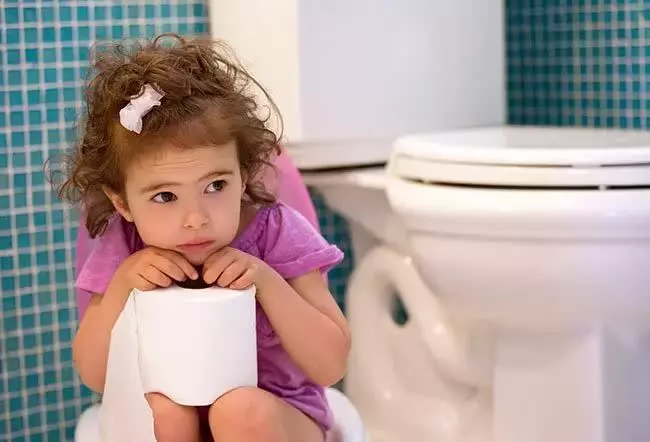
Stool incontinence, medically known as encopresis, is a challenging and often distressing condition characterized by the repeated passage of feces into inappropriate places, such as clothing or the floor, in children typically over the age of four. It is not a behavioral problem or an act of defiance but rather a complex disorder with significant physical and psychological underpinnings. Understanding encopresis requires a multidimensional approach, delving into its causes, the physiological mechanisms at play, the diagnostic process, and the multifaceted treatment strategies.
Understanding the Etiology (Causes) of Stool Incontinence
The etiology of encopresis is predominantly rooted in functional constipation, though other factors can contribute. It is crucial to distinguish between retentive encopresis (with constipation and overflow incontinence) and non-retentive encopresis (without constipation), as their management differs.
1. Functional Constipation (Retentive Encopresis – ~95% of cases): This is the primary cause. The sequence often begins with a painful bowel movement. The child, associating defecation with pain, consciously begins to withhold stool. Common triggers for this initial withholding include:
- Painful Defecation: Passage of a large or hard stool that causes an anal fissure (a small tear in the skin around the anus), making subsequent bowel movements extremely painful.
- Dietary Factors: Insufficient intake of dietary fiber and fluids, leading to harder, drier stools that are difficult to pass.
- Psychosocial Stressors: Stressful life events such as starting school, the birth of a sibling, parental divorce, or other emotional upheavals can disrupt regular bowel habits.
- Toilet Training Issues: Training that was initiated too early, was overly forceful, or was met with significant anxiety and power struggles can create a negative association with using the toilet.
2. Non-Retentive Fecal Incontinence (Non-Retentive Encopresis – ~5% of cases): In these rarer cases, there is no underlying constipation or impaction. The incontinence may be due to:
- Psychological Disorders: Oppositional defiant disorder (ODD) or conduct disorder, where the soiling may be a voluntary act. It can also be a sign of significant emotional distress or trauma.
- Anatomic or Neurological Abnormalities: While less common, conditions like Hirschsprung’s disease (absence of nerve cells in the colon), spinal cord abnormalities (e.g., spina bifida occulta, tethered cord), or anorectal malformations can lead to incontinence.
- Physiological Inability to Sense Rectal Fullness: Some children may have a developmental delay in recognizing the sensation that the rectum is full and needs to be emptied.
Exploring the Pathophysiology (The Disease Process)
The pathophysiology of retentive encopresis is a classic example of a vicious cycle that begins with stool withholding and culminates in overflow incontinence.
- Initial Withholding: The cycle starts when a child holds back stool due to one of the etiological factors mentioned above, most commonly fear of pain.
- Rectal Distension: As more stool is retained in the rectum and colon, the walls of the bowel begin to stretch abnormally (megacolon). This chronic distension reduces the sensitivity of the nerve endings in the rectal wall. The child progressively loses the normal urge to defecate and may no longer even feel the sensation of rectal fullness.
- Impaction and Water Reabsorption: The retained stool becomes progressively harder, drier, and larger, forming a fecal impaction. The colon continues to absorb water from this stagnant stool, making it even more difficult and painful to pass.
- Overflow Incontinence: This is the key pathophysiological event. The impacted mass of stool physically obstructs the colon. Meanwhile, the colon’s natural peristaltic movements continue to push newer, softer, and more liquid stool from higher up in the digestive tract downward. This liquid stool eventually seeps around the hard, impacted mass. Because the rectal muscles are stretched and weakened, and because the child’s sensation is diminished, this leakage occurs involuntarily. The child is often unaware that it is happening until after the fact, leading to the characteristic “skid marks” in the underwear.
This entire process is involuntary. The soiling is not a purposeful act but a physical consequence of a overwhelmed digestive system.
Establishing the Diagnosis
A thorough and empathetic diagnostic process is essential to confirm encopresis, rule out organic causes, and gain the child’s and family’s trust. The process typically involves:
1. Detailed Medical History: This is the most critical diagnostic tool. The healthcare provider will ask about:
- Bowel Pattern: Frequency, consistency (using the Bristol Stool Scale), size, and presence of pain during defecation.
- Soiling Episodes: Frequency, timing (e.g., during the day or night), amount, and the child’s awareness of the event.
- Dietary History: Fluid intake, fiber consumption.
- Toilet Training History: Age and experience.
- Psychosocial History: Stressors at home or school, behavioral patterns, and emotional well-being.
2. Physical Examination:
- Abdominal Exam: Palpation may reveal a palpable, rope-like mass of hardened stool in the lower abdomen.
- Perianal and Rectal Examination: This is vital. The doctor will inspect for anal fissures, skin tags, evidence of soiling, and anal wink reflex (to assess nerve function). A digital rectal exam assesses rectal tone, the size of the rectal vault, and the presence and consistency of impacted stool.
3. Additional Investigations (Used selectively):
- Abdominal X-Ray: Can be used to visualize the extent of fecal loading in the colon and confirm impaction, though it is not always necessary if the history and physical exam are clear.
- Anorectal Manometry: Measures the pressures and reflexes of the anal sphincter and rectum. It is primarily used if Hirschsprung’s disease is suspected, as the rectoanal inhibitory reflex will be absent in that condition.
- Other Tests: Blood tests or MRI of the spine are only considered if an underlying neurological or endocrine condition is suspected based on “red flags” (e.g., failure to thrive, true weakness in the legs, onset from birth).
Implementing a Comprehensive Treatment Plan
Treatment for encopresis is a long-term process that requires patience, consistency, and a team approach involving the family, child, and healthcare provider. The goals are to eliminate impaction, establish regular, pain-free bowel movements, and restore normal bowel sensation and function.
Phase 1: Disimpaction
The first step is to clear the rectum and colon of the impacted stool. This can be achieved using:
- Oral Medications: High doses of polyethylene glycol (PEG) electrolyte solution is the first-line treatment. Sometimes stimulant laxatives like senna or bisacodyl are added for a short period.
- Rectal Medications: If oral disimpaction fails or if impaction is severe, enemas or suppositories may be used for a limited time. This approach is often more distressing for the child and is used judiciously.
Phase 2: Maintenance Therapy to Prevent Re-impaction
Following disimpaction, a maintenance regimen is crucial to prevent stool from re-accumulating while the stretched colon returns to its normal size and tone—a process that can take 6 to 12 months or longer.
- Stool Softeners: Daily doses of osmotic laxatives like PEG or lactulose are the mainstay. The dose is titrated to achieve one to two soft, painless bowel movements daily. Parents must understand that this is not a “quick fix” but a necessary medical therapy to allow the bowel to heal.
- Scheduled Toilet Sits: The child is instructed to sit on the toilet for 5-10 minutes after meals (typically after breakfast and dinner) to capitalize on the gastrocolic reflex, which naturally stimulates colonic motility after eating. This should be a positive, non-punitive experience; the child can read a book or play a game.
Phase 3: Dietary and Behavioral Modifications
- Diet: Encourage a balanced diet rich in fiber (fruits, vegetables, whole grains) and adequate water intake to naturally soften stools.
- Behavioral Reinforcement: Use a star chart or reward system for successful toilet sits and clean pants, not for actual defecation. The focus is on reinforcing the behavior of trying.
- Psychoeducation: Educating the child and family about the pathophysiology is empowering. It absolves the child of blame and shifts the perspective from a “behavioral issue” to a “medical condition we are managing together.”
Phase 4: Tapering and Follow-up
Laxative therapy is continued until the child has established a reliable pattern of bowel movements without soiling for several months. The medication is then tapered very slowly under a doctor’s guidance. Rapid discontinuation almost guarantees relapse. Regular follow-up is essential to monitor progress, adjust medication doses, and provide ongoing support.
In cases of non-retentive encopresis or when significant behavioral or emotional issues are present, referral to a child psychologist or psychiatrist is a critical component of treatment.
Conclusion
Stool incontinence in children is a complex condition born from a cycle of constipation, pain, and withholding. Its management demands a compassionate, evidence-based, and persistent approach. By understanding the etiology and pathophysiology, clinicians can make an accurate diagnosis. Through a structured treatment plan focused on disimpaction, maintenance medication, scheduled toilet habits, and positive reinforcement, the vast majority of children can achieve continence and regain their confidence and quality of life. The journey requires immense patience from families and providers alike, but with consistent effort, a positive outcome is highly achievable.
References
- Nordyke, K., et al. (2021). Evaluation and Treatment of Functional Constipation and Non-Retentive Fecal Incontinence in Children. Journal of Pediatric Gastroenterology and Nutrition, 72(2), 225-231.
- Tabbers, M. M., et al. (2014). Evaluation and Treatment of Functional Constipation in Infants and Children: Evidence-Based Recommendations from ESPGHAN and NASPGHAN. Journal of Pediatric Gastroenterology and Nutrition, 58(2), 258–274.
- American Psychiatric Association. (2013). Diagnostic and Statistical Manual of Mental Disorders (5th ed.). Arlington, VA: American Psychiatric Publishing. (Criteria for Encopresis).
- Brazzelli, M., et al. (2016). Behavioural and cognitive interventions with or without other treatments for the management of faecal incontinence in children. Cochrane Database of Systematic Reviews, (12).
- Rajaratnam, A., & Patel, P. (2020). Encopresis. [Updated 2020 Aug 10]. In: StatPearls [Internet]. Treasure Island (FL): StatPearls Publishing. Available from: https://www.ncbi.nlm.nih.gov/books/NBK560560/