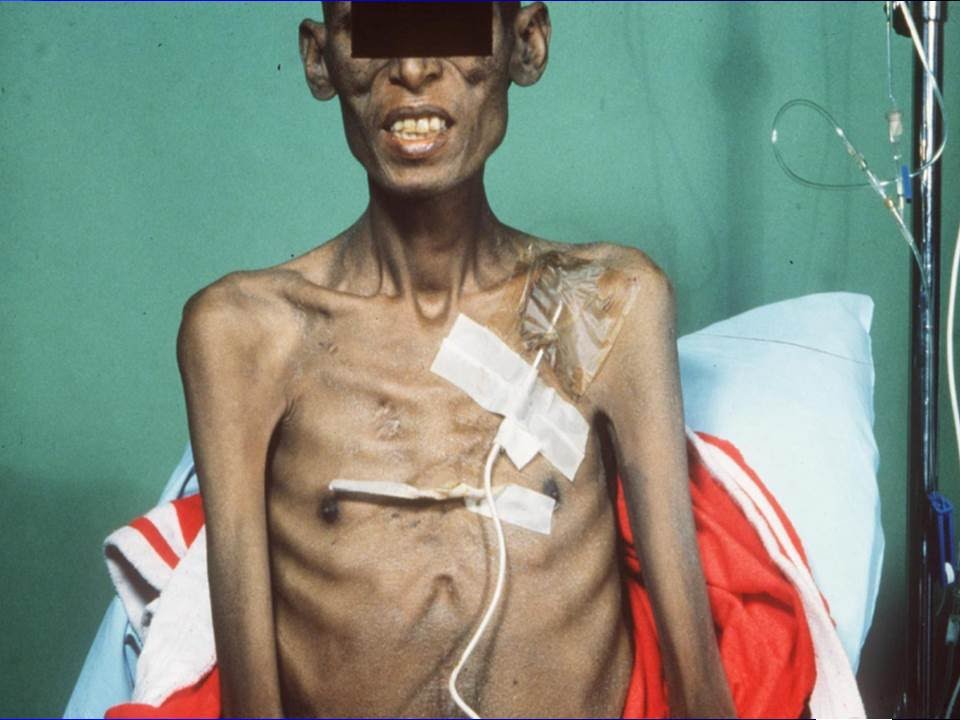
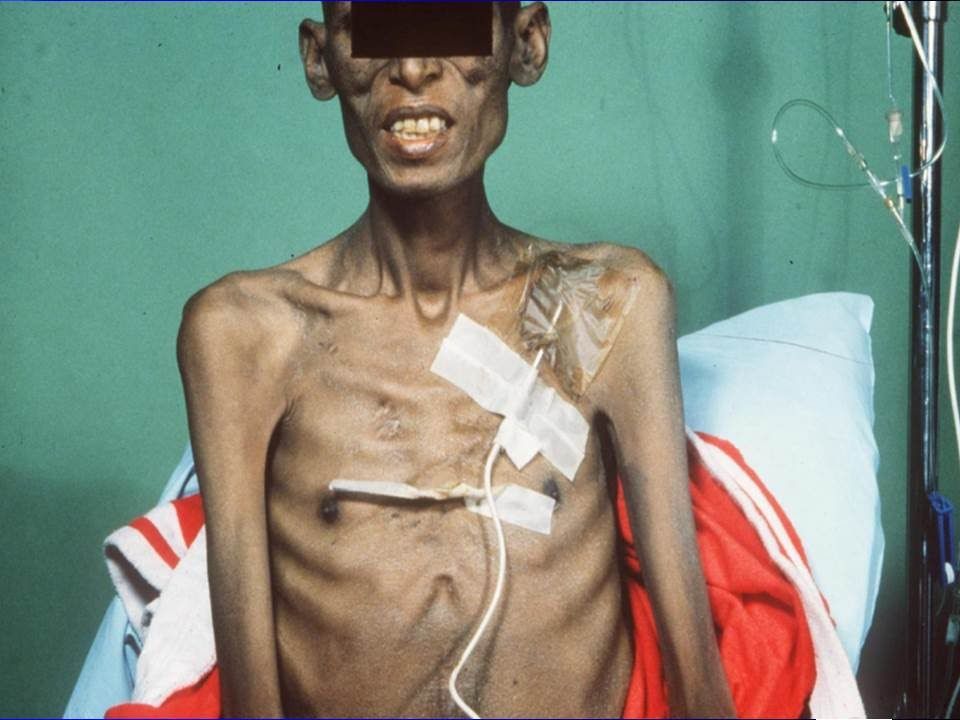
Cachexia is a devastating multifactorial syndrome highly prevalent in cancer patients, significantly impacting quality of life, treatment tolerance, and overall survival. Characterized by a continuous loss of skeletal muscle mass, with or without loss of fat mass, cachexia cannot be fully reversed by conventional nutritional support and leads to progressive functional impairment. Understanding its complex pathophysiology and implementing effective, multimodal treatment strategies are paramount in comprehensive cancer care.
Discussion of Cachexia in Cancer
1. Definition and Diagnostic Criteria
Cachexia, distinct from mere starvation or sarcopenia, is a metabolic syndrome defined by involuntary weight loss, systemic inflammation, and a negative protein and energy balance. While sarcopenia refers specifically to the loss of muscle mass and strength, cachexia encompasses a broader systemic wasting process driven by underlying disease. Unlike starvation, where the body adapts by reducing its metabolic rate and preserving protein stores, cachexia involves an amplified inflammatory response and altered metabolic pathways that actively drive muscle and fat breakdown, even with adequate caloric intake.
The widely accepted diagnostic criteria for cancer cachexia, as outlined by the international consensus group, include:
- Weight loss greater than 5% over the past 6 months (in the absence of simple starvation).
- Or, Body Mass Index (BMI) less than 20 kg/m² and any degree of weight loss greater than 2%.
- Or, sarcopenia combined with any degree of weight loss greater than 2%.
- Additionally, patients often present with signs of systemic inflammation (e.g., elevated C-reactive protein > 5 mg/L), anorexia, fatigue, and decreased physical performance.
2. Pathophysiology and Mechanisms
The pathogenesis of cancer cachexia is highly complex, involving a vicious cycle of host-tumor interactions that dysregulate metabolism at multiple levels. Key mechanisms include:
- Systemic Inflammation: This is a central driver of cachexia. Tumor cells and host immune cells (e.g., macrophages, lymphocytes) release pro-inflammatory cytokines such as Tumor Necrosis Factor-alpha (TNF-α), Interleukin-1 beta (IL-1β), and Interleukin-6 (IL-6). These cytokines directly promote muscle protein degradation, inhibit protein synthesis, induce anorexia, and contribute to insulin resistance. IL-6, in particular, has been strongly correlated with the severity of cachexia and poor prognosis.
- Metabolic Alterations:
- Protein Metabolism Dysregulation: Cytokines activate ubiquitin-proteasome pathway (UPP) in skeletal muscles, leading to accelerated protein breakdown. Simultaneously, protein synthesis is often impaired, resulting in a net negative protein balance and progressive muscle wasting. Myostatin, a potent negative regulator of muscle growth, is also often upregulated in cachectic states, further inhibiting muscle anabolism.
- Lipid Metabolism Alterations: Cancer cachexia is characterized by increased lipolysis (breakdown of fat) and impaired lipogenesis (fat synthesis), leading to adipose tissue wasting. This is partly mediated by tumor-derived factors (e.g., lipid-mobilizing factor, proteolysis-inducing factor) and inflammatory cytokines that activate hormone-sensitive lipase.
- Carbohydrate Metabolism Dysfunction: Patients often exhibit insulin resistance and increased glucose turnover, contributing to a hypermetabolic state. The tumor itself can act as a “glucose trap,” diverting glucose from host tissues and increasing energy expenditure. Gluconeogenesis from amino acids is also often accelerated, further depleting muscle protein stores.
- Neurohormonal Imbalances:
- Anorexia: This is a prominent feature, driven by inflammatory cytokines acting on the hypothalamus, altering the balance of appetite-regulating peptides. Pro-opiomelanocortin (POMC) and corticotropin-releasing hormone (CRH) pathways are activated, while orexigenic signals like neuropeptide Y (NPY) and agouti-related protein (AgRP) are suppressed. Ghrelin, an appetite stimulant, may be reduced, and leptin, an anorexigenic hormone, can be dysregulated.
- Hormonal Deficiencies: Reduced levels of anabolic hormones such as testosterone, insulin-like growth factor 1 (IGF-1), and growth hormone are frequently observed, contributing to muscle catabolism.
- Tumor-Derived Factors: Beyond inflammatory cytokines, tumors can release specific factors that directly impact host metabolism. Proteolysis-inducing factor (PIF) and lipid-mobilizing factor (LMF) are examples that independently contribute to muscle and fat breakdown.
- Mitochondrial Dysfunction: There is increasing evidence that mitochondrial dysfunction and altered bioenergetics play a role in cachexia, leading to reduced energy production and increased reactive oxygen species, further contributing to muscle atrophy and fatigue.
3. Clinical Manifestations and Impact
The clinical impact of cancer cachexia is profound. Patients experience:
- Progressive weakness and fatigue: Severely impairing physical activity and daily living.
- Reduced functional status: Leading to loss of independence and increased need for care.
- Impaired quality of life: Due to physical symptoms, emotional distress, and inability to participate in social activities.
- Decreased tolerance and response to anti-cancer therapies: Cachectic patients often require dose reductions or discontinuation of chemotherapy/radiotherapy, compromising treatment efficacy.
- Increased surgical complications: Higher rates of infection, poor wound healing, and prolonged hospital stays.
- Increased mortality: Cachexia is an independent prognostic factor for poor survival, often being the direct cause of death in 20-40% of cancer patients.
4. Staging of Cachexia
Cachexia is a continuum and can be staged to guide management:
- Pre-cachexia: Characterized by weight loss ≤5% of usual body weight, anorexia, and metabolic changes (e.g., glucose intolerance). Early intervention is most effective at this stage.
- Cachexia: Defined by weight loss >5% or BMI <20 kg/m² with ongoing weight loss >2%, or sarcopenia with >2% weight loss. Systemic inflammation is typically present.
- Refractory Cachexia: This stage describes patients with active underlying cancer, typically unresponsive to anti-cancer treatment, with low performance status (e.g., ECOG ≥3) and an estimated survival of less than 3 months. Management shifts towards palliative and comfort care.
Treatment of Cachexia in Cancer
The treatment of cancer cachexia requires a comprehensive, multimodal approach, as no single intervention has proven universally effective. The goal is to stabilize or reverse weight loss, improve muscle mass and strength, enhance functional status, alleviate symptoms, and ultimately improve quality of life and survival. Early identification and intervention, ideally at the pre-cachexia stage, are crucial.
1. Nutritional Interventions
Nutritional support is foundational but often insufficient on its own due to the underlying metabolic derangements.
- Dietary Counseling and Oral Nutritional Supplements (ONS): Individualized counseling by a registered dietitian is essential. Strategies include small, frequent meals, nutrient-dense foods, high-calorie/high-protein diets, and optimizing food texture and palatability. ONS can provide additional calories, protein, and micronutrients when dietary intake is inadequate. Particular attention is paid to ensuring adequate protein intake (typically 1.2-1.5 g/kg/day) to support muscle anabolism.
- Enteral Nutrition (Tube Feeding): When oral intake is severely compromised or unsafe (e.g., dysphagia), enteral nutrition via a nasogastric tube or percutaneous endoscopic gastrostomy (PEG) can be considered. It helps maintain gut integrity and delivers nutrients directly to the gastrointestinal tract. However, the benefits in reversing cachexia beyond preventing starvation are limited due to the ongoing hypercatabolic state.
- Parenteral Nutrition (Total Parenteral Nutrition (TPN)): TPN involves delivering nutrients intravenously. It is generally reserved for patients with severe malabsorption, intestinal obstruction, or other conditions precluding enteral feeding, especially in those expected to live long enough to benefit. TPN carries risks of infection, metabolic complications, and high cost, and its role in cancer cachexia is primarily to prevent starvation rather than reversing muscle loss.
- Omega-3 Fatty Acids (EPA/DHA): Eicosapentaenoic acid (EPA) and Docosahexaenoic acid (DHA), found in fish oil, have demonstrated anti-inflammatory properties and may help modulate cytokine production, improve appetite, and stabilize weight. Doses of 1-2 grams of EPA per day are often recommended, though consistent evidence of significant improvements in muscle mass remains somewhat mixed in large-scale trials.
2. Pharmacological Interventions
Pharmacological agents aim to stimulate appetite, reduce inflammation, improve anabolism, or combat catabolism.
- Appetite Stimulants:
- Megestrol Acetate (MA): A synthetic progestin, MA is one of the most commonly prescribed appetite stimulants. It increases appetite and leads to weight gain, primarily fat mass rather than lean muscle. Side effects include fluid retention, thrombotic events, and adrenal suppression. Its use is generally for symptomatic relief rather than a definitive cachexia treatment.
- Dronabinol: A synthetic cannabinoid, dronabinol can improve appetite and reduce nausea in some patients. Its efficacy in significant weight gain is modest compared to MA, but it may be beneficial for symptom management.
- Anti-inflammatory Agents:
- Corticosteroids (e.g., Dexamethasone): Can transiently improve appetite, energy, and well-being due to their anti-inflammatory effects. However, long-term use is limited by severe side effects, including muscle atrophy, hyperglycemia, and immunosuppression, making them unsuitable for chronic cachexia management. Short-term use may be considered for symptom control in advanced disease.
- Non-steroidal Anti-inflammatory Drugs (NSAIDs) (e.g., Celecoxib): By inhibiting COX-2, NSAIDs can reduce systemic inflammation and cytokine production. Some studies have shown modest benefits in improving weight and functional status, particularly in patients with high inflammatory markers. However, gastrointestinal and cardiovascular side effects must be considered.
- Anabolic/Anti-catabolic Agents:
- Ghrelin Agonists (e.g., Anamorelin): Ghrelin is a hormone that stimulates appetite and growth hormone release. Anamorelin is a selective ghrelin receptor agonist that has shown promise in clinical trials, leading to increases in body weight (both fat and lean mass), appetite, and improved handgrip strength in some cancer patients. It is approved in some regions (e.g., Japan) for cancer cachexia, but not yet globally.
- Selective Androgen Receptor Modulators (SARMs) (e.g., Enobosarm/Ostarine): These agents selectively target androgen receptors in muscle and bone, promoting anabolic effects while minimizing androgenic side effects. Enobosarm has shown potential in increasing lean body mass and improving physical function in clinical trials, but further regulatory approvals are pending.
- Creatine and Branched-Chain Amino Acids (BCAAs): These supplements are often used by athletes to promote muscle growth. While some studies suggest a potential role in preserving muscle mass in certain conditions, their efficacy in reversing established cancer cachexia is not well-established and requires more research.
- Myostatin Inhibitors: Myostatin is a protein that limits muscle growth. Inhibiting myostatin (e.g., with specific antibodies like Trevogrumab or activin receptor antagonists) represents a promising therapeutic avenue to promote muscle anabolism. Early clinical trials in cancer cachexia are ongoing.
- β-2 Adrenergic Agonists (e.g., Formoterol): These agents have anabolic effects on skeletal muscle, potentially by increasing protein synthesis and reducing protein degradation. Research is ongoing to determine their clinical utility in cancer cachexia.
- Pancreatic Enzyme Replacement Therapy (PERT): For patients with pancreatic cancer or those undergoing pancreatic surgery, exocrine pancreatic insufficiency can lead to malabsorption and exacerbate weight loss. PERT can significantly improve nutrient absorption and reduce gastrointestinal symptoms.
- Other Agents: Metoclopramide is a prokinetic agent that can help manage early satiety and nausea by improving gastric emptying. Research continues into novel agents targeting specific inflammatory pathways (e.g., IL-6 inhibitors) or mitochondrial dysfunction.
3. Exercise and Physical Activity
Exercise intervention is a critical, often underutilized, component of cachexia management. Tailored exercise programs, including both resistance training and aerobic exercise, have demonstrated multiple benefits:
- Preservation and Increase of Muscle Mass and Strength: Resistance training directly stimulates muscle protein synthesis and can counteract muscle atrophy.
- Improvement in Physical Function and Performance: Leading to increased independence and reduced fatigue.
- Enhanced Quality of Life: By improving mood, reducing fatigue, and fostering a sense of control.
- Reduced Inflammation: Regular exercise can have systemic anti-inflammatory effects.
- Improved Appetite and Metabolism: Promoting a more anabolic environment.
Exercise programs should be supervised by physiotherapists or exercise physiologists experienced in oncology, tailored to the patient’s functional status, and gradually progressed. Even in advanced stages, light activity and range-of-motion exercises can provide symptomatic relief and maintain some level of function.
4. Psychological and Supportive Care
Cachexia has significant psychological implications.
- Addressing Anorexia and Dysgeusia: Strategies to manage taste alterations (e.g., using plastic utensils, trying different flavorings) and small, attractive meals can help.
- Managing Depression and Anxiety: Psychosocial support, counseling, and antidepressant medications can improve mood, motivation, and overall well-being.
- Pain Management: Effective pain control is essential, as pain can suppress appetite and limit physical activity.
- Social Support: Involving family and caregivers in meal preparation and encouragement can be beneficial. Palliative care teams play a crucial role in managing complex symptoms and supporting patients and families.
5. Integrated Care Model
Effective management of cancer cachexia necessitates an interdisciplinary team approach. This team should ideally include:
- Oncologist: To manage the underlying cancer and coordinate care.
- Registered Dietitian: For individualized nutritional assessment, counseling, and intervention.
- Physical Therapist/Exercise Physiologist: To develop and supervise exercise programs.
- Palliative Care Specialist: For symptom management, quality of life optimization, and end-of-life planning.
- Psychologist/Social Worker: To address psychological distress and provide social support.
This integrated approach allows for comprehensive assessment, individualized treatment plans, and continuous monitoring to adapt interventions as the patient’s condition evolves.
Conclusion
Cancer cachexia is a pervasive and debilitating syndrome that demands early recognition and proactive intervention. Its complex pathophysiology, driven by systemic inflammation, metabolic dysregulation, and neurohormonal imbalances, necessitates a multifaceted treatment strategy. While significant progress has been made in understanding the mechanisms of cachexia, a single “magic bullet” cure remains elusive. Current best practices emphasize a multimodal approach combining nutritional counseling, targeted pharmacological agents, individualized exercise programs, and comprehensive supportive care. By integrating these interventions within an interdisciplinary framework, clinicians can strive to mitigate the profound impact of cachexia, improve the physical and psychological well-being of cancer patients, enhance their tolerance to anti-cancer treatments, and ultimately extend and improve their quality of life. Continued research into novel therapeutic targets and personalized medicine approaches holds the promise of more effective treatments for this challenging condition in the future.
References
- Fearon, K. C. H., Strasser, F., Anker, S. D., Bosaeus, I., Bruera, J., Fainsinger, R. L., … & Evans, W. J. (2011). Definition and classification of cancer cachexia: an international consensus. The Lancet Oncology, 12(5), 489-495.
- Argilés, J. M., Busquets, S., López-Soriano, F. J., & R. Toledo, M. (2014). Cancer cachexia: a systematic overview of its pathophysiology and therapeutic approaches. Journal of Cachexia, Sarcopenia and Muscle, 5(2), 153-162.
- Aoyagi, T., Terracina, K. P., Harris, B. S., & Fujiwara, Y. (2015). Cancer cachexia, mechanism and clinical management. Current Opinion in Clinical Nutrition & Metabolic Care, 18(4), 405-411.
- Baracos, V. E., Martin, L., & Vosar, H. (2018). Cancer cachexia in clinical practice: a practical approach to an often neglected condition. Oncology (Williston Park, N.Y.), 32(5), 232-237.
- von Haehling, S., & Anker, S. D. (2014). Anamorelin for the treatment of cancer cachexia. Future Oncology, 10(7), 1143-1149.
- Ebner, N., & von Haehling, S. (2019). The diagnosis and treatment of cancer cachexia. Deutsches Ärzteblatt International, 116(18), 312-318.
- Del Fabbro, E., & Bruera, E. (2015). Cachexia: new frontiers in research and treatment. The Lancet Oncology, 16(15), e570-e578.