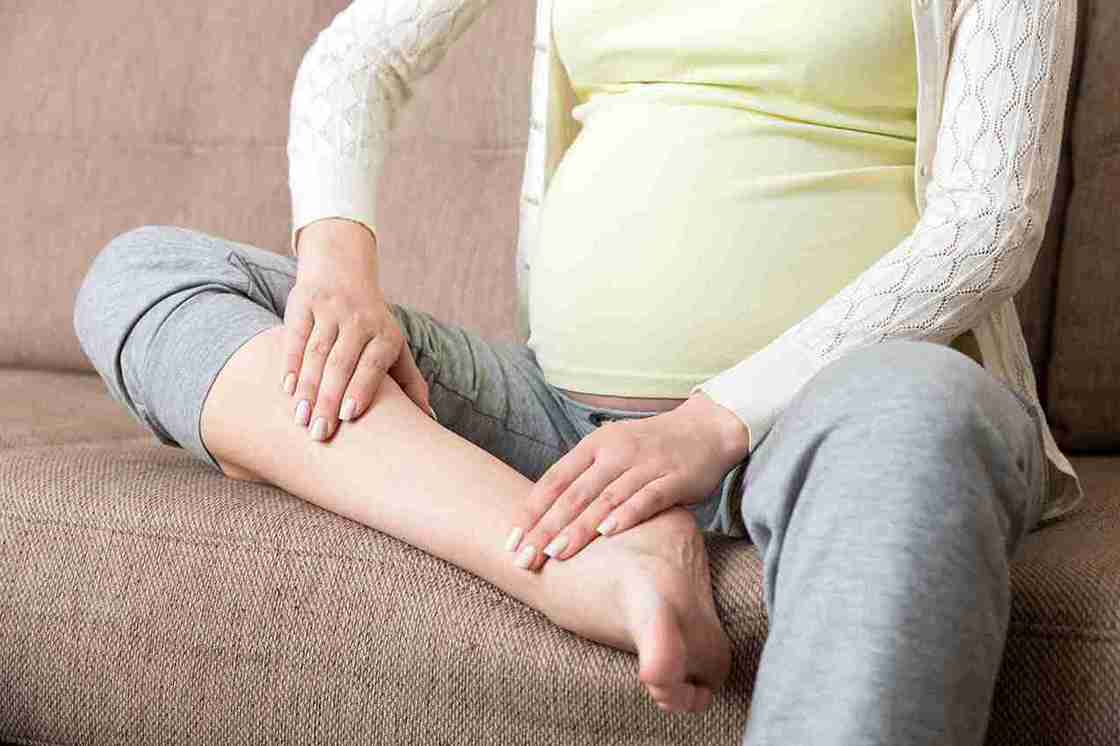

Lower-extremity edema, characterized by swelling in the ankles, feet, and sometimes legs, is a common physiological phenomenon experienced by many women during late pregnancy. While often benign, it can occasionally signal more serious underlying conditions, necessitating careful evaluation and appropriate management. Understanding the multifaceted etiology, comprehensive evaluation strategies, and tailored treatment approaches is crucial for ensuring maternal well-being and optimizing pregnancy outcomes.
Etiology of Lower-Extremity Edema in Late Pregnancy
The development of lower-extremity edema during late pregnancy is primarily driven by a complex interplay of physiological adaptations and mechanical factors unique to gestation. However, it is imperative to differentiate this common benign presentation from pathological causes that demand urgent medical intervention.
I. Physiological Causes (Common and Benign):
- Increased Plasma Volume and Total Body Water: Pregnancy is associated with a significant expansion of both plasma volume (up to 50%) and total body water. This physiological hypervolemia, essential for supporting the uteroplacental unit and maternal organs, leads to an increased hydrostatic pressure within capillaries, promoting fluid extravasation into the interstitial spaces.
- Hormonal Influences:
- Estrogen and Progesterone: Elevated levels of estrogen increase capillary permeability, facilitating fluid leakage. Progesterone, while having a relaxant effect on smooth muscles, can contribute to venous dilation, further impeding venous return.
- Renin-Angiotensin-Aldosterone System (RAAS): Pregnancy induces an activation of the RAAS. Aldosterone, a potent mineralocorticoid, promotes sodium and water reabsorption in the kidneys, contributing to fluid retention.
- Relaxin: This hormone, specifically elevated during pregnancy, can loosen ligaments and connective tissues, including those supporting blood vessels, potentially contributing to venous stasis.
- Mechanical Compression by the Gravid Uterus: As the uterus grows significantly in late pregnancy, it exerts mechanical pressure on the inferior vena cava (IVC) and pelvic veins, particularly when the woman is supine or sitting for extended periods. This compression impedes venous return from the lower extremities to the heart, leading to increased hydrostatic pressure in the veins distal to the compression and subsequent fluid transudation into the interstitial tissues.
- Gravitational Forces: Prolonged standing or sitting allows gravity to further enhance fluid accumulation in the dependent lower extremities, exacerbating the effects of increased venous pressure.
- Reduced Colloid Osmotic Pressure: While total protein levels may slightly decrease due to hemodilution, the overall impact on colloid osmotic pressure is generally minor in healthy physiological edema. However, severe nutritional deficiencies or underlying liver/kidney disease can lead to significant hypoalbuminemia, contributing to more generalized edema.
II. Pathological Causes (Less Common and Potentially Serious):
It is critical to distinguish physiological edema from conditions that require immediate medical attention.
- Pre-eclampsia: This hypertensive disorder of pregnancy, typically presenting after 20 weeks’ gestation, is characterized by new-onset hypertension (blood pressure ≥140/90 mmHg) and proteinuria (≥300 mg/24 hours or protein/creatinine ratio ≥0.3). Edema in pre-eclampsia is often rapid in onset, more generalized (affecting hands and face in addition to lower extremities), and accompanied by other symptoms like severe headache, visual disturbances, epigastric pain, or abnormal liver/kidney function.
- Deep Vein Thrombosis (DVT): Pregnancy is a hypercoagulable state, significantly increasing the risk of DVT. DVT-related edema is typically unilateral, sudden in onset, often accompanied by pain, tenderness, warmth, redness, and sometimes a palpable cord in the affected leg.
- Cardiac Conditions: Pre-existing or newly developed cardiac issues (e.g., congestive heart failure, peripartum cardiomyopathy) can lead to bilateral lower-extremity edema due to impaired cardiac output and systemic fluid overload. Other symptoms like dyspnea, fatigue, and orthopnea would be present.
- Renal Disease: Impaired kidney function, either pre-existing or developing during pregnancy, can lead to fluid retention and edema, often accompanied by proteinuria and elevated serum creatinine.
- Thyroid Dysfunction (Hypothyroidism): Severe hypothyroidism can cause non-pitting edema (myxedema), though this is less common as a primary cause of isolated lower-extremity edema in late pregnancy.
- Allergic Reactions: Sudden, localized edema, especially if accompanied by rash, itching, or respiratory distress, could indicate an allergic reaction.
- Cellulitis: Localized infection of the skin and subcutaneous tissue can cause unilateral, painful, warm, and red swelling.
Evaluation of Lower-Extremity Edema in Late Pregnancy
A thorough and systematic evaluation is paramount to differentiate benign physiological edema from potentially life-threatening conditions. The process involves a detailed medical history, comprehensive physical examination, and selective laboratory and imaging studies.
I. Medical History:
- Onset and Progression: When did the edema start? Was it gradual or sudden? Has it worsened rapidly? Rapid onset and progression, especially if generalized, raises concern for pre-eclampsia. Unilateral, sudden onset points towards DVT.
- Symmetry: Is the edema bilateral or unilateral? Bilateral swelling is common in physiological edema, pre-eclampsia, and systemic conditions. Unilateral swelling is a hallmark of DVT or cellulitis.
- Associated Symptoms:
- Pain: Is the swelling painful? Pain, especially unilateral and severe, suggests DVT.
- Color/Temperature Changes: Redness and warmth could indicate DVT, cellulitis, or inflammation. Paleness might suggest arterial insufficiency (less common in isolated edema).
- Systemic Symptoms: Headaches, visual disturbances (blurred vision, flashing lights), epigastric pain, nausea, vomiting, shortness of breath, chest pain, palpitations, fatigue, or decreased fetal movement are crucial red flags for conditions like pre-eclampsia, cardiac disease, or other systemic pathologies.
- Urinary Symptoms: Changes in urine output, foamy urine (proteinuria) suggest renal involvement or pre-eclampsia.
- Medical History: Inquire about pre-existing conditions (hypertension, diabetes, renal disease, cardiac disease, thyroid disorders, thrombophilia), previous pregnancies (history of pre-eclampsia, DVT), and medications.
- Lifestyle Factors: Prolonged standing/sitting, inadequate hydration, dietary habits (high sodium intake), and activity levels can contribute to physiological edema.
II. Physical Examination:
- General Assessment: Assess the patient’s overall appearance, including signs of distress, pallor, or cyanosis.
- Vital Signs: Accurately measure blood pressure. Elevated blood pressure (≥140/90 mmHg) on two occasions, four hours apart, is a key diagnostic criterion for pre-eclampsia. Assess heart rate and respiratory rate.
- Inspection of Lower Extremities:
- Location and Extent: Note if edema is confined to ankles/feet or extends to calves, thighs, or even generalized (sacrum, hands, face). Generalized edema is a strong indicator of pre-eclampsia or systemic disease.
- Skin Changes: Look for erythema (redness), increased warmth, tenderness, skin discoloration, presence of ulcers, or signs of infection (cellulitis).
- Symmetry: Compare both legs for size and contour.
- Palpation:
- Pitting Edema: Apply firm pressure with a thumb for 5 seconds over a bony prominence (e.g., medial malleolus or tibia). If an indentation remains after releasing pressure, it is pitting edema. The degree of pitting can be graded (+1 to +4) based on depth and duration of indentation. Physiological edema and pre-eclampsia typically present with pitting edema.
- Non-pitting Edema: This is less common but can be seen in lymphedema or severe hypothyroidism (myxedema).
- Tenderness: Palpate for localized tenderness, especially along the calf muscles (Homan’s sign is unreliable and not recommended for DVT diagnosis).
- Peripheral Pulses: Assess dorsalis pedis and posterior tibial pulses bilaterally.
- Assessment for Other Systems: Conduct a targeted examination based on history. This may include a cardiovascular exam (heart sounds, lung sounds for crackles suggesting fluid overload), neurological exam (reflexes, especially hyperreflexia in pre-eclampsia), and examining the hands and face for generalized edema.
III. Laboratory and Imaging Studies (Selective):
- Urinalysis: Test for proteinuria (dipstick or protein/creatinine ratio). This is critical for screening for pre-eclampsia.
- Complete Blood Count (CBC): May reveal hemoconcentration (elevated hematocrit) in severe pre-eclampsia or anemia.
- Renal Function Tests: Serum creatinine, blood urea nitrogen (BUN) to assess kidney function.
- Liver Function Tests: AST, ALT to check for liver involvement, especially in pre-eclampsia (HELLP syndrome).
- Serum Electrolytes: To assess fluid and electrolyte balance.
- Thyroid Function Tests (TSH, free T4): If thyroid disease is suspected.
- D-dimer: A blood test to rule out DVT. While sensitive, it has low specificity in pregnancy due to physiological elevation, so a normal D-dimer strongly rules out DVT, but an elevated one requires further investigation.
- Doppler Ultrasound of Lower Extremities: The gold standard for diagnosing DVT. Indicated for unilateral new-onset edema with pain, or if D-dimer is elevated.
- Fetal Monitoring: In cases of suspected pre-eclampsia or other serious conditions, fetal well-being assessment (non-stress test, biophysical profile, growth ultrasound) is essential.
Treatment of Lower-Extremity Edema in Late Pregnancy
Treatment strategies for lower-extremity edema in late pregnancy are dictated by its etiology. For physiological edema, management focuses on supportive care and lifestyle modifications. For pathological causes, treatment is directed at the underlying condition.
I. Non-Pharmacological Management (for Physiological Edema):
These interventions aim to reduce fluid accumulation and improve venous return.
- Elevation: Elevate the legs above heart level whenever resting. This can be achieved by propping feet on pillows while lying down or using a footrest while sitting.
- Compression Stockings: Graduated compression stockings (15-20 mmHg or 20-30 mmHg) apply pressure that is tightest at the ankle and gradually decreases towards the thigh. This helps to improve venous return and reduce extravasation of fluid. They should be applied in the morning before swelling has a chance to develop and worn throughout the day.
- Regular Physical Activity: Light to moderate exercise, such as walking or swimming, promotes circulation and helps to pump fluid out of the lower extremities. Avoid prolonged standing or sitting.
- Frequent Positional Changes: If standing or sitting for extended periods, take breaks to walk around or elevate the legs. Lying on the left side can alleviate pressure on the IVC.
- Hydration: Maintain adequate fluid intake. Paradoxically, dehydration can signal the body to retain more fluid.
- Dietary Modifications:
- Reduce Sodium Intake: While not a primary cause, excessive sodium can worsen fluid retention. Advise limiting processed foods, salty snacks, and adding extra salt.
- Adequate Protein Intake: Ensure a balanced diet with sufficient protein to maintain colloid osmotic pressure, though this is rarely a primary intervention for mild physiological edema.
- Potassium-rich Foods: Include fruits and vegetables rich in potassium.
- Comfort Measures: Wear comfortable, supportive shoes that accommodate potential foot swelling. Avoid tight clothing or garters around the legs.
- Massage: Gentle massage towards the heart can sometimes help mobilize fluid.
Crucial Note Regarding Diuretics: Diuretics are generally contraindicated for the treatment of physiological edema in pregnancy because they can reduce plasma volume, leading to decreased placental perfusion and potential harm to the fetus. Their use is reserved for specific pathological conditions (e.g., severe cardiac failure) under strict medical supervision.
II. Pharmacological and Specific Management (for Pathological Edema):
Treatment for pathological edema is highly specific to the underlying diagnosis.
- Pre-eclampsia:
- Antihypertensive Medications: To control blood pressure (e.g., labetalol, nifedipine, hydralazine), preventing maternal complications like stroke.
- Magnesium Sulfate: Administered for seizure prophylaxis in severe pre-eclampsia or eclampsia.
- Delivery: Definitive treatment for pre-eclampsia is delivery of the fetus and placenta, often requiring induction of labor or Cesarean section depending on gestational age and severity.
- Deep Vein Thrombosis (DVT):
- Anticoagulation: Low molecular weight heparin (LMWH) is the preferred anticoagulant during pregnancy. Treatment typically continues throughout pregnancy and for at least 6 weeks postpartum.
- Compression Stockings: In addition to anticoagulation, compression stockings are often recommended.
- Cardiac Conditions: Management depends on the specific cardiac pathology and may involve medications like beta-blockers, ACE inhibitors (typically avoided in pregnancy but may be considered postpartum), or diuretics in specific cases, always under specialized cardiac and obstetric care.
- Renal Disease: Management focuses on controlling the underlying renal condition, monitoring electrolytes, and managing fluid balance.
- Cellulitis: Treated with appropriate antibiotics.
III. Monitoring and Patient Education:
Regardless of the cause, ongoing monitoring is essential. This includes regular blood pressure checks, assessment of edema progression, and close communication with the healthcare provider. Patients should be educated on “red flag” symptoms that necessitate immediate medical attention:
- Sudden, rapid swelling of the face or hands.
- Sudden, severe, or unilateral leg swelling, especially if accompanied by pain, redness, or warmth.
- Severe headache, visual changes, or epigastric pain.
- Shortness of breath or chest pain.
- Reduced fetal movement.
Conclusion
Lower-extremity edema is an expected and often benign physiological occurrence during late pregnancy, stemming from hormonal changes, increased blood volume, and mechanical compression by the gravid uterus. However, its presence mandates careful evaluation to distinguish it from more serious pathological conditions such as pre-eclampsia or deep vein thrombosis. A thorough medical history, comprehensive physical examination, and selective diagnostic tests are critical for accurate diagnosis. While physiological edema is primarily managed with supportive lifestyle modifications like elevation, compression, and activity, pathological causes require prompt and specific medical intervention tailored to the underlying condition. Patient education regarding signs of concern and timely medical consultation is paramount to ensure the health and safety of both mother and fetus.
References
- American College of Obstetricians and Gynecologists (ACOG). (2019). Hypertension in Pregnancy. Practice Bulletin No. 203. Obstetrics & Gynecology, 133(1), e1-e25.
- Ginsberg, J. S., & Bates, S. M. (2020). Management of Venous Thromboembolism in Pregnancy. New England Journal of Medicine, 382(3), 261-268.
- Kacvenja, A., & Krunal, K. (2023). Edema in Pregnancy. In: StatPearls [Internet]. Treasure Island (FL): StatPearls Publishing. Available from: https://www.ncbi.nlm.nih.gov/books/NBK560759/
- Poon, L. C., & Nicolaides, K. H. (2014). Early Prediction of Pre-eclampsia. Obstetrics, Gynaecology & Reproductive Medicine, 24(7), 213-219.
- Sangrasi, A. K., Memon, S., & Malik, Z. (2013). Lower limb edema in pregnancy: An overview. Journal of Pakistan Medical Association, 63(6), 727-729.
- Sibai, B. M., Stella, C. L., & Uzan, J. (2016). Management of severe preeclampsia: a new approach. American Journal of Obstetrics and Gynecology, 214(5), S11-S17.
- Stevens, M., & Thaler, J. J. (2023). Deep vein thrombosis in pregnancy: Diagnosis and management. UpToDate. Retrieved from [UpToDate website, subscription required for full access].