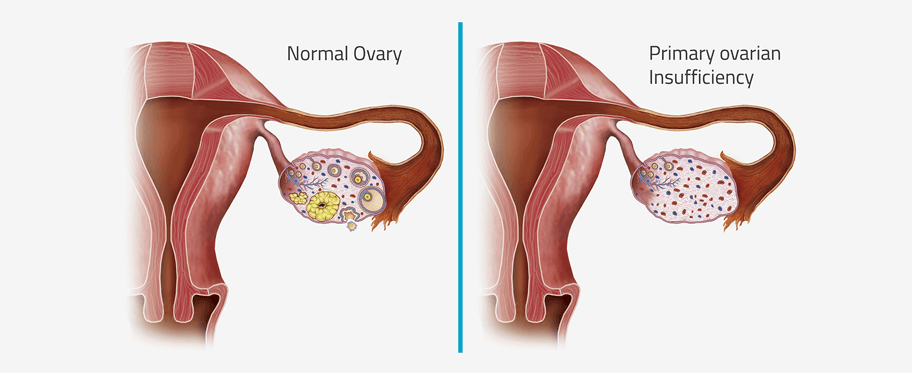
Primary Ovarian Insufficiency (POI), often referred to as premature ovarian failure, is a complex clinical syndrome characterized by the cessation of ovarian function before the age of 40. This condition affects approximately 1% of women under 40 and 0.1% of women under 30 (De Vos et al., 2010). Unlike natural menopause, which is a physiological process, POI represents a pathological condition where the ovaries fail to produce sufficient estrogen and progesterone and release eggs, leading to irregular or absent menstrual periods and infertility. The impact of POI extends beyond reproductive health, significantly affecting a woman’s overall well-being and increasing the risk of various long-term health complications due to prolonged estrogen deficiency. Understanding POI comprehensively, from its diverse etiologies to its multifaceted management strategies, is crucial for healthcare providers to offer timely diagnosis and effective, patient-centered care.
Etiology of Primary Ovarian Insufficiency
The causes of POI are highly heterogeneous, often idiopathic, but can be broadly categorized into several groups, reflecting the diverse mechanisms that can lead to premature ovarian dysfunction. A precise etiological diagnosis is challenging, with over 90% of cases remaining unexplained (idiopathic) even after thorough investigation (Nelson, 2009).
- Genetic Factors: Genetic abnormalities are implicated in a significant proportion of POI cases, particularly in younger women.
- Chromosomal Abnormalities: Karyotypic abnormalities are found in 10-15% of women with POI (Goswami & Conway, 2005). The most common is Turner syndrome (45,X) or its mosaic variants (e.g., 45,X/46,XX), where ovarian development is impaired from fetal life. Other X chromosome deletions, translocations, or partial monosomies can also lead to POI by affecting genes critical for ovarian function.
- Single Gene Mutations: A growing number of specific gene mutations have been linked to POI. These include mutations in genes involved in ovarian development (e.g., BMP15, FMR1), DNA repair, meiosis, and follicle maturation. The FMR1 (Fragile X Mental Retardation 1) gene pre-mutation is a notable cause, particularly in familial cases, accounting for 1-10% of POI (Hundscheid et al., 2001). Women with an FMR1 pre-mutation may experience a spectrum of ovarian dysfunction, from normal function to POI.
- Autoimmune Disorders: Autoimmunity is considered a significant contributor to POI, accounting for 10-30% of cases (La Marca et al., 2009). In autoimmune POI, the immune system mistakenly attacks ovarian tissues, leading to follicular destruction and dysfunction.
- Isolated Autoimmune Oophoritis: This specifically targets the ovaries.
- Part of a Polyglandular Autoimmune Syndrome: POI can occur as a component of broader autoimmune conditions, such as autoimmune polyglandular syndrome type 1 (APCG1) which often involves adrenal insufficiency (Addison’s disease), hypoparathyroidism, and mucocutaneous candidiasis; or type 2 (APCG2) which frequently includes autoimmune thyroid disease (Hashimoto’s thyroiditis or Graves’ disease), type 1 diabetes mellitus, and vitiligo. Screening for other autoimmune conditions is crucial in women diagnosed with autoimmune POI.
- Iatrogenic Causes: Medical interventions can inadvertently damage ovarian function.
- Chemotherapy: Alkylating agents, in particular, are highly gonadotoxic, causing dose-dependent and age-dependent follicle destruction. Younger women and those receiving lower doses may experience transient ovarian suppression, but POI risk increases significantly with age and cumulative dose (Meirow & Biedermann, 2014).
- Radiation Therapy: Pelvic radiation, especially to the ovaries, can destroy follicles. The extent of damage is dependent on the radiation dose, field, and age of the patient.
- Surgical Interventions: Bilateral oophorectomy (surgical removal of both ovaries) inevitably leads to POI. Unilateral oophorectomy or ovarian cystectomies can also reduce ovarian reserve, potentially increasing the risk of subsequent POI if the remaining ovary is compromised or if there’s an underlying predisposition.
- Infections: Certain viral infections have been hypothesized to cause ovarian damage, though direct evidence is often limited. Mumps oophoritis, for example, is a rare but recognized cause. Other potential viral triggers include cytomegalovirus and varicella-zoster virus, but their role remains largely speculative or poorly understood.
- Environmental Toxins: Exposure to environmental toxins, such as pesticides, industrial chemicals, and certain components of tobacco smoke, has been suggested to contribute to ovarian aging and potentially POI, though direct causal links are often difficult to establish conclusively in human studies.
- Metabolic Disorders: Rarely, certain metabolic disorders, like galactosemia, can lead to POI due to the accumulation of toxic metabolites that damage ovarian cells.
- Idiopathic POI: Despite extensive investigations, a significant proportion (up to 90%) of POI cases remain unexplained. This category highlights the current limitations in diagnostic capabilities and underscores the need for further research into unknown genetic, epigenetic, or environmental factors.
Symptoms and Signs of Primary Ovarian Insufficiency
The clinical presentation of POI can vary, but it primarily stems from estrogen deficiency and a lack of ovulation. The onset can be abrupt or gradual, leading to a range of physical and psychological symptoms.
- Menstrual Irregularities: This is often the first and most defining symptom.
- Oligomenorrhea: Infrequent menstrual periods.
- Amenorrhea: Complete absence of menstrual periods for at least four to six consecutive months (after previous regular cycles). This is a hallmark of POI.
- Periods may become progressively lighter and shorter before cessation.
- Symptoms of Estrogen Deficiency: These are similar to those experienced during natural menopause, but occurring at a much younger age.
- Vasomotor Symptoms: Hot flashes (sudden feelings of warmth, often accompanied by sweating and flushing) and night sweats are very common, affecting a large majority of women with POI.
- Vaginal Dryness and Dyspareunia: Reduced estrogen levels lead to thinning and atrophy of vaginal tissues, causing dryness, itching, irritation, and painful intercourse.
- Sleep Disturbances: Insomnia and difficulty falling or staying asleep, often exacerbated by night sweats.
- Mood Changes: Irritability, anxiety, depression, and mood swings are frequently reported, influenced by hormonal fluctuations and the emotional impact of the diagnosis (particularly infertility).
- Cognitive Changes: Some women report difficulty concentrating or “brain fog.”
- Fatigue: Persistent tiredness and lack of energy.
- Infertility: This is a primary concern for many women diagnosed with POI. Although spontaneous ovulation and pregnancy can occur in a small percentage (5-10%), it is rare (Wadman et al., 2017).
- Long-term Health Indicators and Signs: While not direct symptoms, these are important signs of the underlying estrogen deficiency and carry significant health implications that require monitoring.
- Reduced Bone Mineral Density (BMD): Prolonged estrogen deficiency accelerates bone loss, leading to osteopenia and osteoporosis, increasing the risk of fractures.
- Increased Cardiovascular Risk: Estrogen plays a protective role in cardiovascular health. Its premature withdrawal can increase the risk of heart disease, hypertension, and adverse lipid profiles (elevated LDL cholesterol, reduced HDL cholesterol).
- Other Autoimmune Manifestations: If POI is autoimmune in origin, there may be signs or symptoms of co-existing autoimmune conditions, such as thyroid dysfunction (fatigue, weight changes, hair loss), adrenal insufficiency (hypotension, unexplained weight loss, hyperpigmentation), or type 1 diabetes (polydipsia, polyuria, weight loss).
- Physical Examination: A physical exam may reveal normal secondary sexual characteristics (indicating previous estrogen exposure) or signs of estrogen deficiency (e.g., vaginal atrophy). No specific physical signs are pathognomonic for POI itself, but findings might point towards underlying causes (e.g., stigmata of Turner syndrome, vitiligo).
Diagnosis of Primary Ovarian Insufficiency
The diagnosis of POI relies on a combination of clinical symptoms and specific biochemical markers. It is crucial to differentiate POI from other causes of amenorrhea and to establish the diagnosis definitively to guide appropriate management.
- Clinical History:
- Age of onset of symptoms: Cessation of menses before age 40.
- Menstrual pattern: Irregular cycles, oligomenorrhea, or amenorrhea.
- Symptoms of estrogen deficiency: Hot flashes, night sweats, vaginal dryness.
- Previous medical history: History of autoimmune diseases, chemotherapy, radiation, ovarian surgery, or family history of POI or autoimmune conditions.
- Medication use: Rule out medications that can affect menstrual cycles.
- Pregnancy status: Rule out pregnancy as a cause of amenorrhea.
- Physical Examination:
- Assess general health, including blood pressure and body mass index.
- Evaluate for signs of estrogen deficiency (e.g., vaginal atrophy).
- Examine for signs of underlying conditions (e.g., thyroid goiter, vitiligo, features suggestive of Turner syndrome).
- Laboratory Investigations:
- Follicle-Stimulating Hormone (FSH): The primary diagnostic criterion. FSH levels will be elevated (typically >25 mIU/mL, often >40 mIU/mL) reflecting the pituitary gland’s attempt to stimulate non-responsive ovaries. Levels should be measured on at least two occasions, at least 4-6 weeks apart, to confirm persistent elevation (Practice Committee of the American Society for Reproductive Medicine, 2014).
- Estradiol (E2): Estradiol levels will be low (<50 pg/mL), indicating diminished ovarian estrogen production.
- Anti-Müllerian Hormone (AMH): Low or undetectable AMH levels are indicative of diminished ovarian reserve, but AMH alone is not diagnostic for POI, as it can be low in women with normal ovarian function approaching menopause. However, it serves as a sensitive marker of ovarian function.
- Thyroid-Stimulating Hormone (TSH) and Free Thyroxine (T4): To screen for autoimmune thyroid disease, as it frequently co-occurs with POI.
- Prolactin: To rule out hyperprolactinemia as a cause of amenorrhea.
- Adrenal Antibodies and Cortisol: If clinical suspicion of adrenal insufficiency exists (e.g., in polyglandular autoimmune syndromes).
- Karyotype Analysis: Recommended for all women diagnosed with POI, especially below 30, to identify chromosomal abnormalities (e.g., Turner syndrome, X chromosome deletions).
- FMR1 Pre-mutation Screening: Especially important in women with a family history of POI, Fragile X syndrome, or intellectual disability, as it guides genetic counseling and reproductive planning.
- Ovarian Autoantibodies: While not routinely recommended due to low sensitivity and specificity, certain autoantibodies (e.g., steroid cell antibodies) can be found in some cases of autoimmune POI.
Treatment of Primary Ovarian Insufficiency
The management of POI focuses primarily on two key objectives: alleviating symptoms of estrogen deficiency and mitigating the long-term health risks associated with it, as well as addressing fertility concerns.
- Hormone Replacement Therapy (HRT):
- Purpose: HRT is the cornerstone of POI management for non-contraindicated individuals until the average age of natural menopause (around 50-51 years). It is prescribed to replace the hormones the ovaries are no longer producing, primarily estrogen and progesterone.
- Benefits:
- Symptom Relief: Effectively reduces hot flashes, night sweats, vaginal dryness, and improves sleep and mood.
- Bone Health: Prevents bone loss and reduces the risk of osteoporosis and fractures.
- Cardiovascular Health: May reduce the increased risk of cardiovascular disease associated with premature estrogen deficiency, potentially by maintaining endothelial function and favorable lipid profiles.
- Cognitive Function: May offer some protective effects on cognitive function.
- Regimens:
- Estrogen: Typically administered continuously (oral, transdermal patch, gel). The dose should be equivalent to physiological levels.
- Progesterone (or progestin): Added for women with an intact uterus to protect the endometrium from unopposed estrogen, which can lead to endometrial hyperplasia and cancer. Progesterone can be administered cyclically or continuously.
- Duration: HRT is generally recommended until at least the average age of natural menopause (around 50-51 years), at which point a shared decision-making process with the patient should determine continuation based on individual risks and benefits (Meldrum et al., 2011).
- Side Effects and Risks: While concerns about HRT risks (breast cancer, cardiovascular events, stroke) have been raised in studies of older postmenopausal women, these risks are generally not considered relevant for women with POI who are replacing hormones to physiological levels. The benefits of HRT in this population far outweigh the risks (Santen et al., 2011).
- Fertility Management:
- Limited Spontaneous Pregnancy: As spontaneous pregnancy is rare (5-10%), assisted reproductive technologies (ART) are usually required for women wishing to conceive.
- Oocyte Donation (Egg Donation): This is the most effective fertility option for women with POI, offering high success rates (Dolea et al., 2015). Eggs from a donor are fertilized with the partner’s sperm (or donor sperm), and the resulting embryos are transferred to the recipient’s uterus, which has been prepared with HRT.
- Adoption: Another viable pathway to parenthood.
- Psychological Support: The diagnosis of POI and the associated infertility can be devastating. Psychological counseling, support groups, and patient education are essential to help women cope with the emotional distress, grief, and identity challenges.
- Lifestyle Modifications and Supplemental Care:
- Bone Health: Regular weight-bearing exercise, adequate calcium (1200 mg/day) and vitamin D (800-1000 IU/day) intake are crucial. Bone mineral density (BMD) testing (DEXA scan) should be considered at diagnosis and periodically thereafter.
- Cardiovascular Health: A heart-healthy diet, regular physical activity, maintenance of a healthy weight, and avoidance of smoking are important. Regular monitoring of blood pressure, lipids, and glucose metabolism is recommended.
- Psychological Support: Ongoing support to manage the emotional and psychological impact of POI, including anxiety, depression, and body image issues.
- Management of Co-existing Autoimmune Conditions:
- Regular screening for associated autoimmune diseases (e.g., thyroid dysfunction, adrenal insufficiency, type 1 diabetes) is vital due to their high prevalence in women with autoimmune POI. This includes annual screening for TSH, blood glucose, and consideration of adrenal antibody testing.
Guidelines for Primary Ovarian Insufficiency
Professional organizations have developed guidelines to standardize the diagnosis and management of POI, emphasizing early intervention and comprehensive care.
- Diagnosis:
- Consensus Definition: The diagnosis of POI requires amenorrhea or oligomenorrhea for at least 4-6 months, occurring before age 40, coupled with elevated FSH levels (>25-40 mIU/mL on two occasions at least 4-6 weeks apart) and low estradiol levels (<50 pg/mL) (ESHRE Guideline, 2016; ACOG Practice Bulletin, 2020).
- Exclusion of Other Causes: Rule out pregnancy, hyperprolactinemia, and thyroid dysfunction.
- Etiological Workup: All women with POI should undergo karyotype analysis and FMR1 pre-mutation testing. Screening for autoimmune conditions (TSH, adrenal antibodies if clinically indicated) is also recommended.
- Hormone Replacement Therapy (HRT):
- Recommendation: HRT is strongly recommended for all women with POI, unless contraindicated, until at least the average age of natural menopause (50-51 years) (ACOG Practice Bulletin, 2020; ESHRE Guideline, 2016).
- Dosage: Effective doses should mimic physiological levels. Oral estrogen (e.g., 1-2 mg estradiol) or transdermal estrogen (e.g., 50-100 mcg patch) combined with a progestin for women with an intact uterus.
- Risks vs. Benefits: The benefits of HRT in POI (bone health, cardiovascular health, symptom relief) are considered to outweigh the risks observed in older women initiating HRT after menopause.
- Bone Health:
- Calcium and Vitamin D: Advise adequate intake (1200 mg calcium, 800-1000 IU vitamin D daily).
- DEXA Scan: Consider baseline DEXA scan at diagnosis, especially if HRT initiation is delayed or contraindicated, and subsequent scans every 1-2 years as needed (ACOG Practice Bulletin, 2020).
- Cardiovascular Health:
- Risk Factor Management: Encourage a healthy lifestyle, monitor blood pressure, lipids, and glucose regularly.
- HRT’s Role: HRT is believed to be cardioprotective in women with POI (Santen et al., 2011).
- Fertility Counseling:
- Early Discussion: Provide comprehensive counseling on fertility options, emphasizing oocyte donation as the most successful method.
- Psychological Support: Offer access to counseling services to help women cope with infertility and the emotional challenges of POI.
- Long-Term Follow-up:
- Annual Reviews: Regular follow-up with a healthcare provider to monitor HRT efficacy, screen for associated autoimmune conditions, assess bone density, and evaluate cardiovascular risk factors (ACOG Practice Bulletin, 2020).
- Specialist Referrals: Referrals to endocrinologists, genetic counselors, fertility specialists, and mental health professionals as needed are integral to holistic care.
In conclusion, Primary Ovarian Insufficiency is a significant health concern for young women, impacting their reproductive capabilities and overall health. A comprehensive, step-by-step approach to its understanding, diagnosis, and management is paramount. By adhering to established guidelines for HRT, fertility counseling, and long-term health surveillance, healthcare providers can significantly improve the quality of life and health outcomes for women living with POI. Continued research into the idiopathic causes and novel therapeutic strategies remains crucial to further enhance care for this uniquely challenging condition.
References
- ACOG Practice Bulletin No. 200: Primary Ovarian Insufficiency. (2020). Obstetrics & Gynecology, 135(5), e213-e220.
- De Vos, M., Devroey, P., & Fauser, B. C. (2010). Primary ovarian insufficiency. The Lancet, 376(9744), 911-921.
- Dolea, B., et al. (2015). Oocyte donation in women with primary ovarian insufficiency. Fertility and Sterility, 103(6), 1391-1397.
- ESHRE Guideline Development Group. (2016). ESHRE guideline: management of women with premature ovarian insufficiency. Human Reproduction, 31(11), 2419-2436.
- Goswami, D., & Conway, G. S. (2005). Premature ovarian failure. Human Reproduction Update, 11(4), 391-410.
- Hundscheid, R., et al. (2001). Genotype-phenotype correlation in FMR1 premutation carriers. American Journal of Human Genetics, 68(2), 481-487.
- La Marca, A., et al. (2009). The diagnosis of primary ovarian insufficiency: a Critical appraisal. European Journal of Obstetrics & Gynecology and Reproductive Biology, 145(2), 143-149.
- Meirow, D., & Biedermann, H. (2014). Gonadotoxicity and fertility preservation in cancer patients. Fertility and Sterility, 102(3), 633-642.
- Meldrum, D. R., et al. (2011). Hormone therapy management of menopause. Obstetrics & Gynecology, 117(3), 675-684.
- Nelson, L. M. (2009). Clinical practice. Primary ovarian insufficiency. New England Journal of Medicine, 360(6), 606-614.
- Practice Committee of the American Society for Reproductive Medicine. (2014). Definitions of infertility and recurrent pregnancy loss: a committee opinion. Fertility and Sterility, 101(3), 608.
- Santen, R. J., et al. (2011). Postmenopausal Hormone Therapy: An Endocrine Society Scientific Statement. The Journal of Clinical Endocrinology & Metabolism, 96(5), 1210-1232.
- Wadman, K. T., et al. (2017). Pregnancy in women with primary ovarian insufficiency: a systematic review and meta-analysis. Fertility and Sterility, 107(5), 1157-1166.e2.