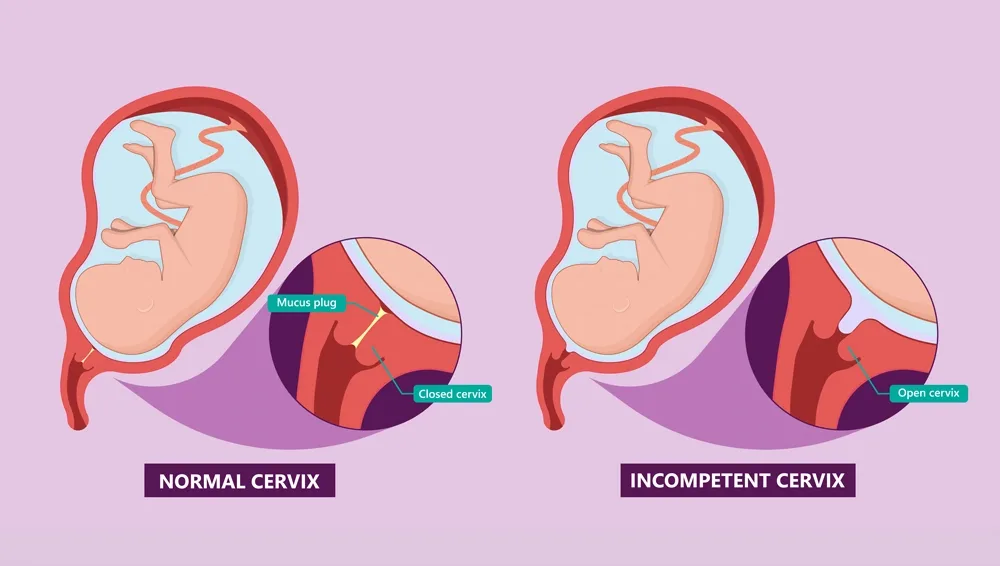
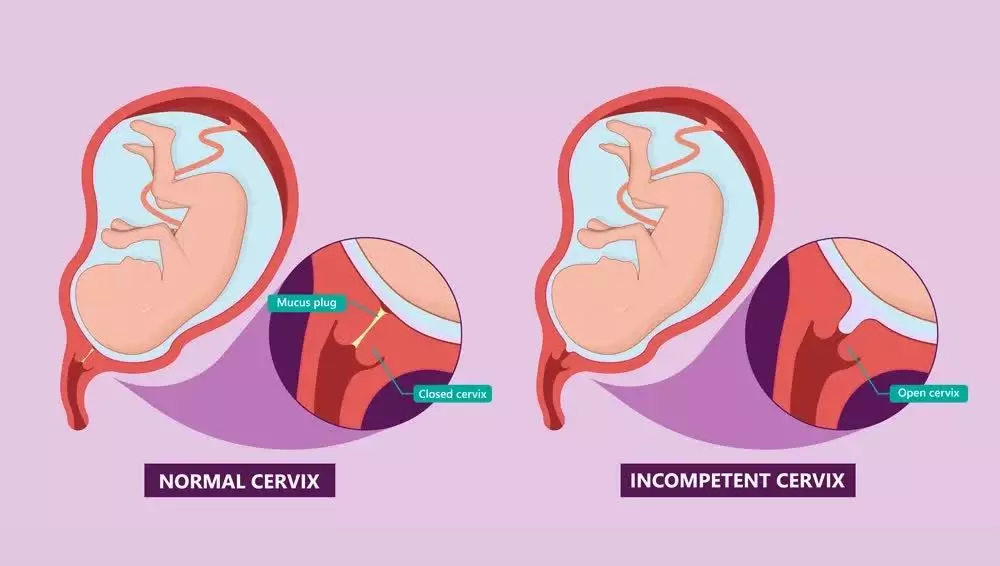
Cervical insufficiency, historically referred to as an incompetent cervix, is a complex and often distressing obstetric condition characterized by the inability of the uterine cervix to retain a pregnancy in the second trimester, in the absence of clinical signs of uterine contractions, labor, or both. The cervix, a muscular canal connecting the uterus to the vagina, normally remains long, firm, and closed throughout the majority of a pregnancy, acting as a crucial mechanical barrier to protect the developing fetus. In cases of cervical insufficiency, this barrier function fails prematurely. The cervix undergoes painless and progressive shortening (effacement) and opening (dilation), which can lead to the bulging of the amniotic sac into the vagina and, ultimately, result in devastating outcomes such as mid-trimester pregnancy loss or extreme preterm birth. Understanding the multifaceted nature of this condition—from its origins to its management—is paramount for improving perinatal outcomes for affected individuals.
Etiology of Cervical Insufficiency
The underlying cause of cervical insufficiency is often multifactorial, involving a combination of structural abnormalities, biochemical factors, and inflammatory processes. A definitive cause is frequently not identified, but several well-established risk factors are associated with the condition. These can be broadly categorized as congenital and acquired.
1. Congenital Factors: These are intrinsic weaknesses or abnormalities present from birth.
- Müllerian Duct Anomalies: Congenital malformations of the female reproductive tract, such as a bicornuate or septate uterus, can be associated with cervical structural defects. These anomalies arise from improper development of the Müllerian ducts during fetal life and can compromise the integrity of the cervix.
- Collagen Disorders: The structural integrity of the cervix is heavily dependent on its collagen composition. Genetic disorders that affect connective tissue, such as Ehlers-Danlos syndrome and Marfan syndrome, can result in a cervix that is inherently weaker and more prone to premature dilation under the growing weight of the uterus.
- In Utero Diethylstilbestrol (DES) Exposure: Although now a historical risk factor, women who were exposed to the synthetic estrogen DES while in their mother’s womb have a higher incidence of T-shaped uterine cavities and other structural cervical anomalies, predisposing them to cervical insufficiency.
2. Acquired Factors: These factors result from damage or alteration to the cervix that occurs after birth, often from trauma or medical procedures.
- Cervical Trauma from Previous Pregnancies: The most significant acquired risk factor is trauma sustained during a previous labor and delivery. A deep cervical laceration that occurred during a difficult vaginal birth can create a point of weakness. Similarly, a rapid or instrumented delivery (e.g., forceps or vacuum) can cause unrecognized damage that compromises cervical function in subsequent pregnancies.
- Surgical Trauma to the Cervix: Procedures that involve dilating the cervix or removing cervical tissue are strongly linked to an increased risk of insufficiency.
- Dilation and Curettage (D&C): Aggressive or repeated mechanical dilation of the cervix for procedures like pregnancy termination or miscarriage management can cause micro-trauma and scarring.
- Cervical Conization or LEEP: The Loop Electrosurgical Excision Procedure (LEEP) and cone biopsies are performed to remove precancerous cells from the cervix. By excising a significant portion of cervical tissue, these procedures can reduce the functional length and structural integrity of the cervix. The more tissue that is removed, the greater the subsequent risk.
- Inflammation and Infection: There is a growing understanding that cervical insufficiency may not solely be a mechanical issue but can also be driven by a subclinical inflammatory or infectious process. Intra-amniotic infection can trigger an inflammatory cascade that releases enzymes like collagenases and elastases, which degrade the cervical collagen matrix, leading to premature softening and dilation.
Symptoms and Signs of Cervical Insufficiency
One of the most challenging aspects of cervical insufficiency is its often silent and insidious presentation. The classic description is one of painless cervical dilation. Unlike preterm labor, which is characterized by regular, painful uterine contractions, cervical insufficiency progresses without these hallmark symptoms. However, some women may experience subtle, non-specific signs, particularly between 14 and 20 weeks of gestation. These can include:
- Pelvic Pressure: A sensation of fullness or heaviness in the pelvis or vagina.
- Pre-menstrual Like Aching: A mild, dull ache in the lower back or lower abdomen.
- Change in Vaginal Discharge: An increase in the volume of discharge, or a change in its consistency to become more watery, mucous-like, or tinged with blood (light spotting).
- Urinary Frequency: A new onset of frequent urination.
- Sensation of “Something in the Vagina”: In advanced cases, the woman may feel the bulging amniotic sac at the opening of the vagina.
On physical examination, a clinician may discover significant cervical effacement and dilation that is disproportionate to any reported symptoms. In some cases, the fetal membranes are visibly bulging through the external cervical os, a condition known as “hourglassing membranes.”
Diagnosis of Cervical Insufficiency
Diagnosing cervical insufficiency is notoriously difficult and is often a diagnosis of exclusion made retrospectively. There is no single definitive test to confirm the condition outside of pregnancy. The diagnostic process relies on a combination of a patient’s obstetric history, clinical examination, and ultrasound findings.
1. History-Based Diagnosis: This is considered the strongest basis for a diagnosis. A classic history suggestive of cervical insufficiency includes one or more second-trimester pregnancy losses characterized by painless cervical dilation and the absence of uterine labor or placental abruption. A history of progressively earlier deliveries in successive pregnancies also raises suspicion.
2. Transvaginal Ultrasound (TVU) Surveillance: For women with risk factors, serial transvaginal ultrasound is the primary tool for evaluating the cervix during pregnancy. It provides an objective and accurate measurement of cervical length.
- Cervical Length Measurement: A short cervical length, typically defined as less than 25 millimeters (mm) before 24 weeks of gestation, is a powerful predictor of preterm birth. While a short cervix is not synonymous with cervical insufficiency, it indicates that the cervix may be failing to perform its barrier function. In at-risk women, serial measurements are often performed every one to two weeks between 16 and 24 weeks.
- Cervical Funneling: TVU can also detect “funneling,” which is the ballooning open of the internal cervical os (the opening closer to the uterus). This creates a V- or U-shaped indentation on the ultrasound image and is another sign of cervical weakening.
3. Physical Examination: In some cases, the diagnosis is made incidentally during a routine prenatal visit or when a patient presents with subtle symptoms. A speculum or digital examination that reveals advanced, painless cervical dilation in the second trimester is diagnostic. This is often an urgent situation requiring immediate intervention.
Treatment of Cervical Insufficiency
The goal of treatment is to reinforce the cervix and prolong the pregnancy to a gestational age where the fetus has a high chance of survival. Management strategies are tailored based on the patient’s history and current clinical findings.
1. Cervical Cerclage: This is a surgical procedure in which a suture is placed around the cervix, like a purse-string, to provide mechanical support and keep it closed.
- History-Indicated (Prophylactic) Cerclage: This is placed electively in early pregnancy, typically between 12 and 14 weeks, for women with a classic history of cervical insufficiency (e.g., multiple second-trimester losses).
- Ultrasound-Indicated (Therapeutic) Cerclage: This is placed when serial ultrasound surveillance in an at-risk woman reveals a short cervix (e.g., <25 mm) before 24 weeks of gestation.
- Exam-Indicated (Rescue or Emergency) Cerclage: This is performed when a patient presents with painless cervical dilation on physical examination. While it carries higher risks of complications like membrane rupture and infection, it can be successful in prolonging pregnancy. The cerclage is typically removed in an office setting around 36-37 weeks of gestation to allow for a potential vaginal delivery.
2. Progesterone Supplementation: Progesterone, a key hormone in pregnancy, is believed to promote uterine quiescence and has anti-inflammatory properties that may help maintain cervical integrity. Vaginal progesterone has been shown in large clinical trials to significantly reduce the rate of preterm birth in women with a short cervix detected on ultrasound. It is often used as a first-line treatment for women with an incidental short cervix without a history of preterm birth, and it can also be used as an adjunct to cerclage.
3. Arabin Pessary: A pessary is a round, silicone device placed around the cervix to provide support and change the uterocervical angle. Its use is more common in Europe than in the United States, and its effectiveness remains a subject of ongoing research, with clinical trials showing mixed results. It is generally considered a less invasive alternative to cerclage.
4. Activity Restriction and Bed Rest: Historically, bed rest and reduced physical activity were standard recommendations. However, there is no high-quality evidence to support their efficacy. Major medical organizations, including the American College of Obstetricians and Gynecologists (ACOG), do not recommend strict bed rest, as it has not been shown to improve outcomes and is associated with its own risks, such as blood clots (thromboembolism) and maternal deconditioning.
In conclusion, cervical insufficiency is a challenging obstetric condition that requires a high index of suspicion and a carefully tailored management plan. Through a combination of detailed history-taking, vigilant ultrasound surveillance, and timely interventions such as cervical cerclage and progesterone therapy, healthcare providers can significantly improve the chances of a successful pregnancy outcome, helping patients carry their pregnancies to a safer, more viable gestational age.
References
- American College of Obstetricians and Gynecologists. (2021). Cervical Insufficiency and Cerclage. ACOG Practice Bulletin No. 234. Obstetrics & Gynecology, 137(2), e49-e65.
- Iams, J. D., Goldenberg, R. L., Meis, P. J., et al. (1996). The length of the cervix and the risk of spontaneous premature delivery. New England Journal of Medicine, 334(9), 567-572.
- Owen, J., Hankins, G., Iams, J. D., et al. (2009). Multicenter randomized trial of cerclage for preterm birth prevention in high-risk women with shortened mid-trimester cervical length. American Journal of Obstetrics and Gynecology, 201(4), 375.e1-375.e8.
- Fonseca, E. B., Celik, E., Parra, M., Singh, M., & Nicolaides, K. H. (2007). Progesterone and the risk of preterm birth among women with a short cervix. New England Journal of Medicine, 357(5), 462-469.
- Berghella, V., & Ciardulli, A. (2019). Cervical insufficiency. UpToDate. Retrieved from https://www.uptodate.com/contents/cervical-insufficiency.
- Alfirevic, Z., Stampalija, T., & Medley, N. (2017). Cervical stitch (cerclage) for preventing preterm birth in singleton pregnancy. Cochrane Database of Systematic Reviews, (6), CD008991.