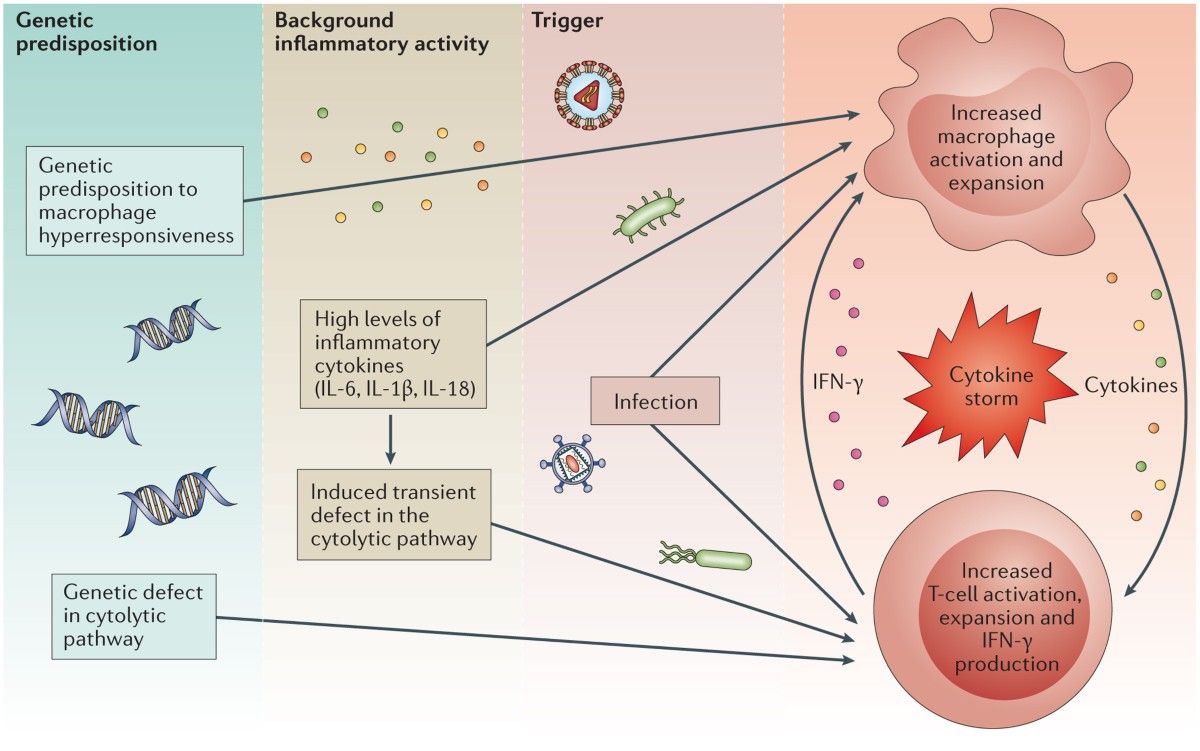
Macrophage Activation Syndrome (MAS) represents one of the most severe and life-threatening complications encountered in the field of rheumatology. It is an aggressive and dysregulated immune response characterized by the excessive activation and proliferation of T-lymphocytes and macrophages, leading to a massive release of inflammatory cytokines—a phenomenon often described as a “cytokine storm.” This uncontrolled hyperinflammation results in widespread tissue damage, multi-organ failure, and, if not promptly recognized and treated, a high mortality rate. MAS is considered a form of secondary hemophagocytic lymphohistiocytosis (HLH), a broader category of hyperinflammatory syndromes. While HLH can be triggered by various factors including infections and malignancies, MAS specifically refers to HLH occurring in the context of an underlying rheumatic disease, most classically and frequently with systemic juvenile idiopathic arthritis (sJIA), but also seen in adult-onset Still’s disease, systemic lupus erythematosus (SLE), Kawasaki disease, and others. Understanding the intricate pathophysiology, clinical presentation, diagnostic challenges, and aggressive treatment strategies is paramount for improving outcomes in this medical emergency.
Symptoms and Signs of Macrophage Activation Syndrome
The clinical presentation of MAS is often dramatic and can evolve rapidly over days. A key challenge is that its early signs can mimic a flare of the underlying rheumatic disease or a severe infection, leading to potential delays in diagnosis. A high index of suspicion is therefore crucial for any patient with a known rheumatic condition who experiences a sudden and severe clinical deterioration.
The hallmark and most common initial sign of MAS is a persistent, high-grade fever that is unremitting and typically unresponsive to standard antipyretics and antibiotics. This fever is often a continuation or a sudden worsening of the fever associated with the underlying disease but takes on a more relentless character.
Following the fever, a constellation of signs reflecting widespread systemic inflammation and organ dysfunction emerges:
- Hepatosplenomegaly: Significant enlargement of the liver and spleen is a very common finding, present in the majority of patients. This can cause abdominal pain, distension, and a feeling of fullness. The liver dysfunction can progress to acute liver failure, manifesting as jaundice (yellowing of the skin and eyes).
- Hemorrhagic Manifestations: Due to a precipitous drop in platelet count (thrombocytopenia) and the development of coagulopathy (impaired blood clotting), patients often exhibit bleeding tendencies. This can range from minor signs like petechiae (pinpoint red spots on the skin) and ecchymoses (bruising) to more severe bleeding from mucous membranes (e.g., gums, nosebleeds) or even life-threatening internal or gastrointestinal hemorrhage.
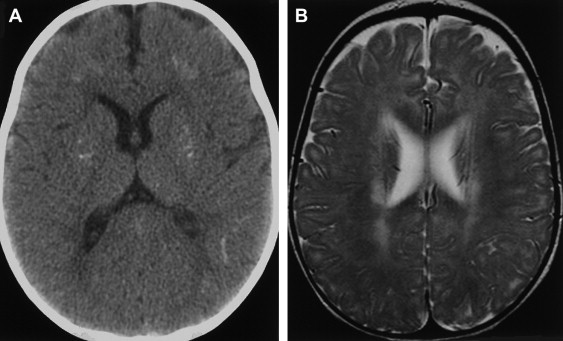
- Neurological Symptoms: Central nervous system (CNS) involvement is a grave sign and occurs in a significant portion of cases. Symptoms can vary widely and include persistent headaches, profound irritability (especially in children), lethargy, disorientation, seizures, and in severe cases, progression to a comatose state.
- Lymphadenopathy: Generalized swelling of lymph nodes is frequently observed.
- Cardiopulmonary Involvement: Patients may develop respiratory distress due to pulmonary inflammation, fluid accumulation (pulmonary edema), or acute respiratory distress syndrome (ARDS). Myocarditis (inflammation of the heart muscle) can also occur, leading to heart failure.
- Cutaneous Manifestations: While a rash may be part of the underlying rheumatic disease, new or changing rashes can appear in MAS.
A particularly ominous clinical sign is the “paradoxical improvement” of some inflammatory markers. For instance, a patient with sJIA might have a very high white blood cell count and joint inflammation during a flare. With the onset of MAS, the rampant hemophagocytosis (macrophages engulfing other blood cells) can cause blood counts to plummet, and the consumption of fibrinogen (a protein involved in inflammation and clotting) can cause the Erythrocyte Sedimentation Rate (ESR) to paradoxically decrease, which might be misinterpreted as an improvement in the underlying disease, while the patient is, in fact, critically ill.
Diagnosis of Macrophage Activation Syndrome
Diagnosing MAS is a significant challenge due to its overlapping features with infections and disease flares. The diagnosis relies on a combination of high clinical suspicion and a characteristic pattern of laboratory abnormalities. There is no single test that definitively confirms MAS.
Laboratory Investigations are the cornerstone of diagnosis:
- Complete Blood Count (CBC): Reveals rapidly falling counts in at least two of three cell lines (pancytopenia). This includes thrombocytopenia (low platelets, often <100,000/μL), anemia (low hemoglobin), and leukopenia (low white blood cells).
- Ferritin: This is one of the most critical markers. Serum ferritin levels are typically astronomically high, often exceeding 10,000 ng/mL. While elevated ferritin is seen in many inflammatory states, such extreme levels are highly suggestive of MAS/HLH.
- Liver Function Tests (LFTs): Markedly elevated transaminases (AST and ALT) indicate liver injury. Elevated lactate dehydrogenase (LDH) and bilirubin are also common.
- Coagulation Studies: These reveal signs of disseminated intravascular coagulation (DIC), a condition of widespread clotting and bleeding. Key findings include a strikingly low level of fibrinogen, elevated D-dimer levels, and prolonged prothrombin time (PT) and activated partial thromboplastin time (aPTT). The low fibrinogen is also responsible for the paradoxically falling ESR.
- Lipid Profile: Hypertriglyceridemia (high triglycerides) is a characteristic feature caused by the inflammatory suppression of lipoprotein lipase.
- Bone Marrow Aspiration and Biopsy: The pathognomonic finding is hemophagocytosis, which is the visualization of activated macrophages engulfing other hematopoietic cells (red blood cells, white blood cells, platelets) under the microscope. However, this finding is not always present, especially early in the course of the disease, and its absence should never delay treatment if clinical and other laboratory evidence strongly supports the diagnosis.
To standardize diagnosis, classification criteria have been developed. The 2016 classification criteria for MAS in sJIA are now widely used. A patient is classified as having MAS if they have a fever and a ferritin level >684 ng/mL plus any two of the following: platelet count ≤181,000/μL, AST >48 U/L, triglycerides >156 mg/dL, or fibrinogen ≤360 mg/dL. The older HLH-2004 diagnostic guidelines are also often referenced, requiring five out of eight criteria (fever, splenomegaly, cytopenias, hypertriglyceridemia and/or hypofibrinogenemia, hemophagocytosis, low/absent NK cell activity, high ferritin, and high soluble CD25).
Treatment of Macrophage Activation Syndrome
The treatment of MAS is a medical emergency requiring immediate and aggressive intervention aimed at suppressing the overwhelming cytokine storm to prevent irreversible organ damage and death. Treatment is typically managed in a hospital setting, often in an intensive care unit (ICU), by a multidisciplinary team including rheumatologists, hematologists, and critical care specialists.
- First-Line Therapy: The cornerstone of initial treatment is high-dose corticosteroids. Intravenous “pulse” methylprednisolone is administered to provide potent, broad-spectrum immunosuppression and quickly dampen the inflammatory cascade.
- Second-Line and Targeted Therapies: If the patient does not respond rapidly to corticosteroids or presents with severe disease, additional agents are required.
- Cyclosporine A: A calcineurin inhibitor that primarily targets T-cell activation. It is often used in conjunction with corticosteroids.
- Anakinra (Kineret): This is a biologic drug that acts as an Interleukin-1 (IL-1) receptor antagonist. Since IL-1 is a key cytokine driving the inflammation in sJIA-associated MAS, anakinra has proven to be highly effective and is increasingly used as a first- or second-line agent, sometimes even allowing for lower steroid doses.
- Etoposide: This is a chemotherapeutic agent that is part of the standard HLH-2004 treatment protocol. It works by destroying proliferating immune cells. Due to its significant toxicity, its use in MAS is typically reserved for severe, refractory cases that have not responded to corticosteroids and other immunomodulatory agents.
- Supportive Care: This is a critical component of management. It includes:
- Intravenous fluids to maintain blood pressure and organ perfusion.
- Transfusions of blood products (platelets, packed red blood cells, cryoprecipitate, and fresh frozen plasma) to manage bleeding and coagulopathy.
- Mechanical ventilation for patients with respiratory failure (ARDS).
- Management of seizures and other CNS complications.
Prognosis for Macrophage Activation Syndrome
Without treatment, MAS is almost universally fatal. Even with treatment, it carries a significant mortality rate, historically reported between 8% and 22%, though outcomes have been steadily improving. The prognosis is heavily dependent on several factors:
- Early Recognition and Treatment: This is the single most important factor. Delays in diagnosis and initiation of therapy dramatically increase the risk of irreversible organ damage and death.
- Underlying Disease: The prognosis can vary depending on the rheumatic condition triggering the MAS.
- Severity of Presentation: The presence of severe features at diagnosis, particularly profound coagulopathy or significant CNS involvement, is associated with a poorer prognosis.
- Response to Therapy: Patients who respond quickly to initial high-dose corticosteroids generally have better outcomes than those who require more aggressive, multi-agent therapies.
Survivors may experience long-term sequelae, including neurological deficits, if the CNS was involved. Furthermore, patients who have had one episode of MAS are at risk for recurrence, necessitating careful long-term monitoring and management of their underlying rheumatic disease. The advent of targeted biologic therapies like anakinra has been a major breakthrough, leading to more rapid disease control and improved survival rates in recent years.
References
- Ravelli, A., Minoia, F., Davì, S., et al. (2016). 2016 Classification Criteria for Macrophage Activation Syndrome Complicating Systemic Juvenile Idiopathic Arthritis: A European League Against Rheumatism/American College of Rheumatology/Paediatric Rheumatology International Trials Organisation Collaborative Initiative. Arthritis & Rheumatology, 68(3), 566–576.
- Behrens, E. M., & Canna, S. W. (2019). The Cytokine Storm of Macrophage Activation Syndrome. Nature Reviews Rheumatology, 15(4), 205–206.
- Crayne, C. B., Albeituni, S., Nichols, K. E., & Cron, R. Q. (2019). The Immunology of Macrophage Activation Syndrome. Frontiers in Immunology, 10, 119.
- Henter, J. I., Horne, A., Aricó, M., et al. (2007). HLH-2004: Diagnostic and therapeutic guidelines for hemophagocytic lymphohistiocytosis. Pediatric Blood & Cancer, 48(2), 124–131.
- Schulert, G. S., & Canna, S. W. (2018). Convergent pathways of the inherited and acquired hemo-phagocytic lymphohistiocytoses. Current Opinion in Rheumatology, 30(5), 521-528.
- Grom, A. A., & Mellins, E. D. (2010). Macrophage activation syndrome: advances in pathogenesis, diagnosis and treatment. Rheumatic Disease Clinics of North America, 36(2), 293-320.