
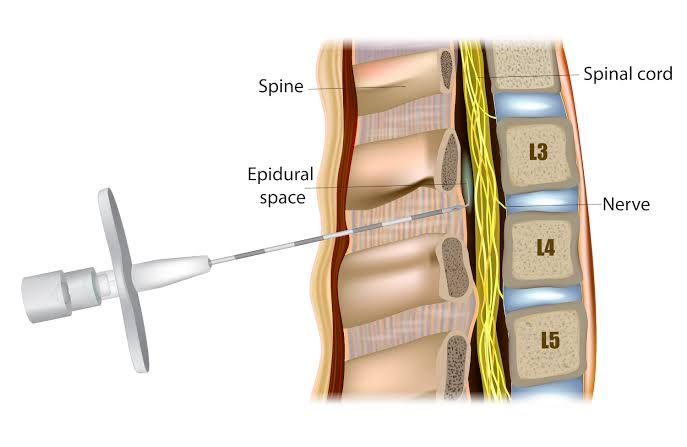
The single-shot spinal technique for Caesarean delivery represents the cornerstone of regional anesthesia for this common obstetric procedure. Esteemed for its rapid onset, profound sensory and motor block, and high success rate, it provides an optimal balance of maternal comfort, fetal safety, and surgical conditions. This technique allows the mother to be awake and alert, facilitating immediate bonding with her newborn, while minimizing the risks associated with general anesthesia in the obstetric population. Understanding its judicious application, meticulous execution, and vigilant post-procedure management is paramount for safe and effective practice.
Introduction to Single-Shot Spinal Anesthesia
Spinal anesthesia involves the injection of local anesthetic and often opioid adjuvants into the subarachnoid space (intrathecal space), directly bathing the spinal nerves. In the context of Caesarean delivery, a “single-shot” technique refers to a one-time injection, as opposed to continuous spinal anesthesia via a catheter. Its primary goal is to achieve a sensory block to the T4 dermatome (nipple line) to ensure adequate surgical anesthesia, coupled with sufficient motor block to prevent movement and facilitate surgical access.
Indications and Contraindications
A. Indications: The single-shot spinal technique is the preferred anesthetic method for most Caesarean deliveries, including:
- Elective Caesarean Section: Planned deliveries where time is not a critical factor.
- Non-emergent Caesarean Section: Situations requiring delivery but allowing time for regional anesthesia placement (e.g., failed induction, breech presentation).
- Certain Maternal Medical Conditions: Preeclampsia/eclampsia (spinal anesthesia can improve uteroplacental perfusion by reducing systemic vascular resistance), morbid obesity (where general anesthesia poses significant airway challenges).
- Maternal Preference: When the mother desires to be awake for the birth of her child.
B. Contraindications: Understanding contraindications is vital for patient safety:
- Absolute Contraindications:
- Patient Refusal: The patient’s informed decision always takes precedence.
- Severe Coagulopathy or Anticoagulation: Increased risk of spinal hematoma.
- Systemic Infection/Septicemia: Risk of transmitting infection to the CNS (meningitis).
- Local Infection at the Proposed Injection Site: Similar risk of CNS infection.
- Uncorrected Severe Hypovolemia: Patients are highly susceptible to severe hypotension.
- Increased Intracranial Pressure (ICP): Risk of cerebral herniation.
- Severe Aortic or Mitral Stenosis: Patients with fixed cardiac output are intolerant to sympathetic blockade.
- Acute Neurological Disease: May obscure signs of new neurological complications or exacerbate pre-existing conditions.
- Relative Contraindications:
- Minor Coagulopathy: Should be carefully weighed against benefits.
- Pre-existing Neurological Disease: Careful discussion and documentation are required.
- Maternal Anatomic Abnormalities/Spinal Surgery: May make needle placement difficult or impossible.
- Sepsis without Coagulopathy: Elevated risk of CNS infection.
- Difficult Airway: While not a contraindication to spinal, it highlights the need for a robust backup plan for general anesthesia.
Pre-Procedure Steps (Preparation)
Thorough preparation is fundamental to a successful and safe spinal anesthetic.
- Patient Education and Consent: A detailed discussion with the patient about the procedure, its benefits, risks (e.g., hypotension, nausea, headache, rare nerve damage), and potential need for general anesthesia. Clear, informed consent must be obtained.
- Pre-operative Assessment: A comprehensive review of the patient’s medical history, physical examination, current medications, allergies, and relevant laboratory results (e.g., complete blood count, coagulation profile).
- IV Access and Fluid Management: Establishment of at least one large-bore intravenous (IV) catheter (18-gauge or larger). While traditional “preloading” with crystalloids is less emphasize, “co-loading” (rapid infusion of 500-1000 mL of crystalloid concurrent with spinal injection) or administering fluids as needed to manage hypotension is standard practice.
- Monitoring Equipment: Placement of standard American Society of Anesthesiologists (ASA) monitors: non-invasive blood pressure (NIBP) cuff, electrocardiogram (ECG), and pulse oximetry (SpO2). Continuous fetal heart rate monitoring should be maintained until skin preparation for surgical incision.
- Resuscitation Equipment and Drugs: All necessary resuscitation medications (e.g., vasopressors like phenylephrine and ephedrine, atropine, ephedrine, ketamine, propofol, succinylcholine, intubation equipment) should be immediately available and checked.
- Medication Preparation: The local anesthetic (typically hyperbaric bupivacaine), opioid adjuncts (e.g., fentanyl, sufentanil), and any prophylactic vasopressors should be drawn up, clearly labeled, and organized.
Technique: Step-by-Step Guide
The meticulous execution of the spinal technique is crucial for success and patient safety.
A. Patient Positioning: The patient can be positioned in either the sitting or lateral decubitus position.
- Sitting Position: Preferred by many anesthesiologists as it can make identifying the midline and flexion of the spine easier, especially in obese patients. The patient should sit on the edge of the bed with feet supported, back arched like a “cat’s back,” providing maximum lumbar flexion. A pillow for the patient to hug can assist with this.
- Lateral Decubitus Position: The patient lies on their side, typically with knees drawn up to the chest and chin tucked in, maximizing lumbar flexion. This position may be more comfortable for some patients or necessary if the patient cannot sit upright. Regardless of position, maintaining proper spinal flexion is critical to widen the interspinous spaces.
B. Aseptic Preparation: The chosen injection site (typically L3-L4 or L2-L3 interspace) is thoroughly disinfected with an antiseptic solution (e.g., chlorhexidine or povidone-iodine) using a sterile technique. This is followed by the application of sterile drapes to create a sterile field.
C. Identification of Lumbar Interspace: The L4-L5 interspace is commonly identified by drawing an imaginary line between the highest points of the iliac crests (Tuffier’s line), which typically intersects the L4 vertebral body or the L4-L5 interspace. The interspace immediately above (L3-L4) or below (L4-L5) is often chosen. Palpation for spinous processes and interspinous spaces helps confirm the appropriate level.
D. Local Anesthetic Infiltration: A small amount (1-3 mL) of local anesthetic (e.g., 1% lidocaine or 0.5% bupivacaine) is infiltrated into the skin and subcutaneous tissue at the chosen interspace using a fine-gauge needle (e.g., 25-27 gauge). This minimizes discomfort during spinal needle insertion.
E. Spinal Needle Insertion:
- Approach:
- Midline Approach: The most common approach. The spinal needle is inserted directly in the midline, perpendicular to the skin, aiming slightly cephalad (towards the head).
- Paramedian Approach: Used when the midline approach is difficult (e.g., calcified ligaments, difficult flexion). The needle is inserted 1-2 cm lateral to the midline and directed medially and cephalad.
- Needle Type:
- Pencil-point needles (e.g., Whitacre, Sprotte): These needles have a blunt tip with a side opening. They are preferred for their ability to spread dural fibers rather than cut them, significantly reducing the incidence of post-dural puncture headache (PDPH).
- Quincke needles (cutting point): These have a bevelled, cutting tip. While easier to insert, they are associated with a higher incidence of PDPH.
- Advancement and Confirmation of CSF: The spinal needle is advanced slowly through the skin, subcutaneous tissue, supraspinous ligament, interspinous ligament, ligamentum flavum (“pop” or increased resistance), epidural space, and finally the dura-arachnoid membrane (another “pop”). Once the subarachnoid space is entered, a distinct “pop” may be felt, and clear cerebrospinal fluid (CSF) should flow freely from the needle hub. Patience and meticulous technique are essential; if blood or no fluid appears, the needle position should be adjusted.
F. Drug Administration: Once free flow of clear CSF is confirmed, the syringe containing the anesthetic solution is attached, and the drugs are injected slowly and steadily.
- Local Anesthetic: Hyperbaric bupivacaine is the most commonly used agent due to its reliable block, potency, and appropriate duration. Typical doses range from 10-12.5 mg (e.g., 2.0-2.5 mL of 0.5% hyperbaric bupivacaine). The hyperbaric nature (density greater than CSF) causes it to spread gravitationally, which can be influenced by patient positioning.
- Opioid Adjuvants: Small doses of lipophilic opioids like fentanyl (10-25 mcg) or sufentanil (2.5-5 mcg) are commonly added. These improve the quality of analgesia, reduce visceral pain during surgery, and prolong the duration of postoperative pain relief without significantly extending motor block.
- Vasopressors (prophylactic): While not universally administered intrathecally, some protocols include very small doses of vasopressors, such as phenylephrine or ephedrine, with the local anesthetic to preemptively reduce hypotension. However, their routine intrathecal use is debated, and they are more commonly given intravenously as needed.
G. Needle Withdrawal: After the full dose has been administered, the syringe is detached, and the spinal needle is carefully withdrawn. Gentle pressure is applied to the insertion site to prevent CSF leakage.
Post-Procedure Management and Monitoring
Vigilant monitoring after spinal injection is critical to manage physiological changes and potential complications.
- Patient Positioning: Immediately after injection, the patient is placed supine with left uterine displacement (e.g., by tilting the operating table 15 degrees to the left or using a wedge under the right hip). This prevents aortocaval compression by the gravid uterus, which can compromise maternal circulation and fetal oxygenation.
- Assessment of Block Height:
- Sensory Block: Assessed regularly by pinprick sensation or alcohol wipe (cold sensation) to determine the dermatomal level of anesthesia. For Caesarean delivery, a T4 sensory level (nipple line) is generally required.
- Motor Block: Assessed by the patient’s ability to move their legs and feet.
- Hemodynamic Monitoring: Close monitoring of blood pressure and heart rate is paramount. Readings should be taken every 1-2 minutes initially, then every 2.5-5 minutes until stable.
- Management of Complications:
- Hypotension: The most common complication. Defined as a systolic blood pressure (SBP) less than 90-100 mmHg or a >20% decrease from baseline.
- Treatment: Immediate IV bolus of vasopressors (e.g., phenylephrine 50-100 mcg boluses, or a continuous infusion, is preferred due to its direct alpha-agonist effects and minimal effect on maternal heart rate and less fetal acidosis compared to ephedrine). Ephedrine (5-10 mg boluses) can be used, especially if bradycardia is also present, but may cause more fetal acidosis. IV fluid bolus, left uterine displacement, and oxygen administration are also crucial.
- Bradycardia: Defined as heart rate < 50-60 bpm.
- Treatment: IV atropine (0.4-0.6 mg), often combined with ephedrine if hypotension is also present.
- Nausea and Vomiting: Common due to hypotension-induced cerebral ischemia or opioid side effects.
- Treatment: Correct hypotension, administer antiemetics (e.g., ondansetron 4-8 mg IV, metoclopramide 10 mg IV), and supplemental oxygen.
- High/Total Spinal: A rare but life-threatening complication where the block extends cranially, affecting respiratory and cardiovascular centers.
- Treatment: Immediate airway management (intubation and mechanical ventilation), aggressive cardiovascular support with vasopressors and fluids.
- Post-Dural Puncture Headache (PDPH): Occurs in a small percentage of patients, characterized by a headache worsened by upright posture.
- Treatment: Conservative management (hydration, caffeine, analgesics) usually suffices. An epidural blood patch may be required for severe, persistent cases.
- Neurological Injury/Infection: Extremely rare but serious complications.
- Hypotension: The most common complication. Defined as a systolic blood pressure (SBP) less than 90-100 mmHg or a >20% decrease from baseline.
Advantages of Single-Shot Spinal Anesthesia for Caesarean Delivery
- Rapid Onset: Provides surgical anesthesia very quickly, crucial in non-emergent but time-sensitive situations.
- Dense Block: Produces profound sensory and motor blockade, ensuring excellent surgical conditions and patient comfort.
- High Success Rate: Experienced practitioners achieve a very high success rate.
- Fetal Safety: Minimal systemic drug transfer to the fetus compared to general anesthesia.
- Maternal Awareness and Bonding: Allows the mother to be awake for the birth, facilitating immediate skin-to-skin contact and bonding.
- Reduced Risks of General Anesthesia: Avoids the risks of aspiration, difficult airway management, and drug-induced neonatal depression.
- Cost-Effectiveness: Generally less expensive than general anesthesia or continuous epidural techniques.
Disadvantages and Potential Complications
- Limited Duration: A single shot provides a finite duration of anesthesia; it cannot be easily extended if surgery runs longer than anticipated.
- Rapid Onset of Sympathetic Blockade: The swift onset of block can lead to rapid and significant hypotension, requiring prompt and aggressive management.
- Risk of High/Total Spinal: Although rare, this can be life-threatening.
- PDPH: While reduced with pencil-point needles, it remains a possible complication.
- Neurological Injury: Extremely rare, but potential for direct needle trauma or hematoma/abscess formation.
- Infection: Very rare, but meningitis or epidural abscess are grave complications.
Conclusion
The single-shot spinal technique is the gold standard for Caesarean delivery anesthesia, offering significant advantages for both mother and neonate when performed by skilled anesthetists. Its efficacy hinges on thorough pre-procedural assessment, meticulous attention to detail during execution, and vigilant post-procedure monitoring and management of potential complications. Adherence to best practices ensures a safe, comfortable, and memorable birth experience for the mother, while optimizing surgical conditions for the obstetric team. Continuous education and training remain paramount to maintaining high standards of care in obstetric anesthesia.
References:
- Chestnut, D. H., Wong, C. A., Tsen, L. C., & Ngan Kee, W. D. (Eds.). (2020). Chestnut’s Obstetric Anesthesia: Principles and Practice (6th ed.). Elsevier. (Provides comprehensive details on all aspects of obstetric anesthesia, including spinal techniques).
- Practice Guidelines for Obstetric Anesthesia: An Updated Report by the American Society of Anesthesiologists Task Force on Obstetric Anesthesia and the Society for Obstetric Anesthesia and Perinatology. (2016). Anesthesiology, 124(S2), e1-e57. (Official guidelines offering evidence-based recommendations).
- Palmer, C. M. (2017). Spinal Anesthesia for Cesarean Delivery. Anesthesiology Clinics, 35(1), 107-124. (A focused review on the nuances of spinal anesthesia for C-sections).
- Lee, S., Levy, M. N., & Stienstra, R. (2018). Practical Anesthesia for Cesarean Section. Current Anesthesiology Reports, 8(3), 268–275. (Discusses practical considerations and techniques).
- Shibutani, M., Nishikawa, K., & Takamura, M. (2018). Management of maternal hypotension after spinal anesthesia for Cesarean section. Journal of Clinical Anesthesia, 44, 14-19. (Focuses on the management of a common complication).
- Atkinson, R., & Nimmo, S. (2019). Regional Anesthesia for Cesarean Section. In Fundamental Principles and Practice of Anaesthesia (pp. 581-591). CRC Press. (A textbook chapter providing core information).
- Horlocker, T. T., Vandermeuelen, D. J., Kopp, S. L., Wedel, J. D., & Brull, R. (2010). Regional Anesthesia in the Patient Receiving Antithrombotic or Thrombolytic Therapy: American Society of Regional Anesthesia and Pain Medicine Evidence-Based Guidelines (Third Edition). Regional Anesthesia and Pain Medicine, 35(1), 6-32. (Relevant for contraindications related to coagulopathy).