Kidney transplantation represents a life-altering medical advancement for individuals suffering from end-stage renal disease (ESRD), offering improved quality of life and increased survival rates compared to long-term dialysis. The intricate process involves meticulous planning, sophisticated surgical techniques, and comprehensive post-operative management. A successful transplant hinges on a multidisciplinary approach, patient adherence, and a deep understanding of potential challenges.
Diagnostic Indicators of Renal Transplant Rejection
Early and accurate diagnosis of renal allograft rejection is paramount to preserving kidney function and ensuring long-term graft survival. Rejection occurs when the recipient’s immune system identifies the transplanted kidney as foreign and mounts an attack. Diagnostic indicators vary depending on the type and acuity of rejection.
- Acute Rejection: This typically occurs within the first few months to a year post-transplant, though it can happen at any time.
- Clinical Signs and Symptoms: A sudden, unexplained rise in serum creatinine (the most common and sensitive indicator), decreased urine output, fever, tenderness or pain over the transplant site, and elevated blood pressure. Non-specific symptoms like malaise or fatigue may also be present.
- Laboratory Findings: Besides increased creatinine, other indicators may include proteinuria, hematuria, and sometimes leukocytosis.
- Imaging: Doppler ultrasound can assess renal blood flow and rule out surgical complications, but it does not definitively diagnose rejection.
- Gold Standard: Allograft Biopsy: This remains the definitive diagnostic tool. Histopathological examination of tissue samples can differentiate between different types of acute rejection (e.g., T-cell mediated rejection, antibody-mediated rejection based on C4d staining and donor-specific antibodies) and other causes of graft dysfunction.
- Chronic Rejection (Chronic Allograft Dysfunction): This is a slower, insidious process characterized by a gradual decline in graft function over months to years.
- Clinical Course: A persistent and progressive increase in serum creatinine, often accompanied by proteinuria and hypertension.
- Imaging: Ultrasound may show signs of chronic damage such as cortical thinning or increased echogenicity.
- Laboratory Tests: Rising creatinine, proteinuria, and potentially the presence of donor-specific antibodies (DSAs) are indicative.
- Allograft Biopsy: Reveals chronic changes like interstitial fibrosis, tubular atrophy, and transplant glomerulopathy, confirming the diagnosis and ruling out other causes of chronic kidney disease.
- Other Diagnostic Tools:
- Donor-Specific Antibodies (DSAs): Detection of DSAs against HLA antigens of the donor can indicate a higher risk of antibody-mediated rejection, even before a clinical decline.
- Urine Biomarkers: Research is ongoing for non-invasive urine biomarkers to detect rejection earlier, but these are not yet routinely used for definitive diagnosis.
Pre-requisites for Successful Renal Transplant
A successful renal transplant requires meticulous planning and rigorous evaluation of both the recipient and the potential donor to minimize risks and optimize outcomes.
- Recipient Evaluation:
- Medical Suitability: Comprehensive assessment to ensure the patient is strong enough to undergo surgery and tolerate lifelong immunosuppression. This includes screening for active infections, untreated malignancies, severe cardiovascular disease, unresolved psychiatric conditions, and other co-morbidities that could jeopardize the transplant. Any treatable conditions must be managed prior to transplantation.
- Psychosocial Stability: Crucial for adherence to a complex medical regimen. Evaluation assesses the patient’s understanding of the transplant process, commitment to lifelong medication, mental health status, and availability of social support systems. Substance abuse and non-adherence history are critical considerations.
- Immunological Compatibility:
- ABO Blood Group Compatibility: The donor and recipient must have compatible blood types (e.g., O donor to A, B, or AB recipient; A donor to A or AB recipient). ABO incompatible transplants are possible with desensitization protocols but are more complex.
- HLA Matching (Human Leukocyte Antigen): While not an absolute requirement for living donor transplants, better HLA matching reduces the risk of rejection and improves long-term outcomes, especially for deceased donor transplants.
- Crossmatch Test: This is a critical test. It involves mixing recipient serum with donor lymphocytes to detect pre-formed antibodies in the recipient that could acutely reject the donor kidney. A positive crossmatch generally contraindicates transplantation, unless desensitization is performed.
- Panel Reactive Antibody (PRA): Measures the percentage of the general population that a recipient would react against, indicating the level of sensitization (due to previous transfusions, pregnancies, or transplants). High PRA makes finding a compatible donor challenging.
- Donor Evaluation:
- Living Donor: Undergoes extensive medical and psychological evaluation to ensure they are in excellent health, free from diseases transmissible to the recipient (e.g., HIV, hepatitis), and have normal renal function in the remaining kidney. Ethical considerations and informed consent are paramount, ensuring the donation is voluntary and without coercion.
- Deceased Donor: Organs are evaluated for quality, function, and absence of transmissible diseases. Factors such as donor age, cause of death, time on vasopressors, and cold ischemia time are considered. Consent from the donor’s family or legal representative is required.
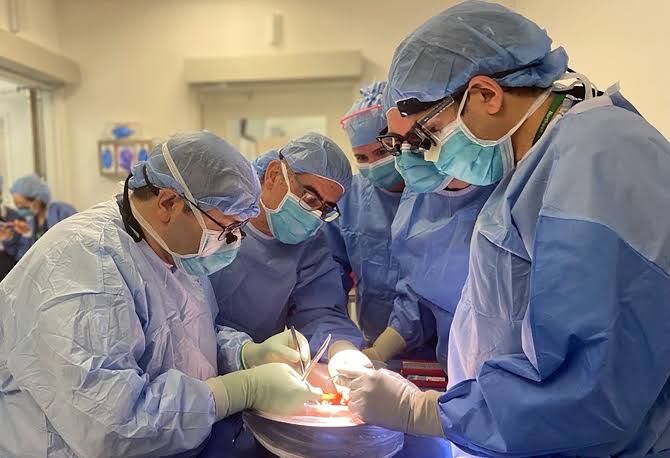
- Surgical Team and Facility Expertise: Successful transplantation demands a highly skilled multidisciplinary team including transplant surgeons, nephrologists, anesthesiologists, nurses, social workers, and pharmacists, operating within a specialized transplant center equipped for complex surgical procedures and intensive post-operative care.
Post-Renal Transplant Care of the Patient
Post-renal transplant care is a lifelong commitment involving vigilant monitoring, medication adherence, and lifestyle adjustments to ensure graft survival and overall patient well-being.
- Immediate Post-Operative Period (First few days to weeks):
- Monitoring: Continuous monitoring of vital signs, urine output, fluid and electrolyte balance, and graft function (creatinine, BUN) is essential. Pain management, wound care, and early ambulation are prioritized.
- Immunosuppression Initiation: Induction immunosuppression is administered, followed by the establishment of a maintenance regimen. Drug levels are closely monitored to prevent toxicity and ensure efficacy.
- Infection Prophylaxis: Prophylactic antibiotics, antivirals (e.g., valganciclovir for CMV prophylaxis), and antifungals are often administered to prevent opportunistic infections, which are common due to immunosuppression.
- Early Post-Operative Period (First 3-6 months):
- Intensive Follow-up: Frequent clinic visits for blood tests (monitoring kidney function, immunosuppressant drug levels, blood counts, electrolytes) and physical examinations.
- Immunosuppression Management: Doses are adjusted based on drug levels, side effects, and clinical response. Patient education on medication adherence is critical.
- Blood Pressure and Glucose Control: Immunosuppressants can cause hypertension and new-onset diabetes. Aggressive management is required to protect the graft and overall cardiovascular health.
- Lifestyle Modifications: Patients are advised on a heart-healthy diet (often low sodium, low fat), regular moderate exercise, avoiding smoking, and limiting alcohol consumption. Hydration is key.
- Long-Term Post-Operative Care (Beyond 6 months):
- Ongoing Monitoring: Regular, though less frequent, clinic visits. Continuous monitoring for signs of rejection, infection, and long-term complications (cardiovascular disease, malignancy, bone disease).
- Immunosuppression Adherence: Lifelong adherence is non-negotiable. Non-adherence is a leading cause of late graft loss.
- Cancer Screening: Increased risk of skin cancers (due to immunosuppression), lymphomas, and other malignancies. Regular screenings (e.g., dermatological checks, colonoscopies, mammograms) are crucial.
- Vaccinations: Catching up on recommended vaccinations (e.g., flu, pneumonia, Hepatitis B) is important, but live vaccines are generally contraindicated due to immunosuppression.
- Psychosocial Support: Ongoing support for emotional adjustment, coping with chronic illness, and managing side effects of medication. Support groups and counseling can be beneficial.
- Patient Education: Continuous education on recognizing signs of rejection or infection, dietary guidelines, and medication management empowers patients to be active participants in their care.
Common Complications of Renal Transplant Surgery
Despite advancements, renal transplant surgery and the subsequent immunosuppressive regimen carry a risk of various complications, which can be broadly categorized as surgical or medical.
- Surgical Complications: Occur in the immediate peri-operative period.
- Vascular Complications:
- Renal Artery or Vein Thrombosis: Blood clot formation can lead to acute graft failure. Requires urgent surgical intervention.
- Renal Artery Stenosis: Narrowing of the renal artery, often presenting as new-onset or difficult-to-control hypertension, and declining graft function. May require angioplasty or stenting.
- Urological Complications:
- Urine Leak: Leakage from the ureter-bladder anastomosis, leading to pain, swelling, and fluid collection.
- Ureteral Stricture or Obstruction: Narrowing or blockage of the ureter, causing hydronephrosis and impaired graft function. May require stenting or surgical repair.
- Vesicoureteral Reflux: Backflow of urine from the bladder into the ureter, increasing the risk of urinary tract infections.
- Wound Complications: Bleeding, hematoma, seroma, or wound infection.
- Lymphocele: Collection of lymphatic fluid around the graft, which can cause compression and impair graft function. May require drainage.
- Vascular Complications:
- Medical Complications: Often related to immunosuppression and long-term graft function.
- Rejection:
- Acute Rejection: As described earlier, can be T-cell mediated or antibody-mediated.
- Chronic Allograft Dysfunction: Gradual decline in function over time.
- Infections: Immunosuppression significantly increases susceptibility to various infections.
- Opportunistic Infections: Cytomegalovirus (CMV), Pneumocystis jirovecii pneumonia (PJP), BK polyomavirus nephropathy (BKVN), fungal infections (e.g., candidiasis, aspergillosis).
- Bacterial Infections: Urinary tract infections are common.
- Viral Infections: Herpes simplex, varicella zoster, Epstein-Barr virus (EBV).
- Cardiovascular Disease: A leading cause of mortality in transplant recipients. Exacerbated by pre-existing conditions and side effects of immunosuppressants (hypertension, hyperlipidemia, diabetes).
- Malignancy: Immunosuppression increases the risk of certain cancers.
- Post-Transplant Lymphoproliferative Disorder (PTLD): Often associated with EBV, ranges from benign lymphoid hyperplasia to aggressive lymphoma.
- Skin Cancers: Squamous cell carcinoma and basal cell carcinoma are significantly more common.
- Other Cancers: Increased risk of Kaposi’s sarcoma, cervical cancer, and colon cancer.
- Nephrotoxicity: Primarily due to calcineurin inhibitors (CNIs) like tacrolimus and cyclosporine, which can cause long-term kidney damage by constricting renal arterioles.
- Post-Transplant Diabetes Mellitus (PTDM): Can be caused or exacerbated by corticosteroids and CNIs.
- Bone Disease: Osteoporosis, avascular necrosis, and hyperparathyroidism are common due to pre-existing kidney disease, corticosteroids, and other factors.
- Gastrointestinal Side Effects: Nausea, vomiting, diarrhea, abdominal pain, often due to immunosuppressive medications.
- Rejection:
Immunosuppressive Drugs Used in Renal Transplant
Immunosuppressive therapy is the cornerstone of kidney transplantation, designed to prevent the recipient’s immune system from rejecting the transplanted organ while minimizing overall immunosuppression and side effects. A typical regimen involves a combination of drugs targeted at different parts of the immune response.
- Induction Therapy: Administered at the time of transplant to provide powerful initial immunosuppression and prevent early acute rejection.
- Antibody-based Agents:
- Basiliximab (Simulect): An IL-2 receptor antagonist. It blocks the T-cell activation pathway by binding to the alpha subunit of the IL-2 receptor on activated T-lymphocytes. Generally well-tolerated with few side effects.
- Antithymocyte Globulin (ATG – Thymoglobulin, Atgam): Polyclonal antibodies derived from horses or rabbits immunized with human thymocytes. They deplete circulating T-lymphocytes. Used for higher-risk patients or for treating acute rejection. Associated with infusion reactions, leukopenia, and thrombocytopenia.
- Alemtuzumab (Lemtrada): A monoclonal antibody targeting CD52 on lymphocytes. Leads to profound and prolonged lymphocyte depletion. Used in some protocols, but carries higher infection risks.
- Antibody-based Agents:
- Maintenance Therapy: Lifelong therapy typically involves a combination of 2-3 drugs from different classes to achieve adequate immunosuppression with fewer side effects from individual agents.
- Calcineurin Inhibitors (CNIs): The cornerstone of maintenance therapy. They inhibit calcineurin, an enzyme essential for T-cell activation.
- Tacrolimus (Prograf, Astagraf XL, Envarsus XR): Most commonly used CNI. More potent than cyclosporine.
- Cyclosporine (Neoral, Gengraf, Sandimmune): Older CNI.
- Side Effects: Nephrotoxicity (dose-dependent, leading to chronic kidney damage), hypertension, neurotoxicity (tremor, headache), hyperkalemia, hyperlipidemia, and new-onset diabetes. Therapeutic drug monitoring is crucial to maintain levels within a narrow range.
- Antiproliferative Agents (Antimetabolites): Inhibit DNA synthesis, preventing proliferation of lymphocytes.
- Mycophenolate Mofetil (MMF – CellCept) / Mycophenolic Acid (MPA – Myfortic): Inhibits inosine monophosphate dehydrogenase, an enzyme critical for purine synthesis in lymphocytes.
- Side Effects: Primarily gastrointestinal (diarrhea, nausea, vomiting), myelosuppression (leukopenia, anemia), and increased risk of infections.
- Azathioprine (Imuran): Older antiproliferative, less potent than mycophenolate.
- Side Effects: Myelosuppression, hepatotoxicity, and pancreatitis.
- Mammalian Target of Rapamycin (mTOR) Inhibitors: Interfere with a signaling pathway involved in cell growth and proliferation.
- Sirolimus (Rapamune):
- Everolimus (Zortress):
- Side Effects: Hyperlipidemia, proteinuria, delayed wound healing, myelosuppression, and mouth ulcers. Can be nephrotoxic when combined with CNIs, or cause thrombotic microangiopathy. Used in CNI-sparing regimens.
- Corticosteroids: Potent anti-inflammatory and immunosuppressive agents.
- Prednisone, Methylprednisolone: Often used in induction, then tapered to a low dose for maintenance, or even withdrawn in some protocols.
- Side Effects: Numerous and dose-dependent: hypertension, diabetes, osteoporosis, cataracts, weight gain, mood disturbances, fluid retention, increased infection risk, and avascular necrosis.
- Calcineurin Inhibitors (CNIs): The cornerstone of maintenance therapy. They inhibit calcineurin, an enzyme essential for T-cell activation.
- Rejection Treatment: Higher doses of maintenance drugs, intravenous corticosteroids (high-dose methylprednisolone), ATG, or specific therapies for antibody-mediated rejection (e.g., plasmapheresis, intravenous immunoglobulin (IVIG), rituximab) are used to manage acute rejection episodes.
Understanding these diagnostic indicators, pre-requisites, post-operative care protocols, potential complications, and the precise roles of various immunosuppressive drugs is essential for healthcare professionals and patients alike to navigate the complex journey of renal transplantation successfully. The ultimate goal is to achieve long-term graft survival, minimize adverse effects, and restore a high quality of life for individuals with end-stage renal disease.
References:
- Chadban, S. J., et al. (2020). Kidney transplant in 2020: outcomes and future challenges. Lancet, 395(10217), 17-20.
- KDIGO Clinical Practice Guideline for the Care of Kidney Transplant Recipients (2009). American Journal of Transplantation, 9(suppl 3), S1-S157.
- Hariharan, S., et al. (2000). Post-transplant renal allograft survival. New England Journal of Medicine, 342(9), 605-612.
- Opelz, G., et al. (2015). Immunologic risk stratification in kidney transplantation. Clinical Journal of the American Society of Nephrology, 10(11), 1989-1996.
- Schinstock, C. A., et al. (2020). Immunosuppression management in kidney transplantation: An update. Clinical Kidney Journal, 13(4), 512-526.
- Sichrovsky, T., & Kaskel, F. J. (2017). Complications of pediatric renal transplantation. Pediatric Nephrology, 32(11), 2007-2018.