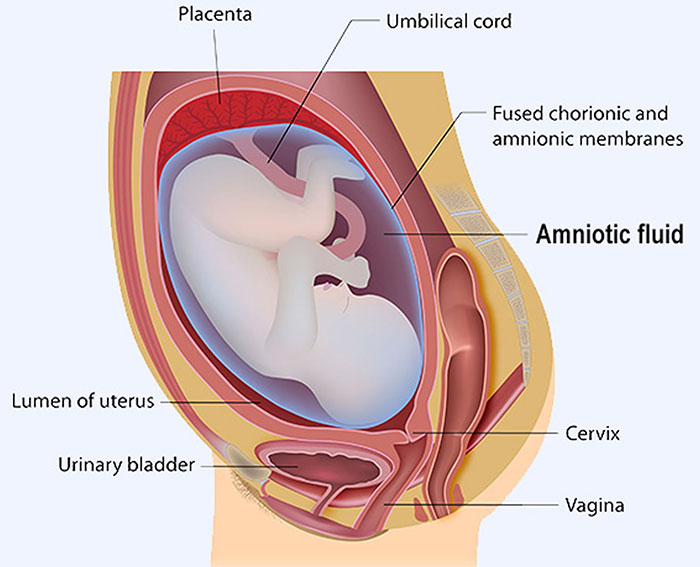

Pregnancy is a transformative journey, often anticipated with joy and excitement. However, for a significant number of individuals, this journey is categorized as “high-risk,” implying a greater potential for complications that could affect the health of the pregnant person, the fetus, or both. A high-risk pregnancy is not an anomaly but a condition requiring specialized medical attention and ongoing monitoring to ensure the safest possible outcome. Understanding the nuances of high-risk pregnancy is crucial for expectant parents, healthcare providers, and support networks alike, enabling informed decisions and proactive management.
Understanding High-Risk Pregnancy
A high-risk pregnancy is defined as one where the mother, the fetus, or both, have an increased chance of experiencing health problems before, during, or after delivery. This designation is not meant to instill fear but rather to signify the need for heightened vigilance, specialized care, and a multidisciplinary approach to optimize outcomes. The primary goal of identifying a high-risk pregnancy is to mitigate potential adverse events by providing targeted interventions and closer surveillance than typically required for a low-risk pregnancy. It acknowledges that certain pre-existing conditions, lifestyle choices, or complications arising during gestation can significantly impact maternal and fetal well-being.
The concept of “high-risk” is dynamic; a pregnancy initially deemed low-risk can evolve into a high-risk one as new conditions develop or are identified. Conversely, with meticulous management, many high-risk pregnancies can culminate in healthy deliveries. The importance of early identification and continuous re-evaluation cannot be overstated, as timely intervention is often the key to preventing severe complications.
Categories of Risk Factors
High-risk pregnancies arise from a diverse array of factors, broadly categorized into maternal age, pre-existing maternal health conditions, pregnancy-related complications, lifestyle factors, and past obstetric history. Understanding these categories is the first step in assessing and managing risk.
1. Maternal Age
- Advanced Maternal Age (AMA): Patients aged 35 years or older at the time of delivery are considered high-risk. This group has an increased incidence of chronic medical conditions (e.g., hypertension, diabetes), chromosomal abnormalities in the fetus (e.g., Down syndrome), gestational diabetes, preeclampsia, preterm birth, low birth weight, and the need for Cesarean section.
- Adolescent Pregnancy: Individuals under 17 years old also face higher risks, including preeclampsia, preterm birth, low birth weight, sexually transmitted infections, and nutritional deficiencies, often compounded by socioeconomic factors and delayed prenatal care.
2. Pre-existing Maternal Health Conditions
A pregnant individual’s health status prior to conception is a significant predictor of pregnancy complications.
- Chronic Hypertension: Pre-existing high blood pressure can lead to preeclampsia, placental abruption, fetal growth restriction, and preterm birth.
- Diabetes (Type 1 or Type 2): Poorly controlled pre-gestational diabetes increases the risk of congenital anomalies, miscarriage, stillbirth, macrosomia (large baby), preeclampsia, and neonatal hypoglycemia.
- Autoimmune Diseases: Conditions like systemic lupus erythematosus (SLE) or rheumatoid arthritis (RA) can increase the risk of maternal flares, preeclampsia, fetal growth restriction, and preterm birth.
- Thyroid Disorders: Both hypo- and hyperthyroidism, if untreated or poorly managed, can affect fetal development and increase risks of preeclampsia, preterm birth, and miscarriage.
- Kidney Disease: Chronic kidney disease is associated with increased risks of preeclampsia, preterm birth, and fetal growth restriction.
- Cardiac Disease: Pre-existing heart conditions can be severely exacerbated by the physiological demands of pregnancy, posing risks to both mother and fetus, including heart failure and death.
- Obesity: A body mass index (BMI) of 30 or higher elevates the risk for gestational diabetes, preeclampsia, sleep apnea, blood clots, birth defects (e.g., neural tube defects), and complications during labor and delivery.
- Mental Health Disorders: Conditions such as depression, anxiety, or bipolar disorder can impact treatment adherence, increase the risk of postpartum depression, and affect maternal-fetal bonding.
- Substance Use Disorders: Use of alcohol, illicit drugs, or certain prescription medications can have profound detrimental effects on fetal development, leading to congenital anomalies, preterm birth, fetal growth restriction, and neonatal abstinence syndrome.
3. Pregnancy-Related Conditions
Complications that arise during the pregnancy itself can elevate its risk status.
- Preeclampsia/Eclampsia: A severe hypertensive disorder unique to pregnancy, characterized by high blood pressure and organ damage (often kidneys), which can progress to seizures (eclampsia) and be life-threatening for both.
- Gestational Diabetes Mellitus (GDM): Diabetes that develops during pregnancy, increasing the risk of macrosomia, birth trauma, neonatal hypoglycemia, and increases the mother’s future risk of Type 2 diabetes.
- Multiple Gestation: Carrying twins, triplets, or more babies significantly increases the risk of preterm labor and birth, preeclampsia, gestational diabetes, fetal growth restriction, and placental complications.
- Preterm Labor/Delivery: The onset of labor before 37 weeks of gestation, a leading cause of infant mortality and morbidity, often linked to infections, cervical insufficiency, or uterine abnormalities.
- Placental Problems:
- Placenta Previa: When the placenta covers part or all of the cervix, risking severe bleeding.
- Placental Abruption: Premature detachment of the placenta from the uterine wall, leading to bleeding and fetal distress.
- Placenta Accreta Spectrum: Abnormal deep attachment of the placenta to the uterine wall, posing a high risk of hemorrhage during delivery.
- Fetal Growth Restriction (FGR)/Intrauterine Growth Restriction (IUGR): When the fetus does not reach its genetically determined growth potential, often due to placental insufficiency, increasing risks of stillbirth and neonatal complications.
- Rh Incompatibility: If the mother is Rh-negative and the fetus is Rh-positive, the mother’s immune system can produce antibodies that attack fetal red blood cells, leading to severe anemia in the fetus.
- Infections During Pregnancy: Infections such as Group B Streptococcus (GBS), STIs (e.g., HIV, syphilis, gonorrhea, chlamydia), Toxoplasmosis, Other (syphilis, varicella-zoster, parvovirus B19), Rubella, Cytomegalovirus (CMV), and Herpes simplex virus (HSV) (collectively, TORCH infections) can cause congenital anomalies, preterm birth, or severe neonatal illness.
4. Lifestyle Factors
Daily habits and environmental exposures can also contribute to pregnancy risk.
- Smoking: Increases risks of miscarriage, preterm birth, low birth weight, placental problems, and sudden infant death syndrome (SIDS).
- Alcohol Consumption: Can lead to Fetal Alcohol Spectrum Disorders (FASDs), characterized by growth deficiencies, facial abnormalities, and central nervous system dysfunction.
- Illicit Drug Use: Carries risks similar to alcohol, plus specific risks depending on the substance, including neonatal abstinence syndrome.
- Poor Nutrition: Inadequate intake of essential nutrients can contribute to maternal anemia, fetal growth restriction, and developmental issues.
- High Stress Levels: Chronic stress may contribute to preterm birth and low birth weight.
5. Past Obstetric History
A history of adverse pregnancy outcomes significantly impacts the risk assessment for current and future pregnancies.
- Previous Preterm Birth: A strong predictor for recurrence.
- Recurrent Miscarriage: Suggests underlying issues like genetic factors, uterine abnormalities, or hormonal imbalances.
- Stillbirth: Indicates a higher risk for future stillbirths, requiring thorough investigation and monitoring.
- Previous Cesarean Section: Increases the risk for placental problems (previa, accreta) and uterine rupture in subsequent vaginal births.
- Previous Fetus with Congenital Anomalies: Alerts to a potential genetic predisposition or recurrence.
Identification and Diagnosis
Early and accurate identification of high-risk factors is paramount for optimizing pregnancy outcomes. The process involves a systematic approach from initial presentation through ongoing surveillance.
Step 1: Early Prenatal Care and Comprehensive Risk Assessment
The foundation of high-risk pregnancy management begins with the very first prenatal visit, ideally before 10 weeks of gestation.
- Detailed Medical History: A thorough history should cover all pre-existing medical conditions (diabetes, hypertension, thyroid issues, autoimmune disorders, mental health conditions), medications, allergies, surgical history, family medical history (especially genetic disorders), and social history (smoking, alcohol, drug use, domestic violence, socioeconomic stressors).
- Past Obstetric History: Eliciting details about previous pregnancies, including any complications (preeclampsia, gestational diabetes, preterm birth, C-sections, miscarriages, stillbirths, congenital anomalies), is critical.
- Physical Examination: A complete physical exam assesses overall health, vital signs (blood pressure, heart rate), uterine size, and identifies any existing abnormalities.
- Initial Laboratory Tests: Routine screening includes blood type and Rh status, complete blood count, rubella and varicella immunity, hepatitis B and C status, HIV, syphilis, gonorrhea, chlamydia, urinalysis, and sometimes thyroid function tests.
Based on this initial assessment, healthcare providers can begin to stratify the risk level of the pregnancy.
Step 2: Ongoing Monitoring and Screening
Regular prenatal visits become more frequent and intensive for high-risk pregnancies.
- Blood Pressure and Urine Monitoring: Essential at every visit to screen for preeclampsia and proteinuria.
- Glucose Screening: A 1-hour glucose challenge test (GCT) followed by a 3-hour oral glucose tolerance test (OGTT) if indicated, typically performed between 24 and 28 weeks, to screen for gestational diabetes. For those with pre-existing diabetes, blood glucose levels are monitored much more frequently.
- Fetal Growth Monitoring: Routine fundal height measurements help assess fetal growth. If concerns arise, ultrasound is utilized.
- Genetic Screening:
- First-trimester screen: Combines maternal blood tests and nuchal translucency (NT) ultrasound to assess the risk of chromosomal abnormalities like Down syndrome.
- Non-invasive Prenatal Testing (NIPT): A blood test that analyzes cell-free fetal DNA in the maternal bloodstream, offering high accuracy for common chromosomal conditions.
- Invasive Diagnostic Tests: Chorionic Villus Sampling (CVS) (10-13 weeks) or Amniocentesis (15-20 weeks) may be offered for definitive diagnosis of chromosomal or genetic disorders, particularly in cases of advanced maternal age, positive screening results, or a family history of genetic conditions.
Step 3: Specialized Diagnostic Tests and Surveillance
When specific risks are identified, further specialized tests are employed to monitor maternal and fetal well-being.
- Targeted Ultrasound (Level II): Provides a detailed anatomical survey of the fetus to detect congenital anomalies, assess placental location, and measure fetal growth accurately.
- Fetal Echocardiography: A specialized ultrasound to evaluate the fetal heart structure and function, indicated when there’s a family history of congenital heart disease, maternal diabetes, or suspicion from a routine ultrasound.
- Biophysical Profile (BPP): A non-invasive test combining ultrasound observations of fetal breathing, movement, tone, amniotic fluid volume, and a non-stress test (NST) to assess fetal well-being.
- Non-Stress Test (NST): Monitors fetal heart rate in response to fetal movement over a period, indicating fetal oxygenation and well-being.
- Contraction Stress Test (CST): Evaluates fetal heart rate response to contractions (either spontaneous or induced), providing information about uteroplacental function.
- Doppler Studies: Used to assess blood flow in various fetal and maternal vessels (e.g., umbilical artery, middle cerebral artery, uterine arteries), particularly useful in cases of fetal growth restriction or preeclampsia.
- Maternal Blood Tests: More frequent blood tests may be needed to monitor specific conditions, such as glucose levels for diabetes, liver and kidney function for preeclampsia, or medication levels.
Management Strategies for High-Risk Pregnancies: A Collaborative Approach
Managing a high-risk pregnancy requires a highly individualized, proactive, and often multidisciplinary approach. The aim is to mitigate risks, prevent complications, and ensure the best possible outcomes for both the pregnant person and the baby.
Step 4: Formation of a Multidisciplinary Care Team
One of the hallmarks of high-risk pregnancy management is the involvement of a specialized team of healthcare professionals.
- Obstetrician: The primary care provider, coordinating the overall pregnancy management.
- Perinatologist (Maternal-Fetal Medicine Specialist): An obstetrician with advanced training in managing complex maternal and fetal conditions. They often lead the care for highly complex cases.
- Endocrinologist: Essential for managing diabetes or thyroid disorders.
- Cardiologist: Involved if the pregnant individual has pre-existing heart disease or develops pregnancy-related cardiac issues.
- Nephrologist: For those with chronic kidney disease.
- Neonatologist: Consulted prenatally to prepare for potential neonatal complications, especially in cases of preterm birth or anticipated birth defects.
- Registered Dietitian/Nutritionist: Provides guidance on diet and weight management, particularly for gestational diabetes, obesity, or specific nutrient deficiencies.
- Mental Health Professional: Offers counseling and support for anxiety, depression, or other psychological challenges associated with a high-risk pregnancy.
- Social Worker: Assists with socioeconomic challenges, insurance, and access to resources.
This collaborative team ensures all aspects of maternal and fetal health are addressed comprehensively.
Step 5: Tailored Care Plans and Interventions
Management strategies are highly specific to the identified risk factors.
- Lifestyle Modifications:
- Dietary Adjustments: Strict meal planning for gestational diabetes, increased protein for fetal growth restriction, or specific nutrient supplementation (e.g., iron for anemia).
- Exercise: Modified exercise routines, often under medical supervision, might be recommended.
- Cessation of Harmful Substances: Rigorous support for quitting smoking, alcohol, and illicit drugs.
- Medication Management:
- Adjusting Existing Medications: Many medications need to be carefully evaluated and potentially adjusted or switched to safer alternatives during pregnancy.
- Introducing New Medications: Low-dose aspirin for preeclampsia prevention in high-risk individuals, insulin for gestational diabetes, antihypertensives for chronic hypertension, or medications to manage autoimmune flares.
- Corticosteroids: Administered to the pregnant person when preterm birth is anticipated, to accelerate fetal lung maturity.
- Increased Monitoring:
- More Frequent Prenatal Visits: To closely track maternal and fetal health, often weekly or bi-weekly.
- Home Monitoring: Blood pressure monitoring at home for hypertension, blood glucose checks for diabetes.
- Serial Ultrasounds: For growth, amniotic fluid, and placental assessment.
- Education and Psychosocial Support:
- Empowering the Patient: Providing detailed information about their condition, treatment plan, and what to expect.
- Psychological Support: Counseling and therapy to help cope with the stress, anxiety, and emotional toll of a high-risk pregnancy.
- Childbirth Education: Tailored classes that address the specifics of a high-risk delivery and potential neonatal care needs.
Step 6: Birth Planning and Delivery Considerations
The timing and mode of delivery are critical decisions in high-risk pregnancies, often requiring careful consideration and coordination among the care team.
- Timing of Delivery: May be planned earlier than the due date if maternal or fetal conditions warrant it (e.g., severe preeclampsia, placental abruption, severe fetal growth restriction).
- Mode of Delivery: A Cesarean section might be indicated for certain conditions like placenta previa, severe fetal distress, or when vaginal delivery poses unacceptable risks (e.g., active herpes lesions).
- Specialized Facilities: Delivery often takes place in hospitals equipped with advanced labor and delivery units, operating rooms, and direct access to a Neonatal Intensive Care Unit (NICU) with experienced neonatologists and nursing staff.
Step 7: Postpartum Care
The care for high-risk pregnancies extends well into the postpartum period, addressing both immediate and long-term concerns.
- Continued Monitoring: For conditions like preeclampsia, gestational diabetes, or cardiac issues, close monitoring is essential in the immediate postpartum period.
- Mental Health Screening: Routine screening for postpartum depression and anxiety is crucial, especially given the added stress of a high-risk pregnancy.
- Contraception Counseling: Discussion about future pregnancy planning and effective contraception methods, especially if certain conditions might recur or worsen in subsequent pregnancies.
- Long-term Health Management: For conditions like gestational diabetes or preeclampsia, patients are educated about their increased lifetime risk for Type 2 diabetes and cardiovascular disease, respectively, and encouraged to maintain healthy lifestyles and follow up with primary care.
Potential Complications and Outcomes
Despite meticulous management, high-risk pregnancies inherently carry a higher potential for complications, impacting both the mother and the baby.
For the Mother:
- Increased risk of severe preeclampsia/eclampsia, requiring early delivery.
- Higher rates of gestational diabetes leading to long-term risk of type 2 diabetes.
- Increased likelihood of hemorrhage (e.g., from placental problems or uterine atony).
- Higher incidence of Cesarean sections and their associated risks (infection, blood clots, future placental complications).
- Exacerbation of pre-existing chronic conditions.
- Increased psychological burden, including anxiety and postpartum depression.
For the Baby:
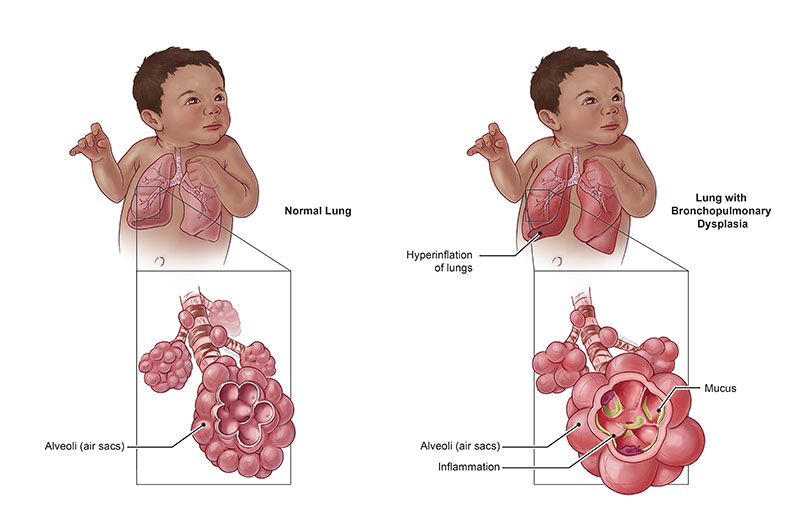
- Preterm Birth: The leading cause of infant mortality and morbidity, leading to respiratory distress syndrome, intraventricular hemorrhage, sepsis, and developmental delays.
- Low Birth Weight: Often associated with preterm birth or fetal growth restriction, posing risks similar to prematurity.
- Birth Defects: Certain risk factors (e.g., uncontrolled diabetes, substance use) increase the likelihood of congenital anomalies.
- Neonatal Intensive Care Unit (NICU) Stay: Many high-risk infants require specialized care immediately after birth.
- Long-term Health Issues: Depending on the complication, children may face developmental delays, learning disabilities, or chronic health conditions.
- Stillbirth or Neonatal Death: While rare, high-risk pregnancies carry an elevated risk compared to low-risk pregnancies.
Empowerment and Advocacy
Navigating a high-risk pregnancy can be overwhelming. It is crucial for expectant parents to be active participants in their care. This involves asking questions, seeking clarification, understanding treatment plans, and advocating for their needs and preferences. Don’t hesitate to seek second opinions if you feel uncertain about your care plan. Connecting with support groups or mental health professionals can also provide invaluable emotional resilience.
Conclusion
High-risk pregnancy is a complex clinical entity requiring an individualized, comprehensive, and collaborative approach to care. From the initial assessment of diverse risk factors—ranging from maternal age and pre-existing conditions to pregnancy-specific complications and lifestyle choices—through to the meticulous implementation of diagnostic and management strategies, every step is critical. The involvement of a multidisciplinary team, tailored care plans, and specialized interventions are designed to navigate potential challenges and optimize outcomes for both the pregnant individual and the newborn. While the journey may present unique hurdles, early identification, committed medical care, and active patient engagement offer the best pathway to a healthy and fulfilling resolution.
References
American College of Obstetricians and Gynecologists. (2020). ACOG Practice Bulletin No. 222: Gestational Hypertension and Preeclampsia. Obstetrics & Gynecology, 135(6), e237-e260.
American College of Obstetricians and Gynecologists. (2022). ACOG Practice Bulletin No. 248: Clinical Management of Pregnancies with Fetal Growth Restriction. Obstetrics & Gynecology, 140(2), 346-367.
American Diabetes Association. (2023). 15. Management of Diabetes in Pregnancy: Standards of Care in Diabetes—2023. Diabetes Care, 46(Supplement 1), S254-S266.
Cunningham, F. G., Leveno, K. J., Bloom, S. L., Dashe, J. S., Hoffman, B. L., Casey, B. M., & Spong, C. Y. (2018). Williams Obstetrics (25th ed.). McGraw-Hill Education.
Lockwood, C. J., & Kuczynski, E. (2023). Overview of the evaluation and management of high-risk pregnancy. UpToDate. Retrieved from https://www.uptodate.com/contents/overview-of-the-evaluation-and-management-of-high-risk-pregnancy (Note: UpToDate articles are continually updated, access date is important for retrieval).
Sibai, B. M. (2021). Diagnosis and management of gestational diabetes mellitus. UpToDate. Retrieved from https://www.uptodate.com/contents/diagnosis-and-management-of-gestational-diabetes-mellitus (Note: UpToDate articles are continually updated, access date is important for retrieval).