Apnea of Prematurity (AOP) is a common and often concerning clinical phenomenon encountered in the neonatal intensive care unit (NICU). It is defined as a pause in breathing for 20 seconds or more, or a shorter pause that is accompanied by bradycardia (a heart rate below 100 beats per minute) and/or cyanosis (a bluish discoloration of the skin due to lack of oxygen). While the term “apnea” can sound alarming, it is crucial for parents and clinicians to understand that AOP is a self-limiting condition directly related to the immaturity of a preterm infant’s respiratory and central nervous systems.
Understanding the Pathophysiology: Why Does AOP Occur?
To comprehend why premature infants experience apnea, one must first appreciate the multifaceted and immature state of their physiological systems. AOP is not caused by a single defect but rather a convergence of several developmental factors. The three primary mechanisms implicated are central apnea, obstructive apnea, and mixed apnea.
Central Apnea: This is the most common type, accounting for approximately 50-60% of all apneic events in preterm infants. Central apnea occurs when the infant temporarily ceases all respiratory effort. This is due to immaturity of the respiratory control center located in the brainstem. In a fully developed system, the brainstem constantly monitors blood gas levels (specifically carbon dioxide and oxygen) and sends signals via the phrenic and intercostal nerves to the diaphragm and chest wall muscles to initiate breathing. In a preterm infant, this center is immature and highly susceptible to inhibition. Factors that can trigger this inhibition include:
- Lack of Chemoreceptor Sensitivity: The chemoreceptors that detect rising CO2 or falling O2 are not yet fully developed, leading to a delayed or absent drive to breathe.
- Sleep State Instability: Transitions between sleep cycles, particularly from active (REM) sleep to quiet sleep, are common triggers for central apnea. REM sleep is associated with irregular breathing and increased muscle tone fluctuations, which can destabilize the respiratory center.
- Sensory Overload or Deprivation: Stimulation (such as handling, suctioning) or a lack of stimulation can disrupt the delicate respiratory rhythm.
Obstructive Apnea: This type, making up about 10-20% of events, occurs when respiratory effort is present, but airflow is blocked or obstructed at the level of the upper airway (pharynx or larynx). The primary reason for this in preterm infants is the profound immaturity of the upper airway muscles (e.g., genioglossus, a muscle in the tongue). These muscles are responsible for maintaining an open airway, especially during sleep when muscle tone naturally decreases. In a premature infant, this muscle tone is insufficient to overcome the negative pressure generated during inspiration, causing the airway to collapse. Common triggers for obstructive events include:
- Positioning: Neck flexion can physically compress the airway.
- Secretions: Mucus or saliva can partially or fully block the airway.
- Gastroesophageal Reflux (GER): Reflux of stomach contents into the esophagus can trigger a laryngeal chemoreflex, leading to laryngospasm and airway closure.
Mixed Apnea: As the name suggests, mixed apnea (comprising 20-30% of events) is a combination of both central and obstructive mechanisms. Typically, an event begins as central (cessation of effort) and then becomes obstructive, as the lack of airflow and subsequent hypoxia fail to arouse the infant and restore upper airway muscle tone. Mixed apnea is often considered the most clinically significant type due to its complexity and longer duration.
A key element in all forms of AOP is the vicious cycle of hypoxia and bradycardia. An apneic episode leads to a drop in blood oxygen levels (hypoxia) and a rise in carbon dioxide (hypercapnia). This, in turn, triggers a periodic breathing pattern—a pattern of breathing characterized by clusters of breaths followed by central apneic pauses of 5-10 seconds. While periodic breathing is considered a benign variant in premature infants, it can sometimes be a precursor to more prolonged, pathological apnea. The hypoxia and bradycardia from a significant apneic event can trigger a vagal response, further suppressing heart rate and potentially perpetuating the cycle until the infant is stimulated or the respiratory center recovers.
Diagnosis of Apnea of Prematurity
The diagnosis of AOP is primarily clinical, made through careful observation and monitoring in the NICU setting. The gold standard for identification is the use of cardiorespiratory monitors that track heart rate and respiratory patterns (via impedance pneumography or respiratory belts).
Clinical Presentation and Definition: The definitive diagnostic criterion is a documented event lasting ≥20 seconds, or any shorter pause that is accompanied by:
- Bradycardia: A heart rate drop, typically defined as <100 bpm, and often much lower (e.g., <80 bpm).
- Cyanosis: Central cyanosis (bluish color of the lips and trunk) or peripheral cyanosis (bluish hands and feet).
- Desaturation: A drop in oxygen saturation (SpO2), commonly defined as <80-85% for more than a few seconds.
Infants with AOP may appear pale, limp (hypotonic), or have decreased muscle tone during or immediately after an event. The frequency and severity of these episodes are key to clinical management.
Differential Diagnosis: It is critical to distinguish AOP from other, more serious conditions that can present with apnea in a neonate. A thorough workup is necessary if an infant has a “late-onset” apnea (occurring after the first week of life) or if the apnea is particularly severe or refractory to standard treatment. The differential diagnosis includes:
- Sepsis: A systemic infection is a classic cause of apnea in a neonate. A full sepsis workup (including blood culture, complete blood count, and lumbar puncture) should be strongly considered for any infant with new-onset or worsening apnea.
- Pneumonia: Lung infection can impair gas exchange and trigger respiratory distress and apnea.
- Gastroesophageal Reflux (GER): Severe GER can cause apnea through the laryngeal chemoreflex.
- Neurological Issues: Intraventricular hemorrhage (IVH), periventricular leukomalacia (PVL), or seizures can all manifest with apnea.
- Congenital Heart Disease: Certain cardiac defects can lead to poor oxygenation and apnea.
- Airway Obstruction: Anatomical abnormalities, such as laryngomalacia or tracheal stenosis, can cause apnea.
- Metabolic Disturbances: Hypoglycemia, hypocalcemia, or electrolyte imbalances can disrupt respiratory drive.
- Anemia: A low hemoglobin level reduces the blood’s oxygen-carrying capacity, making an infant more susceptible to hypoxia.
Therefore, while AOP is a diagnosis of exclusion in a typical preterm infant, any deviation from the expected clinical course warrants a thorough investigation to rule out these other underlying pathologies.
Treatment and Management of Apnea of Prematurity
The management of AOP is a stepwise approach, starting with the least invasive interventions and escalating as needed based on the frequency and severity of the episodes. The goals of treatment are to reduce the frequency of apnea, prevent associated bradycardia and hypoxia, and minimize the need for prolonged respiratory support.
A. Non-Pharmacological Interventions: These are foundational and should be implemented for all infants with AOP.
- Positioning: The infant should be placed in the “sniffing position” (neck slightly extended) to maintain airway patency. Prone positioning (on the stomach) has been shown to reduce apnea but is only recommended in select, closely monitored situations due to the association with Sudden Infant Death Syndrome (SIDS).
- Sensory Stimulation: Gentle tactile stimulation (e.g., stroking the infant’s back or feet) at the onset of an apneic event is often sufficient to terminate it.
- Maintaining a Neutral Thermal Environment: Keeping the infant in a thermal neutral zone prevents the metabolic stress of hypothermia, which can increase oxygen consumption and trigger apnea.
- Managing Secretions and Reflux: Suctioning the airway as needed and positioning for reflux can be helpful.
B. Respiratory Support:
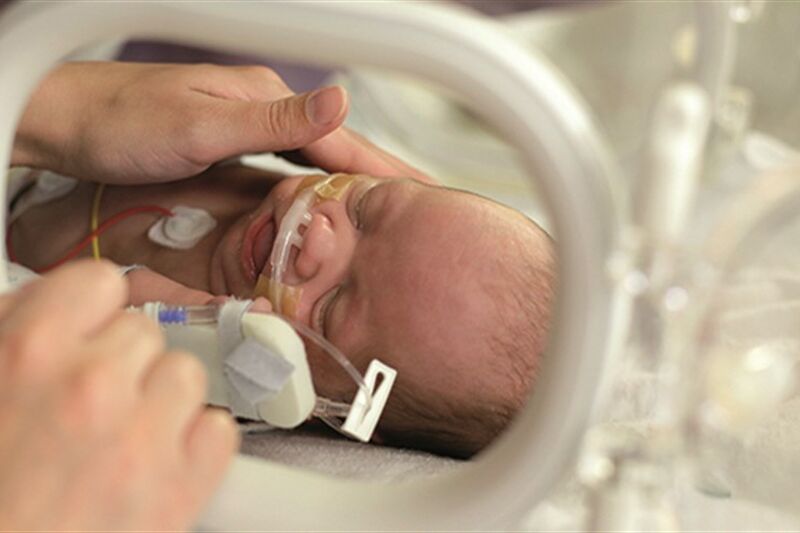
- Supplemental Oxygen: If apnea is associated with persistent hypoxemia, supplemental oxygen may be provided via nasal cannula or hood. However, it is important to note that AOP is not primarily a lung problem, and excessive oxygen should be avoided.
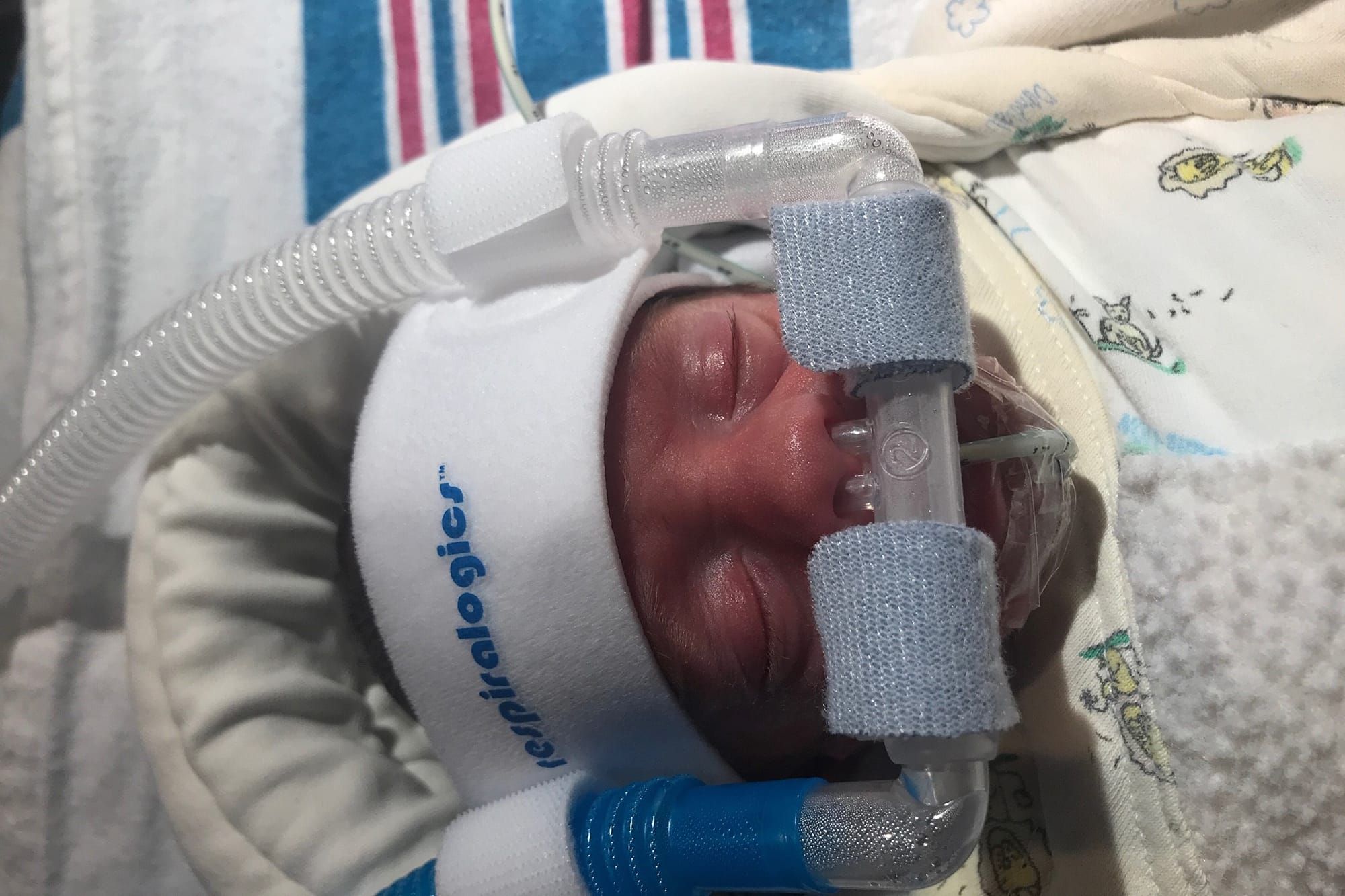
- Positive Airway Pressure (CPAP/BiPAP): Continuous Positive Airway Pressure (CPAP) is a highly effective non-invasive therapy. It delivers a constant pressure to the upper airway, acting as a “pneumatic splint” to prevent collapse (i.e., treating the obstructive component). It also helps stabilize lung volume and can improve the central drive to breathe. It is often the first-line respiratory support for significant AOP.
C. Pharmacological Treatment (Methylxanthines): When non-invasive measures are insufficient, pharmacological therapy is indicated. Methylxanthines are the mainstay of AOP treatment.
- Caffeine Citrate: This is the preferred agent due to its wide therapeutic index, long half-life (allowing for once-daily dosing), and superior evidence base compared to other agents like theophylline.
- Mechanism of Action: Caffeine is a respiratory stimulant. It works by:
- Increasing central respiratory drive: It blocks adenosine receptors in the brainstem, which removes an inhibitory influence on respiration.
- Improving diaphragmatic contractility: It enhances the strength and endurance of the primary breathing muscle.
- Increasing metabolic rate: This leads to a slight increase in oxygen consumption but is generally well-tolerated.
- Dosing: A typical regimen involves a loading dose (e.g., 20 mg/kg) followed by a maintenance dose (e.g., 5 mg/kg/day). The dose is adjusted based on drug levels, though routine monitoring is less common now due to its safety profile.
- Side Effects: Generally well-tolerated. Potential side effects include tachycardia (fast heart rate), jitteriness, feeding intolerance, and hyperglycemia.
- Mechanism of Action: Caffeine is a respiratory stimulant. It works by:
- Doxapram: This is a respiratory stimulant used as a second-line agent for apnea that is refractory to caffeine. Its use is limited by potential side effects, including hypertension, seizures, and gastrointestinal upset.
D. Treatment of Underlying Conditions: As noted in the diagnosis, it is imperative to treat any identified underlying cause, such as starting antibiotics for sepsis or managing severe reflux.
Prognosis and Long-Term Outcomes
The prognosis for Apnea of Prematurity is overwhelmingly excellent. AOP is a self-limiting condition that resolves as the infant matures.
- Resolution: AOP typically begins to resolve around 36-37 weeks of postmenstrual age (PMA). The underlying physiological systems—respiratory control center, upper airway muscle tone, and overall neurological maturity—improve rapidly in the final weeks of gestation. Most infants will have outgrown their apnea by their original expected due date. Caffeine therapy is typically weaned and discontinued once the infant has been free of significant apnea for a period of time (e.g., 5-7 days).
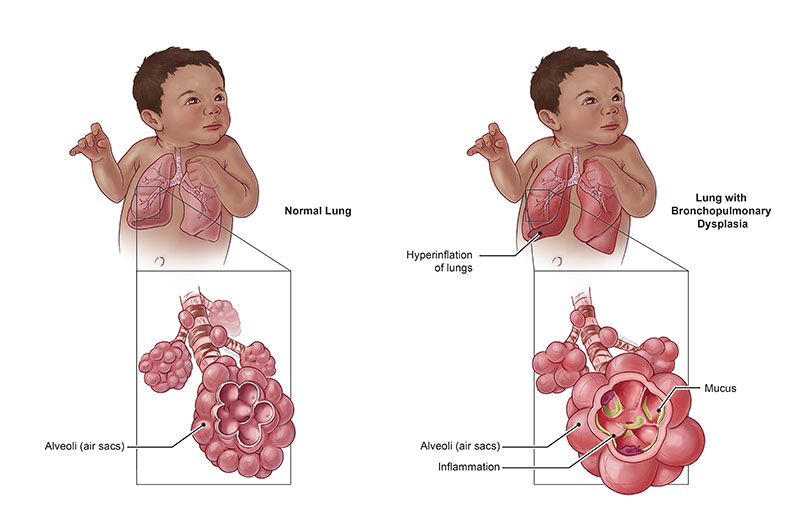
- Impact of Treatment: Early and effective treatment, particularly with caffeine, has been shown to improve outcomes. The Caffeine for Apnea of Prematurity (CAP) trial, a large multinational randomized controlled trial, demonstrated that caffeine use in very low birth weight infants was associated with a lower incidence of bronchopulmonary dysplasia (BPD), a reduced need for mechanical ventilation, and improved neurodevelopmental outcomes at 18-21 months of age.
- Long-Term Outcomes: While the apnea itself resolves, the underlying prematurity is the primary determinant of long-term outcomes. Infants who experience significant AOP are often the most premature and smallest, and thus are at higher risk for neurodevelopmental delays, respiratory issues like BPD, and other complications of prematurity. However, AOP, when managed appropriately, does not appear to independently cause long-term neurodevelopmental impairment. The episodes and their treatment are generally considered a marker of physiological immaturity rather than a direct cause of brain injury.
In conclusion, Apnea of Prematurity is a common, expected, and manageable consequence of preterm birth. A thorough understanding of its pathophysiology guides a rational, stepwise approach to diagnosis and treatment. With vigilant monitoring and appropriate interventions, most infants navigated through this transient phase of immaturity without adverse long-term consequences.
References
American Academy of Pediatrics (AAP) Committee on Fetus and Newborn. (2016). Apnea, sudden infant death syndrome, and home monitoring. Pediatrics, 137(4), e20153336. https://doi.org/10.1542/peds.2015-3336
Bhatt, N., & Garg, P. (2021). Apnea of prematurity: A review of the literature. Cureus, 13(9), e17731. https://doi.org/10.7759/cureus.17731
Cannon, M. L., & Lorch, S. A. (2019). Apnea of prematurity. In R. J. Martin, A. A. Fanaroff, & M. C. Walsh (Eds.), Fanaroff and Martin’s neonatal-perinatal medicine: Diseases of the fetus and infant (11th ed., Vol. 2, pp. 1299-1312). Elsevier.
Schmidt, B., Roberts, R. S., Davis, P., Doyle, L. W., Barrington, K. J., Ohlsson, A., … & Caffeine for Apnea of Prematurity (CAP) Trial Investigators. (2006). Caffeine therapy for apnea of prematurity. New England Journal of Medicine, 354(20), 2112-2121. https://doi.org/10.1056/NEJMoa054000
Schmidt, B., Roberts, R. S., Davis, P., Doyle, L. W., Barrington, K. J., Ohlsson, A., … & Caffeine for Apnea of Prematurity (CAP) Trial Investigators. (2007). Long-term effects of caffeine therapy for apnea of prematurity on neurodevelopment at 18-21 months. JAMA, 297(17), 1875-1882. https://doi.org/10.1001/jama.297.17.1875
Zhao, J., Gonzalez, F., & Mu, D. (2011). Apnea of prematurity: From cause to treatment. European Journal of Pediatrics, 170(9), 1097-1105. https://doi.org/10.1007/s00431-011-1420-2