Langerhans Cell Histiocytosis (LCH) is a rare and complex disorder characterized by the abnormal proliferation and accumulation of a specific type of immune cell called Langerhans-like cells. Normal Langerhans cells are a type of dendritic cell found predominantly in the skin, where they play a crucial role in recognizing and presenting foreign antigens to the immune system. In LCH, however, abnormal, clonal cells with features similar to Langerhans cells build up in various tissues and organs, forming lesions or tumors that can cause significant damage. For decades, the nature of LCH was debated—whether it was an inflammatory condition, an immune dysregulation disorder, or a true cancer. Groundbreaking research has clarified this, revealing that LCH is a myeloid neoplasm driven by specific genetic mutations, most commonly in the Mitogen-Activated Protein Kinase (MAPK) signaling pathway. The most frequent of these is the BRAF V600E mutation, found in over half of all LCH cases. This understanding has revolutionized diagnosis, treatment, and prognosis for this enigmatic disease, which primarily affects children but can occur at any age.
Symptoms and Signs of Langerhans Cell Histiocytosis
The clinical presentation of LCH is exceptionally diverse, ranging from a single, asymptomatic lesion to a life-threatening, widespread disease. The symptoms are entirely dependent on the location and extent of the cellular infiltration. The disease is broadly classified into Single-System LCH (SS-LCH), affecting only one organ system, and Multisystem LCH (MS-LCH), involving two or more systems. Within MS-LCH, the involvement of certain “risk organs”—namely the liver, spleen, and hematopoietic system (bone marrow)—carries a more severe prognosis.
- Bone (Most Common Site): Approximately 80% of LCH cases involve the skeletal system. Patients typically present with localized pain, swelling, or a palpable mass over the affected bone. The lesions are lytic, meaning they destroy bone tissue, which can lead to pathological fractures after minimal trauma. The skull is the most frequently affected site, followed by the long bones of the arms and legs (femur, humerus), pelvis, ribs, and vertebrae. When the jaw is involved, the destruction of bone around the teeth can create the appearance of “floating teeth” on an X-ray.
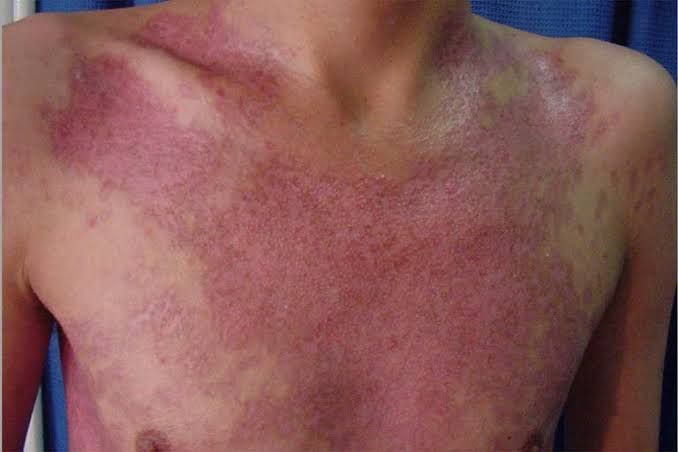
- Skin: Skin manifestations are particularly common in infants and young children, affecting about one-third of all patients. The rash can mimic common skin conditions, often leading to a delayed diagnosis. It frequently appears as a scaly, seborrheic dermatitis-like rash on the scalp (“cradle cap”) or in skin folds like the groin, armpits, and behind the ears. In other cases, it may present as reddish-brown or purplish papules (small bumps), pustules, or even ulcerations.
- Pituitary Gland and Endocrine System: Infiltration of the pituitary stalk in the brain is a classic feature of LCH, leading to endocrine dysfunction. The most common consequence is Diabetes Insipidus (DI), which occurs in up to 25% of all LCH patients and nearly 50% of those with skull bone involvement. DI is not related to blood sugar; it is caused by a deficiency of the antidiuretic hormone (vasopressin), resulting in the inability to concentrate urine. This leads to intense thirst (polydipsia) and excessive urination (polyuria). Other potential endocrine problems include growth hormone deficiency, delayed puberty, and other hormonal imbalances.
- Risk Organs (Liver, Spleen, Bone Marrow): Involvement of these organs signifies a more aggressive, high-risk form of the disease.
- Liver: Hepatomegaly (enlarged liver), abnormal liver function tests, jaundice (yellowing of the skin and eyes), and in severe cases, liver failure.
- Spleen: Splenomegaly (enlarged spleen).
- Bone Marrow: Infiltration can suppress normal blood cell production, leading to cytopenias: anemia (low red blood cells, causing fatigue and pallor), thrombocytopenia (low platelets, causing easy bruising and bleeding), and leucopenia (low white blood cells, increasing susceptibility to infections).
- Other Sites:
- Lungs: Pulmonary LCH is more common in adults and is strongly associated with cigarette smoking. Symptoms include a persistent cough, shortness of breath (dyspnea), chest pain, and spontaneous pneumothorax (collapsed lung).
- Lymph Nodes: Lymphadenopathy (enlarged lymph nodes) can occur, often in the neck.
- Central Nervous System (CNS): Beyond the pituitary gland, LCH can directly affect the brain, particularly the cerebellum. This can lead to a rare but devastating long-term complication known as neurodegenerative LCH, causing progressive ataxia (loss of balance and coordination), dysarthria (slurred speech), and cognitive decline.
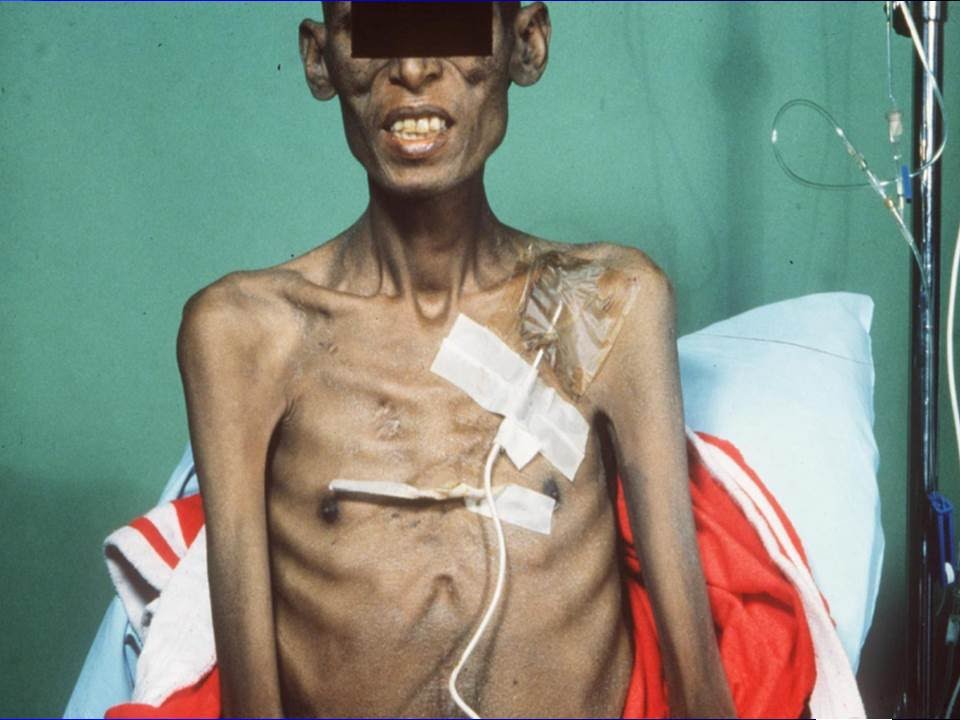
- Constitutional Symptoms: In cases of widespread disease, patients may experience systemic symptoms like fever, lethargy, irritability, weight loss, or failure to thrive in infants.
Diagnosis of Langerhans Cell Histiocytosis
A definitive diagnosis of LCH requires a tissue biopsy from an affected site. While clinical symptoms and imaging can be highly suggestive, histological confirmation is the gold standard.
- Biopsy and Pathology: A small sample of tissue is surgically removed from a lesion (e.g., bone, skin, or lymph node). A pathologist examines the tissue under a microscope, looking for the characteristic accumulation of abnormal Langerhans-like cells. To confirm the identity of these cells, a technique called immunohistochemistry is used. Pathological LCH cells stain positive for specific protein markers, most importantly CD1a and Langerin (CD207). They also typically stain positive for S-100 protein. The presence of CD1a and/or Langerin is required for a definitive diagnosis.
- Molecular Testing: It is now standard practice to test the biopsy sample for the BRAF V600E mutation. Discovering whether this mutation is present is critical, as it opens the door for targeted therapies if standard treatments fail.
- Staging and Imaging: Once LCH is confirmed, a series of evaluations is performed to determine the extent of the disease (staging). This is crucial for guiding treatment decisions.
- Skeletal Survey: A series of X-rays covering the entire skeleton is performed to identify all bone lesions.
- CT (Computed Tomography) and MRI (Magnetic Resonance Imaging): These scans provide more detailed images of specific areas. An MRI of the brain is essential to evaluate the pituitary gland and check for other CNS involvement. A CT of the chest is used to assess the lungs.
- PET-CT Scan: This powerful imaging modality combines a PET scan, which detects metabolically active cells, with a CT scan. It is highly sensitive for identifying active LCH lesions throughout the body and is increasingly used for initial staging and monitoring the response to therapy.
- Blood Tests: A complete blood count (CBC) with differential is performed to check for bone marrow involvement. Liver function tests and other blood chemistry panels are also necessary.
- Bone Marrow Aspiration and Biopsy: This procedure is performed if there is evidence of cytopenias or if MS-LCH is suspected.
Treatment of Langerhans Cell Histiocytosis
Treatment for LCH is highly risk-stratified and tailored to the individual patient based on the extent of the disease and organ involvement.
- Single-System LCH (Low-Risk):
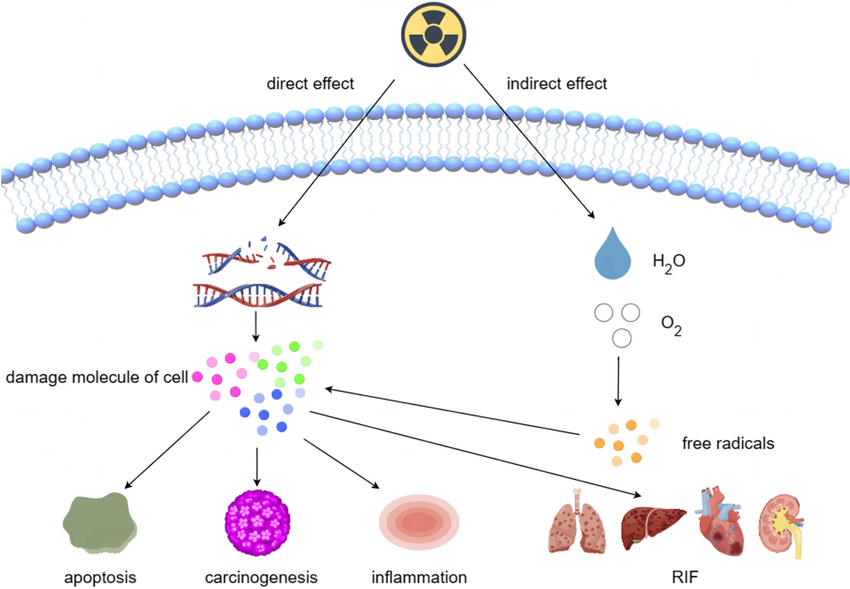
- Single Bone Lesion: Treatment may not always be necessary, as some lesions resolve spontaneously. For symptomatic lesions, options include a simple surgical scraping (curettage), an injection of corticosteroids directly into the lesion, or low-dose radiation (used sparingly in children due to long-term risks).
- Skin-Only Disease: Treatment often involves topical corticosteroids or, in more resistant cases, topical nitrogen mustard or phototherapy (PUVA).
- Multisystem LCH or Multifocal Single-System Disease (e.g., multiple bone lesions):
- Systemic Chemotherapy: The standard first-line treatment for more extensive disease is a combination of systemic chemotherapy, typically vinblastine, and a corticosteroid, such as prednisone. This regimen is usually administered weekly for an initial period, followed by a less intensive maintenance phase, with a total treatment duration of about 12 months.
- Second-Line Therapies: For patients whose disease does not respond to initial therapy (refractory) or comes back after treatment (relapsed), more intensive chemotherapy regimens using agents like cytarabine, cladribine, or clofarabine may be used.
- Targeted Therapy: For patients with the BRAF V600E mutation, especially those with refractory or relapsed disease, targeted inhibitors have emerged as a highly effective option.
- BRAF Inhibitors (e.g., Dabrafenib, Vemurafenib) directly block the activity of the mutated BRAF protein, halting the signal that drives cell proliferation.
- MEK Inhibitors (e.g., Trametinib) block the next protein down the line in the MAPK pathway and can be used for patients with or without the BRAF mutation.
- Hematopoietic Stem Cell Transplantation (HSCT): This intensive procedure is reserved for the most aggressive, high-risk, and multiply-relapsed cases of MS-LCH that have not responded to other therapies.
Prognosis for Langerhans Cell Histiocytosis
The prognosis for LCH has improved significantly over the past few decades. Overall survival is excellent, but the long-term outlook depends heavily on the initial disease presentation.
- Prognostic Factors: The most critical factors influencing prognosis are the extent of disease and the response to initial therapy.
- Patients with single-system LCH have an excellent prognosis, with a near 100% survival rate. The main challenge is managing local recurrence or the development of long-term consequences.
- Patients with multisystem LCH without risk organ involvement also have a very good prognosis, with survival rates exceeding 95%.
- The prognosis is most guarded for patients with multisystem LCH with risk organ involvement. Historically, this group had high mortality rates, but with modern chemotherapy and targeted agents, survival rates have climbed to around 80%. A poor response to the first six weeks of chemotherapy is a strong indicator of a worse outcome.
- Long-Term Sequelae: Despite high survival rates, many LCH survivors face permanent, lifelong health issues resulting from organ damage caused by the disease. These are known as long-term sequelae and require lifelong monitoring. They include:
- Diabetes Insipidus: This is often permanent.
- Other Endocrine Deficiencies: Requiring lifelong hormone replacement therapy.
- Orthopedic Problems: Such as bone deformities, fractures, or chronic pain.
- Hearing Loss: If the temporal bones of the skull were involved.
- Neurodegenerative LCH: A progressive and debilitating late effect that can appear years after successful treatment.
- Increased Risk of Secondary Malignancies: Survivors may have a higher risk of developing other cancers later in life, partly due to the effects of chemotherapy or radiation.
In conclusion, Langerhans Cell Histiocytosis is a neoplasm of the immune system whose clinical behavior spans from benign and self-resolving to aggressive and life-threatening. The discovery of its molecular drivers has transformed it from a mysterious inflammatory disease into a well-defined neoplastic disorder with targeted treatment options. While the prognosis is generally favorable, the potential for significant long-term morbidity underscores the importance of a comprehensive, multidisciplinary approach to care and diligent long-term follow-up for all survivors.
References
- Haupt, R., Minkov, M., Astigarraga, I., et al. (2013). Langerhans cell histiocytosis (LCH): guidelines for diagnosis, clinical work-up, and treatment for patients till the age of 18 years. Pediatric Blood & Cancer, 60(2), 175-184.
- Badalian-Very, G., Vergilio, J. A., Degar, B. A., et al. (2010). Recurrent BRAF mutations in Langerhans cell histiocytosis. Blood, 116(11), 1919-1923.
- Allen, C. E., Merad, M., & McClain, K. L. (2018). Langerhans-Cell Histiocytosis. New England Journal of Medicine, 379(9), 856-868.
- Histiocyte Society. (2022). Langerhans Cell Histiocytosis (LCH). Retrieved from the Histiocyte Society website.
- National Cancer Institute (NCI). (2021). Langerhans Cell Histiocytosis Treatment (PDQ®)–Health Professional Version. Retrieved from cancer.gov.
- Donadieu, J., Bernard, F., van Noesel, M., et al. (2019). Langerhans cell histiocytosis: a clinical and molecular jigsaw puzzle. Journal of Clinical Investigation, 129(11), 4572-4583.