Coronary Atherosclerosis (CA) is a progressive and often silent disease that represents the underlying pathology for a spectrum of cardiovascular conditions, including angina, myocardial infarction, and sudden cardiac death. Understanding its mechanisms, clinical presentation, diagnostic approaches, potential complications, and multifaceted management strategies is crucial for healthcare professionals and patients alike.
Discussing Coronary Atherosclerosis (CA)
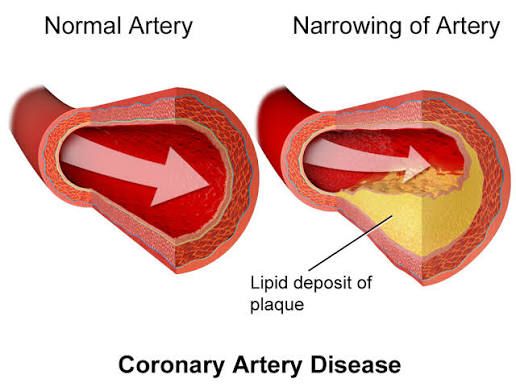
Coronary Atherosclerosis is a chronic inflammatory disease characterized by the gradual accumulation of fatty deposits, cholesterol, cellular waste products, calcium, and fibrin within the inner lining (endothelium) of the coronary arteries. These accumulations, known as plaques, harden and narrow the arteries, restricting blood flow to the myocardium (heart muscle). The process typically begins with endothelial injury, often triggered by risk factors such as hypertension, hyperlipidemia, smoking, diabetes mellitus, and chronic inflammation. This injury promotes the infiltration of low-density lipoprotein (LDL) cholesterol into the arterial wall, where it becomes oxidized. Macrophages then engulf these oxidized LDL particles, transforming into foam cells, which aggregate to form fatty streaks. Over time, these streaks evolve into complex fibrous plaques, covered by a fibrous cap. The core of these plaques contains necrotic cellular debris, lipids, and cholesterol crystals. Plaque growth progressively narrows the arterial lumen, impeding blood flow. More critically, these plaques can become unstable, rupturing and exposing their thrombogenic core to the bloodstream. This triggers platelet aggregation and fibrin clot formation (thrombosis), leading to acute occlusion of the artery and subsequent myocardial ischemia or infarction. The interplay of genetic predispositions, environmental factors, and lifestyle choices significantly influences the initiation and progression of CA.
Clinical Manifestations of Coronary Atherosclerosis (CA)
The clinical manifestations of Coronary Atherosclerosis often do not appear until the disease has significantly progressed, typically when the arterial lumen is narrowed by 70% or more, or when an acute event occurs. The primary symptom is angina pectoris, characterized by chest discomfort, pressure, or pain, often described as squeezing, tightness, or heaviness, which may radiate to the left arm, shoulder, back, neck, jaw, or epigastrium.
- Stable Angina: This is the most common presentation, occurring predictably with physical exertion, emotional stress, or exposure to cold. It is relieved by rest or sublingual nitroglycerin within minutes, reflecting a temporary imbalance between myocardial oxygen supply and demand.
- Unstable Angina: A more serious form, unstable angina is characterized by new-onset angina, angina that occurs at rest, or a significant increase in the frequency, intensity, or duration of previously stable angina. It is not relieved by rest or nitroglycerin and is indicative of a more critical stenosis or impending myocardial infarction.
- Myocardial Infarction (MI): Often the culmination of acute plaque rupture and complete thrombotic occlusion, an MI presents with severe, persistent chest pain lasting longer than 20 minutes, not relieved by rest or nitroglycerin. It may be accompanied by diaphoresis, nausea, vomiting, dyspnea, extreme fatigue, and lightheadedness.
- Silent Ischemia: A significant proportion of CA patients, particularly those with diabetes, the elderly, or women, may experience myocardial ischemia without typical anginal symptoms. This “silent” ischemia can be detected through routine stress tests or continuous ECG monitoring and carries the same prognostic significance as symptomatic ischemia.
- Other less common manifestations include dyspnea (shortness of breath) as a sole anginal equivalent, palpitations, and syncope, especially if the ischemia leads to significant rhythm disturbances or pump dysfunction. In advanced stages, CA can contribute to symptoms of chronic heart failure.
Assessment and Diagnostic Findings of Coronary Atherosclerosis (CA)
Diagnosing Coronary Atherosclerosis involves a comprehensive approach, combining patient history, physical examination, laboratory tests, and various imaging modalities.
- Patient History: A detailed history is crucial, focusing on the presence and characteristics of chest pain or anginal equivalents, identification of cardiovascular risk factors (hypertension, diabetes, hyperlipidemia, smoking, family history of premature CAD), and lifestyle habits.
- Physical Examination: While often normal in stable CA, it may reveal signs of associated conditions like hypertension, hyperlipidemia (e.g., xanthelasma), or peripheral vascular disease. During an anginal episode, transient S4 heart sounds or murmurs of mitral regurgitation may be heard. Signs of heart failure (rales, peripheral edema) indicate advanced disease.
- Laboratory Tests:
- Lipid Panel: Measures total cholesterol, LDL-C, HDL-C, and triglycerides to assess dyslipidemia.
- High-sensitivity C-reactive protein (hs-CRP): An inflammatory marker, elevated levels may indicate increased cardiovascular risk.
- Glucose/HbA1c: To screen for or monitor diabetes.
- Cardiac Biomarkers (Troponins I or T, CK-MB): Essential for diagnosing acute myocardial infarction when symptoms are present.
- Electrocardiogram (ECG): A baseline ECG may be normal, but during ischemia or infarction, it can show ST-segment depression or elevation, T-wave inversion, or pathological Q waves.
- Stress Testing:
- Exercise Stress Test: Involves walking on a treadmill or cycling while ECG and vital signs are monitored for ischemic changes.
- Pharmacological Stress Test: For patients unable to exercise, medications (e.g., dobutamine, adenosine) are used to simulate exercise.
- Stress Echocardiography or Myocardial Perfusion Imaging (MPI) (SPECT/PET): Performed in conjunction with stress tests, these imaging techniques visualize myocardial wall motion abnormalities or areas of reduced blood flow (perfusion defects) indicative of ischemia.
- Coronary Artery Calcium (CAC) Scoring: A non-invasive CT scan quantifying calcium deposits in the coronary arteries, offering a prognostic risk assessment, particularly in asymptomatic individuals.
- Coronary Angiography (Cardiac Catheterization): Considered the “gold standard,” this invasive procedure involves injecting contrast dye into the coronary arteries to visualize blockages (stenoses) and assess their severity. It allows for simultaneous intervention if needed.
- CT Coronary Angiography (CTCA): A non-invasive alternative to traditional angiography, providing detailed 3D images of the coronary arteries, identifying plaques and stenoses.
Complications of Coronary Atherosclerosis (CA)
The progression and acute events associated with Coronary Atherosclerosis can lead to several serious and life-threatening complications:
- Acute Coronary Syndromes (ACS): This encompasses a spectrum of conditions including unstable angina, Non-ST-Elevation Myocardial Infarction (NSTEMI), and ST-Elevation Myocardial Infarction (STEMI). These result from acute plaque rupture and thrombus formation, leading to partial or complete occlusion of a coronary artery, causing myocardial ischemia or necrosis.
- Heart Failure (HF): Chronic or recurrent ischemia gradually weakens the heart muscle, leading to impaired pumping function (ischemic cardiomyopathy). An acute myocardial infarction can also result in significant loss of cardiac muscle, directly precipitating heart failure due to reduced ejection fraction.
- Arrhythmias: Ischemic or infarcted myocardial tissue is electrically unstable, increasing the risk of both atrial and ventricular arrhythmias. Life-threatening ventricular arrhythmias, such as ventricular tachycardia and ventricular fibrillation, are common causes of sudden cardiac death, especially in the setting of acute MI.
- Sudden Cardiac Death (SCD): This can be the first manifestation of CA in some individuals and is often caused by fatal ventricular arrhythmias triggered by acute ischemia or infarction, or by the presence of significant myocardial scarring from prior events.
- Cardiogenic Shock: A severe complication of extensive MI, where the heart’s pumping ability is so compromised that it cannot meet the body’s metabolic demands, leading to widespread organ hypoperfusion and high mortality.
- Mitral Regurgitation: Ischemia or infarction of the papillary muscles or ventricular wall can lead to dysfunction of the mitral valve apparatus, causing acute or chronic mitral regurgitation, which further exacerbates heart failure.
- Aneurysm Formation: Following an extensive MI, the infarcted ventricular wall can become thinned and weak, predisposing to the formation of a ventricular aneurysm, which can be a source of thrombi or lead to heart failure.
- Thromboembolism: Mural thrombi can form on the surface of an infarcted ventricle or within an aneurysm, potentially dislodging and causing systemic embolism (e.g., stroke).
Medical Management of Coronary Atherosclerosis (CA)
The medical management of Coronary Atherosclerosis focuses on preventing progression, reducing symptoms, and mitigating the risk of complications through a combination of lifestyle modifications, pharmacotherapy, and revascularization procedures.
- Lifestyle Modifications: These are foundational and include:
- Dietary Changes: Adopting a heart-healthy diet rich in fruits, vegetables, whole grains, lean proteins, and healthy fats (e.g., Mediterranean or DASH diet), while limiting saturated and trans fats, cholesterol, sodium, and refined sugars.
- Regular Physical Activity: Engaging in at least 150 minutes of moderate-intensity aerobic exercise or 75 minutes of vigorous-intensity exercise per week.
- Smoking Cessation: Crucial for preventing further endothelial damage and reducing thrombotic risk.
- Weight Management: Achieving and maintaining a healthy body mass index (BMI).
- Stress Reduction: Techniques like meditation, yoga, or counseling can help manage stress, a known risk factor.
- Blood Pressure and Diabetes Control: Strict management to target goals.
- Pharmacological Therapy:
- Antiplatelet Agents: Aspirin (typically 81 mg daily) is recommended for most patients to prevent clot formation. P2Y12 inhibitors like clopidogrel, ticagrelor, or prasugrel are often prescribed in combination with aspirin (dual antiplatelet therapy) after an ACS or revascularization with stenting.
- Statins (HMG-CoA Reductase Inhibitors): High-intensity statins (e.g., atorvastatin, rosuvastatin) are essential for lowering LDL-C levels, stabilizing atherosclerotic plaques, and reducing inflammatory markers.
- Beta-Blockers: (e.g., metoprolol, carvedilol) Reduce myocardial oxygen demand by decreasing heart rate and contractility, improve symptoms of angina, and reduce mortality post-MI.
- ACE Inhibitors or Angiotensin Receptor Blockers (ARBs): (e.g., lisinopril, valsartan) Recommended for patients with hypertension, diabetes, heart failure, or post-MI to improve vascular function and reduce cardiac remodeling.
- Nitrates: (e.g., sublingual nitroglycerin, long-acting isosorbide mononitrate) Are potent vasodilators used to relieve acute angina and for symptomatic relief of chronic angina.
- Calcium Channel Blockers: (e.g., amlodipine, diltiazem) Can be used for angina relief, especially in Prinzmetal’s angina, or when beta-blockers are contraindicated.
- Other Lipid-Lowering Agents: Ezetimibe or PCSK9 inhibitors may be added if statins alone are insufficient.
- Revascularization Procedures:
- Percutaneous Coronary Intervention (PCI): Involves threading a catheter with a balloon into the narrowed artery to inflate it and open the blockage, often followed by the placement of a stent to keep the artery open.
- Coronary Artery Bypass Grafting (CABG): A surgical procedure where healthy blood vessels (grafts from the leg or chest) are used to bypass blocked coronary arteries, creating new pathways for blood flow to the heart muscle.
Nursing Management of Coronary Atherosclerosis (CA)
Nursing management for patients with Coronary Atherosclerosis is holistic, encompassing vital assessment, acute symptom management, comprehensive patient education, and long-term support.
- Assessment & Monitoring:
- Continuous Cardiac Monitoring: For patients with acute symptoms or post-procedure, monitoring ECG for arrhythmias or ischemic changes.
- Vital Signs Assessment: Regular monitoring of blood pressure, heart rate, respiratory rate, and oxygen saturation.
- Chest Pain Assessment: Using the PQRST mnemonic (Provoking factors, Quality, Radiation, Severity, Timing) to characterize and differentiate chest pain, and promptly intervening with nitroglycerin and oxygen as prescribed.
- Peripheral Perfusion Assessment: Checking pulses, skin temperature, and color to identify signs of peripheral ischemia.
- Fluid Balance: Monitoring for signs of fluid overload, especially if heart failure is present.
- Laboratory Review: Monitoring cardiac enzymes, lipid profiles, electrolytes, glucose, and renal function.
- Medication Management & Education:
- Administration: Administering prescribed medications (antiplatelets, statins, beta-blockers, ACE inhibitors, nitrates) and monitoring for anticipated effects and adverse reactions.
- Patient Education: Thoroughly educating patients about each medication’s purpose, dosage, administration schedule, potential side effects, and the critical importance of adherence to prevent future events. Teaching the correct use of sublingual nitroglycerin for angina relief.
- Lifestyle Modification Counseling:
- Dietary Guidance: Collaborating with dietitians to provide tailored dietary advice, emphasizing low-sodium, low-saturated fat, high-fiber diets.
- Exercise Promotion: Educating on the benefits of regular physical activity and assisting with referrals to structured cardiac rehabilitation programs.
- Smoking Cessation Support: Providing resources, counseling, and motivational interviewing to support smoking cessation.
- Weight Management: Offering strategies for healthy weight loss and maintenance.
- Stress Management: Discussing coping mechanisms for stress and anxiety.
- Symptom Management and Comfort:
- Providing a calm environment during anginal episodes.
- Administering oxygen therapy as ordered.
- Offering emotional support and reassurance to alleviate anxiety and fear.
- Pre and Post-Procedure Care (PCI/CABG):
- Pre-procedure: Educating patients about the procedure, managing anxiety, and ensuring all pre-operative preparations are completed.
- Post-procedure: Meticulous monitoring for complications such as bleeding, infection, arrhythmias, and signs of re-occlusion. Providing wound care, pain management, and early mobilization.
- Psychological Support:
- Addressing the psychological impact of living with a chronic disease, including anxiety, depression, and denial.
- Involving family members in education and support strategies.
- Discharge Planning & Reinforcement:
- Ensuring patients understand discharge instructions, including follow-up appointments, medication schedules, and activity restrictions.
- Reinforcing the importance of ongoing self-management, adherence to lifestyle changes, and seeking medical attention for new or worsening symptoms.
In conclusion, Coronary Atherosclerosis is a multifaceted disease requiring a diligent, collaborative approach. Through early risk factor modification, vigilant assessment, precise diagnosis, evidence-based medical and interventional therapies, and comprehensive nursing care, the progression of CA can be slowed, symptoms managed, and patient outcomes significantly improved, allowing individuals to lead healthier, more productive lives.
References
- Arnett, D. K., et al. (2019). 2019 ACC/AHA Guideline on the Primary Prevention of Cardiovascular Disease: A Report of the American College of Cardiology/American Heart Association Task Force on Clinical Practice Guidelines. Circulation, 140(11), e596-e646.
- Collet, J. P., et al. (2020). 2020 ESC Guidelines for the management of acute coronary syndromes in patients presenting without persistent ST-segment elevation. European Heart Journal, 41(37), 3405–3477.
- Grundy, S. M., et al. (2019). 2018 AHA/ACC/AACVPR/AAPA/ABC/ACPM/ADA/AGS/APhA/ASPC/NLA/PCNA Guideline on the Management of Blood Cholesterol: A Report of the American College of Cardiology/American Heart Association Task Force on Clinical Practice Guidelines. Circulation, 139(25), e1082-e1143.
- Knuuti, J., et al. (2020). 2019 ESC Guidelines for the diagnosis and management of chronic coronary syndromes. European Heart Journal, 41(3), 407-477.
- McCance, K. L., & Huether, S. E. (2019). Pathophysiology: The Biologic Basis for Disease in Adults and Children (8th ed.). Elsevier.
- O’Gara, P. T., et al. (2013). 2013 ACCF/AHA Guideline for the Management of ST-Elevation Myocardial Infarction: A Report of the American College of Cardiology Foundation/American Heart Association Task Force on Practice Guidelines. Circulation, 127(4), e362-e425.
- Smeltzer, S. C., Bare, B. G., Hinkle, J. L., & Cheever, K. H. (2017). Brunner & Suddarth’s Textbook of Medical-Surgical Nursing (14th ed.). Wolters Kluwer Health.
- Virani, S. S., et al. (2021). Heart Disease and Stroke Statistics—2021 Update: A Report From the American Heart Association. Circulation, 143(8), e254-e743.