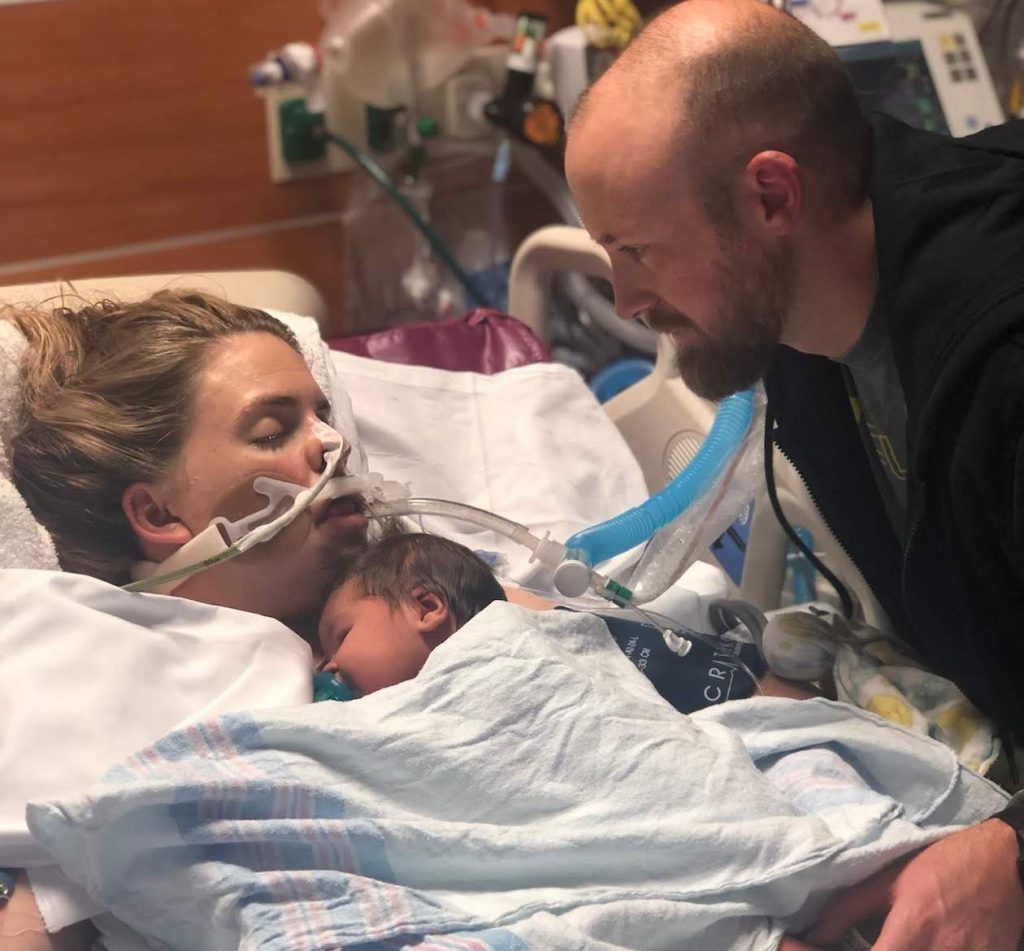
Amniotic Fluid Embolism (AFE) is a rare, catastrophic, and often fatal obstetric syndrome that occurs during labor, delivery, or in the immediate postpartum period. Once considered a simple mechanical embolism of amniotic fluid and fetal debris into the maternal circulation, it is now more accurately understood as a complex, anaphylactoid syndrome of pregnancy. This condition triggers a severe systemic inflammatory response, leading to rapid cardiorespiratory collapse and profound coagulopathy. Despite its rarity, AFE is a leading cause of direct maternal mortality in high-resource countries, demanding immediate recognition and a multidisciplinary, aggressive treatment approach to improve survival odds.
Incidence
AFE is an exceptionally rare event, though its precise incidence is difficult to determine due to variations in diagnostic criteria and reporting across different regions. Current estimates suggest it occurs in approximately 1 in 40,000 deliveries in North America and 1 in 53,800 deliveries in Europe. However, its impact is disproportionately severe. AFE is responsible for 5% to 15% of all maternal deaths in developed nations, underscoring its devastating potential despite its low frequency. Survival rates have improved with advancements in critical care, with recent data suggesting a maternal survival rate of over 60% in some registries, though many survivors suffer permanent neurological injury.
Risk Factors
Unlike many obstetric complications, AFE is notoriously unpredictable, and its association with traditional risk factors is often weak. However, several factors have been statistically linked to a higher incidence, though their presence is neither necessary nor sufficient to cause an event. These include:
- Advanced Maternal Age: Women over 35 are at increased risk.
- Placental Pathologies: Conditions such as placenta previa, placental abruption, and cesarean delivery increase the potential for disruption of the physiological barrier between the maternal circulation and amniotic fluid.
- Operative Delivery: The use of forceps or vacuum extraction is associated with a higher risk.
- Polyhydramnios: An excessive amount of amniotic fluid may increase the risk.
- Preeclampsia and Eclampsia: These hypertensive disorders are noted as potential risk factors.
- Maternal Race: Some studies suggest a higher incidence among Black and Hispanic women, though this may be influenced by socioeconomic and healthcare disparities.
- Cervical Lacerations and Uterine Trauma: Any event that causes a breach in the physical barriers can facilitate entry of amniotic fluid.
It is crucial to emphasize that AFE can and does occur in healthy, young women with uncomplicated pregnancies and normal labor, highlighting its enigmatic nature.
Pathogenesis
The historical name “embolism” is a misnomer, as the pathophysiology is not solely due to mechanical blockage. The contemporary model is a two-phase process:
- Initial Phase (Cardiorespiratory Collapse): The entry of amniotic fluid, fetal squamous cells, hair, vernix, or other debris into the maternal circulation is thought to trigger a profound anaphylactoid or immune-like response. This is not a classic IgE-mediated allergy but rather an aberrant innate immune reaction. This response causes massive pulmonary vasoconstriction, leading to severe pulmonary hypertension, acute right heart failure, and profound hypoxia. This phase explains the sudden cardiovascular collapse.
- Secondary Phase (Coagulopathy): The initial insult activates the body’s coagulation cascade systemically, leading to Disseminated Intravascular Coagulation (DIC). This consumptive coagulopathy depletes the body’s platelets and clotting factors, resulting in uncontrolled, catastrophic hemorrhage, often from the uterus and surgical sites if a cesarean was performed.
Clinical Presentation
The classic presentation is a sudden, dramatic collapse of a woman during labor or shortly after delivery. The hallmark signs are the abrupt onset of:
- Hypotension (low blood pressure) or cardiovascular collapse
- Hypoxia (low oxygen levels) and respiratory distress
- Coagulopathy (DIC) and hemorrhage
Patients may first report a sense of “impending doom,” followed by dyspnea, cyanosis (bluish skin), seizures, and loss of consciousness. In some cases, the initial presentation may be fetal bradycardia (slow heart rate) due to the sudden drop in maternal oxygenation.
Systemic Changes in AFE
The body-wide effects of AFE are profound and multi-systemic.
- Cardiovascular Changes: The initial event causes a massive surge in pulmonary vascular resistance, leading to acute cor pulmonale (failure of the right side of the heart). This is quickly followed by left ventricular failure, resulting in cardiogenic shock and systemic hypotension. Echocardiography often shows severe dysfunction of both heart chambers.
- Haematological Changes: The activation of the coagulation pathway leads to DIC. Laboratory findings reveal thrombocytopenia (low platelets), prolonged prothrombin time (PT) and activated partial thromboplastin time (aPTT), elevated D-dimer levels, and critically low fibrinogen levels. This consumptive process is the primary driver of the life-threatening hemorrhage associated with AFE.
- Respiratory Changes: Pulmonary hypertension and left heart failure cause rapid transudation of fluid into the lungs, leading to non-cardiogenic pulmonary edema and Acute Respiratory Distress Syndrome (ARDS). This severely compromises gas exchange, leading to the severe hypoxia observed.
- Neurological Changes: The profound hypotension and hypoxia result in significantly reduced blood flow to the brain, causing global cerebral ischemia. This can lead to seizures, coma, and, if the patient survives, long-term neurological deficits.
Diagnosis
There is no single definitive diagnostic test for AFE. It remains primarily a clinical diagnosis of exclusion, meaning other causes of collapse (e.g., anaphylaxis, septic shock, pulmonary embolism, hemorrhagic shock, myocardial infarction) must be ruled out. The diagnosis is based on the characteristic triad of:
- Sudden hypotension or cardiac arrest.
- Acute hypoxia or respiratory arrest.
- Coagulopathy (DIC).
Supportive laboratory findings (low fibrinogen, high D-dimer) and clinical context (occurring during labor/delivery) solidify the diagnosis. Historically, the finding of fetal squamous cells or other debris in the maternal pulmonary circulation (via a Swan-Ganz catheter) was considered diagnostic, but this is neither sensitive nor specific, as such cells can be found in healthy women without AFE. This test is no longer recommended.
Treatment
Management is entirely supportive and must be initiated immediately by a multidisciplinary team (obstetricians, anesthesiologists, intensivists, hematologists, and neonatologists). The goals are to sustain life and correct the pathophysiological processes.
- Cardiorespiratory Support: The cornerstone is aggressive resuscitation. Secure the airway with endotracheal intubation and provide 100% oxygen. Administer intravenous fluids and vasopressors (e.g., norepinephrine) to support blood pressure. Inotropes (e.g., dobutamine) may be needed for heart failure.
- Coagulopathy Management: This is critical. Transfuse blood products empirically and rapidly based on clinical suspicion, without waiting for lab results. Therapy includes:
- Massive Transfusion Protocol (MTP).
- Cryoprecipitate or Fibrinogen Concentrate to correct hypofibrinogenemia.
- Fresh Frozen Plasma (FFP) to replace clotting factors.
- Platelet transfusions.
- Packed Red Blood Cells (PRBCs) for blood loss.
- Obstetric Intervention: If the event occurs before delivery, expedient delivery of the fetus is crucial to improve maternal resuscitation efforts and fetal outcome. The mode of delivery (cesarean vs. vaginal) is a clinical decision based on the urgency and maternal status. Control of postpartum hemorrhage is paramount and may require uterotonic drugs, intrauterine balloon tamponade, surgical compression sutures, or even peripartum hysterectomy.
- Novel Therapies: Case reports have described the successful use of ECMO (Extracorporeal Membrane Oxygenation) to provide both cardiac and respiratory support in the most severe cases of cardiopulmonary collapse. Factor XIII concentrate and recombinant Factor VIIa have also been used anecdotally, though the latter carries a significant thrombotic risk.
In conclusion, Amniotic Fluid Embolism is an unpreventable and complex obstetric emergency. Its rapid recognition, based on the classic triad of collapse, and the immediate initiation of aggressive, multidisciplinary supportive care focused on cardiorespiratory and hematological stability are the only strategies that can alter its otherwise devastating course.
References
- Clark, S. L. (2014). Amniotic fluid embolism. Obstetrics & Gynecology, 123(2 Pt 1), 337–348.
- Pacheco, L. D., Saade, G., Hankins, G. D. V., & Clark, S. L. (2016). Amniotic fluid embolism: diagnosis and management. American Journal of Obstetrics and Gynecology, 215(2), B16–B24.
- Fitzpatrick, K. E., van den Akker, T., Bloemenkamp, K. W. M., et al. (2016). Risk factors, management, and outcomes of amniotic fluid embolism: A multicountry, population-based cohort and nested case-control study. PLoS Medicine, 13(11), e1002182.
- The American College of Obstetricians and Gynecologists (ACOG). (2019). Practice Bulletin No. 211: Critical Care in Pregnancy. Obstetrics & Gynecology, 133(5), e303-e319.
- Benson, M. D. (2012). Current concepts of immunology and diagnosis in amniotic fluid embolism. Clinical Reviews in Allergy & Immunology, 43(3), 265–275.
- Society for Maternal-Fetal Medicine (SMFM). (2016). Electronic address: pubs@smfm.org. Amniotic fluid embolism: diagnosis and management. American Journal of Obstetrics and Gynecology, 215(2), B16–B24.