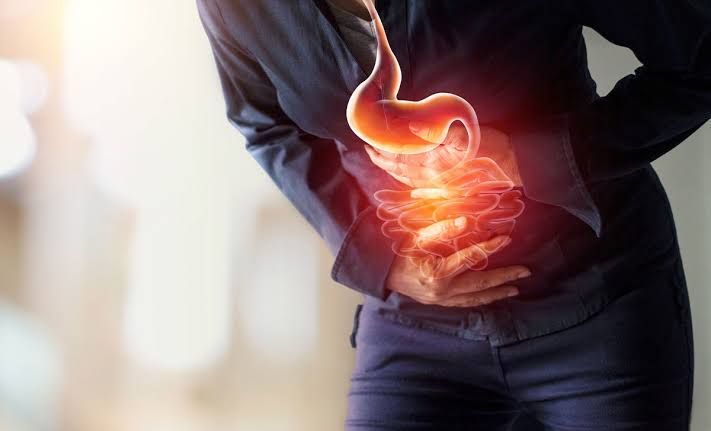
The surgical management of upper gastrointestinal pathology represents a critical field in clinical surgery, encompassing both the acute treatment of complications arising from Acid Peptic Disease (APD) and the complex staging and resection required for carcinoma of the stomach. While pharmacological advancements have substantially reduced the need for elective surgery in APD, operative intervention remains vital for life-threatening complications and is the cornerstone of curative therapy for gastric malignancies.
Surgical Management of Acid Peptic Disease (APD)
Acid Peptic Disease, primarily involving gastric and duodenal ulcers, is overwhelmingly managed through medical therapy (e.g., Proton Pump Inhibitors, H. pylori eradication). Surgical intervention is reserved strictly for acute complications or intractable disease refractory to maximal medical management.
1. Indications for Surgical Intervention in APD
Surgery for APD is typically performed to manage four major complications:
- Perforation: Acute rupture of the ulcer through the stomach or duodenum wall, leading to generalized peritonitis.
- Intractable Bleeding (Hemorrhage): Massive, recurrent, or persistent bleeding unresponsive to endoscopic hemostasis.
- Gastric Outlet Obstruction (GOO): Chronic scarring and swelling near the pylorus or duodenum causing mechanical blockage.
- Intractability: Failure of an ulcer to heal after 12 weeks of optimal medical therapy (rare today).
2. Surgical Procedures for Ulcer Perforation
Perforation is a true surgical emergency demanding rapid intervention.
| Procedure | Description | Indication |
|---|---|---|
| Graham Patch Repair | The standard procedure. The perforated site is closed using a few sutures, and a pedicle of omentum (omentum majus) is laid over the closure and secured. | Acute, uncomplicated perforation (most common scenario). |
| Definitive Procedure | If the perforation is very large, the ulcer is chronic/giant, or the patient is young and healthy (low risk), a definitive procedure (e.g., resection or vagotomy) may be considered, but generally only after sepsis is controlled. | Rare; reserved for exceptional cases where risk is low. |
3. Surgical Procedures for Ulcer Hemorrhage
Bleeding ulcers require immediate control, often via endoscopy. If endoscopic control fails or recurrence is rapid, surgery is indicated.
| Procedure | Description | Indication |
|---|---|---|
| Ligation and Underrunning | A gastrotomy or duodenotomy is performed directly over the bleeding point. The ulcer base is exposed, and the feeding vessel (often the gastroduodenal artery) is surgically ligated both above and below the bleeding point (“underrunning”). | Failure of endoscopic control; massive, life-threatening hemorrhage. |
| Distal Gastrectomy | Resection of the ulcer-bearing area (antrectomy). This is definitive but carries higher morbidity in an unstable patient. Usually reserved for ulcers that cannot be safely underrun or those associated with cancer suspicion. | Suspicion of malignancy or failure of simple ligation. |
4. Definitive and Acid-Reducing Procedures (Historical Context)
Prior to PPIs, definitive elective surgery was common to prevent ulcer recurrence. These procedures remain relevant for cases of severe obstruction or medically intractable ulcers. They function by either reducing acid secretion (vagotomy) or removing the hormone-producing area (antrectomy).
| Procedure | Mechanism | Required Drainage |
|---|---|---|
| Highly Selective Vagotomy (HSV) / Proximal Gastric Vagotomy (PGV) | Division of only the nerve branches supplying the acid-producing parietal cells in the proximal stomach, preserving the nerves supplying the antrum and pylorus. | None. Pyloric function is preserved. |
| Truncal Vagotomy (TV) | Division of the main vagal trunks above the celiac and hepatic branches. This drastically reduces acid output but paralyzes the pylorus. | Mandatory. Requires a drainage procedure (Pyloroplasty or Gastroenterostomy) to prevent GOO. |
| Antrectomy + Vagotomy | Surgical removal of the distal stomach (the G-cell area, source of Gastrin) combined with a vagotomy. Requires reconstruction (Billroth I or II). | Not applicable; the resection requires reconstruction. Highly effective but morbid. |
Surgical Management of Carcinoma of the Stomach (Gastric Cancer)
Surgery is the primary curative modality for gastric cancer (GC). Successful management hinges on meticulous preoperative staging and extensive locoregional lymphadenectomy (D-classification).
1. Preoperative Assessment and Staging
Gastric cancer management is multidisciplinary, involving surgeons, oncologists, and gastroenterologists.
- Endoscopic Ultrasound (EUS): Essential for T (tumor depth) and N (nodal involvement) staging, especially important for distinguishing between early GC and advanced disease.
- CT Imaging: Used to assess distant metastasis (M stage), liver involvement, and local tumor extent.
- Staging Laparoscopy: Often mandatory to detect small peritoneal metastases or ascites not visible on CT. Detection of peritoneal disease typically converts the case from curative to palliative.
2. Principles of Curative Surgery (R0 Resection)
The primary goal of curative surgery is an R0 resection, meaning the complete removal of all gross and microscopic tumor with clear surgical margins.
A. Operative Approach: Gastrectomy
The extent of gastric resection depends on the tumor location and staging.
| Procedure | Indication | Requirement |
|---|---|---|
| Total Gastrectomy | Required for proximal tumors (cardia, fundus), diffuse tumors (e.g., Linitis plastica), or extensive mid-body tumors. | Removal of the entire stomach, connecting the esophagus directly to the jejunum. |
| Distal (Subtotal) Gastrectomy | For distal tumors (antrum, pylorus) with adequate proximal margins. | Removal of 60–80% of the stomach. |
| Proximal Gastrectomy | Rarely performed due to high rates of reflux, but may be considered for small, early-stage tumors localized to the cardia. | Removal of the proximal stomach. |
B. Surgical Margins
To achieve R0 status, the surgeon must excise the tumor with adequate clearance:
- Early Gastric Cancer (EGC): 2 cm macroscopic margin.
- Advanced Gastric Cancer (AGC): A minimum of 5 cm proximal margin is required, often verified intraoperatively by frozen section histology.
3. Lymphadenectomy: The D-Classification
The radicality of lymph node dissection is critical for long-term survival and is standardized using the Japanese Research Society for Gastric Cancer (JRSGC) D-classification.
| Dissection Level | Description and Scope | Standard of Care |
|---|---|---|
| D1 Dissection | Removal of perigastric lymph nodes immediately adjacent to the tumor (stations 1–7). | Considered adequate only for early-stage or very low-risk cancers. |
| D2 Dissection | Removal of the D1 nodes plus nodes along the major abdominal vessels (celiac axis, common hepatic, splenic artery, and left gastric artery stations 8–12). | The current international standard for curative resection of advanced gastric cancer. Requires complex dissection around the pancreas and major vessels. |
A proper D2 lymphadenectomy is standardized to ensure removal of at least 15–16 nodes for accurate staging (pN classification) and maximal clearance of microscopic metastatic disease.
4. Reconstruction Following Gastrectomy
After the gastric remnant is removed, the GI tract must be reconstructed to restore continuity.
- Following Distal Gastrectomy:
- Billroth I: Gastric remnant is anastomosed directly to the duodenum. Physiologically preferred but only possible if the gastric remnant reaches the duodenum without tension.
- Billroth II: Gastric remnant is anastomosed to a loop of jejunum; the duodenal stump is closed.
- Following Total Gastrectomy (Standard Method):
- Roux-en-Y Esophagojejunostomy: The jejunum is divided, brought up to the esophagus (esophagojejunostomy), and the distal jejunal limb is connected side-to-side to the proximal jejunum approximately 40–50 cm downstream (enteroenterostomy). This configuration prevents bile reflux into the esophagus.
5. Palliative Surgical Management
If R0 resection is unattainable (due to widespread metastasis, large tumor burden, or poor patient status), surgical goals shift to improving quality of life, referred to as palliative surgery.
- Palliative Resection (Debulking): Removal of the primary tumor to prevent future complications (bleeding, obstruction) or reduce tumor burden for subsequent chemotherapy. Feasibility is highly debated and reserved for carefully selected cases.
- Bypass Procedures: If the tumor is causing gastric outlet obstruction but resection is impossible, a Gastrojejunostomy (connecting the stomach proximal to the tumor directly to the jejunum) provides symptomatic relief and allows the patient to eat.
- Stent Placement: Endoscopic placement of an expandable metallic stent is often preferred for GOO, as it is less invasive than surgical bypass.
Conclusion
The surgical management of upper GI disease is defined by precision and specialization. While APD surgery is largely confined to emergency intervention for complications—demanding rapid, effective hemorrhage control or perforation closure—gastric cancer surgery requires sophisticated, staged resection techniques, notably the D2 lymphadenectomy, to maximize curative outcomes. Success in both fields relies heavily on accurate preoperative assessment, adherence to oncologic principles (R0 margins and nodal clearance), and comprehensive multidisciplinary care.
References
- Biondi, A., et al. (2020). Surgical management of complicated peptic ulcer disease: an update. World Journal of Gastroenterology, 26(23), 3224–3239.
- Dehne, A. K., et al. (2019). Surgical Management of Gastric Cancer: Current Concepts and Controversies. Annals of Surgery, 270(1), 10–19.
- Graham, R. R. (1937). The treatment of perforated duodenal ulcers. Surgery, Gynecology & Obstetrics, 64(2), 235-238. (Historical reference for Graham Patch).
- Japanese Gastric Cancer Association (JGCA). (2017). Japanese Classification of Gastric Carcinoma: 15th English Edition—A. J. S. O. Monograph. Tokyo: Kanehara Publishing. (Definitive source for D-classification).
- Wang, J., et al. (2021). Highly selective vagotomy (HSV) for the treatment of peptic ulcers: an enduring history and contemporary practice. Current Opinion in Gastroenterology, 37(6), 578–585.