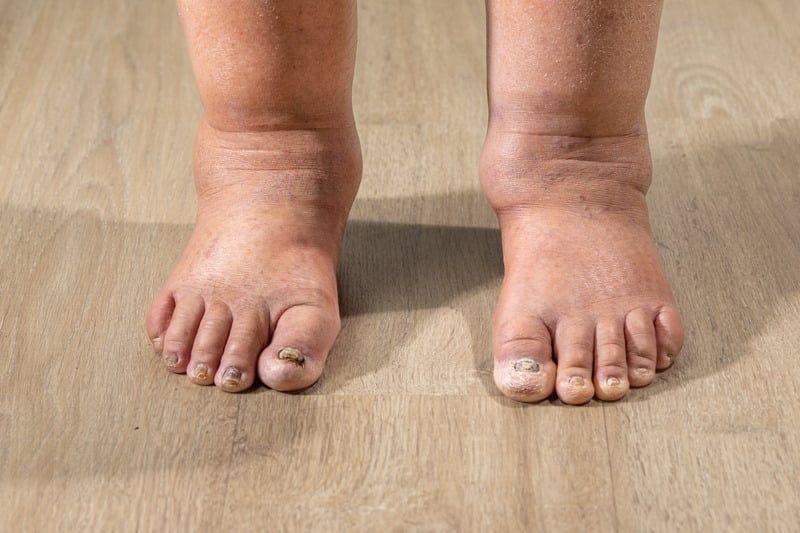
Edema, a ubiquitous clinical manifestation, refers to the abnormal accumulation of fluid within the interstitial spaces, the microscopic compartments that surround cells and tissues. This interstitial fluid, an ultrafiltrate of plasma, is normally present in small quantities, facilitating nutrient and oxygen exchange, waste removal, and lubrication. When the delicate balance governing fluid movement between the vascular compartment and the interstitial space is disrupted, excess fluid leaks from the capillaries into these tissues, leading to swelling. Edema can manifest in various forms, from subtle puffiness in the ankles and feet to more generalized swelling affecting the entire body. Its presence can range from a benign and transient phenomenon, such as that experienced after prolonged standing, to a sign of serious underlying systemic disease. Understanding the mechanisms behind edema is crucial for accurate diagnosis, effective management, and ultimately, for improving patient outcomes.
Pathophysiology of Edema: A Delicate Equilibrium Disrupted
The development of edema is fundamentally rooted in the disruption of Starling’s forces, a set of physiological principles that govern the movement of fluid across capillary membranes. These forces, acting in concert, maintain the equilibrium between the plasma and interstitial fluid volumes. When this equilibrium is perturbed, leading to a net outward movement of fluid from the capillaries into the interstitial space, edema ensues. The key Starling forces involved are:
- Capillary Hydrostatic Pressure (P_c): This is the pressure exerted by the blood within the capillaries, pushing fluid outward into the interstitial space. It is primarily determined by the systemic blood pressure and the resistance to blood flow. Increased capillary hydrostatic pressure, often seen in conditions like heart failure, kidney disease, and venous obstruction, directly contributes to increased filtration of fluid out of the capillaries.
- Interstitial Hydrostatic Pressure (P_i): This is the pressure exerted by the fluid within the interstitial space, pushing fluid inward into the capillaries. In healthy tissues, interstitial hydrostatic pressure is typically low and slightly negative, helping to draw fluid back into the circulation. However, as interstitial fluid accumulates and the interstitial space expands, this pressure can increase, offering some resistance to further fluid accumulation, but it is often insufficient to overcome other derangements.
- Plasma Oncotic Pressure (π_p) or Colloid Osmotic Pressure: This is the osmotic pressure exerted by plasma proteins, primarily albumin, that are retained within the capillaries. These proteins act to draw fluid back into the capillaries from the interstitial space. Reduced plasma oncotic pressure, commonly due to hypoalbuminemia (low albumin levels) resulting from liver disease, malnutrition, or nephrotic syndrome, diminishes the force that pulls fluid back into the capillaries, thus favoring fluid accumulation in the interstitium.
- Interstitial Oncotic Pressure (π_i) or Colloid Osmotic Pressure: This is the osmotic pressure exerted by proteins present in the interstitial fluid. In healthy individuals, interstitial protein concentration is very low, resulting in a minimal interstitial oncotic pressure. However, if capillary permeability increases, allowing larger amounts of plasma proteins to leak into the interstitial space, this pressure can rise, contributing to fluid retention in the interstitium.
The net filtration pressure (NFP) is calculated as follows:
NFP = (P_c – P_i) – (π_p – π_i)
Normally, NFP is slightly negative, indicating a net inward movement of fluid, which is then returned to the circulation by lymphatic vessels. Edema develops when NFP becomes positive, signifying a net outward movement of fluid.
Mechanisms Leading to Edema:
Several underlying pathophysiological mechanisms can disrupt the Starling forces and lead to edema:
- Increased Capillary Hydrostatic Pressure:
- Heart Failure: In conditions of reduced cardiac output, the heart fails to effectively pump blood. This leads to a backlog of blood in the venous system, increasing venous pressure and consequently capillary hydrostatic pressure. The body’s compensatory mechanisms, such as the activation of the renin-angiotensin-aldosterone system (RAAS), lead to sodium and water retention, further exacerbating fluid overload and edema.
- Kidney Disease (e.g., Renal Failure): Impaired kidney function leads to a reduced ability to excrete sodium and water. This results in fluid overload and increased circulating volume, raising systemic blood pressure and capillary hydrostatic pressure.
- Venous Obstruction: Conditions such as deep vein thrombosis (DVT), compression of veins by tumors, or cirrhosis of the liver can impede venous return. This leads to elevated hydrostatic pressure in the capillaries distal to the obstruction, causing fluid to leak into the interstitial space.
- Pregnancy: Uterine compression of pelvic veins and hormonal changes can increase venous pressure in the lower extremities, leading to dependent edema.
- Decreased Plasma Oncotic Pressure (Hypoalbuminemia):
- Liver Disease (e.g., Cirrhosis): The liver is responsible for synthesizing albumin. In severe liver disease, albumin production is significantly reduced, leading to hypoalbuminemia and a decrease in plasma oncotic pressure. This impairs the reabsorption of fluid from the interstitial space.
- Malnutrition and Protein-Losing Enteropathy: Inadequate dietary intake of protein or impaired protein absorption in the gastrointestinal tract can lead to hypoalbuminemia.
- Nephrotic Syndrome: This kidney disorder is characterized by massive proteinuria, where large amounts of albumin are lost in the urine. This results in severe hypoalbuminemia and generalized edema.
- Increased Capillary Permeability:
- Inflammation and Allergic Reactions: Inflammatory mediators, such as histamine and cytokines released during inflammation or allergic responses, increase the permeability of capillary walls. This allows plasma proteins and fluid to leak more readily into the interstitial space. Examples include localized edema associated with insect bites, infections, or allergic reactions (e.g., angioedema).
- Burns: Thermal injury damages capillary endothelium, increasing permeability and leading to significant fluid and protein leakage into the interstitial space.
- Sepsis: In severe systemic infections, inflammatory mediators can cause widespread capillary leak, leading to generalized edema.
- Impaired Lymphatic Drainage (Lymphedema):
- Primary Lymphedema: This is a congenital condition where there is a developmental abnormality in the lymphatic system.
- Secondary Lymphedema: This can result from damage or obstruction of the lymphatic vessels due to surgery (e.g., lymph node dissection in cancer treatment), radiation therapy, infection (e.g., filariasis), or malignancy that compresses lymphatic channels. When lymphatic drainage is compromised, interstitial fluid and proteins accumulate, leading to chronic edema. The accumulation of proteins in the interstitial space further increases interstitial oncotic pressure, contributing to persistent edema.
The Role of the Kidneys and Hormonal Regulation:
The kidneys play a pivotal role in regulating fluid balance. When edema develops, the body often attempts to compensate through hormonal mechanisms:
- Renin-Angiotensin-Aldosterone System (RAAS): Reduced effective circulating volume, often associated with edema-forming conditions like heart failure or cirrhosis, can activate the RAAS. Aldosterone, a key hormone in this system, promotes sodium and water reabsorption by the kidneys, aiming to increase blood volume. However, in the context of existing fluid overload, this further exacerbates edema.
- Antidiuretic Hormone (ADH): ADH promotes water reabsorption by the kidneys. Conditions that reduce effective circulating volume can also stimulate ADH release, leading to further water retention.
Types and Clinical Presentation of Edema:
Edema can be classified based on its location, distribution, and underlying cause:
- Dependent Edema: This is the most common type and occurs in the lowest parts of the body, such as the ankles and feet, due to the effect of gravity. It is frequently seen in heart failure, venous insufficiency, and prolonged standing.
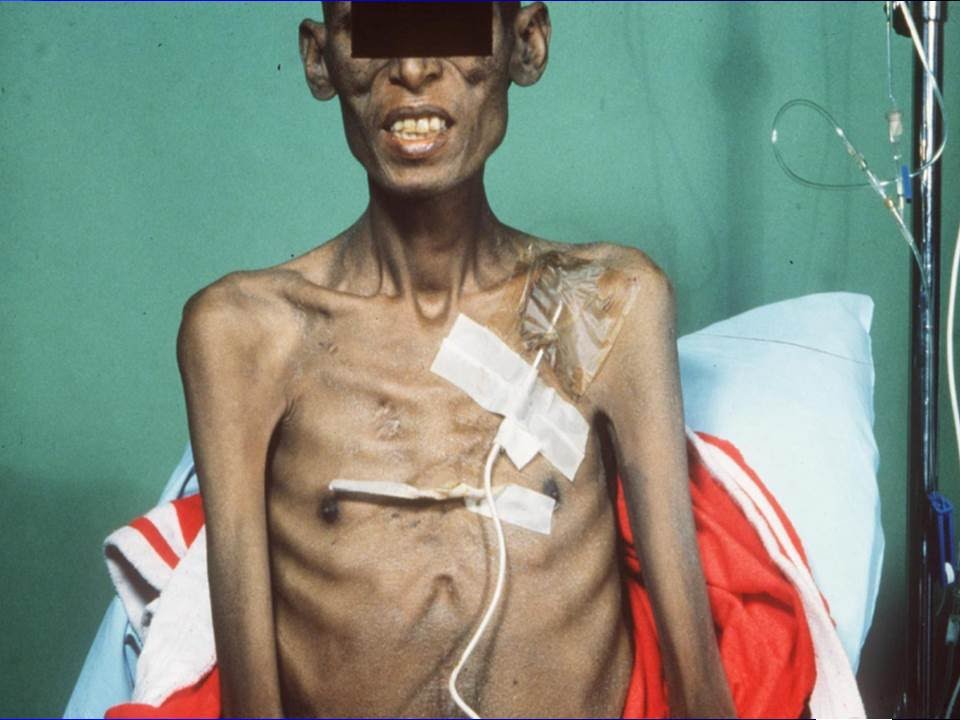
- Generalized Edema (Anasarca): This involves widespread accumulation of fluid throughout the body and is often associated with severe systemic conditions like severe renal failure, advanced heart failure, or protein-calorie malnutrition.
- Localized Edema: This is confined to a specific area and is typically caused by inflammation, infection, trauma, or venous/lymphatic obstruction in that region.
- Pulmonary Edema: Fluid accumulation in the alveoli of the lungs, which can cause shortness of breath and respiratory distress. It is commonly seen in left-sided heart failure, acute respiratory distress syndrome (ARDS), and kidney failure.
- Cerebral Edema: Swelling of the brain, which can lead to increased intracranial pressure and neurological deficits. It can be caused by trauma, stroke, tumors, or infections.
The clinical presentation of edema can vary widely. Patients may report a feeling of fullness, tightness, or heaviness in the affected area. Visible swelling, pitting (an indentation that remains after pressure is applied), and an increase in limb circumference are common signs. The skin overlying the swollen area may appear stretched, shiny, and sometimes discolored. In chronic edema, skin changes such as thickening, hyperpigmentation, and ulceration can occur.
Diagnostic Approach:
The diagnosis of edema involves a thorough history, physical examination, and often, further investigations. The history should focus on the onset, duration, location, and associated symptoms of the swelling, as well as any relevant medical conditions, medications, and social history. The physical examination includes assessing the extent and distribution of the edema, checking for pitting, and evaluating for signs of underlying causes such as cardiac murmurs, lung crackles, abdominal ascites, or signs of venous insufficiency.
Investigations may include:
- Blood Tests: Complete blood count, renal function tests (creatinine, BUN), liver function tests (albumin, bilirubin), electrolytes, and urinalysis to assess for kidney and liver disease, and protein levels.
- Imaging Studies: Chest X-ray to assess for pulmonary edema or cardiomegaly; echocardiogram to evaluate cardiac function; Doppler ultrasound of the legs to rule out deep vein thrombosis; CT scan or MRI to investigate for masses or venous/lymphatic obstruction.
- Biopsy: In cases of suspected lymphatic obstruction or inflammatory causes, a tissue biopsy may be considered.
Conclusion:
Edema is a complex physiological phenomenon resulting from a delicate imbalance in fluid exchange across capillary membranes. The disruption of Starling’s forces, driven by increased capillary hydrostatic pressure, decreased plasma oncotic pressure, increased capillary permeability, or impaired lymphatic drainage, leads to the accumulation of excess fluid in the interstitial spaces. A comprehensive understanding of these pathophysiological mechanisms is paramount for clinicians to accurately diagnose the underlying cause of edema, implement appropriate therapeutic strategies aimed at restoring fluid balance, and ultimately, mitigate the morbidity and mortality associated with this common clinical sign.
References:
- Bates, B., & Bickley, L. (2020). Bates’ Guide to Physical Examination and History Taking (13th ed.). Wolters Kluwer.
- Guyton, A. C., & Hall, J. E. (2020). Textbook of Medical Physiology (14th ed.). Elsevier.
- Kumar, V., Abbas, A. K., & Aster, J. C. (2020). Robbins & Cotran Pathologic Basis of Disease (10th ed.). Elsevier.
- Maron, B. J., & Braunwald, E. (2020). Braunwald’s Heart Disease: A Textbook of Cardiovascular Medicine (11th ed.). Elsevier.
- Seldin, D. W., & Giebisch, G. (2013). The Kidney: Physiology and Pathophysiology (5th ed.). Lippincott Williams & Wilkins.