Obesity, a complex and multifactorial chronic disease, represents one of the most significant global public health challenges of the 21st century. Characterized by an excessive accumulation of body fat that can impair health, it is far more than a cosmetic concern. Understanding its definition, classification, underlying causes, measurement, prevalence, and control strategies is paramount for effective prevention and management.
Defining and Classifying Obesity
Definition: Obesity is medically defined as a chronic, relapsing, multifactorial neurobehavioral disease, wherein an increase in body fat promotes adipose tissue dysfunction and abnormal fat mass physical forces, resulting in adverse metabolic, biomechanical, and psychosocial health consequences (Rubino et al., 2020). It is not merely a state of being overweight but a disease process involving complex interactions between genetic predisposition, environmental factors, and individual behaviors, leading to detrimental effects on various physiological systems.
Classification: While the most widely accepted classification relies on the Body Mass Index (BMI), a crude but useful screening tool, a more nuanced understanding incorporates other measures and considerations:
- Based on Body Mass Index (BMI): The World Health Organization (WHO) provides the most common classification for adults:
- Underweight: BMI < 18.5 kg/m²
- Normal weight: BMI 18.5 – 24.9 kg/m²
- Overweight: BMI 25.0 – 29.9 kg/m²
- Obesity Class I: BMI 30.0 – 34.9 kg/m²
- Obesity Class II: BMI 35.0 – 39.9 kg/m²
- Obesity Class III (Severe/Morbid Obesity): BMI ≥ 40.0 kg/m²
- Beyond BMI: Recognizing BMI’s limitations, other measures offer additional insights:
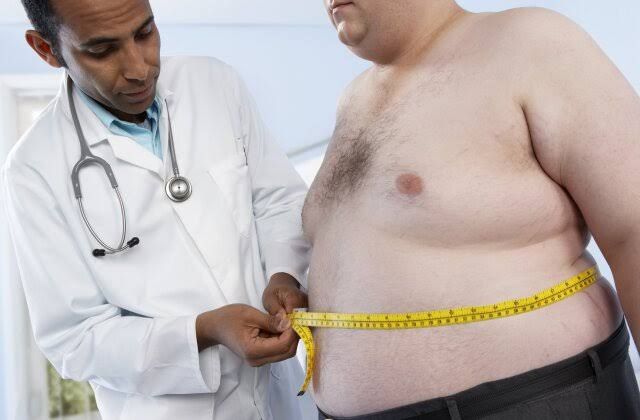
- Waist Circumference (WC): A measure of abdominal fat, which is strongly linked to metabolic syndrome and cardiovascular risk. For adults, generally, a WC ≥ 102 cm (40 inches) for men and ≥ 88 cm (35 inches) for women indicates central obesity and increased health risk (NHLBI, 1998).
- Waist-to-Hip Ratio (WHR): Another indicator of central obesity, calculated by dividing waist circumference by hip circumference.
- Body Fat Percentage: More accurately reflects body composition than BMI, distinguishing between fat mass and lean mass. Techniques like Dual-energy X-ray Absorptiometry (DXA) or bioelectrical impedance analysis (BIA) can measure this.
- Fat Distribution (Android vs. Gynoid): Android (apple-shaped) obesity, characterized by fat accumulation around the abdomen, is associated with higher metabolic risk than gynoid (pear-shaped) obesity, where fat is distributed around the hips and thighs.
- Metabolically Healthy Obesity (MHO): A subset of individuals with obesity who do not exhibit metabolic complications typically associated with it (e.g., insulin resistance, dyslipidemia, hypertension). However, MHO may still carry an increased risk of cardiovascular disease over time (Stefan et al., 2013).
The Causes of Obesity
Obesity development is a complex interplay of multiple factors, making it challenging to isolate a single cause. It is best understood as a result of chronic energy imbalance, where energy intake consistently exceeds energy expenditure, exacerbated by a multitude of predisposing factors:
- Genetic Predisposition: Genetics plays a significant role, accounting for 40-70% of the variation in BMI (Chami & Karra, 2021). Over 200 genes are associated with obesity, with the FTO (Fat Mass and Obesity-associated) gene being one of the most studied. Genetic factors influence appetite regulation, satiety, metabolism, fat storage, and energy expenditure.
- Environmental Factors (Obesogenic Environment): The modern environment is highly conducive to weight gain.
- Dietary Habits: Increased availability and consumption of energy-dense, ultra-processed foods, sugary drinks, and larger portion sizes contribute to excessive caloric intake. The globalization of Western diets, often high in saturated fats and refined carbohydrates, is a key driver.
- Physical Inactivity: Sedentary lifestyles, driven by technological advancements (screen time, automated transport), less active occupations, and lack of safe spaces for physical activity, lead to reduced energy expenditure.
- Socioeconomic Factors: Lower socioeconomic status is often associated with higher obesity rates due to factors like limited access to affordable healthy foods (“food deserts”), reliance on cheaper, less nutritious options, and less access to safe recreational facilities. Education levels also play a role.
- Psychological Factors: Stress, anxiety, depression, and other mental health conditions can lead to emotional eating or changes in dietary patterns. Poor coping mechanisms and lack of self-regulation can also contribute.
- Physiological and Biological Factors:
- Hormonal Imbalances: Conditions like hypothyroidism, Cushing’s syndrome, and polycystic ovary syndrome (PCOS) can contribute to weight gain. Hormones such as leptin (satiety hormone), ghrelin (hunger hormone), insulin, and cortisol play crucial roles in appetite and metabolism, and their dysregulation can lead to obesity.
- Gut Microbiota: Emerging research suggests that the composition of gut bacteria can influence energy extraction from food, metabolism, and inflammation, potentially contributing to obesity (Turnbaugh et al., 2006).
- Sleep Deprivation: Insufficient sleep disrupts hormones regulating appetite (leptin and ghrelin), leading to increased hunger and cravings for high-calorie foods.
- Medications: Certain medications, including some antidepressants, antipsychotics, corticosteroids, and antidiabetic drugs (e.g., sulfonylureas), can cause weight gain as a side effect.
- Early Life Factors: Maternal nutrition, weight gain during pregnancy, and early childhood feeding practices can program an individual’s metabolism and increase the risk of obesity later in life (Barker, 1990).
- Endocrine Disrupting Chemicals (Obesogens): Exposure to certain chemicals in plastics, pesticides, and other industrial products may interfere with hormonal systems and promote fat accumulation.
Concept of BMI and its Calculation
The Body Mass Index (BMI) is a simple numerical assessment of a person’s weight in relation to their height. It is a widely used screening tool for categorizing individuals into weight categories that may be associated with increased health risk.
Purpose: BMI is primarily used by health professionals and researchers to:
- Screen for weight categories that may lead to health problems.
- Track population-level trends in overweight and obesity.
- Provide a baseline for discussing weight with patients.
It’s crucial to understand that BMI is a screening tool, not a diagnostic tool. A high BMI indicates potential health risks but requires further assessment (e.g., body composition analysis, waist circumference, clinical evaluation of health conditions) by a healthcare provider to determine if excess fat is a health problem.
Formula for BMI Calculation: BMI is calculated using a person’s weight and height:
BMI = weight (kg) / [height (m)]²
Where:
- weight (kg) is the person’s weight in kilograms.
- height (m) is the person’s height in meters.
Example Calculation: Let’s consider an adult who weighs 70 kilograms and is 1.75 meters tall.
- Square the height: (1.75 m)² = 3.0625 m²
- Divide the weight by the squared height: 70 kg / 3.0625 m² = 22.86 kg/m²
So, the BMI for this individual is approximately 22.9 kg/m². According to the WHO classification, this falls within the “Normal weight” category (18.5 – 24.9 kg/m²).
Limitations of BMI: While useful, BMI has several limitations:
- Does not differentiate between fat and muscle mass: Athletes or very muscular individuals may have a high BMI due to increased muscle mass, not excess body fat, leading to incorrect classification as overweight or obese.
- Varies by age, sex, and ethnicity: BMI classifications may not be universally appropriate across all populations. For instance, Asian populations may experience health risks at lower BMI values compared to Caucasians (WHO, 2004).
- Does not account for fat distribution: As mentioned, abdominal fat (visceral fat) carries greater health risks than fat distributed elsewhere, but BMI provides no information on this.
- Less accurate in elderly individuals: Age-related changes in body composition (e.g., loss of muscle mass) can affect BMI interpretation.
Despite these limitations, BMI remains a widely accepted and practical initial screening tool due to its simplicity and cost-effectiveness.
Epidemiology and Control Measures of Obesity
Epidemiology: The global prevalence of obesity has reached epidemic proportions. According to the WHO (2022), worldwide obesity has nearly tripled since 1975.
- Prevalence: In 2016, over 1.9 billion adults (18 years and older) were overweight, and of these, over 650 million were obese. This means 39% of adults were overweight, and 13% were obese. Alarmingly, 39 million children under the age of 5 were overweight or obese in 2020.
- Rising Trends: The increase is particularly rapid in low- and middle-income countries, which are now facing a “double burden” of malnutrition, grappling with both undernutrition and rapid increases in overweight and obesity.
- Health Consequences: The epidemiological impact is profound. Obesity significantly increases the risk of developing numerous non-communicable diseases (NCDs), including:
- Type 2 Diabetes Mellitus
- Cardiovascular diseases (heart attack, stroke, hypertension)
- Certain cancers (e.g., breast, colon, prostate, liver, kidney)
- Musculoskeletal disorders (especially osteoarthritis)
- Sleep apnea
- Non-alcoholic fatty liver disease (NAFLD)
- Mental health issues (depression, low self-esteem)
- Reduced quality of life and life expectancy.
- Economic Burden: The economic costs are staggering, encompassing direct healthcare costs (treatment of obesity-related diseases) and indirect costs (lost productivity, absenteeism, premature mortality).
Control Measures: Addressing the obesity epidemic requires a comprehensive, multi-sectoral approach involving individuals, communities, healthcare systems, governments, and industries. Control measures can be broadly categorized into prevention and management strategies.
A. Prevention (Primary Prevention): Primarily aimed at preventing weight gain and promoting healthy behaviors across the population.
- Public Health Policies and Programs:
- Nutrition Policies: Implementing taxes on sugary drinks, regulating marketing of unhealthy foods (especially to children), improving food labeling, subsidizing healthy food options, and promoting healthy school meal programs.
- Physical Activity Promotion: Creating safe, accessible, and attractive environments for physical activity (e.g., parks, bike lanes, walkable cities), integrating physical education into school curricula, and promoting active transport.
- Awareness Campaigns: Educating the public about healthy eating, the importance of physical activity, and the risks of obesity.
- Early Life Interventions: Promoting breastfeeding, supporting healthy nutrition and physical activity habits in early childhood and adolescence.
- Workplace Wellness Programs: Encouraging healthy eating and physical activity among employees.
B. Management (Secondary and Tertiary Prevention): Focused on individuals who are overweight or obese to prevent further weight gain, promote weight loss, and manage associated comorbidities.
- Lifestyle Modifications (Cornerstone of Treatment):
- Dietary Interventions: Promoting balanced, calorie-controlled diets rich in fruits, vegetables, whole grains, and lean proteins, while limiting processed foods, unhealthy fats, and added sugars. Emphasis on portion control and mindful eating.
- Increased Physical Activity: Regular moderate-intensity aerobic exercise (e.g., brisk walking) for at least 150 minutes per week, combined with strength training, to increase calorie expenditure and improve metabolic health.
- Behavioral Therapy: Cognitive Behavioral Therapy (CBT) and other behavioral interventions can help individuals identify triggers for unhealthy eating, develop coping strategies, set realistic goals, and build sustainable habits.
- Pharmacotherapy: For individuals with a BMI ≥ 30 kg/m² or BMI ≥ 27 kg/m² with comorbidities, anti-obesity medications can be considered as an adjunct to lifestyle changes. These drugs work through various mechanisms, such as appetite suppression (e.g., GLP-1 receptor agonists like semaglutide, liraglutide) or reducing fat absorption (e.g., orlistat).
- Bariatric Surgery (Metabolic and Bariatric Surgery): For individuals with severe obesity (BMI ≥ 40 kg/m² or BMI ≥ 35 kg/m² with significant comorbidities) who have not achieved sustainable weight loss with other methods. Procedures like gastric bypass, sleeve gastrectomy, and adjustable gastric banding can lead to substantial and sustained weight loss and remission of comorbidities.
- Multidisciplinary Care: Effective management often requires a team approach involving physicians, registered dietitians, exercise physiologists, psychologists, and bariatric surgeons.
- Addressing Socioeconomic Determinants: Recognizing that individual behaviors are often shaped by broader societal factors, interventions must also address root causes like poverty, food insecurity, and lack of access to healthcare.
In conclusion, obesity is a chronic, multifaceted disease with profound health and economic implications globally. A clear understanding of its definition, classification, complex etiology, and methods of measurement, particularly the utility and limitations of BMI, is fundamental. Effective control hinges upon a robust and integrated strategy that encompasses broad public health prevention policies and tailored, multidisciplinary management approaches, ensuring a healthier future for populations worldwide.
References:
- Barker, D. J. P. (1990). The fetal and infant origins of adult disease. BMJ, 301(6761), 1111.
- Chami, N., & Karra, E. (2021). The genetics of obesity. Nutrients, 13(12), 4386.
- National Heart, Lung, and Blood Institute (NHLBI). (1998). Clinical Guidelines on the Identification, Evaluation, and Treatment of Overweight and Obesity in Adults: The Evidence Report. NIH Publication No. 98-4083.
- Rubino, F., Puhl, R. M., Cummings, D. E., Eckel, R. H., Ryan, D. H., et al. (2020). Joint international consensus statement for ending stigma of obesity. Nature Medicine, 26(4), 485–490.
- Stefan, N., Häring, H. U., & Hu, F. B. (2013). Metabolically healthy obesity: facts and numbers. Obesity Reviews, 14(10), 815–822.
- Turnbaugh, P. J., Ley, R. E., Mahowald, M. A., Magrini, V., Mardis, E. R., & Gordon, J. I. (2006). An obesity-associated gut microbiome with increased capacity for energy harvest. Nature, 444(7122), 1027–1031.
- World Health Organization. (2004). Appropriate body-mass index for Asian populations and its implications for policy and intervention strategies. WHO Technical Report Series 916.
- World Health Organization. (2022). Obesity and overweight. Retrieved from https://www.who.int/news-room/fact-sheets/detail/obesity-and-overweight