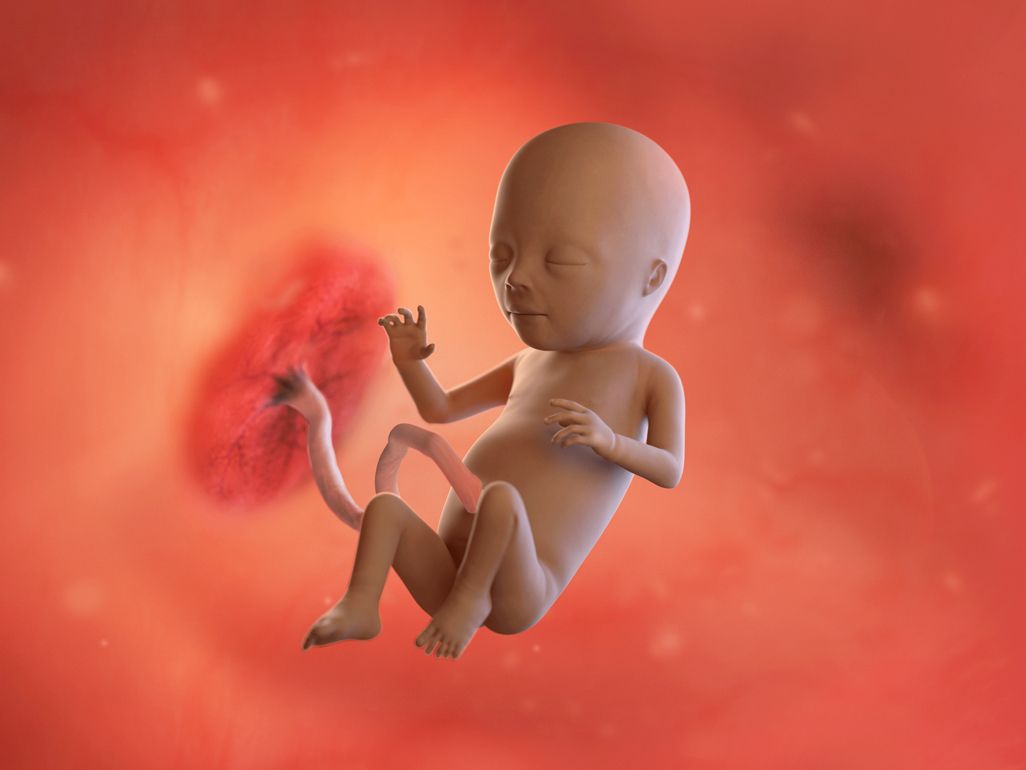
The journey from conception to independent life is a marvel of biological engineering, involving intricate processes of growth, functional maturation, and rapid adaptation.
Growth and Functional Development of the Fetus
Fetal development is a highly orchestrated process, transforming a single-celled zygote into a complex organism capable of independent existence. This period is characterized by rapid cellular proliferation, differentiation, and the formation and maturation of all major organ systems.
- First Trimester (Weeks 1-12): Organogenesis and Initial Growth
- Week 1-2 (Germinal Stage): Fertilization occurs, followed by rapid cell division (cleavage) as the zygote travels down the fallopian tube to the uterus. Implantation into the uterine wall marks the beginning of the embryonic stage.
- Week 3 (Embryonic Stage Begins): Gastrulation occurs, forming the three primary germ layers (ectoderm, mesoderm, endoderm), which will give rise to all tissues and organs. The neural tube (precursor to the brain and spinal cord) begins to form.
- Week 4: The primitive heart begins to beat, establishing rudimentary circulation. Limb buds appear. The foundation for facial features and major organ systems (digestive, respiratory) is laid.
- Week 5-8: Rapid differentiation and growth. The brain develops distinct regions. Eyes and ears form. Fingers and toes become distinct. Basic facial features emerge. External genitalia begin to form but are not yet distinguishable by sex. The embryo starts taking on a more human-like appearance. By week 8, the embryo is officially called a fetus.
- Functional Milestones: Earliest reflex movements, although not perceptible to the mother. The heart is fully formed and circulating blood. Basic neural pathways are established.
- Second Trimester (Weeks 13-28): Rapid Growth and System Maturation
- Week 13-16: Significant linear growth and weight gain. Sex becomes distinguishable via ultrasound. Hair (lanugo) begins to cover the body. The skeleton calcifies.
- Week 17-20: Muscle development and coordinated movements become more pronounced, leading to “quickening” (first fetal movements felt by the mother). Skin thickens; sebaceous glands produce vernix caseosa (a protective waxy substance).
- Week 21-24: Eyelids separate. Retina becomes sensitive to light. Taste buds develop. Lungs begin to produce surfactant, a crucial substance for preventing alveolar collapse, though they are not yet mature enough for sustained independent breathing. Hearing development progresses.
- Week 25-28: Significant brain development, including gyri and sulci formation. Lungs continue to mature. The fetus has a regular sleep-wake cycle. Chances of survival increase dramatically if born prematurely, especially after week 24, due to lung maturity and brain development, though intensive medical support is still required.
- Functional Milestones: Coordinated movements, sucking and swallowing reflexes develop. Hearing is well-developed, and the fetus responds to sounds. Primitive breathing movements begin.
- Third Trimester (Weeks 29-40): Maturation, Fat Accumulation, and Preparation for Birth
- Week 29-32: Rapid accumulation of subcutaneous fat, smoothing out the skin and aiding in thermoregulation post-birth. Bones continue to harden. Lungs are nearly fully mature. The central nervous system undergoes significant maturation, leading to more controlled and purposeful movements.
- Week 33-36: Continued weight gain and fat deposition. The digestive system is fully developed. Kidneys are mature. The immune system receives antibodies from the mother, providing passive immunity.
- Week 37-40 (Full Term): The fetus continues to gain weight and mature. Head-down position for birth is common. Brain development continues post-birth, but the major structures and most functions are ready. The fetus is physiologically prepared for extrauterine life.
- Functional Milestones: Mature suck and swallow reflexes. Coordinated respiratory efforts observed. Sensory systems are fully developed, allowing the fetus to respond to touch, light, sound, and taste.
Throughout gestation, the placenta serves as the interface for nutrient and waste exchange, maintaining the fetal environment and supporting its growth. The fetal systems mature in a coordinated manner, preparing for the dramatic transition at birth.
Adjustments of the Infant to Extrauterine Life
Birth represents an abrupt and profound shift from a completely dependent aquatic environment to an independent, air-breathing terrestrial existence. The infant must rapidly adapt its physiological systems to survive outside the maternal womb.
- 1. Respiratory Adjustments:
- First Breath: The most critical and immediate adjustment. Changes in environmental stimuli (temperature drop, tactile stimulation, light, noise), combined with chemoreceptor and baroreceptor responses to transient hypoxia and hypercapnia during the birth process, stimulate the respiratory center in the brain.
- Lung Expansion: The fluid-filled fetal lungs must swiftly clear of amniotic fluid and inflate with air. This involves a massive negative inspiratory pressure (up to 80 cm H2O) with the first breath. Much of the fluid is squeezed out during vaginal birth, absorbed by lung lymphatics and capillaries, or expelled with the first cries.
- Surfactant: Adequate surfactant production is essential. This lipoprotein reduces alveolar surface tension, preventing lung collapse on expiration and ensuring stable lung volumes.
- Establishment of Rhythmic Breathing: Once established, breathing becomes regular, driven by the infant’s respiratory control centers.
- 2. Thermoregulatory Adjustments:
- Transition from Warm Uterus: The intrauterine temperature is consistently around 37°C. Upon birth, the infant is exposed to a cooler environment (typically 20-25°C), leading to a rapid drop in body temperature.
- Non-shivering Thermogenesis: Newborns have limited ability to shiver. Their primary mechanism for heat production is non-shivering thermogenesis, primarily through the metabolism of brown adipose tissue (BAT). Brown fat is richly vascularized and contains numerous mitochondria, enabling rapid heat generation.
- High Surface Area to Volume Ratio: Infants have a large surface area relative to their body mass, leading to significant heat loss through conduction, convection, radiation, and evaporation.
- Protection: Measures like drying the infant, skin-to-skin contact, and wrapping are crucial to minimize heat loss.
- 3. Metabolic Adjustments:
- Glucose Homeostasis: The continuous supply of glucose from the mother ceases at birth. The neonate must immediately activate its own glucose regulation mechanisms, including glycogenolysis (breakdown of stored glycogen, primarily in the liver and muscles) and gluconeogenesis (synthesis of glucose from non-carbohydrate sources). Blood glucose levels typically drop within the first hour but stabilize with feeding.
- Liver Function: The immature liver begins to take over functions previously handled by the placenta, including conjugation of bilirubin, synthesis of clotting factors, and metabolism of drugs.
- 4. Gastrointestinal Adjustments:
- Initiation of Feeding: The infant must adapt to oral feeding. Sucking and swallowing reflexes, developed in utero, become vital for nutrient intake.
- Passage of Meconium: The first stool, meconium, consists of amniotic fluid, bile, intestinal secretions, and cellular debris accumulated during fetal life. Its passage indicates a patent gastrointestinal tract.
- 5. Renal Adjustments:
- Fluid and Electrolyte Balance: The kidneys, though mature enough in utero to produce urine, must now take on the full responsibility for maintaining fluid and electrolyte balance, eliminating waste products, and regulating blood pressure independently.
- 6. Immune System Adjustments:
- Passive Immunity: Newborns receive passive immunity from the mother via transplacental transfer of IgG antibodies, providing protection against pathogens the mother has encountered.
- Developing Active Immunity: The infant’s own immune system begins to mature, gradually developing active immunity through exposure to environmental antigens and vaccinations.
Circulatory Readjustments at Birth
The fetal circulatory system is uniquely adapted to a low-oxygen, high-resistance pulmonary environment, with the placenta serving as the primary organ for gas exchange. At birth, a dramatic and rapid transition occurs, converting the fetal circulation to the adult pattern. This involves the closure of specific fetal shunts and vessels.
- 1. Fetal vs. Adult Circulation: Key Differences
- Fetal Circulation: High pulmonary vascular resistance (PVR), low systemic vascular resistance (SVR). Blood bypasses the non-functional lungs via shunts.
- Foramen Ovale: An opening between the right and left atria.
- Ductus Arteriosus: A shunt connecting the pulmonary artery to the aorta.
- Ductus Venosus: A shunt bypassing the liver, connecting the umbilical vein to the inferior vena cava.
- Umbilical Vein/Arteries: Connect the fetus to the placenta.
- Adult Circulation: Low PVR, high SVR. All blood flows through the lungs for oxygenation.
- Fetal Circulation: High pulmonary vascular resistance (PVR), low systemic vascular resistance (SVR). Blood bypasses the non-functional lungs via shunts.
- 2. Triggers for Circulatory Readjustments:
- First Breath and Lung Expansion: The most critical trigger. As the lungs inflate with air, pulmonary vascular resistance (PVR) dramatically decreases.
- Increased Oxygen Tension: The rise in systemic oxygen levels (from ~25-30 mmHg in utero to ~90-100 mmHg post-birth) is a powerful vasoconstrictor for the ductus arteriosus and a vasodilator for the pulmonary arterioles.
- Clamping of the Umbilical Cord: This eliminates the low-resistance placental circulation, leading to an immediate increase in systemic vascular resistance (SVR) and left atrial pressure.
- Changes in Prostaglandin Levels: High levels of prostaglandins (PGE2) from the placenta keep the ductus arteriosus open in utero. After birth, with the removal of the placenta and increased oxygen, PGE2 levels drop, promoting ductal constriction.
- 3. Closure of Fetal Shunts and Vessels:
- a. Closure of the Foramen Ovale:
- Mechanism: With the first breath, pulmonary vascular resistance decreases significantly, leading to increased blood flow to the lungs and subsequently increased venous return to the left atrium. Simultaneously, clamping of the umbilical cord increases systemic vascular resistance, causing a rise in left ventricular output and left atrial pressure.
- Result: The increased pressure in the left atrium now exceeds that in the right atrium. This pressure differential functionally closes the foramen ovale by pressing the septum primum against the septum secundum.
- Timeline: Functional closure typically occurs within minutes to hours after birth. Anatomical closure (fusion of the septa) may take several weeks to months, converting it to the fossa ovalis.
- b. Closure of the Ductus Arteriosus:
- Mechanism: The primary trigger for ductal closure is the increased partial pressure of oxygen (PaO2) in the arterial blood after lung ventilation. Oxygen acts as a potent vasoconstrictor on the smooth muscle cells of the ductus arteriosus. The reduction in circulating prostaglandins (PGE2) after placental removal also contributes significantly.
- Result: The constricted ductus arteriosus dramatically reduces blood flow between the pulmonary artery and the aorta, redirecting all blood through the lungs.
- Timeline: Functional closure typically occurs within 10-15 hours after birth. Anatomical closure (fibrosis) takes several weeks to months, forming the ligamentum arteriosum.
- c. Closure of the Ductus Venosus:
- Mechanism: Clamping of the umbilical cord stops blood flow from the placenta, eliminating the need for the ductus venosus to bypass the liver. The reduced umbilical venous flow and subsequent changes in pressure gradients lead to its constriction.
- Result: All portal blood now flows through the hepatic sinusoids, ensuring the liver receives full perfusion.
- Timeline: Functional closure usually occurs within minutes to hours after cord clamping. Anatomical closure takes days to weeks, becoming the ligamentum venosum.
- d. Closure of the Umbilical Arteries and Vein:
- Mechanism: Clamping of the umbilical cord leads to spasm and eventual obliteration of these vessels due to a combination of muscular contraction, a decrease in blood flow, and the rise in oxygen tension (for the umbilical vein).
- Result: The umbilical arteries become the medial umbilical ligaments, and the umbilical vein becomes the ligamentum teres hepatis.
- Timeline: Functional closure occurs within minutes of cord clamping. Anatomical obliteration takes several days.
- a. Closure of the Foramen Ovale:
These simultaneous and interdependent circulatory adjustments ensure that the infant’s cardiovascular system rapidly transitions from a fetal bypass system to an efficient, serially connected adult circuit, optimized for independent respiratory and systemic needs.
In conclusion, the journey of human development from conception to birth is a testament to nature’s complex design. The meticulous progression of fetal growth and functional development within the protective maternal environment culminates in a series of critical, immediate adjustments at birth. The most profound of these is the remarkable transformation of the cardiovascular system, which, alongside the initiation of respiration and thermoregulation, enables the newborn to thrive in its new extrauterine world. Understanding these intricate processes is fundamental to appreciating the resilience and adaptability inherent in human life.