
Definition of Paresis
Paresis is a medical condition characterized by muscle weakness or impaired movement. Unlike paralysis, where there is a complete loss of muscle function, individuals with paresis still retain some degree of control over the affected muscles. Paresis typically results from nerve damage, which can be caused by various factors such as injuries, infections, or neurological disorders.
Classification of Paresis
Paresis can be classified based on the area of the body that is affected. Here are the different types:
- Monoparesis
- Definition: Muscle weakness affecting one limb (either an arm or a leg).
- Example: A person with monoparesis may have difficulty moving their right arm but can move other parts of their body normally.
- Diparesis
- Definition: Weakness in a body region on both sides of the body, such as both legs or both sides of the face.
- Example: Both legs may exhibit reduced strength and mobility.
- Paraparesis
- Definition: Muscle weakness affecting both legs.
- Example: Individuals may find it difficult to walk or stand due to weakened leg muscles.
- Hemiparesis
- Definition: Weakness affecting one side of the body (both the arm and leg on that side).
- Example: A stroke patient may experience hemiparesis on their left side, making it hard to move their left arm and leg.
- Double Hemiparesis
- Definition: Weakness in both arms and legs, with one side being more affected than the other.
- Example: Both sides show signs of weakness, but one side is notably weaker.
- Triparesis
- Definition: Weakness impacting three out of four extremities (e.g., both legs and one arm).
- Example: An individual might have strong use of one arm but weakened function in both legs and the other arm.
- Quadriparesis (Tetraparesis)
- Definition: Muscle weakness affecting all four limbs.
- Example: This type often results from severe spinal cord injuries or advanced neurological diseases like ALS.
- Pentaparesis
- Definition: Weakness affecting all four limbs and either the head or neck.
- Example: This rare form could result from extensive neurological damage impacting multiple areas including limb control and neck movement.
Each type of paresis has distinct characteristics based on which part(s) of the body are impacted by muscle weakness. The underlying causes can vary widely, ranging from traumatic injuries to chronic conditions like multiple sclerosis or diabetes.
Pathophysiology of Paraparesis
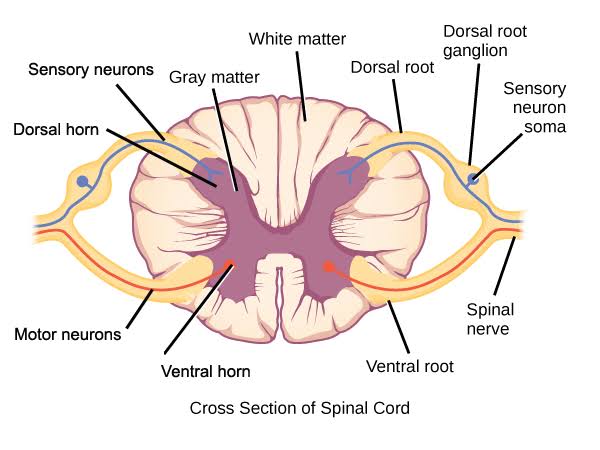
Paraparesis, characterized by partial paralysis of both legs, results from the degeneration or damage to nerve pathways that control muscle movement in the lower body. The pathophysiology of paraparesis differs between the two main types: Hereditary Spastic Paraparesis (HSP) and Tropical Spastic Paraparesis (TSP).
1. Hereditary Spastic Paraparesis (HSP): In HSP, a genetic disorder, the long nerves in the spine gradually degenerate over time. This degeneration affects the spinal nerves responsible for muscle tone and movement in the lower body. As these nerves deteriorate, individuals experience progressive weakness, stiffness (spasticity), and other symptoms like muscle cramps, balance difficulties, high foot arches, urinary problems, and erectile dysfunction.
The genetic mutations associated with HSP can be inherited through different modes such as dominant, recessive, or X-linked inheritance. Notably, about 30% of individuals with HSP do not have a family history of the disease, indicating sporadic genetic changes.
2. Tropical Spastic Paraparesis (TSP): TSP is caused by the human T-cell lymphotropic virus type 1 (HTLV-1). This viral infection affects the spinal cord and impairs immune function. Over time, TSP leads to weakness, stiffness, and muscle spasms in the legs. Symptoms may include back pain radiating down the legs, paresthesia (burning or prickling sensations), urinary or bowel dysfunction, erectile dysfunction, and inflammatory skin conditions.
HTLV-1 transmission occurs through various means such as breastfeeding from an infected mother, sharing contaminated needles during drug use, and unprotected sexual intercourse. TSP primarily affects individuals living in tropical regions like the Caribbean.
In both HSP and TSP cases, the disruption of nerve signals from the brain to leg muscles results in progressive impairment of movement and gait abnormalities characteristic of paraparesis.
Clinical Features of Paraparesis
Paraparesis is characterized by the partial paralysis of both legs due to disrupted nerve signals from the brain to the muscles. The clinical features vary depending on whether the paraparesis is hereditary or caused by a viral infection. Below are detailed descriptions of the clinical features associated with each type.
1. Hereditary Spastic Paraparesis (HSP)
Hereditary Spastic Paraparesis (HSP) is a group of genetic disorders that cause progressive weakness and stiffness in the legs. HSP can be further categorized into two forms: pure and complicated.
Pure HSP
- Gradual Weakening and Stiffening of the Legs: This is the hallmark feature, where individuals experience increasing difficulty in leg movement over time.
- Balance Difficulties: Patients often struggle with maintaining balance, making walking more challenging.
- Muscle Cramps in the Legs: Frequent cramps can occur, adding to discomfort and mobility issues.
- High Foot Arches: Some individuals may develop unusually high arches in their feet.
- Change in Sensation in the Feet: Altered or reduced sensation can be experienced, affecting proprioception.
- Urinary Problems: These include urgency and frequency, which can significantly impact daily life.
- Erectile Dysfunction: Men may experience difficulties with erectile function.
Complicated HSP
In addition to the symptoms seen in pure HSP, complicated HSP includes:
- Lack of Muscle Control: This can affect various parts of the body beyond just the legs.
- Seizures: Some individuals may experience epileptic seizures.
- Cognitive Impairment: Issues with memory, attention, and other cognitive functions can occur.
- Dementia: Progressive loss of cognitive function may be observed in some cases.
- Vision or Hearing Problems: Sensory impairments such as vision loss or hearing difficulties can be present.
- Movement Disorders: These may include tremors or other involuntary movements.
- Peripheral Neuropathy: Symptoms like weakness, numbness, and pain usually affect hands and feet but can extend to other areas.
- Ichthyosis: This results in dry, thickened, and scaling skin.
2. Tropical Spastic Paraparesis (TSP)
Tropical Spastic Paraparesis (TSP), also known as HTLV-1 Associated Myelopathy (HAM), is caused by infection with the human T-cell lymphotropic virus type 1 (HTLV-1). It primarily affects people living near the equator.
Symptoms
- Gradual Weakening and Stiffening of the Legs: Similar to HSP, TSP leads to progressive muscle weakness and spasticity in both legs.
- Back Pain Radiating Down the Legs: Chronic back pain that extends downwards is a common complaint among patients.
- Paresthesia: Patients often report burning or prickling sensations in their legs.
- Urinary or Bowel Function Problems: These dysfunctions are prevalent and can severely impact quality of life.
- Erectile Dysfunction: Men may face challenges related to erectile function.
Diagnostic Criteria
Doctors diagnose paraparesis based on several criteria:
- Presence of gait and mobility symptoms typical of paraparesis
- Family history indicating hereditary factors
- Exclusion of other treatable disorders with similar symptoms through specialized tests such as MRI scans, lumbar puncture, nerve conduction tests, electromyography (EMG), and genetic testing for HSP.
Management
While there is no cure for paraparesis, symptom management includes physical therapy to improve mobility and muscle strength, medications like muscle relaxants for spasms, and drugs for urinary urgency. Regular neurological examinations help monitor disease progression.
Parameters for Investigation and Management Options of Paraparesis
1. Diagnosis Parameters
To diagnose paraparesis, the following steps and criteria should be considered:
- Clinical Symptoms: A person must exhibit the gait and mobility symptoms typical of paraparesis, such as progressive weakness and spasms in both legs, difficulty walking, and changes in gait.
- Family History: There should be a history of paraparesis among immediate family members to consider hereditary spastic paraparesis (HSP).
- Exclusion of Other Disorders: Other treatable disorders with similar symptoms must be ruled out. These include:
- Vitamin B12 deficiency
- Genetic movement disorder (dopa responsive dystonia)
- Structural spinal cord disorders
- Multiple sclerosis
- Cerebral palsy
- Hereditary motor neuron disease
- Specialized Tests:
- Magnetic Resonance Imaging (MRI): Scans of the brain and spine to detect any abnormalities.
- Lumbar Puncture: To analyze cerebrospinal fluid for infections or other conditions.
- Nerve Conduction Tests: To assess the electrical conduction of nerves.
- Electromyography (EMG): To evaluate muscle response to nerve stimulation.
- Genetic Testing: This may be used to confirm a clinical diagnosis of HSP if there is a strong suspicion based on family history and clinical presentation.
2. Management Options
While there is no cure for paraparesis, symptom management is crucial. The following strategies are commonly employed:
- Physical Therapy:
- Strengthening exercises to improve muscle strength and endurance.
- Stretching exercises to reduce muscle stiffness and spasms.
- Gait training to improve walking ability and balance.
- Medications:
- Muscle relaxants to alleviate spasms and cramps.
- Medications to manage urinary urgency if needed.
- Assistive Devices:
- Use of crutches, canes, or splints for those who need additional support while walking.
- Regular Monitoring:
- Neurological examinations at regular intervals to monitor disease progression and adjust treatment plans accordingly.
3. Lifestyle Adjustments
Patients may also benefit from lifestyle adjustments that can help manage symptoms more effectively:
- Exercise Regimen: Regular low-impact exercises like swimming or cycling can maintain muscle function without overexertion.
- Dietary Considerations: Ensuring adequate nutrition, particularly vitamins that support nerve health.
- Support Systems: Psychological support through counseling or support groups can help patients cope with the emotional aspects of living with paraparesis.