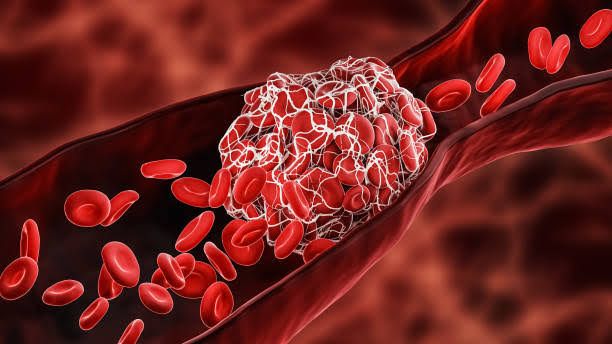
Fibrinolysis is a physiological process that prevents blood clots from growing and becoming problematic. This process involves the breakdown of fibrin, a protein that forms the structural basis of blood clots. Fibrinolysis ensures that clots are dissolved once they have served their purpose in stopping bleeding, thus maintaining normal blood flow and preventing complications such as thrombosis.
Types of Fibrinolysis
There are two main types of fibrinolysis:
- Primary Fibrinolysis: This is the normal, natural breakdown of blood clots. It occurs continuously in the body to regulate clot formation and dissolution, ensuring that blood vessels remain open and functional.
- Secondary Fibrinolysis: This type occurs due to external factors such as medical disorders, medications, or other causes. Secondary fibrinolysis can lead to excessive bleeding if not properly controlled.
Clinical Significance
Fibrinolysis plays a crucial role in various clinical scenarios:
- Thrombolytic Therapy: Medications that promote fibrinolysis are used to dissolve clots in conditions like heart attacks, strokes, and pulmonary embolisms.
- Hyperfibrinolysis Management: In cases where there is excessive clot breakdown leading to severe bleeding (e.g., trauma patients), antifibrinolytic agents like aminocaproic acid and tranexamic acid are used to inhibit this process.
- Diagnostic Testing: The presence and extent of fibrinolytic activity can be measured using tests like D-dimer assays or thromboelastometry (TEM), which help diagnose conditions such as deep-vein thrombosis or monitor treatment efficacy in acute myocardial infarction.
Mechanism of Fibrinolytic Mechanism
1. Formation and Activation of Plasminogen
Plasminogen, an inactive precursor of plasmin, is produced in the liver. Although plasminogen itself cannot cleave fibrin, it has an affinity for it and becomes incorporated into the clot when it forms. The activation of plasminogen into its active form, plasmin, is crucial for fibrinolysis.
2. Role of Tissue Plasminogen Activator (t-PA) and Urokinase
Tissue plasminogen activator (t-PA) and urokinase are key agents that convert plasminogen into active plasmin. t-PA is released slowly by the damaged endothelium of blood vessels over several days after clot formation. This slow release ensures that once bleeding has stopped, the clot can be broken down efficiently. As t-PA activates plasminogen entrapped within the clot, it breaks down the fibrin meshwork.
3. Inhibition Mechanisms
The activity of t-PA and urokinase is regulated by inhibitors such as plasminogen activator inhibitor-1 (PAI-1) and plasminogen activator inhibitor-2 (PAI-2). Additionally, α2-antiplasmin and α2-macroglobulin inactivate plasmin to prevent excessive breakdown of clots. Thrombin-activatable fibrinolysis inhibitor (TAFI) also reduces plasmin activity by modifying fibrin to make it more resistant to tPA-mediated cleavage.
4. Clearing Fibrin Degradation Products
As plasmin breaks down fibrin into soluble fragments known as fibrin degradation products (FDPs), these fragments are cleared from circulation by other proteases or through renal and hepatic pathways. FDPs compete with thrombin, slowing down further clot formation by preventing the conversion of fibrinogen to fibrin.
Measurement Techniques
Several techniques measure the extent and activity of fibrinolysis:
- Thrombin Clotting Time (TCT): Prolonged TCT indicates active fibrinolysis.
- D-dimer Test: Measures specific FDPs using antibody-antigen technology to confirm that fibrinolysis has occurred.
- Thromboelastometry (TEM): Assesses hyperfibrinolysis in real-time by comparing TEM profiles with or without aprotinin.
- Euglobulin Lysis Time (ELT): Measures overall fibrinolytic activity by observing clot dissolution time in plasma samples.
Clinical Implications
Hyperfibrinolysis can lead to significant bleeding if not diagnosed early, especially in trauma patients or those with certain medical conditions like liver disease or PAI-1 deficiency. Conversely, antifibrinolytics such as aminocaproic acid and tranexamic acid can inhibit excessive fibrinolysis, helping manage bleeding risks effectively.
Conclusion
Understanding the intricate balance between clot formation and breakdown through the mechanisms involved in fibrinolysis is essential for managing various clinical conditions related to abnormal clotting or bleeding.
Comprehensive Overview of Fibrinolytic Therapy
Fibrinolytic therapy is primarily used in:
- Heart Attack (Myocardial Infarction):
- Blood clots blocking coronary arteries can lead to heart muscle damage.
- Rapid administration of thrombolytic agents can dissolve these clots, restoring blood flow and minimizing heart muscle damage.
- Stroke:
- Ischemic strokes occur when blood clots block arteries supplying blood to the brain.
- Thrombolytic drugs administered within a critical time window (typically 3-4.5 hours after symptom onset) can restore cerebral blood flow and reduce neurological deficits.
- Pulmonary Embolism:
- Blood clots in pulmonary arteries can impair lung function.
- Fibrinolytic therapy helps dissolve these clots, improving oxygenation and reducing strain on the heart.
- Deep Vein Thrombosis (DVT):
- Clots in deep veins, usually in the legs, can cause pain and swelling.
- Thrombolytics can help dissolve these clots and prevent complications like post-thrombotic syndrome.
Administration Methods
Thrombolytic agents are typically delivered through an intravenous (IV) line or directly at the site of the clot via a catheter. Imaging techniques such as CT scans or MRI may be used during treatment to monitor clot dissolution.
Precautions and Contraindications
Not all patients are suitable candidates for fibrinolytic therapy due to potential risks such as bleeding complications. Contraindications include recent surgery, active internal bleeding, history of hemorrhagic stroke, or severe uncontrolled hypertension. Healthcare providers perform thorough evaluations before administering thrombolytics to ensure patient safety.
Side Effects and Complications
Common side effects include bleeding from IV puncture sites or other recent injuries. Spontaneous bleeding may also occur internally in areas like the gastrointestinal tract or brain. In some cases, small pieces of the dissolved clot may embolize to other parts of the body.
Despite these risks, for most patients, the benefits of timely fibrinolytic therapy outweigh potential complications. It significantly reduces mortality rates and long-term disability associated with acute vascular events.
Post-Treatment Care
Following successful thrombolysis, patients often require additional treatments such as anticoagulants (e.g., warfarin or heparin) to prevent new clot formation. In some cases where residual clot fragments remain or re-occlusion occurs, further interventions like stenting or surgical procedures may be necessary.
Patients typically stay in an intensive care unit for close monitoring immediately after receiving thrombolytics and may need extended hospitalization depending on their overall condition and response to treatment.
Conclusion
Fibrinolytic therapy plays a vital role in managing acute vascular events by rapidly dissolving life-threatening blood clots. Its timely application can save lives and reduce long-term morbidity associated with conditions like heart attacks and strokes. However, careful patient selection and monitoring are essential to maximize benefits while minimizing risks.
Disorders Related with Abnormal Fibrinolytic Pathway
The fibrinolytic pathway is crucial for maintaining the balance between clot formation and dissolution in the body. Abnormalities in this pathway can lead to either excessive bleeding or thrombosis. Here, we will discuss three major inherited disorders related to the fibrinolytic pathway: α2-Antiplasmin (α2-AP) deficiency, Plasminogen Activator Inhibitor-1 (PAI-1) deficiency, and Quebec Platelet Disorder (QPD).
1. α2-Antiplasmin Deficiency
Pathophysiology:
- α2-Antiplasmin is a serine protease inhibitor that primarily inhibits plasmin, the enzyme responsible for breaking down fibrin clots.
- Deficiency in α2-Antiplasmin results in uncontrolled plasmin activity, leading to excessive fibrinolysis and subsequent bleeding.
Clinical Presentation:
- Patients with α2-Antiplasmin deficiency often present with severe, lifelong bleeding disorders.
- Symptoms may include easy bruising, prolonged bleeding from minor wounds, and spontaneous hemorrhages.
Inheritance:
- This disorder follows an autosomal recessive pattern of inheritance.
Diagnosis:
- Routine coagulation tests are typically normal.
- Specialized hemostasis testing is required to measure α2-Antiplasmin activity levels.
Treatment:
- Antifibrinolytic agents such as tranexamic acid or ε-aminocaproic acid are used to inhibit fibrinolysis by preventing plasminogen from binding to fibrin, thereby stabilizing the clot.
2. Plasminogen Activator Inhibitor-1 (PAI-1) Deficiency
Pathophysiology:
- PAI-1 inhibits tissue plasminogen activator (tPA) and urokinase-type plasminogen activator (uPA), which convert plasminogen to plasmin.
- A deficiency in PAI-1 leads to increased conversion of plasminogen to plasmin, resulting in enhanced fibrinolysis and bleeding.
Clinical Presentation:
- Patients may experience mucosal bleeding, menorrhagia, and prolonged bleeding after surgery or trauma.
Inheritance:
- PAI-1 deficiency also follows an autosomal recessive inheritance pattern.
Diagnosis:
- Identification of PAI-1 deficiency is complex due to diurnal variation in its levels and the limitations of many assays designed to detect elevated rather than low levels of PAI-1.
- Specialized testing may be necessary for definitive diagnosis.
Treatment:
- Similar to α2-Antiplasmin deficiency, antifibrinolytic agents are used as the mainstay of treatment.
3. Quebec Platelet Disorder (QPD)
Pathophysiology:
- QPD is characterized by a unique gain-of-function defect where platelets contain increased amounts of urokinase-type plasminogen activator (uPA) within their α-granules.
- This leads to profibrinolytic activity within platelets themselves, causing abnormal clot breakdown and bleeding tendencies.
Clinical Presentation:
- Patients with QPD may present with delayed-onset bleeding following trauma or surgery due to premature clot lysis.
Inheritance:
- QPD has an autosomal dominant pattern of inheritance.
Diagnosis:
- Diagnosis requires a high index of suspicion based on clinical phenotype along with specialized hemostasis testing.
Treatment:
- Antifibrinolytic agents such as tranexamic acid or ε–aminocaproic acid are effective in managing symptoms by inhibiting fibrinolysis at the site of injury.